Table of Contents >> Show >> Hide
- What Is the Bosu Home Balance Trainer?
- Why the Bosu Home Balance Trainer Is So Popular
- Who Should Buy a Bosu Home Balance Trainer?
- Best Exercises to Do on a Bosu Home Balance Trainer
- How to Use the Bosu at Home Safely
- A Simple 15-Minute Bosu Home Workout
- Pros and Cons of the Bosu Home Balance Trainer
- Is the Bosu Home Balance Trainer Worth It?
- Experiences Related to the Bosu Home Balance Trainer
- Final Thoughts
- SEO Tags
The Bosu Home Balance Trainer is one of those pieces of fitness equipment that looks simple at first glance and then politely humbles you five minutes later. It is compact, versatile, and just unstable enough to make your muscles pay attention. For home users who want more than a dusty treadmill and a collection of good intentions, this trainer can add variety, balance work, core training, light cardio, and full-body challenges without taking over the entire living room.
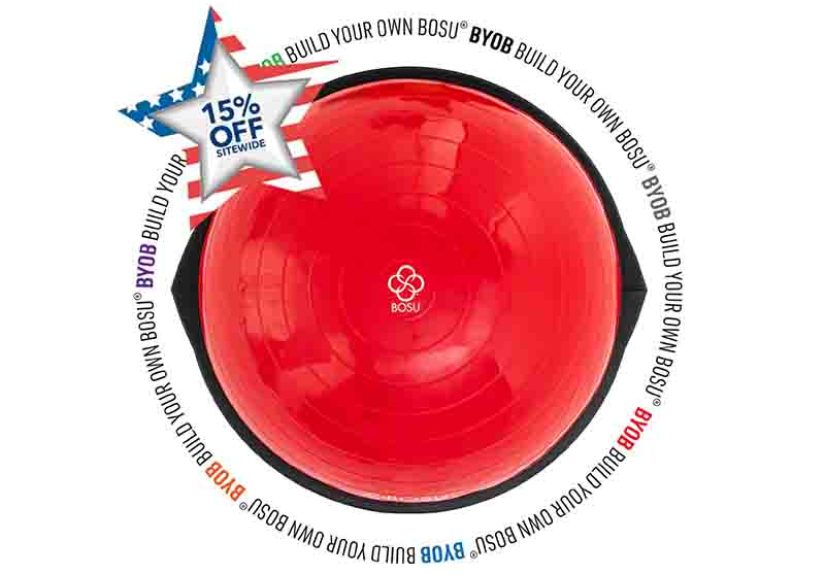
The official home version is designed for at-home fitness enthusiasts and is built for balance training, core workouts, cardio, flexibility, and full-body movement. It has a smooth ribbed dome, six rubberized feet, a 300-pound maximum load, a 25.5-inch diameter, and a height of about 8.5 inches when properly inflated. In plain English, that means it is sturdy enough for everyday home workouts, light enough to move around, and stable enough to support beginners while still challenging more experienced exercisers.
What Is the Bosu Home Balance Trainer?
Think of the Bosu Home Balance Trainer as a half-dome platform that gives you two training surfaces. One side is a flexible dome, and the other is a flat platform. That dual-sided design lets you perform exercises standing, kneeling, sitting, leaning, planking, stepping, or jumping. It is often used to train balance, proprioception, stability, coordination, and core control while also making familiar moves like squats, lunges, planks, and mountain climbers feel more demanding.
That is the magic of the Bosu: it does not need to invent exotic exercises with circus energy. It simply makes ordinary movements less predictable. Your body has to react to the unstable surface, and that means your stabilizing muscles, especially around the core, hips, ankles, and shoulders, have to wake up and do their jobs. It is like taking your regular workout and adding a polite little plot twist.
Why the Bosu Home Balance Trainer Is So Popular
1. It Trains Balance and Stability
Balance training is not just for athletes, surfers, or people who enjoy making lunges look theatrical. Better balance supports everyday movement, joint control, and body awareness. It can also be useful for improving confidence during movement and helping reduce the risk of slips and awkward stumbles in daily life. That is a big reason balance-based exercise keeps showing up in training programs, rehab settings, and general fitness advice.
2. It Turns On Your Core Without Making Everything a Crunch
One of the best things about the Bosu Home Balance Trainer is that it encourages core engagement during many exercises, not just classic ab work. Stand on it for a controlled squat, hold a plank with your forearms on the dome, or step onto it for a reverse lunge, and your trunk has to stabilize the entire movement. That means the trainer can help you build a more functional core, the kind that supports posture, control, and movement, not just beach photos and overconfident tank tops.
3. It Adds Variety to Home Workouts
Home workouts can get stale fast. The Bosu keeps things interesting because it supports beginner drills, low-impact stability work, bodyweight strength sessions, and more athletic movement patterns. You can use it for balance holds one day, glute bridges and planks the next, and then a sweaty cardio circuit when your playlist starts feeling aggressive. That range makes it especially useful for people who want one tool that can do more than one trick.
4. It Works for Many Fitness Levels
A Bosu can be beginner-friendly when used properly, especially with a wall or sturdy support nearby. At the same time, it can challenge experienced exercisers when movements become more dynamic. The key is progression. Static holds come first. Controlled reps come next. Fast, advanced, or explosive moves should show up only after technique and confidence are solid.
Who Should Buy a Bosu Home Balance Trainer?
The Bosu Home Balance Trainer makes sense for a wide range of users:
- People building a small but versatile home gym
- Beginners who want to improve balance and body control
- Regular exercisers who are bored with flat-ground bodyweight workouts
- Anyone looking to challenge core stability in a more dynamic way
- Users who want a fitness tool for strength, mobility, and cardio circuits
It may not be the best first purchase for someone whose main goal is lifting very heavy weights or building maximal strength. A Bosu is more about stability, coordination, and movement quality than raw loading. If your dream workout is deadlifts, squats, and progressively heavier barbells, the Bosu is a useful sidekick, not the main character.
Best Exercises to Do on a Bosu Home Balance Trainer
If you are new to the Bosu, start with simple movements and master control before adding speed. Here are several smart options:
Basic Balance Stand
Stand on the dome with both feet and hold your balance. This sounds easy until your ankles begin negotiating with gravity. Keep your posture tall, engage your core, and avoid locking your knees.
Single-Leg Hold
Once the two-foot balance becomes manageable, progress to a single-leg hold. This exercise is excellent for ankle stability, hip control, and overall body awareness. It also exposes your weaker side immediately, which is rude but useful.
Bodyweight Squat
Squatting on the Bosu increases the demand on your stabilizers. Use slow, controlled reps and do not chase depth if your balance starts to collapse. Quality beats drama every time.
Reverse Lunge to Step-Up
Step onto the Bosu and control the movement through the hips and core. This variation can help challenge lower-body stability while keeping the workout functional and athletic.
Forearm Plank
Place your forearms on the dome and hold a plank. The unstable surface makes this a serious anti-rotation challenge. Your abs, shoulders, and glutes all have to cooperate, which is nice because they usually argue.
Mountain Climbers
With hands on the flat platform and the dome facing down, mountain climbers become a cardio-core hybrid that feels fast, efficient, and mildly disrespectful.
Glute Bridge With Feet on the Bosu
Place your feet on the Bosu and perform a bridge to challenge the posterior chain. This move can light up the glutes and hamstrings while forcing the core to stay organized.
How to Use the Bosu at Home Safely
The Bosu Home Balance Trainer is beginner-friendly, but only if your ego agrees to behave. A few safety principles matter:
- Start near a wall, chair, or sturdy support if you are new to balance training.
- Warm up for five to ten minutes before jumping into unstable-surface work.
- Begin with slow, static drills before moving into dynamic exercises.
- Keep your core engaged and your movements controlled.
- Do not add heavy weights until you are highly comfortable with the platform.
- Use proper footwear or go barefoot only if you are stable and training on a safe surface.
- Stop if you feel joint pain, dizziness, or loss of control.
A common mistake is trying to make every exercise more extreme just because the Bosu exists. Not every squat needs to become a circus audition. In many cases, the smartest approach is to use the trainer selectively, not constantly.
A Simple 15-Minute Bosu Home Workout
Here is a practical starter routine for home use:
- Basic Balance Stand – 30 seconds
- Bodyweight Squats on the Dome – 10 reps
- Alternating Step-Ups – 10 reps per side
- Forearm Plank on the Dome – 20 to 30 seconds
- Glute Bridges With Feet on the Bosu – 12 reps
- Mountain Climbers – 20 seconds
Complete the circuit two to three times, resting as needed. This kind of session works well because it blends stability, lower-body strength, core control, and a little cardio without requiring a giant equipment setup or a motivational speech from a fitness influencer.
Pros and Cons of the Bosu Home Balance Trainer
Pros
- Versatile enough for balance, core, cardio, flexibility, and full-body training
- Compact and relatively easy to store in a home gym
- Suitable for many fitness levels with the right progression
- Adds challenge to bodyweight exercises without needing heavy equipment
- Official home model is made in the USA and designed specifically for home use
Cons
- Can feel intimidating for total beginners at first
- Not the best primary tool for maximal strength training
- Some advanced moves are not necessary for most home users
- Requires patience and good form to be effective and safe
- Cheaper knockoffs exist, but the quality gap can matter
Is the Bosu Home Balance Trainer Worth It?
For many people, yes. The value of the Bosu Home Balance Trainer comes from its versatility. It can challenge balance, add instability to strength exercises, support core work, and make home workouts less repetitive. If you want one piece of equipment that can serve warm-ups, balance drills, bodyweight strength work, and conditioning sessions, it earns its spot.
That said, it is not a miracle gadget. It will not replace a full gym, and it will not automatically transform basic exercise into elite athletic training. What it does offer is a practical, effective way to improve stability and movement control while keeping workouts interesting. That is more useful than flashy promises and a lot cheaper than a second treadmill you definitely do not need.
Experiences Related to the Bosu Home Balance Trainer
The real experience of using a Bosu Home Balance Trainer is usually a mix of surprise, laughter, and respect. Most first-time users step onto the dome expecting a light challenge and quickly discover that standing still can feel like a full conversation between the feet, ankles, hips, and core. The wobble is not wild, but it is enough to expose every shortcut your body likes to take. That is why so many people describe the Bosu as fun and humbling at the same time.
In a home setting, the trainer often becomes the piece of equipment people reach for when they want a workout that feels fresh without being complicated. It works well on days when you do not want to build an entire program from scratch. A few step-ups, planks, squats, and balance holds can turn a short session into something that feels productive. Many users also like that the Bosu can be used for quick movement breaks, not just formal workouts. Five minutes on it between meetings can wake up the body better than another cup of coffee and a dramatic sigh.
Another common experience is realizing that progress is easy to feel even when it is hard to measure. In week one, standing on one leg may feel shaky and awkward. A few sessions later, the same drill feels steadier, your posture is cleaner, and your confidence improves. That kind of progress is encouraging because it shows up in the quality of movement, not just the number on a dumbbell. Users often notice better control during lunges, more awareness during planks, and stronger balance during everyday activities.
The Bosu also tends to appeal to households with mixed fitness levels. One person may use it for low-impact balance work, another for core training, and someone else for cardio intervals. It has that rare home-gym quality of being approachable without becoming boring. Even advanced exercisers can use it to add variety, especially for warm-ups, activation work, and stability challenges that flat-ground training does not always provide.
Of course, the experience is best when expectations are realistic. The Bosu is not about chaos. The most satisfying sessions come from slow, controlled movement and gradual progression. Users who rush into jump training or complicated combinations too early usually end up frustrated. Users who treat it as a smart training tool, however, often stick with it for years. That is probably the strongest endorsement of all: the Bosu Home Balance Trainer does not just look useful in a home gym. It keeps proving useful long after the novelty wears off.
Final Thoughts
The Bosu Home Balance Trainer remains a smart choice for people who want more from their home workouts than basic reps on a flat floor. It supports balance, stability, core strength, flexibility, light cardio, and full-body training in one compact format. It is not about flashy gimmicks. It is about making movement more controlled, more challenging, and a lot more engaging.
If your goals include better balance, stronger stabilizers, a more active core, and a home routine that does not feel stale after two weeks, the Bosu Home Balance Trainer is worth serious consideration. It is versatile, effective, and surprisingly good at turning ordinary exercises into honest ones. And yes, sometimes honest means your legs start trembling while you pretend everything is under control.