Table of Contents >> Show >> Hide
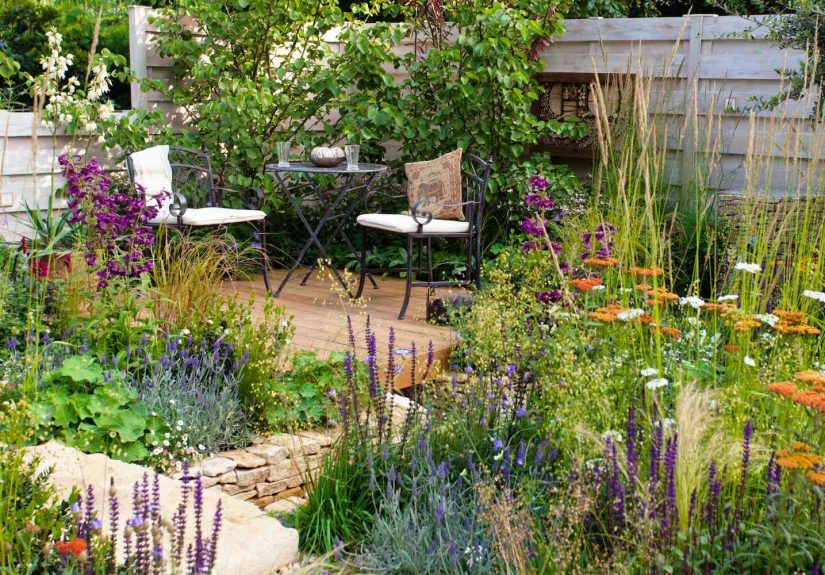
- 1) A Defined “Outdoor Room” (Not Just Furniture Floating in Grass)
- 2) Shade That’s Planned (Not “We’ll Just Sweat Through It” Shade)
- 3) Comfortable Seating (Because “Cute but Painful” Is Not a Lifestyle)
- 4) Layered Lighting (Warm, Subtle, and Not a Backyard Stadium)
- 5) Water-Wise Irrigation (So Your Plants Thrive Without Wasting Water)
- 6) Native and Pollinator-Friendly Planting (Beauty That Also Does Something)
- 7) Soil Health + Mulch Refresh (The Unsexy Secret to a Great Yard)
- 8) One “Centerpiece Feature” That Pulls the Whole Backyard Together
- Extra: Real-World Summer Backyard Experiences (What People Learn the Fun Way)
- Conclusion
Summer has a way of turning a perfectly “fine” backyard into a daily craving. You want coffee outside. You want dinner outside.
You want that magical golden-hour moment where everything looks like a catalog photo… until you trip over the hose and swear loudly in front of a bird.
Landscape designers think about backyards the way chefs think about kitchens: flow, function, comfort, and just enough drama to make it memorable.
If your outdoor space feels a little random (chair here, grill there, mystery patch of weeds everywhere), the fixes aren’t complicatedthey’re strategic.
Here are eight designer-approved upgrades that make a backyard feel intentional, inviting, and ready for summer living.
1) A Defined “Outdoor Room” (Not Just Furniture Floating in Grass)
Designers almost always start with one question: Where do people actually hang out?
A backyard becomes wildly more usable when you create a clear “destination”a patio, deck, paver pad, or even a compact gravel terrace that says,
“Yes, this is where the good vibes live.”
How to make it work
- Pick a primary zone: dining, lounging, or both.
- Give it a floor: pavers, decomposed granite, flagstone, or a deck instantly signals “room,” not “yard.”
- Anchor with a layout: keep walking paths clear so guests aren’t doing an obstacle course around chair legs.
Even in a small backyard, a defined zone makes the space feel bigger because it’s organized. Bonus: your lawn stops being the default “everything surface,”
which helps with wear, mud, and that one low spot that turns into a swamp every time you water.
2) Shade That’s Planned (Not “We’ll Just Sweat Through It” Shade)
If your summer backyard plan includes “sit in full sun at 3 p.m.” then I regret to inform you… you are a lizard. For the rest of us, shade is comfort,
and comfort is what keeps you outside longer.
Designer favorites
- Large umbrella: fastest win, especially for dining.
- Pergola: creates structure and a sense of enclosurelike an outdoor ceiling without the commitment.
- Shade sail: modern, affordable, great for awkward angles.
- Trees: the long game that pays off for decades (and your future self will brag about it).
Pro tip: align shade where you’ll use it mostover the table, near the grill, or across that seating area that becomes a skillet by late afternoon.
If you’re adding trees, think about mature size and placement so you’re not planting a “cute baby” that becomes a “giant lawsuit” against your fence later.
3) Comfortable Seating (Because “Cute but Painful” Is Not a Lifestyle)
Landscape designers love beautiful spaces, surebut they also love spaces people actually use. The quickest way to kill a backyard party is seating that feels
like airport furniture. Summer success is built on comfort: supportive chairs, deep seats, and enough places for people to land.
What makes seating feel intentional
- Conversation-friendly spacing: keep seats close enough to talk without yelling across a coffee table canyon.
- Mix seat types: a bench + chairs + poufs makes the space flexible.
- Weather-ready materials: outdoor-rated cushions and quick-dry fabrics save you from “surprise rain panic.”
If you entertain, aim for more seats than your household needs. If you don’t entertain, still plan for the moment when a neighbor wanders over
and you’re suddenly hosting an impromptu hangout like it’s a sitcom.
4) Layered Lighting (Warm, Subtle, and Not a Backyard Stadium)
Designers talk about lighting the way interior pros do: layers, mood, and purpose. You don’t need to blast the yard with brightnessyou need
the right light in the right places. Think: path lights for safety, soft glows near seating, and gentle highlights on a tree or textured wall.
A smart (and wildlife-friendly) approach
- Use warm color temperatures for a cozy feel.
- Shield and aim lights downward to reduce glare and spill.
- Add timers or motion sensors so lights aren’t on all night “just because.”
Lighting does more than set the vibeit supports safety, navigation, and curb appeal. And if your backyard has any steps, changes in grade,
or uneven paths, lighting is basically kindness (to your ankles, especially).
5) Water-Wise Irrigation (So Your Plants Thrive Without Wasting Water)
Summer plants are thirsty. Summer homeowners are busy. That’s why designers and water experts push for efficient irrigation:
it protects your landscape investment and keeps you from dragging a hose around like you’re reenacting an old-timey farm movie.
Upgrades that actually matter
- Microirrigation or drip lines: targeted watering with less overspray and fewer puddles.
- Sprinkler tune-ups: adjust spray so water hits plants, not sidewalks and driveways.
- Hydrozoning: group plants with similar water needs so you’re not watering drought-tolerant plants like they’re tropical.
Designers also love “invisible wins”: rain sensors, smart controllers, pressure regulation, and simple checks to prevent runoff.
Your future self will thank you when the yard looks lushand your water bill doesn’t look like a prank.
6) Native and Pollinator-Friendly Planting (Beauty That Also Does Something)
If you want a backyard that looks good and feels alive, plant for your region. Native plants are adapted to local conditions, which often means
less fussing, less watering once established, and more habitat value for birds and pollinators.
Easy ways to start without redesigning everything
- Upgrade one bed: convert a small planting area near the patio or fence.
- Choose a “three-season” mix: spring bloomers, summer color, fall texture.
- Go in clusters: repeating plants in groupings looks designer-level (and helps pollinators find them).
Examples many designers love (depending on region and sun): coneflowers, black-eyed Susans, bee balm, native grasses like switchgrass,
and small trees/shrubs like serviceberry. The trick is matching plant choices to your sitesun, shade, soil, and how much time you actually want to garden.
7) Soil Health + Mulch Refresh (The Unsexy Secret to a Great Yard)
A backyard can have gorgeous plants and still look tired if the soil is compacted and the beds are bare. Designers and horticulture pros know:
the real glow-up starts underground. Healthy soil supports stronger roots, better drought tolerance, and fewer “why is this plant mad?” moments.
Summer-ready basics
- Add compost: improves soil structure and organic matter.
- Mulch beds 2–4 inches: reduces evaporation, moderates soil temperature, and helps suppress weeds.
- Keep mulch off trunks and crowns: no mulch volcanoesplants are not meant to wear turtlenecks.
Fresh mulch also instantly makes a yard look “finished.” It’s the landscaping equivalent of putting on clean sneakers:
suddenly, the whole outfit makes sense.
8) One “Centerpiece Feature” That Pulls the Whole Backyard Together
Designers love a focal point because it gives the eye somewhere to land. Your centerpiece doesn’t need to be huge or expensive
it just needs to be intentional. The right feature creates identity: this is the backyard with the fire pit, or the one with the little water bowl,
or the one with the edible garden you swear you’ll harvest consistently this year.
Focal points that earn their keep in summer
- Fire pit or outdoor fireplace: extends evenings and turns “just one drink” into a three-hour hang.
- Water element: a small recirculating fountain adds sound and coolness.
- Edible corner: herbs in containers, a raised bed, or a trellis for cucumbers and beans.
- Privacy + backdrop: a trellis, hedge, or slatted screen makes everything feel more intimate and designed.
If you’re choosing between multiple features, pick the one that supports your real habits. Love hosting? Fire pit or dining zone wins.
Want quiet mornings? A shaded chair + water sound is the move. Want low maintenance? A strong backdrop and great lighting can do a lot with very little upkeep.
Extra: Real-World Summer Backyard Experiences (What People Learn the Fun Way)
Here’s what tends to happen when homeowners actually put these upgrades into practicemessy, honest, and very useful.
First, almost everyone underestimates shade. They’ll buy furniture, set it up, take a victory lap… and then realize the seating area is basically a tanning bed.
Designers see this constantly, which is why they plan overhead coverage early. Even a simple umbrella can change how often you use the space, and a pergola
can make your patio feel like an outdoor living room instead of “the place we store chairs.”
Second, people are surprised by how much a “floor” changes everything. You can have the prettiest chairs on earth, but if they sink into grass,
wobble on uneven ground, or get muddy every time it rains, the space never feels finished. Homeowners who add a small paver pad or gravel terrace
often describe it as the moment their backyard became “a place” rather than “the back of the house.” It also improves flow: you can walk from the door
to the grill to the table without doing that careful, tiptoeing shuffle.
Third, lighting becomes the unexpected hero. Many people start with bright fixtures and then realize the yard feels harsh. The better experience is softer:
low path lights that prevent falls, a warm glow near seating, and gentle highlights that make plants look cinematic at night. Once timers or motion sensors are added,
the space feels effortlesslike it’s ready for you instead of requiring a whole nightly setup routine.
Fourth, the “water and weeds” reality check hits mid-summer. Even motivated gardeners can get overwhelmed when heat ramps up.
The backyards that stay enjoyable usually have two behind-the-scenes supports: efficient watering and mulch. Drip irrigation (or even well-placed soaker hoses)
means plants get consistent moisture without wasted spray. Mulch keeps beds from drying out and helps prevent that sudden weed takeover that makes people
avoid going outside altogether. You don’t need perfection; you need systems that reduce friction.
Finally, homeowners who add native plants or pollinator beds often report something surprising: the yard feels more alive.
More butterflies, more birds, more movementlike the landscape is participating in the season instead of just sitting there.
It’s also easier to maintain once plants are established, which matters because the best backyard isn’t the fanciest oneit’s the one you actually use.
The common thread in successful summer yards is intention: clear zones, comfort, and a few smart infrastructure choices that make outdoor life feel automatic.
Conclusion
A summer-ready backyard doesn’t require a full renovation or a designer budget. The biggest improvements come from thinking like a designer:
define a destination, add shade, prioritize comfort, light it well, water efficiently, feed the soil, plant with purpose, and give the space a focal point
that makes it feel like your backyardnot a random collection of outdoor stuff.
Choose one upgrade you can do this week (mulch + lighting is a powerful duo), and one that’s a longer-term investment (shade trees or a defined patio).
Stack small wins, and by mid-summer your backyard becomes the place you naturally drift towardmorning, noon, and golden hour.