Table of Contents >> Show >> Hide
- Why body measurements matter
- Before you start: the golden rules for accurate body measurements
- Way 1: Measure your waist correctly
- Way 2: Measure your hips for shape and ratio tracking
- Way 3: Measure your chest or bust for upper-body changes
- Way 4: Measure your arms, thighs, and calves for fitness progress
- Way 5: Combine measurements with height, weight, and a tracking routine
- How to create a simple body measurement chart
- When body measurements are more useful than the scale
- Common questions about how to take body measurements
- Final thoughts
- Real-life experiences people often have when tracking body measurements
If the bathroom scale has ever acted like a tiny agent of chaos, welcome. Body measurements can tell a much fuller story than body weight alone. Your weight can swing because of water, salt, hormones, dinner, or that heroic bowl of ramen you met last night. But when you learn how to take body measurements correctly, you get more useful data: where your body is changing, how your clothes may fit, and whether your health or fitness habits are moving in the direction you want.
This guide breaks down five practical ways to take body measurements at home, without turning your bedroom into a lab. You will learn how to measure your waist, hips, chest, arms, and lower body, plus how to make those numbers meaningful over time. Whether your goal is weight loss, muscle gain, tailoring clothes, or simply understanding your body better, consistent measurement techniques matter far more than one dramatic weigh-in.
The short version: use a flexible, non-elastic tape measure, keep it level, measure against the skin or over close-fitting clothing, avoid sucking in your stomach, and repeat the process under the same conditions every time. Simple? Yes. Important? Also yes. The tape measure may be humble, but it is not here to play around.
Why body measurements matter
Before getting into the five methods, it helps to understand why body measurements are useful. Measurements help track body composition changes in a practical way. If you are strength training, for example, your scale weight may stay nearly the same while your waist gets smaller and your thighs or glutes grow stronger. If you are monitoring health, your waist measurement can offer clues about abdominal fat distribution, which matters because carrying extra weight around the midsection is linked with higher health risks.
Measurements are also useful for clothing fit, tailoring, postpartum body changes, transformation goals, and general health check-ins. They give you a progress marker that is less moody than the scale and more specific than “I think my jeans feel slightly less offended by me this week.”
Before you start: the golden rules for accurate body measurements
- Use a soft, flexible, non-stretch tape measure.
- Measure at the same time of day each time, ideally in the morning.
- Wear minimal or close-fitting clothing.
- Stand naturally. Do not flex, slouch, or suck in.
- Keep the tape snug but not tight enough to compress the skin.
- Make sure the tape stays parallel to the floor.
- Take each measurement twice and record the average if needed.
- Track progress every 2 to 6 weeks instead of every other hour like an overcaffeinated scientist.
Way 1: Measure your waist correctly
If you only take one body measurement, make it your waist. Waist circumference is one of the most useful measurements for both health tracking and fitness progress. It can show changes in abdominal size even when your body weight does not change much.
How to measure your waist
- Stand up straight with your feet about hip-width apart.
- Find the area just above your hipbones or the narrowest part of your torso.
- Wrap the measuring tape around your waist so it stays level all the way around.
- Let your stomach relax. No dramatic inhaling. No “red carpet posture.”
- Measure just after you breathe out normally.
- Write the number down right away.
This is the best method if your goal is to measure body size for weight loss, monitor belly fat changes, or keep an eye on central fat distribution. For many adults, waist size is especially useful because abdominal fat matters more for health risk than a random number on a scale.
Common waist measurement mistakes
- Measuring over bulky clothes
- Holding your breath
- Pulling the tape too tight
- Letting the tape dip lower in the back
- Changing the location each time
If your waist measurement is your primary progress marker, always use the exact same landmark every time. Consistency beats perfection.
Way 2: Measure your hips for shape and ratio tracking
Your hip measurement helps you understand lower-body changes and is often paired with waist circumference to calculate your waist-to-hip ratio. This can be useful for tracking body shape, clothing fit, and general fat distribution.
How to measure your hips
- Stand with your feet together.
- Wrap the measuring tape around the fullest part of your hips and buttocks.
- Check that the tape is level front to back.
- Keep the tape snug without squashing anything into submission.
- Record the number.
Hip measurements are especially useful if your goals involve glute training, lower-body fat loss, dress sizing, or overall body measurement tracking. This number can change more slowly than people expect, so patience matters. Bodies do not update on a streaming schedule.
How to use waist and hip measurements together
Once you have both measurements, you can compare them over time. Some people like to calculate their waist-to-hip ratio by dividing waist measurement by hip measurement. Even if you never do the math, keeping both numbers in your body measurement chart can show whether your proportions are changing.
For example, someone starting a walking program and strength training routine may see their waist decrease before their hips do. Another person focused on glute training may notice stronger, fuller hips with only a modest waist change. Both outcomes can reflect progress. Context matters.
Way 3: Measure your chest or bust for upper-body changes
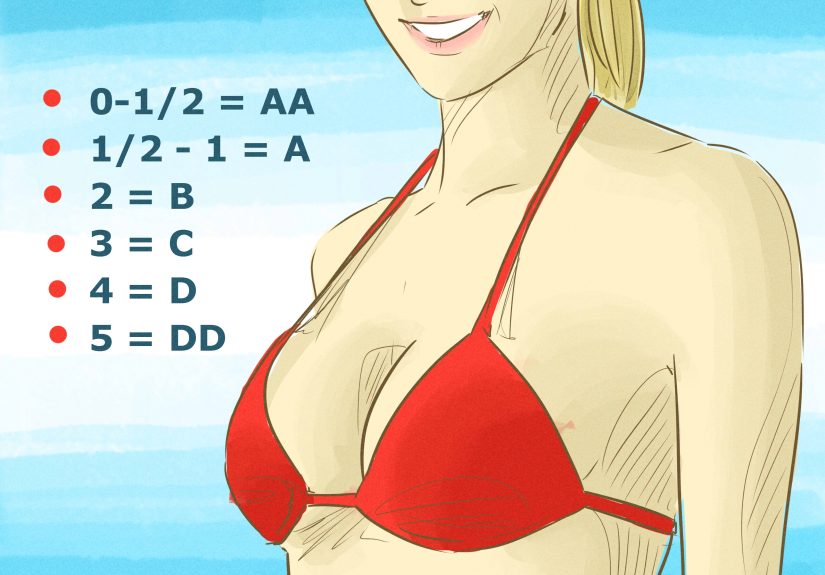
The chest measurement or bust measurement is useful for tailoring clothes, tracking upper-body muscle gain, and seeing changes in posture or body composition. It is one of the most overlooked measurements, which is a shame because it can reveal progress the scale completely misses.
How to measure your chest or bust
- Stand tall with your arms relaxed at your sides.
- Wrap the tape around the fullest part of your chest or bust.
- Make sure the tape is level and not riding up in the back.
- Breathe normally and take the reading without puffing out your chest like a superhero auditioning for a sequel.
If you are measuring for clothing, wear the type of undergarments you would normally wear with fitted clothes. If you are measuring for fitness progress, keep conditions as similar as possible each time.
Why this measurement matters
Chest or bust measurements can reflect upper-body fat loss, muscle development, and fit changes in shirts, bras, jackets, and dresses. If your shoulders, back, or chest are getting stronger from rowing, pressing, swimming, or yoga, this number can help you track those changes with more nuance than weight alone.
Way 4: Measure your arms, thighs, and calves for fitness progress
This is the most practical method if your goals are related to strength training, physique changes, or general body recomposition. Measuring your limbs gives you a closer look at where you are building muscle, holding fat, or slimming down.
How to measure your upper arms
- Let one arm hang relaxed.
- Find the midpoint between your shoulder and elbow.
- Wrap the tape around the arm at that point.
- Do not flex. Your biceps have enough confidence already.
How to measure your thighs
- Stand with weight distributed evenly on both feet.
- Measure around the fullest part of the upper thigh.
- Keep the tape flat and level.
How to measure your calves
- Measure around the widest part of the calf.
- Stand naturally and avoid tensing the muscle.
Limb measurements are excellent for people who lift weights, walk regularly, run, cycle, dance, or follow a home fitness program. They are also useful when the scale is not changing but your body clearly is. It is very common for someone starting resistance training to lose inches at the waist while maintaining or even increasing thigh or arm size because muscle is developing underneath.
Pro tip for limb measurements
Pick the same side of the body every time. Right arm one week and left arm the next is not a tracking system. It is a mystery novel.
Way 5: Combine measurements with height, weight, and a tracking routine
This fifth method is not a single body area. It is the strategy that makes all the other measurements more useful. To really understand your progress, combine your circumference measurements with your height and weight, and log them in a consistent routine.
What to record
- Waist
- Hips
- Chest or bust
- Upper arm
- Thigh
- Calf
- Weight
- Date and time
- Optional notes about exercise, cycle changes, sodium intake, or how clothes fit
You can also calculate your BMI using height and weight. BMI is a screening tool, not a diagnosis, but it can still provide useful context when combined with waist and body measurements. If you have a lot of muscle, BMI may not reflect your body composition especially well, which is exactly why taking body measurements can be so helpful.
How often should you measure?
For most people, once every 2 to 4 weeks works well. If you are just starting a fitness plan, every 4 to 6 weeks is often enough to spot a real trend without obsessing over tiny fluctuations. Daily measurements are usually unnecessary unless you enjoy confusing yourself for sport.
How to create a simple body measurement chart
A body measurement chart does not need to be fancy. A notebook, notes app, or spreadsheet works perfectly. Use columns for date, weight, waist, hips, chest, arms, thighs, and calves. Then add a final column for observations such as “pants fit better,” “started strength training,” or “why did I eat half a pizza the night before measurement day?”
The point is not to judge yourself. The point is to collect clean, useful information. Over time, patterns become easier to see. You may notice your waist drops first, your hips change later, or your arms stay the same while your clothing fit improves. That is why data beats guessing.
When body measurements are more useful than the scale
There are many situations where measurements can be more informative than weight:
- You are strength training and gaining muscle
- You are retaining water because of hormones, stress, travel, or sodium
- You are postpartum and your body is shifting in multiple ways at once
- You are trying to fit into clothes better rather than hit a specific number
- You want a more realistic picture of body changes over time
In all of these cases, measurements help you track progress without turning one number into a personality trait.
Common questions about how to take body measurements
Should you measure over clothes or on bare skin?
Bare skin is usually most accurate, but close-fitting clothing is fine if you stay consistent every time.
Should you suck in your stomach?
No. Take measurements while standing naturally. Your tape measure deserves honesty.
What if the numbers change from day to day?
That is normal. Hydration, digestion, menstrual cycle timing, and sodium intake can all affect your measurements. Look for trends over weeks, not drama over days.
Can body measurements replace medical advice?
No. They are useful tracking tools, but they do not diagnose disease. If you have concerns about your weight, waist size, or metabolic health, talk with a qualified healthcare professional.
Final thoughts
Learning how to take body measurements is one of the simplest ways to understand your body more clearly. A tape measure is inexpensive, easy to use, and surprisingly honest when used the right way. The key is not chasing a perfect number. It is creating a repeatable process that helps you see real change over time.
Start with the basics: waist, hips, chest, and a couple of limb measurements. Record them consistently. Recheck every few weeks. Then let the trends tell the story. That story may be about fat loss, muscle gain, better clothing fit, or improved health habits. Whatever your goal, the right body measurements can give you a clearer picture than the scale ever could.
And that, dear reader, is how a humble measuring tape becomes one of the most underrated tools in your house.
Real-life experiences people often have when tracking body measurements
One of the most common experiences people report is surprise. They expect body measurements to confirm what the scale says, but often the opposite happens. Someone may lose only two pounds in a month and assume nothing important is happening, then discover they lost an inch from their waist and half an inch from each thigh. That moment tends to be oddly emotional. Not dramatic movie-score emotional, but enough to make a person stare at the tape measure and say, “Well, look at you.”
Another common experience is frustration during the first few attempts. Taking your own body measurements is simple, but it is not always elegant. The tape twists. The numbers blur. The back side of the tape seems to have a personal vendetta. Many people also realize they have been measuring different spots each time, which explains why previous notes looked random. Once they choose clear landmarks and repeat the process the same way each time, the data becomes much more useful and far less chaotic.
People also learn quickly that measurements reveal progress the mirror can hide. If you see yourself every day, visual changes are easy to miss. A measurement log can show that your waist is trending down, your chest is staying stable, and your arms are getting stronger even when you feel like nothing is happening. This is especially helpful during strength training or recomposition phases, when body weight may stay almost the same because fat loss and muscle gain are happening at once.
Clothing fit is another real-world clue that often matches the tape better than the scale. Pants may loosen at the waistband before your hips change much. Sleeves may feel snugger after an upper-body program. A dress may zip more smoothly even though your total weight barely moved. These experiences remind people that body change is not always linear, and it certainly is not always visible in one number.
There is also a mental side to measurement tracking. For some people, it feels empowering. It replaces vague frustration with specific information. Instead of saying, “I feel stuck,” they can say, “My waist is down, my thighs are stable, and my workouts are improving.” That kind of clarity can make it easier to stay patient. For others, measurements can feel a little too intense at first. In those cases, measuring less often, such as every four weeks, can keep the process useful without making it stressful.
Another experience many people have is learning that consistency matters more than precision theater. You do not need a perfect lab setup. You need the same basic routine each time. Similar clothing, same tape, same body positions, same time of day, and the same landmarks. Once that routine is in place, the numbers start to make sense. They become less about judgment and more about observation.
In the end, people who stick with body measurement tracking often say the biggest shift is not physical but psychological. They stop chasing instant validation and start looking for patterns. They become more patient, more realistic, and more aware of how their body responds to sleep, stress, movement, nutrition, and time. That may be the most useful measurement of all: not just inches lost or gained, but perspective earned.