Table of Contents >> Show >> Hide
If you have a pack of mince in the fridge and no dinner plan, congratulations: you are about 20 minutes away from looking much more organized than you feel. Mince is one of the most flexible, budget-friendly, weeknight-saving ingredients in any kitchen. It can become taco filling, pasta sauce, rice bowls, shepherd’s pie, stuffed peppers, burgers, meatballs, or “I threw some spices in a pan and somehow made dinner” magic.
In American kitchens, “mince” usually means ground meat, especially ground beef, though the same basic cooking method works for ground pork, lamb, turkey, and chicken too. The trick is not just cooking it until it stops being pink. The real trick is getting it brown, juicy, flavorful, and not weirdly rubbery. That means using the right pan, the right heat, the right timing, and a little seasoning common sense.
This guide walks through exactly how to cook mince on the stovetop and in the microwave, plus practical seasoning tips, food-safety basics, and the small details that make a huge difference. Because nobody dreams of a bland pile of gray crumbles. We want flavor. We want browning. We want dinner to taste like it had a plan.
What “Mince” Means in American Cooking
If you are writing for an American audience, it helps to know that people in the United States usually say ground beef or ground meat instead of mince. Still, the cooking advice is largely the same. “Mince” simply refers to meat that has been finely chopped or ground.
The most common options include:
- Ground beef: rich, versatile, and the usual choice for tacos, pasta sauces, burgers, and casseroles.
- Ground turkey or chicken: leaner, lighter, and quick to cook, but easier to dry out.
- Ground pork: juicy and flavorful, excellent with garlic, ginger, fennel, or chili.
- Ground lamb: bold and savory, perfect with cumin, coriander, mint, and onion.
If you are buying ground beef, the fat ratio matters. 80/20 gives you the best flavor and browning for many recipes. 90/10 is leaner and cleaner for meal prep, lettuce wraps, and lighter sauces. Extra-lean meat can work, but it has a tendency to go from “healthy choice” to “edible sadness” if overcooked.
How to Cook Mince on the Stovetop
For flavor, texture, and control, the stovetop is the best method. It gives the meat time to brown instead of steam, lets you control the crumble size, and makes it easier to build flavor with onions, garlic, herbs, and spices.
What You Need
- 1 pound mince or ground meat
- A 10- to 12-inch skillet
- A wooden spoon, sturdy spatula, potato masher, or whisk
- Salt and pepper
- 1 teaspoon oil only if the meat is very lean or the pan needs it
Best Pan for Browning
A cast-iron or stainless steel skillet is ideal if you want deep browning. These pans hold heat better and help develop the savory color that makes mince taste like dinner instead of a rough draft. A nonstick skillet works too, especially for lean meat, but it usually gives you less sear.
Step-by-Step Stovetop Method
- Heat the pan first. Place the skillet over medium-high heat until hot. If you are using extra-lean mince, add a small amount of oil.
- Add the mince in a loose mound. Do not immediately attack it like it owes you money. Let it sit for a minute or two so the bottom can make contact with the pan.
- Break it into large chunks first. Smaller crumbles can come later. Large chunks brown better at the beginning.
- Season with salt. A little kosher salt early on helps build flavor. Black pepper, garlic powder, onion powder, or paprika can follow.
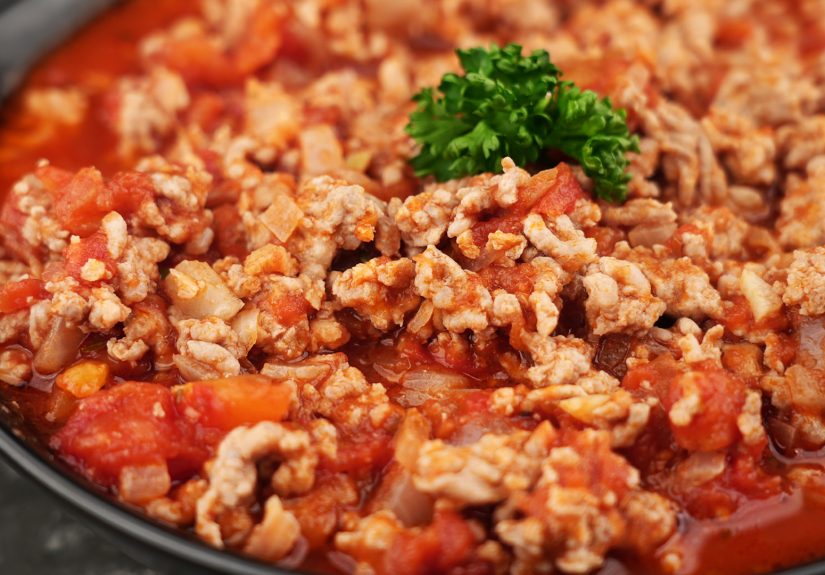
- Cook until the moisture evaporates. At first, the meat will release liquid. Keep cooking. Browning begins once that moisture cooks off.
- Break into the size you want. For tacos, go smaller. For pasta sauce, medium crumbles work nicely. For chili, chunkier pieces give a heartier bite.
- Drain excess fat if needed. Tilt the pan, spoon off the grease, or transfer the meat to a strainer over a heat-safe bowl. Do not pour grease down the sink unless you enjoy future conversations with a plumber.
- Cook until done. Ground beef, pork, veal, and lamb should reach 160°F. Ground poultry should reach 165°F.
For 1 pound of ground beef, stovetop cooking usually takes about 8 to 10 minutes, depending on pan size, heat level, and how crowded the meat is. If the pan is overloaded, the meat will steam instead of brown. When in doubt, use a larger skillet or cook in batches.
How to Keep Stovetop Mince Juicy
The biggest mistake people make is constant stirring. If you keep moving the meat around from the second it hits the pan, it never develops good color. Letting it sit briefly between stirs helps create browning and flavor. Another mistake is blasting lean mince over very high heat until it turns dry and crumbly enough to qualify as gravel. Medium-high heat is usually the sweet spot.
If your recipe includes onions, peppers, mushrooms, or garlic, you can either cook them first and set them aside, or brown the meat first and add the vegetables after the meat has developed color. Adding watery vegetables too early can slow browning.
How to Cook Mince in the Microwave
Microwave mince is not glamorous, but it is absolutely useful. It is fast, convenient, and surprisingly decent for meal prep, taco filling, quick pasta sauce, or any recipe where the meat will be mixed with a sauce or seasoning blend later. It will not produce the same rich browning as a skillet, but it can still get the job done without dirtying half the kitchen.
When the Microwave Makes Sense
- You need cooked mince quickly
- You are cooking in a dorm, office kitchen, or small apartment
- You plan to mix the meat into a strongly flavored dish
- You want an easy, lower-mess method for small batches
Step-by-Step Microwave Method
- Use a microwave-safe bowl or casserole dish. Choose one large enough for stirring without splashing.
- Break up the mince and spread it out. A flatter layer cooks more evenly than one giant meat brick.
- Add a small splash of water if needed. This is optional, but a tablespoon or two can help lean mince stay looser and easier to stir.
- Cover loosely. Use a microwave-safe lid set ajar or a vented cover to reduce splatter.
- Cook in short bursts. Start with 2 minutes on high, then remove and stir thoroughly. Continue in 1-minute intervals, stirring each time, until the meat is cooked through.
- Check doneness carefully. The meat should be evenly cooked with no raw spots, and ground beef should reach 160°F. Ground poultry should reach 165°F.
- Drain if necessary. Let the fat collect, then spoon it off or pour carefully into a heat-safe container.
Microwave timing varies a lot by wattage, container shape, and the amount of meat. For that reason, interval cooking is smarter than trusting one magic number. The microwave is also better for cooking thawed mince than for trying to rescue a frozen block the size of a small textbook.
Can You Cook Frozen Mince in the Microwave?
You can defrost mince in the microwave, but once you do, it should be cooked immediately. Never thaw meat on the counter. The safest thawing methods are in the refrigerator, in cold water, or in the microwave. If you use cold water or the microwave, cook the meat right away.
For the best texture, thaw the mince first, break it apart, then cook it. If the outer edges start to cook while the center is still icy, pause, separate the softened parts, and continue in shorter bursts. Microwave cooking rewards patience and stirring, not blind optimism.
Seasoning Tips That Make Mince Taste Much Better
Mince is a flavor sponge. That is excellent news, because it means you can send it in almost any direction. It is also dangerous news, because underseasoned mince tastes like regret. The secret is matching your seasonings to the final dish and adding them at the right moment.
Start with the Basics
At minimum, mince benefits from:
- Salt
- Black pepper
- Garlic powder or fresh garlic
- Onion powder or diced onion
That simple combination already gives you a solid base for rice bowls, pasta, baked potatoes, sloppy joes, or skillet meals.
Easy Seasoning Ideas by Flavor Style
For tacos or burrito bowls:
Chili powder, cumin, smoked paprika, onion powder, garlic powder, oregano, salt, and a pinch of cayenne. Add a spoonful of tomato paste or a splash of broth for a richer finish.
For Italian-style dishes:
Garlic, onion, oregano, basil, red pepper flakes, fennel seeds, black pepper, and a little tomato paste. This works beautifully for spaghetti sauce, lasagna filling, and stuffed peppers.
For burger-style or all-purpose beef:
Salt, pepper, Worcestershire sauce, garlic powder, and onion powder. Clean, savory, and dependable.
For Middle Eastern-inspired mince:
Cumin, coriander, cinnamon, allspice, black pepper, parsley, and onion. Great for rice bowls, flatbreads, and meat-stuffed vegetables.
For Asian-inspired bowls:
Garlic, ginger, soy sauce, scallions, sesame oil, and red pepper flakes. Add the soy sauce near the end so the meat browns first instead of steaming too soon.
When to Add Seasoning
Dry spices can go in once the meat has started browning. Wet ingredients like soy sauce, tomato sauce, salsa, or broth are better added after the meat has developed color. Otherwise, the pan gets crowded with moisture and your nicely browning mince turns into a simmering puddle.
If your mince tastes flat even after seasoning, it may not need more salt. It may need contrast. Try one of these:
- A splash of lime juice for tacos
- A bit of vinegar in a sloppy joe filling
- A spoonful of tomato paste for depth
- Fresh herbs at the end for brightness
- A pinch of sugar if the sauce tastes too sharp
Common Mistakes When Cooking Mince
1. Overcrowding the Pan
Too much meat in too small a pan leads to steaming. The mince gives off moisture, the pan cools down, and suddenly dinner looks gray and tired. Use a larger skillet or work in batches.
2. Stirring Too Much
Every second you spend stirring is a second the meat is not browning. Let it sit a bit. Browning creates the flavor you actually want.
3. Using Only Color to Judge Doneness
Color helps, but it is not a perfect safety test. Use a thermometer when needed, especially for larger batches. Ground beef should reach 160°F, and ground poultry should reach 165°F.
4. Forgetting the Final Dish
Not every recipe wants the same crumble size or fat level. Tiny dry crumbles might be great for tacos, but not so great for Bolognese. Think about where the mince is going next.
5. Rinsing Cooked Mince
Please do not do this. It washes away flavor, creates a mess, and does your sink no favors. Drain fat instead.
Kitchen Experience: What You Learn After Cooking Mince Again and Again
One of the most useful real-life lessons about cooking mince is that the recipe is rarely the hardest part. The harder part is reading the pan. In the beginning, a lot of people assume mince cooks in one simple stage: raw, then brown, then done. In practice, it has a whole little personality arc. First it hits the pan and looks promising. Then it releases moisture and starts looking pale and suspicious. Then you wonder if you are ruining dinner. Then, if you keep your nerve and let the water cook off, it finally browns and smells amazing. Learning to wait through that awkward middle phase is a genuine kitchen milestone.
Another common experience is discovering that mince behaves differently depending on the fat level. Richer beef browns beautifully and tastes like it already has a game plan. Very lean mince can go from “healthy and practical” to “why is this chewing like pencil shavings?” in a hurry. That is why many home cooks eventually learn to match the meat to the meal. A hearty chili, burger bowl, or taco skillet often benefits from a little more fat. A lettuce wrap or meal-prep lunch might do better with a leaner option. Experience teaches you that there is no single perfect mince, only the right one for the job.
The microwave also teaches humility. The first time someone cooks mince in the microwave, they usually expect either a miracle or a disaster. The truth lives in the middle. It is not going to give you deep skillet browning, and it is not going to win a beauty contest, but it can absolutely save dinner on a busy night. People who use it regularly learn to stir more often than they think they need to, cook in short bursts, and avoid overcooking the edges while the center catches up. It is less “chef’s table” and more “weekday survival,” and honestly, weekday survival deserves respect.
Seasoning is another area where experience changes everything. Early on, many people season mince the same way every time: salt, pepper, maybe garlic powder, done. Then one day they try cumin and smoked paprika for tacos, or fennel and oregano for pasta sauce, or ginger and soy for rice bowls, and suddenly the same basic ingredient starts showing range. That is when mince goes from backup plan to actual strategy. The big lesson is that flavor direction matters more than dumping in random spices and hoping for a personality to form.
Perhaps the most practical experience of all is learning when to stop cooking. Overcooked mince is one of the easiest kitchen mistakes to make because it does not scream for help. It just quietly gets drier, firmer, and less enjoyable while you answer a text or look for the cheese. With repetition, cooks learn to pull the meat once it is done, not once it has been thoroughly punished. That is especially true if the mince will cook again in sauce, casseroles, or stuffed vegetables.
Over time, cooking mince becomes less about strict rules and more about small instincts: choosing the bigger pan, waiting for the browning, draining only when necessary, adjusting the crumble size for the dish, and knowing when a splash of broth or spoonful of tomato paste will rescue the whole thing. It is simple food, but it rewards attention. And that may be the best thing about it. Mince is not fancy, but it is forgiving, adaptable, and always ready to become something better than it looked in the package.
Conclusion
If you want the best flavor, cook mince on the stovetop in a hot skillet and give it enough space to brown properly. If you need speed and convenience, the microwave can absolutely work, especially for quick meals and meal prep. Either way, seasoning is what turns basic cooked mince into something worth eating twice.
The smartest approach is simple: use the right heat, avoid overcrowding, season with purpose, and cook ground meat safely. Once you get those basics down, mince stops being just an ingredient and starts acting like the weeknight hero it was always meant to be.