Table of Contents >> Show >> Hide
- Why winter is the ultimate test for backyard birds
- 1) Serve a smart, high-energy winter menu
- 2) Provide liquid water (even when your yard is basically an ice cube)
- 3) Add shelter like you’re building tiny winter cabins
- 4) Plant (and leave) natural winter food like a year-round pantry
- 5) Make it safe: clean feeders, smart placement, fewer collisions
- A simple “Winter Bird Haven” setup (example you can copy)
- Conclusion: make winter easier, not wilder
- What it’s like when you actually do this (500-ish words of winter birding “experience”)
Winter turns your backyard into a survival game with feathers. Food gets scarce, water turns into a skating rink, and the wind has no chill (literally).
The good news: you can make your yard a cozy, snack-filled “Birdbnb” that helps local birds get through the cold monthsand gives you front-row seats to
the best reality show on TV: Backyard Birds: The Winter Season.
Below are five practical, bird-smart ways to transform your space into a winter bird havenwithout accidentally creating a mess, a disease hotspot,
or a buffet for every squirrel on the zip code map.
Why winter is the ultimate test for backyard birds
In winter, birds spend a lot of their day doing two things: finding calories and not becoming calories. Cold weather
increases energy demands, snow and ice can hide natural foods, and open water is harder to come by. When you provide reliable food, liquid water,
and safe shelter, you’re not “spoiling” birdsyou’re helping them bridge the toughest season with fewer risks and more options.
1) Serve a smart, high-energy winter menu
Think of winter feeding like packing a lunch for a long road trip: it should be calorie-dense, nutritious, and easy to access.
In cold weather, birds benefit from higher-fat foods that deliver more energy per biteespecially during cold snaps.
Build a “seed bar” with crowd-pleasers
- Black oil sunflower seed: If you only offer one seed, this is the dependable all-star. Many common feeder birds can crack it,
and it’s energy-rich without being fussy. - Nyjer (thistle) seed: Tiny seeds for tiny beaksgreat for finches and other small seed specialists.
- Safflower: A favorite for some songbirds; it can be a helpful option if you’re trying to fine-tune which birds hang around.
- White millet (best on a platform or ground tray): A big draw for ground-feeding birdsjust keep it clean and dry.
Add “winter rocket fuel”: suet, peanuts, and other high-fat options
Suet is basically the winter energy drink of the bird worldexcept it’s solid and doesn’t come in a neon can. Many birds digest animal fat well,
and it’s especially useful when insects are harder to find. Peanuts (unsalted) and certain suet blends can also be excellent cold-weather calories.
- Suet cakes in a wire cage are easy and widely used for winter feeding.
- Peanuts (dry-roasted, unsalted, shelled) can attract a fun mix of birds.
- Fruit bits can help tempt fruit-eating visitors when natural berries are buried under snow.
Match the feeder to the food (and the bird to the vibe)
Different feeders reduce waste and make it easier for different species to feed comfortably:
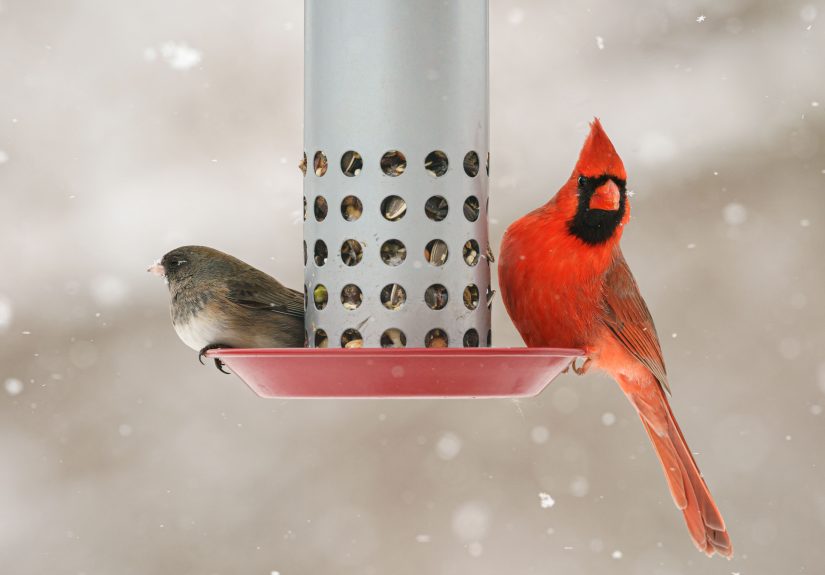
- Tube feeders: Great for small seeds (and keeping seed a bit drier).
- Hopper feeders: Good for mixed seed or sunflower, but require regular cleaning.
- Platform feeders: Fantastic visibility and accessibilityalso fantastic at collecting wet snow and droppings if you don’t maintain them.
- Suet cages: Purpose-built for high-fat feeding and a magnet for winter regulars.
Keep it fresh: avoid the “mystery seed casserole”
Winter moisture can turn spilled seed into a moldy mess. The simplest rule is: feed only what birds can finish before it gets wet,
and clean up old hulls and soggy leftovers. If seed looks clumpy, smells off, or seems damp for days, toss it. Your goal is a bird haven, not a science experiment.
2) Provide liquid water (even when your yard is basically an ice cube)
Food gets a lot of attention, but in many winter conditions, open water can be the real game-changer. Birds drink year-round,
and some species will bathe on cold days when conditions are right. The key is keeping water available without turning it into a popsicle.
The easiest solution: a heated birdbath (or a heater insert)
A thermostatically controlled heater can keep water from freezing and reduce the daily chore factor. Place the bath near protective cover
(like evergreen shrubs) so birds can duck into safetybut avoid tucking it so deep into dense brush that a predator could lurk undetected.
Winter water best practices
- Keep it shallow: A couple inches is plenty; birds aren’t training for an Olympic swim meet.
- Refresh regularly: Dump, rinse, refillespecially after messy days with lots of visitors.
- Scrub when needed: A stiff brush does wonders. Rinse thoroughly before refilling.
- Location matters: Don’t put water directly under feeders where droppings and seed debris fall in constantly.
If you don’t have a heater
You can still help by offering water at the warmest part of the day, swapping in fresh water once or twice daily, or breaking thin ice.
It’s more effort, but even a short window of access can be valuable during very cold stretches.
3) Add shelter like you’re building tiny winter cabins
Birds don’t just need food and water; they need places to get out of the wind, avoid predators, and conserve heat. In winter, shelter is energy.
The less time a bird spends battling wind and exposure, the more energy it has for finding food and making it through the night.
Use evergreens and dense shrubs as a windbreak
Evergreen trees and shrubs provide year-round cover. Dense plantings act like natural insulation, cutting wind and offering quick escape routes.
If your yard is open and breezy, adding structureevergreens, hedges, or layered plantingscan instantly make it feel safer to birds.
Build a brush pile (yes, “messy” can be wildlife-friendly)
A brush pile is basically a do-it-yourself shelter complex: branches, twigs, and leaf litter stacked in a corner create hiding spots and wind protection.
Many small birds feel safer with low cover nearby, especially in snowy weather.
Simple approach: lay thicker branches as a base, then stack smaller limbs and twigs on top. Place it where you don’t mind it looking a little rustic
think “woodland chic,” not “suburban perfection.”
Consider a roost box for overnight shelter
Nest boxes are famous for spring, but roost boxes are designed for cold-weather shelter. They typically have thicker walls, ventilation,
and interior space that helps birds conserve warmth. Even without a roost box, maintaining dense shrubs and evergreens offers similar refuge.
4) Plant (and leave) natural winter food like a year-round pantry
Feeders are helpful, but the long-term “bird haven” move is making your yard produce its own groceriesberries, seed heads, and the insects birds depend on
(directly or indirectly). Winter-friendly landscaping is less about perfection and more about leaving the good stuff standing.
Choose native berry and seed plants for your region
Native plants tend to support local food webs better than many ornamentals. Berry-producing shrubs and trees can feed birds when snow covers the ground.
A few well-known examples in many U.S. regions include:
- Winterberry holly: Famous for bright berries that persist into winter (and look great against snow).
- Serviceberry: Offers fruit that many birds appreciate and adds multi-season interest.
- Viburnums, dogwoods, and other fruiting natives: Often provide late-season berries.
- Sunflowers, coneflowers, asters (left standing): Seed heads can be a winter snack bar.
Tip: If you’re planting, aim for a mix of heights (trees, shrubs, perennials) and timing (plants that fruit or seed at different points).
That diversity helps more species across more weeks of winter.
Leave seed heads and “imperfect” garden areas
Cutting everything back in fall looks tidy, but it can remove natural food and shelter. Leaving seed heads, standing stems, and some leaf litter
can provide foraging opportunities and cover. If you want a compromise, “tidy” the most visible areas and leave the rest as a winter habitat zone.
Go easy on chemicals
Winter bird havens work best when your yard’s food chain stays intact. Heavy pesticide use can reduce insect populations and contaminate the broader habitat.
A lower-chemical approach supports the natural resources birds rely onespecially as spring approaches.
5) Make it safe: clean feeders, smart placement, fewer collisions
A true bird haven isn’t just attractiveit’s safe. Winter concentrates birds at food and water sources, which can increase disease risk
and accidents. A few small adjustments make a big difference.
Clean feeders (because “sharing” is not caring when it’s germs)
Bird feeding is helpful, but crowded feeders can spread illness if sanitation is ignored. A consistent cleaning routine protects birds and keeps seed fresher.
A common recommendation is cleaning about every two weeks in normal conditions, and more often during heavy use or when disease is suspected.
- Wash: Disassemble and scrub with hot water and a brush.
- Disinfect: Soak in a diluted bleach solution commonly recommended for feeder sanitation (then rinse thoroughly).
- Dry completely: Moisture encourages mold and bacteria.
- Clean the ground: Rake up hulls and wet seed beneath feeders; rotate feeding spots if possible.
If you notice sick birds (lethargy, fluffed-up appearance, crusty eyes, trouble perching), the responsible move is to take feeders down temporarily
to encourage birds to disperse, then clean thoroughly before putting feeders back up.
Use safer feeder placement to reduce predators and stress
Birds like to feed near coverbut not inside “surprise attack” territory. Place feeders near shrubs or trees for quick escape, while still giving birds
a clear view around the feeder. If neighborhood cats are active, prioritize elevated feeders and consider limiting ground feeding.
(And yes: keeping pet cats indoors is one of the biggest bird-safety wins.)
Prevent window strikes with simple changes
Windows can be a major hazard because birds may see reflections of sky and trees. To reduce collisions:
- Adjust feeder distance from glass: A commonly recommended strategy is placing feeders very close to windows (so birds can’t build up speed)
or far enough away that birds are less likely to fly toward reflections. - Add visible markings: Use exterior window decals, tape patterns, screens, or purpose-made bird-safe products.
- Manage night lighting: Reduce unnecessary exterior lighting at night when possible.
A simple “Winter Bird Haven” setup (example you can copy)
If you want a practical blueprint, here’s a balanced setup that works in many typical suburban yards:
- Feeder #1: Hopper feeder with black oil sunflower seed.
- Feeder #2: Tube feeder with nyjer for finches.
- Feeder #3: Suet cage hung near (but not inside) shrub cover.
- Water: Heated birdbath placed where birds have a quick escape route and you can easily clean/refill it.
- Shelter: A brush pile in a quiet corner plus a couple of evergreens or dense shrubs for wind protection.
- Safety: Window markings near the “bird activity zone” and a feeder placement that reduces collision risk.
Conclusion: make winter easier, not wilder
Creating a winter bird haven isn’t about doing everything perfectly. It’s about covering the basicsfood, water, shelter, and safety
in a way that’s consistent and clean. Start with one feeder and a water plan, add shelter with shrubs or a brush pile, and maintain hygiene so your help
doesn’t backfire. Do that, and your backyard won’t just look alive in winterit’ll feel like a thriving little ecosystem.
What it’s like when you actually do this (500-ish words of winter birding “experience”)
Here’s what many backyard birders notice once they put these five steps into motionespecially if they stick with it for a few weeks instead of
expecting birds to RSVP in 15 minutes.
First comes the “scout phase.” A couple of cautious birds show up, usually the bold regulars: chickadees that act like tiny daredevils, nuthatches
that appear to ignore gravity on principle, or juncos doing their polite ground-feeding shuffle. They don’t arrive with confetti; they arrive with
suspicious glances. You’ll see them land nearby, tilt their heads, and do the classic bird move: stare at the feeder like it owes them money.
Then the word gets out. It’s not a secret group chat (probably), but it can feel like it. Your “one or two visitors” turn into a rotating cast.
Cardinals might become your morning headline. Woodpeckers start showing up for suet like they’re clocking in for a shift. A small flock of finches
may treat the nyjer feeder as their personal espresso bar. And if you’ve added liquid water, you’ll have moments that feel almost absurdbirds lining
up to sip and bathe on a cold day, because open water is suddenly the VIP amenity in the neighborhood.
You also learn quickly that winter birding rewards consistency. If you refill at random, birds still comebut they may be less predictable, and you’ll
miss those “regular customer” patterns. When you keep seed fresh and available through a cold stretch, you notice routines: the early-morning rush,
the midday lull, the late-afternoon “last call” before sunset. It’s like running a tiny café, except your customers pay in joy and occasional poop.
Another very real experience: you become a cleaner person (or at least a person with a dedicated feeder brush). Winter moisture forces good habits.
Seed clumps? You’ll notice. A tray feeder getting gross? You’ll notice. The backyard bird haven that lasts is the one where you quietly do the unglamorous
maintenancedumping old seed, scrubbing feeders, rinsing bathsbecause cleanliness is part of being helpful.
You may also notice that birds act calmer when they have escape options. A brush pile, dense shrubs, or an evergreen nearby changes the whole vibe:
birds pop in, grab food, and zip back to cover. Without shelter, they can look exposed and twitchy, especially if hawks are in the area. With shelter,
the yard feels like it has “rooms” instead of just one big open stage.
Finally, winter birding has a sneaky side effect: you start paying attention. The birds force you to. You learn who prefers sunflower and who’s obsessed
with suet. You notice the day your local flock looks bigger after a snowstorm. You realize your yard isn’t just “outside”it’s habitat. And that’s the
best part of creating a winter bird haven: it turns a quiet season into a living, moving, surprisingly funny little community right outside your window.