Table of Contents >> Show >> Hide
- Why Nestlé’s 2026 predictions matter
- 1. “Swangy” and “Swavory” are the next evolution of heat
- 2. Texture is graduating from supporting role to headline act
- 3. Wacky flavor combinations are moving from gimmick to strategy
- 4. Build-your-own drinks are becoming a lifestyle, not a hack
- 5. Global coffee flavors are becoming part of everyday American coffee culture
- What these five Nestlé food and drink trends say about 2026 overall
- A longer look at the experience: what these trends feel like in real life
- Conclusion
Note: This article is written for web publication in standard American English and is based on real, current trend reporting and market signals surrounding Nestlé’s 2026 food and beverage predictions.
If you thought food trends had finally run out of dramatic new nicknames, 2026 would like a word. Actually, several words. Nestlé’s latest outlook suggests the next year in food and drink will be bolder, stranger, creamier, more customized, and much more globally inspired than the usual “just add hot honey and call it innovation” era. In other words, your pantry may soon feel like a flavor lab, your coffee bar may start acting like a dessert counter, and your favorite snack could come with a texture so extra it deserves its own close-up.
According to Nestlé’s 2026 trend forecast, the biggest shifts are not just about what tastes good. They are about how food feels, how drinks can be personalized, and how consumers increasingly want products that make everyday eating feel creative, indulgent, and just a little bit brag-worthy. The company’s five major predictions are: “swangy” and “swavory” flavor profiles, unforgettable texture, wacky flavor combinations, build-your-own drinks, and global coffee flavors.
And here is the interesting part: these ideas do not exist in a vacuum. Broader U.S. food and beverage reporting points in the same direction. Coffee data shows Americans are still willing to splurge on crafted drinks. Beverage trend research shows younger consumers are actively hunting for new flavors and customizing what they drink. Matcha, cold foam, layered beverages, and globally inspired coffee builds are all moving from niche fascination to everyday menu language. So while Nestlé may have packaged the trends neatly, the market has already started setting the table.
Why Nestlé’s 2026 predictions matter
Nestlé is not some tiny startup throwing flavor darts at a mood board. When a company with major reach across U.S. grocery, coffee, frozen foods, and pantry staples talks about where consumer taste is heading, it is worth paying attention. Its predictions matter not because they are magical fortune-telling, but because they reflect what large food companies, retailers, and restaurant operators are already seeing in real behavior: more adventurous palates, more interest in sensory eating, and more demand for products that feel customized rather than generic.
That helps explain why these five trends feel less like passing internet chaos and more like the next phase of mainstream eating. They sit at the intersection of social media, convenience, indulgence, and cultural curiosity. Basically, they are practical enough for grocery shelves but flashy enough for TikTok. That is the modern sweet spot, and yes, sometimes it is also a spicy-tangy-savory spot.
1. “Swangy” and “Swavory” are the next evolution of heat
What these terms actually mean
First came “swicy,” the now-familiar marriage of sweet and spicy. Nestlé says 2026 will push that formula into more layered territory. “Swangy” refers to spicy, sweet, and tangy flavors, while “swavory” blends spicy, sweet, and savory notes. Think less blunt-force chili sugar rush, more grown-up flavor stacking.
This makes sense. Heat is no longer just about intensity. Consumers increasingly want contrast, balance, and depth. Trade and research sources are pointing toward more tangy ingredients like tamarind and yuzu, as well as more umami-rich companions such as miso, black garlic, gochujang, and chili crisp. That means 2026’s spicy foods are likely to feel more nuanced than novelty-driven.
How it will show up on shelves and menus
Expect sauces, marinades, noodles, frozen meals, snack mixes, popcorns, dressings, and dipping formats to lean into this flavor math. A classic sweet chili sauce may get a tamarind twist. A barbecue glaze may pick up fermented depth. A spicy snack may start finishing with vinegar brightness instead of just waving a tiny red pepper icon at you and hoping for the best.
For brands, this trend is attractive because it refreshes familiar categories without alienating shoppers. People already understand spicy barbecue, honey heat, and sweet chili. “Swangy” and “swavory” simply stretch those expectations into more layered territory. That is smart product development: recognizable, but not boring.
Why this trend has legs
The American palate has become more comfortable with global flavor frameworks, and that opens the door to spice profiles that are not one-note. Consumers want excitement, but they also want flavor that feels intentional. A chip that tastes like chile-plum, a noodle bowl with smoky garlic heat, or a sauce that brings together fruit, acid, and fire all offer something more memorable than generic “extra hot.”
In short, 2026 may be the year spice got a personality upgrade.
2. Texture is graduating from supporting role to headline act
Taste is still important, but feel is becoming part of the crave factor
Nestlé predicts that unforgettable texture will be one of the biggest food and drink trends of 2026, and that feels exactly right. Consumers are no longer satisfied with something merely tasting good. They want creamy, crispy, airy, velvety, chewy, crunchy, layered, and foamy. Sometimes all in one bite, because apparently restraint is off the menu.
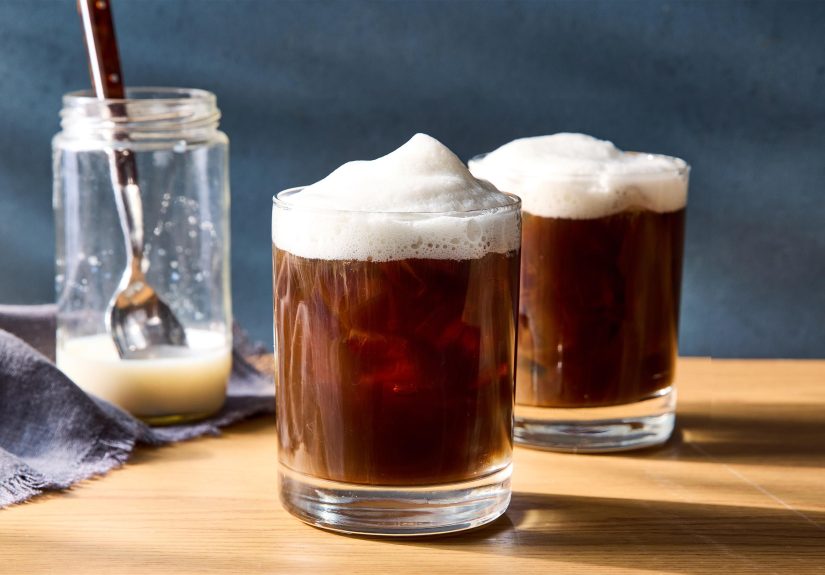
This is already visible across beverages and packaged foods. Cold foam continues to spread beyond plain coffee into teas, matcha drinks, flavored cold brews, and dessert-style beverages. On the food side, crispy crusts, creamy fillings, crackly toppings, and crunchy finishes are becoming selling points rather than afterthoughts. Technomic has also highlighted “crispy” callouts and dessert beverages as meaningful 2026 signals, which backs up Nestlé’s texture-first thinking.
Why texture matters emotionally
Texture gives food a physical identity. A creamy soup feels comforting. A shatteringly crisp pizza crust feels premium. A cold foam topper makes a basic iced drink feel more indulgent. Texture is one of the easiest ways for a brand to transform a routine item into an experience. That matters in a market where consumers are still price-aware and want their little treats to feel worth it.
Texture also photographs well, pours well, and performs well on social media. Layers, drips, crunch, foam, and gloss are all visually persuasive. Food is increasingly consumed with the eyes first, then the phone camera, then the mouth. It is a strange order, but it is the order we have.
What to expect in 2026
Look for more layered beverages, more airy toppings, more creamy-meets-crunchy pairings, and more product language built around mouthfeel. Even familiar foods will likely be reformulated or marketed around sensory payoff. In 2026, “delicious” may not be enough. Brands will want you to know whether something is pillowy, crackly, silky, whipped, or ridiculously crisp.
3. Wacky flavor combinations are moving from gimmick to strategy
Yes, weird is still winning
Nestlé’s third big prediction is that unusual flavor combinations will keep gaining ground. Not random weirdness for the sake of chaos, but smart weirdness: products that surprise consumers just enough to feel original. Think jalapeño lemonade, pickle-forward cocktails, s’mores-flavored coffee, or comfort foods remixed with an unexpected twist.
This trend is fueled by two powerful forces. First, younger consumers want novelty and self-expression. Second, brands need standout products in a crowded, expensive marketplace. Put those together and you get a steady stream of combinations that sound a little unhinged at first, then somehow become your new favorite checkout-lane mistake.
Why consumers are open to it
Today’s shopper is less interested in strict category rules. A beverage can borrow from dessert. A frozen pizza can act like a stunt launch. A coffee flavor can reference campfire, cereal milk, tropical fruit, or a beloved bakery case memory. The line between comfort and experimentation keeps getting blurrier, and that blur is where a lot of innovation lives.
Broader industry reporting supports this idea. Food trend watchers continue to point to mashups, playful menu items, and flavor collisions as reliable attention-grabbers. The important distinction is that 2026’s strongest weird products are likely to be rooted in something familiar. That familiarity gives consumers a safe entry point.
The sweet spot: weird, but not alienating
The best products in this category usually follow one simple rule: one foot in the known, one foot in the unexpected. S’mores coffee works because people understand both coffee and s’mores. A French-fry-style pizza crust works because the format is absurd, but the flavors still feel fun rather than hostile. That balance is what keeps weirdness commercially useful.
So no, 2026 is probably not the year your refrigerator becomes a science experiment. But it may be the year you stop acting surprised when a flavor sounds odd on paper and excellent in real life.
4. Build-your-own drinks are becoming a lifestyle, not a hack
Customization is now part of the drink itself
Nestlé expects build-your-own beverages to stay hot in 2026, especially in coffee, matcha, tea, and other cold drink categories. This is not just about adding vanilla instead of caramel. It is about beverages functioning as customizable platforms: base, foam, syrup, fruit, boba, spice level, sweetness level, protein boost, and decorative flair all becoming part of the normal order logic.
That lines up with broader beverage data. Keurig Dr Pepper has reported that younger consumers are particularly experimentation-driven, with large shares of Gen Z trying new beverages monthly and customizing them regularly. Starbucks has also continued investing in customization, from unsweetened matcha to premium chai controls and protein cold foam. In other words, the modern drink order increasingly looks like a mini design project.
Why consumers love this trend
Customization gives people ownership. It turns buying a beverage into making a beverage, even when someone else is technically doing the labor. That small feeling of control matters. In an era of algorithmic sameness, people like products that can still reflect mood, identity, diet goals, or plain old whim.
It also creates repeat business. A customer who can modify sweetness, choose foam, add flavor, swap milk, and stack toppings has more reasons to come back. One favorite drink becomes five slightly different favorites. That is catnip for coffee chains and grocery brands alike.
Where this goes next
Expect more ready-to-mix drink components for home use, more coffee creamers inspired by specific café builds, and more products designed to be “finished” by the consumer. A bottle of concentrate may be sold with the expectation that you will add a flavored foam, fruit, spice, or alternative milk. Convenience is still important, but passive convenience is losing ground to participatory convenience.
In plain English: consumers still want easy, but they also want to feel like they had a hand in the magic.
5. Global coffee flavors are becoming part of everyday American coffee culture
Coffee is getting more worldly
The fifth Nestlé prediction may be the most culturally significant: global coffee flavors are moving deeper into the American mainstream. Vietnamese-style coffee, Turkish-style coffee, horchata latte builds, café de olla inspiration, and other internationally rooted flavor formats are increasingly shaping how U.S. consumers think about coffee.
This trend is bigger than novelty. It reflects a broader appetite for flavor tourism, cultural curiosity, and beverages that feel more specific than generic “seasonal” offerings. It also overlaps with the rise of cold drinks, layered textures, and customization. A globally inspired drink can be adapted into a cold foam build, a creamer line, a RTD product, or a coffeehouse special without losing its identity.
Why coffee is such a powerful vehicle for trend adoption
Coffee is already ritualistic, emotional, and deeply habit-based. That makes it the perfect format for innovation that still feels familiar. Consumers may not radically reinvent dinner on a Tuesday night, but they will absolutely try a horchata-inspired shaken espresso, a coconut-topped cold brew, or a spiced, globally influenced latte if it promises comfort with a twist.
Market signals also support this direction. Coffee consumption remains strong in the U.S., specialty formats continue to matter, and cold beverages are reshaping how major chains innovate. Starbucks has emphasized that cold drinks now make up the majority of its beverage business, while matcha and globally inspired flavor platforms continue expanding. Even as some simpler coffee categories cool off, premium crafted beverages keep attracting interest.
What 2026’s coffee trend really says
This is not just about importing flavors. It is about widening the American definition of what a coffee experience can be. Spice, texture, ceremony, sweetness control, regional influence, and ingredient crossover are all becoming normal. The result is a coffee landscape that feels more expressive, more layered, and frankly more fun.
What these five Nestlé food and drink trends say about 2026 overall
Taken together, Nestlé’s predictions point to a food culture built around sensory payoff and personal agency. Consumers want flavor with dimension, texture with drama, drinks that feel tailored, and products that reflect a broader world of influence. They still care about convenience, but not at the expense of experience. They still want comfort, but not if comfort means boring.
That is why these five trends make so much sense as a package. “Swangy” and “swavory” reflect the move toward deeper flavor layering. Texture speaks to sensory indulgence. Weird combinations satisfy novelty cravings. Build-your-own drinks answer the need for self-expression. Global coffee flavors bring culture and curiosity into an everyday ritual.
Put all of that together, and 2026 starts to look like the year food got more interactive. Not just edible. Not just photogenic. Interactive. The consumer is no longer only tasting the trend; they are finishing it, customizing it, and posting it before lunch.
A longer look at the experience: what these trends feel like in real life
Imagine a pretty normal Saturday in 2026. You start the day thinking you want coffee, but “coffee” is now a broad and slightly dangerous category. Do you want a Vietnamese-inspired cold brew with cinnamon foam? A horchata-style shaken espresso? A matcha drink with fruit, cloud foam, and a sweetness level that says, “I am in control of my life,” even if your laundry pile says otherwise? This is exactly how these trends become real: they sneak into routine moments and quietly raise your standards.
At lunch, maybe you reach for a frozen meal, noodles, or a snack, and the flavor is no longer just spicy or cheesy or barbecue. It is tangy, smoky, lightly sweet, and a little fermented. It tastes layered, not loud. The food does not scream for attention. It sort of winks. That is the magic of the swangy-swavory shift. It makes mainstream food feel more interesting without demanding a graduate degree in regional condiments.
Then comes the texture piece, and honestly, this may be the hardest one to quit once it grabs you. A drink with a creamy cap. A pizza with a dramatic crust. A snack that crunches first, then melts, then leaves a spicy little echo. Texture changes whether something feels cheap, premium, comforting, or exciting. It can make a basic item feel upgraded even when the ingredients are familiar. Consumers do not always describe this in technical language, of course. They just say things like, “Why is this so good?” while continuing to eat it at cartoon speed.
The so-called weird flavors also make more sense in real life than they do in trend reports. Most people are not trying bizarre food combinations because they want chaos. They are trying them because the same old options get dull. A little surprise makes an ordinary grocery run more entertaining. It gives people something to talk about, photograph, compare, and revisit. A weird flavor that works feels like discovering a shortcut to delight. That is why these mashups travel so fast.
Customization, meanwhile, taps into something deeper than taste. It gives people a feeling of participation. Your drink is not just a product; it is a tiny performance of preference. Extra foam, less sugar, protein add-in, fruit layer, spice tweak, milk swap. None of these changes is huge on its own, but together they turn ordering into authorship. It is the edible version of choosing your own playlist instead of listening to whatever the store decided was “upbeat.”
And global coffee flavors may be the most enduring trend of all because they tie novelty to ritual. Coffee is daily. Coffee is emotional. Coffee is comfort wearing ambition like a nice coat. When those drinks begin carrying more influence from Vietnamese, Turkish, Mexican, Filipino, and other traditions, the result is not just trendiness. It is a broader, richer mainstream beverage culture. That is a big shift.
So yes, Nestlé’s 2026 predictions are trendy. But they are also believable because they match how people actually eat now: curious, a little indulgent, eager for control, and always willing to chase one more delicious surprise.
Conclusion
Nestlé’s five biggest food and drink trends for 2026 tell a clear story: consumers want more than simple flavor. They want contrast, texture, customization, and discovery. The foods and beverages that win in 2026 will likely be the ones that feel layered in every sense of the word, from taste to mouthfeel to cultural influence.
That means the future is probably not plain. It is swangy, foamy, globally inspired, a little weird, and built exactly the way the drinker wants it. Which, to be fair, sounds a lot more exciting than another sad beige snack trend. No offense to beige. It had a good run.