Table of Contents >> Show >> Hide
- Why Mat Rule’s Style Feels So Instantly Different
- What Makes These 37 Tattoos So Compelling
- The Formula Behind the Magic
- Why Viewers Love This Kind of Tattoo Right Now
- What Future Clients Can Learn From Mat Rule’s Work
- Why This 37-Piece Collection Feels Bigger Than a Gallery
- Final Thoughts
- Experiences Around Two-Style Tattoos: Why They Stay With People
- SEO Tags
Some tattoos whisper. Mat Rule’s tattoos absolutely do not. They stride into the room like they own the lease, the parking spot, and possibly your attention span for the rest of the afternoon. That is the magic of his work. At first glance, you see a tattoo that looks playful, polished, and oddly cinematic. Look again, and the trick becomes clear: two artistic styles are sharing the same piece of skin without fighting for custody.
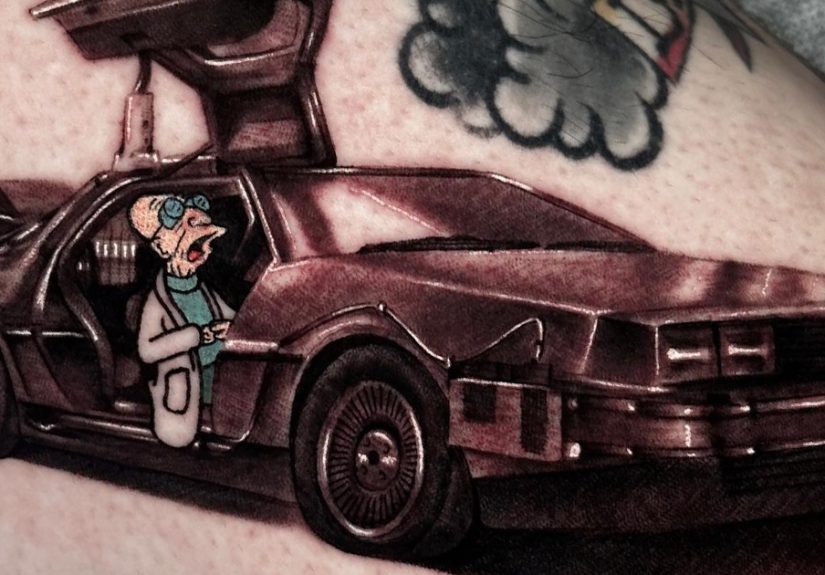
That balancing act is what makes this 37-piece collection so memorable. Rule has become known for hybrid tattoos that bring together black-and-gray realism and bright cartoon, pop-culture, or traditional-inspired elements. In other words, he takes two visual languages that should be arguing in separate corners and somehow gets them to harmonize like an extremely stylish band. The result is funny, technical, bold, and much smarter than the average “cool tattoo pics” roundup might suggest.
If you have ever wondered why these designs feel so fresh, why they stop people mid-scroll, and why this style works when lesser mashups can look like a visual food fight, this article is for you. We are diving into what makes Mat Rule’s approach special, why the contrast lands so well, what these tattoos reveal about modern tattoo culture, and what anyone considering a similar piece should know before they hand over their forearm to destiny.
Why Mat Rule’s Style Feels So Instantly Different
Plenty of tattoo artists are excellent at one lane. Some dominate black-and-gray realism. Some thrive in neo-traditional color. Some are cartoon specialists who can make animated characters look like they jumped directly out of a TV screen and onto your shoulder blade. What makes Mat Rule stand out is that he does not merely switch between styles. He fuses them inside the same composition.
That sounds simple until you think about the visual engineering involved. Realism depends on depth, shading, anatomical precision, and believable texture. Cartoon or pop-inspired work leans on exaggeration, graphic shape, flat or punchy color, and emotional clarity. One style says, “Observe the detail.” The other says, “Feel the punchline.” Rule’s work succeeds because he understands both languages well enough to let each do its job without watering the other down.
That is why these tattoos do not feel gimmicky. They feel composed. A grayscale portrait might anchor the piece with seriousness, while a bright cartoon character crashes into the scene like a joyful menace. A classical reference may bring weight and familiarity, while a pop-culture twist makes the image irreverent and alive. It is contrast with control, and that is much harder than it looks.
What Makes These 37 Tattoos So Compelling
They Use Contrast as a Feature, Not a Decoration
Great hybrid tattoos do not hide the difference between styles. They flaunt it. That is the whole point. In Mat Rule’s work, contrast becomes the engine of the design. Clean black-and-gray shading gives a piece structure and gravity. Bold color delivers motion, humor, and energy. Instead of blending everything into one safe, polished mush, he preserves the tension.
That tension is what makes the tattoos memorable. Your eye keeps bouncing between the realistic and the stylized, the serious and the absurd, the classical and the contemporary. It is a visual conversation, and the tattoo feels alive because both sides are clearly speaking.
They Tell Two Stories at the Same Time
Many of the strongest pieces in this kind of portfolio do more than show off technique. They tell a dual narrative. One part of the design may reference art history, portraiture, or lifelike anatomy. The other side might pull in a cartoon, meme-ready character, or playful distortion. Suddenly, the tattoo is not just a design. It is a joke, an homage, a remix, and a flex all at once.
That layered storytelling is a huge reason audiences connect with this work. You do not have to be a tattoo expert to get the appeal. The tattoos are accessible on the surface and richer on closer inspection. You can laugh at them, admire them, analyze them, and still find new details later. That is good art behavior, whether it is hanging in a gallery or living on somebody’s calf.
They Respect the Skin as a Real Canvas
Here is where the technical side matters. Skin is not a sketchbook, a tablet screen, or a museum wall with perfect lighting and no movement. Skin stretches. Skin heals. Skin has undertones, texture, and limits. A two-style tattoo can collapse fast if the lines are too fussy, the color zones are cramped, or the contrast does not hold up once healed.
Rule’s strongest pieces work because they are readable. He understands placement, visual hierarchy, negative space, and the importance of giving each style room to breathe. That is the difference between “wow, that is incredible” and “wait, what exactly am I looking at?” Tattoo art lives or dies on legibility, especially over time.
The Formula Behind the Magic
One of the most interesting things about Mat Rule’s process is that the design is not random chaos dressed up as creativity. The hybrid look comes from a deliberate order of operations. The realistic black-and-gray portion gives the piece weight and structure. The stylized portion injects attitude. Together, they create a tattoo that feels both grounded and surprising.
This matters because hybrid work can easily turn into a novelty act. If the realism is weak, the piece loses authority. If the cartoon side is timid, the contrast fizzles. If neither side relates compositionally, the tattoo feels glued together rather than designed as a whole. Rule avoids that by making sure both modes serve the same central idea.
That is also why his mashups feel more refined than simple “half-and-half” gimmicks. The best of them use expression, posture, texture, and silhouette to connect the two sides. The styles are different, but the tattoo still reads as one complete thought. That is a serious artistic achievement, even if the subject matter is gloriously weird.
Why Viewers Love This Kind of Tattoo Right Now
These 37 tattoos also hit a sweet spot in modern visual culture. People are drawn to work that blends references, moods, and eras. We live in a world where nostalgia, internet humor, fandom, fine art, and personal symbolism all coexist in the same scroll. Mat Rule’s work reflects that reality beautifully. His tattoos feel made for people who love both art history and cartoons, both polished technique and playful absurdity, both “this is meaningful” and “this is hilarious.”
That broader appetite for mixed visual language is not limited to one artist. Contemporary tattoo culture is full of clients looking for custom work that feels deeply personal rather than pulled from a wall sheet. Hybrid tattoos answer that demand because they allow more personality into the composition. A client does not have to choose between refined and ridiculous. They can absolutely have both. Frankly, that is the dream.
There is also something emotionally smart about these pieces. A realistic rendering can carry seriousness, memory, or admiration. A cartoon or stylized element can soften the mood, add irony, or keep the tattoo from feeling too heavy. The combination often makes the piece more human. It says, “Yes, I care about art, technique, and meaning. Also, I still enjoy being a little unserious.” Healthy attitude, honestly.
What Future Clients Can Learn From Mat Rule’s Work
Pick an Artist for Healed Work, Not Just Fresh Tattoos
Fresh tattoos can look amazing because everything is crisp, saturated, and brand-new. That does not always tell you how the piece will age. Anyone considering a hybrid tattoo should study healed photos whenever possible. A design that relies on contrast, fine detail, and selective color needs to hold up after the excitement and swelling are gone.
That is especially important with dual-style work, because one side can age differently from the other. If the color loses its punch or the black-and-gray portion becomes muddy, the entire balance of the piece can change. Smart clients do their homework. Smarter clients ask annoying but necessary questions. Be that person.
Think About Placement Like a Designer, Not a Pinterest Board
Placement is not a side quest. It affects how the tattoo reads, how it moves with the body, and how well the design survives daily life. A concept that sings on the thigh may wheeze on the wrist. A larger area gives realism room to breathe and stylized elements room to pop. A cramped placement can force too much detail into too little space, and then everyone loses.
The body part also influences fading and visibility. Areas with more friction or sun exposure can challenge the long-term sharpness of the design. If your dream tattoo depends on a strong contrast between grayscale depth and bright graphic elements, placement deserves serious thought.
Aftercare Is Not Boring. It Is Part of the Artwork.
Here comes the unglamorous truth: even the most brilliant tattoo can look rough if the healing process is mishandled. Proper aftercare matters. That means gentle washing, appropriate moisturizing, avoiding soaking, staying out of direct sun during healing, and not scratching or picking at the area just because your skin has decided to become dramatically itchy.
Long-term care matters too. Sun protection, skin health, and smart maintenance help keep contrast and color looking strong. If a tattoo is designed around visual tension, preserving that clarity is part of honoring the art. The appointment may end in a few hours, but good tattoo ownership is a long game.
Why This 37-Piece Collection Feels Bigger Than a Gallery
What makes this collection so satisfying is that it proves originality still matters in tattooing. In a field crowded with trends, duplicates, and algorithm-chasing aesthetics, Mat Rule’s work has a signature point of view. You can recognize the logic of the pieces almost immediately. That is not because the tattoos all look the same. It is because they are united by a genuine artistic idea.
And that idea is bigger than novelty. It is about seeing contrast as possibility. Realism does not have to stay solemn. Cartoon work does not have to stay lightweight. Fine-art references do not have to be dusty. Pop culture does not have to be disposable. In the right hands, these ingredients can sharpen each other.
That is why the 37 tattoos land so well. They do not merely merge two artistic styles seamlessly. They make the viewer feel that those styles were secretly meant to meet all along. When a tattoo can surprise you, entertain you, and impress you technically in the same moment, it has done more than decorate skin. It has made a case for itself as art.
Final Thoughts
Mat Rule’s hybrid tattoos are striking because they do not compromise. They let realism stay realistic, cartoons stay expressive, color stay loud, and composition stay disciplined. Across these 37 pieces, the pattern is clear: the best tattoos are not always the safest ones. Sometimes the most unforgettable designs come from letting two opposing ideas collide under the supervision of someone talented enough to keep the collision beautiful.
For viewers, the appeal is immediate. For artists, the lesson is deeper. Originality is not about being random. It is about making bold choices feel inevitable. Mat Rule’s work does exactly that. It takes the kinds of visual combinations that could have gone terribly wrong and makes them feel natural, witty, and weirdly elegant. Not bad for a medium that still gets underestimated by people who think tattoos begin and end with generic lions and clocks.
Experiences Around Two-Style Tattoos: Why They Stay With People
There is a reason tattoos like these live in people’s heads long after they close the browser tab. Hybrid tattoos create an experience before, during, and after the session that feels different from getting a more predictable design. Even the consultation tends to be more collaborative. Clients are not just choosing a subject; they are choosing a relationship between subjects, moods, and visual languages. That makes the planning phase more personal and, honestly, more fun. You are not saying, “I want a tattoo of this.” You are saying, “I want this idea to behave like two different things at once.” That is a much more interesting conversation.
The session itself can also feel special because the design reveals itself in layers. First comes the structure: the shading, the form, the realism, the part that gives the tattoo weight. Then comes the stylized interruption: color, exaggeration, attitude, mischief. Clients often describe that moment as the point where the tattoo suddenly clicks. It stops being a concept and becomes a personality. That is one of the joys of this kind of work. The piece does not merely appear; it unfolds.
Then there is the social experience. Two-style tattoos are conversation magnets. People notice them because their brains register the contrast immediately. Someone sees the realistic half first, then the cartoon element, then they do the little double take that says, “Wait, hold on.” That reaction is part of the tattoo’s charm. It gives the wearer a story to tell, whether the piece is rooted in humor, memory, fandom, or pure aesthetic chaos. In a world of instantly forgettable imagery, these tattoos tend to stick.
Living with one can be rewarding in quieter ways too. A hybrid tattoo often ages into a personal symbol more naturally than trend-based work because it already contains multiple moods. On one day it may feel funny. On another, artistic. On another, nostalgic. The tattoo grows with the wearer because it was never one-note to begin with. That range gives it staying power.
There is also something emotionally liberating about choosing a tattoo that refuses to act overly serious. Many people love art but do not want their body art to feel stiff or self-important. A two-style tattoo gives them permission to love technique and playfulness at the same time. It says taste can have range. It says sophistication and humor are not enemies. It says you are allowed to appreciate Michelangelo and still laugh at a ridiculous cartoon face sharing the same visual space.
That blend of craft and personality is why work like Mat Rule’s resonates so strongly. It turns a tattoo into more than a static image. It becomes an ongoing experience: one part art object, one part memory, one part conversation starter, and one part daily reminder that the best ideas are sometimes the ones bold enough to break their own rules.