Table of Contents >> Show >> Hide
- Why Tomato Plant Diseases Spread So Fast
- 1. Early Blight
- 2. Late Blight
- 3. Septoria Leaf Spot
- 4. Fusarium Wilt
- 5. Verticillium Wilt
- 6. Bacterial Spot
- 7. Bacterial Speck
- 8. Bacterial Canker
- 9. Anthracnose
- 10. Southern Blight
- How to Prevent Common Tomato Diseases Before They Start
- What Gardeners Commonly Experience With Tomato Diseases
- Conclusion
- SEO Tags
Tomatoes are the celebrities of the summer garden. They demand the best seat in the yard, soak up compliments when the harvest is good, and absolutely melt down when disease shows up. One week your plants look like they belong in a seed catalog. The next, the leaves are spotted, the stems are sulking, and the fruit looks like it lost a fight with a tiny, invisible villain.
If you grow tomatoes long enough, you will eventually meet a few troublemakers. Some tomato plant diseases start with a couple of innocent-looking leaf spots. Others move so fast they can turn a promising crop into a sad backyard cautionary tale. The good news is that many common tomato diseases follow predictable patterns. If you learn what the symptoms look like, what conditions help them spread, and how to respond early, you can save a lot of fruit and a lot of frustration.
This guide breaks down 10 common tomato diseases that can wreck your crop, plus practical prevention tips that actually work in home gardens. Think of it as a field guide for anyone who has ever stared at a tomato leaf and whispered, “Well, that does not look encouraging.”
Why Tomato Plant Diseases Spread So Fast
Tomatoes are vulnerable because they love the same conditions many pathogens love: warmth, moisture, dense foliage, and long growing seasons. Add splashing rain, overhead watering, crowded plants, infected seed, contaminated tools, or old plant debris left in the bed, and you have the perfect setup for trouble.
Many tomato diseases begin on lower leaves, where moisture lingers and soil can splash upward. Others live in the soil and enter through roots. A few ride in on insects, infected transplants, or even your hands and tools. That is why disease control is not just about spraying something and hoping for the best. It is about making your tomato patch less welcoming to the bad guys in the first place.
1. Early Blight
What it looks like: Small brown spots usually show up first on older leaves. As they enlarge, they often develop target-like concentric rings, with yellowing around the spots. Stems and fruit can also be infected.
Why it is a problem: Early blight can steadily strip a plant of foliage. Once the leaves drop, fruit is more exposed to sunscald, and the plant has less energy to ripen a good crop.
What to do: Remove infected lower leaves, mulch around plants to reduce soil splash, stake or cage plants for better airflow, and avoid overhead irrigation. Rotate crops and clean up old tomato debris at the end of the season. If you choose a variety with early blight tolerance or resistance, you start with a much better hand.
2. Late Blight
What it looks like: Dark, greasy, water-soaked lesions appear on leaves and quickly enlarge. In wet weather, you may see pale white growth around lesion edges, especially on the undersides of leaves. Fruit can develop large olive-brown to dark lesions.
Why it is a problem: Late blight is the tomato disease equivalent of a fire alarm. It spreads fast in cool, wet weather and can wipe out plants in a hurry. This is not the one to “wait and see” on.
What to do: Remove badly infected plants promptly, avoid composting diseased material, and watch local extension alerts when weather favors outbreaks. Good spacing and dry foliage help, but late blight is aggressive enough that sanitation and fast action matter most.
3. Septoria Leaf Spot
What it looks like: Tiny circular leaf spots begin on lower leaves. They usually have gray or tan centers with darker margins, and tiny black dots may appear in the centers. It often looks like someone flicked dirty water onto the leaves with surprisingly accurate aim.
Why it is a problem: Septoria rarely attacks the fruit directly, but it can defoliate plants badly. Less foliage means weaker plants, smaller harvests, and fruit more vulnerable to sun damage.
What to do: Prune lower leaves, keep foliage dry, mulch to reduce splash, and rotate away from tomatoes and related crops. Sanitation matters here because the pathogen can survive on infected plant residue.
4. Fusarium Wilt
What it looks like: Lower leaves droop, yellow, and wilt, often starting on one side of the plant. If you cut the stem lengthwise near the base, you may see brown discoloration in the water-conducting tissue.
Why it is a problem: Fusarium wilt is soilborne, which means it can hang around and ruin your plans long after your optimism has returned. Once a plant is infected, there is no miracle cure.
What to do: Pull and discard infected plants, avoid replanting susceptible tomatoes in the same spot, and choose resistant varieties. On seed packets, resistance is often marked with F or FF. Good drainage and healthy roots help, but resistant cultivars are the real MVP here.
5. Verticillium Wilt
What it looks like: Leaves yellow and wilt, often beginning low on the plant. Some leaves may show wedge-shaped yellow areas before turning brown. Symptoms can resemble Fusarium wilt, but Verticillium often develops in somewhat cooler conditions.
Why it is a problem: Like Fusarium, this is a soilborne wilt that interferes with water movement inside the plant. The result is gradual decline, lower vigor, and reduced fruit production.
What to do: Remove infected plants, rotate crops, and plant resistant tomatoes whenever possible. Look for the letter V on seed packets or plant labels. If your garden bed has a history of wilt diseases, resistance is not optional; it is your insurance policy.
6. Bacterial Spot
What it looks like: Small dark spots form on leaves, sometimes with yellow halos. Fruit may develop raised, scabby-looking lesions. Warm, wet conditions help this disease spread like gossip at a family reunion.
Why it is a problem: Heavy infection can cause leaf loss, fruit blemishes, and reduced yield. It is also frustrating because once bacterial spot gets established, control is difficult.
What to do: Start with clean seed or healthy transplants, avoid overhead watering, and never handle wet plants if you can avoid it. Remove infected material and improve air circulation. Copper-based products may help suppress spread, but prevention is much easier than rescue.
7. Bacterial Speck
What it looks like: Tiny black spots appear on leaves and fruit. On foliage, the spots can be more noticeable on the leaf undersides, and older lesions may develop yellow rings. On fruit, the specks are usually smaller and more superficial than the rougher lesions caused by bacterial spot.
Why it is a problem: Bacterial speck can reduce plant health and make fruit less appealing, especially if you were hoping for smooth, glossy tomatoes instead of produce with a freckles problem.
What to do: Treat it much like bacterial spot: use clean seed, avoid splashing water, mulch the soil, do not crowd plants, and remove infected debris. Since the pathogen can be seed-borne and survive on residue, sanitation is a big deal.
8. Bacterial Canker
What it looks like: Leaves may develop yellow to tan areas between veins, the margins may brown with a yellow border, and the whole plant can wilt or collapse. Stems may show cankers or internal browning, and the pith can look discolored or pitted.
Why it is a problem: Bacterial canker can move through transplants and become a serious issue in both gardens and production plantings. It is one of those diseases that can make a healthy-looking tomato plant suddenly seem deeply offended by life.
What to do: Use disease-free seed and transplants, sanitize tools and trays, remove infected plants quickly, and avoid working among wet plants. If you save seed, do not save it from infected plants. That is not thrift. That is disease sponsorship.
9. Anthracnose
What it looks like: This one mostly attacks ripe or overripe fruit. You will see round, sunken spots that darken in the center. In moist conditions, pink or salmon-colored spore masses may appear.
Why it is a problem: Anthracnose is sneaky because foliage can look fairly normal while fruit quietly develops rot. A tomato can seem fine until it ripens, and then suddenly it looks like it had a very bad afternoon.
What to do: Harvest fruit promptly, especially as it starts to ripen, and do not leave overripe tomatoes sitting on the plant. Remove infected fruit, rotate crops, and clean up plant debris. The longer ripe fruit hangs around in warm, wet weather, the better anthracnose likes it.
10. Southern Blight
What it looks like: Plants may wilt rapidly, and the stem near the soil line develops rot. In humid weather, white fungal growth can appear at the base, along with small tan to brown round structures that resemble mustard seeds.
Why it is a problem: Southern blight can kill plants fast, especially during hot, humid weather. Because it survives in soil, it can become a repeat offender in the same bed.
What to do: Pull infected plants, remove as much surrounding debris as possible, rotate to non-host crops when you can, and avoid repeatedly planting tomatoes in the same contaminated area. Good sanitation and crop rotation are your best long-term defenses.
How to Prevent Common Tomato Diseases Before They Start
If you only remember one thing, make it this: healthy tomato plants are easier to protect than sick ones are to save. Prevention is boring, yes, but it is the kind of boring that ends with sandwiches full of homegrown tomatoes instead of a compost bin full of regret.
- Plant tomatoes in full sun with enough spacing for airflow.
- Use mulch to keep soil from splashing onto leaves.
- Water at the base, not over the foliage.
- Prune lower leaves once plants are established.
- Rotate tomatoes and other nightshades out of the same bed when possible.
- Clean up diseased leaves, fallen fruit, and plant debris quickly.
- Disinfect tools, cages, and stakes between seasons.
- Choose disease-resistant varieties when seed packets offer them.
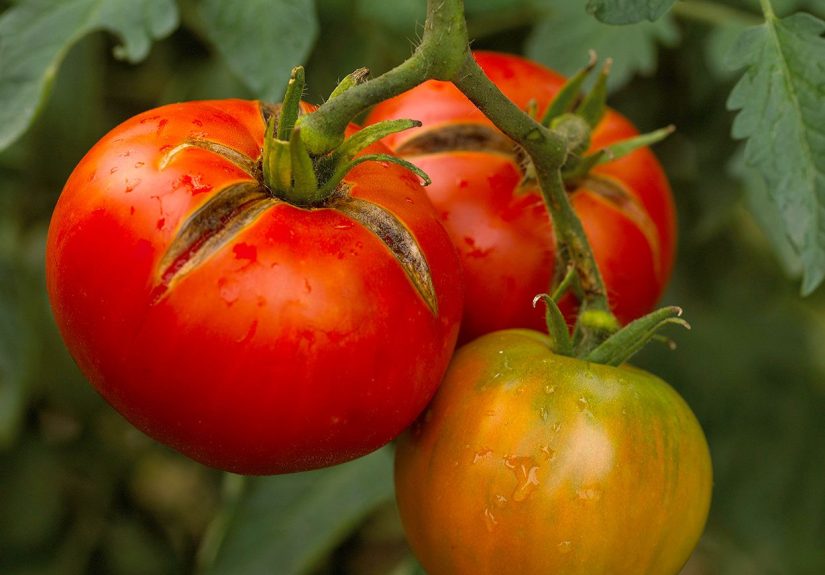
Also, do not confuse diseases with noninfectious disorders like blossom-end rot, cracking, or herbicide injury. Tomato plants are dramatic enough without misdiagnosing them.
What Gardeners Commonly Experience With Tomato Diseases
One of the most common experiences gardeners report is the false sense of security that comes early in the season. The plants are tall, green, and full of promise. Blossoms are setting fruit. Everything looks fantastic. Then a rainy stretch hits, humidity lingers, and the lower leaves start showing spots. At first, it seems minor. A few speckles do not feel like a crisis. But tomato diseases rarely send a formal invitation before they move in.
Many growers notice that the first real mistake is waiting too long to respond. A gardener sees yellowing leaves and assumes the plant just needs fertilizer. Another notices black specks and blames dirt splash. Someone else figures a wilted plant just needs more water, when in reality the problem is a vascular disease blocking water movement inside the stem. By the time the symptoms become obvious, a disease may already be well established.
Another common experience is confusing one disease for another. Early blight and Septoria leaf spot can look similar from a distance, especially when you are standing in the garden holding coffee and hope. Fusarium wilt and Verticillium wilt can also overlap in appearance. Bacterial spot and bacterial speck love to make gardeners squint suspiciously at leaves and fruit. That confusion is normal. What matters most is noticing the pattern: where the symptoms began, how fast they are spreading, and whether the fruit, foliage, or stems are affected.
Gardeners also learn, sometimes the hard way, that overhead watering is a terrible wingman for tomatoes. Many people switch to watering at the base only after a season in which leaf diseases spread like wildfire. The same goes for crowding plants. It is tempting to squeeze in “just one more tomato,” because optimism is a powerful gardening fertilizer. Unfortunately, crowded plants trap moisture, reduce airflow, and create a leafy little disease resort.
Experienced tomato growers often talk about how much difference small habits make. Mulching early, pruning lower leaves, staking plants properly, sanitizing pruners, and removing infected foliage quickly may not feel dramatic, but those routines consistently reduce disease pressure. So does harvesting fruit on time. Anyone who has dealt with anthracnose learns to stop leaving ripe tomatoes hanging around like decorative ornaments.
Perhaps the biggest shared experience is this: one bad tomato season can make you a much better gardener the next year. After losing plants to blight or wilt, people start reading seed packets more closely, paying attention to resistance codes, rotating crops more carefully, and acting faster at the first sign of trouble. In other words, tomato diseases are rude teachers, but they do teach. And when you finally make it through a season with healthy vines and baskets of clean, beautiful fruit, the victory tastes even sweeter because you earned every slice.
Conclusion
Tomato plant diseases can absolutely wreck a crop, but they do not have to wreck your whole season. The key is learning the difference between the usual suspects, catching symptoms early, and building simple prevention habits into your routine. Watch the lower leaves, keep foliage dry, clean up debris, rotate when you can, and choose resistant varieties whenever possible. Tomatoes may be a little high-maintenance, but they are worth the effort. And once you know how to spot the warning signs, you will be far less likely to let a few nasty pathogens turn your dream harvest into tomato tragedy.