Table of Contents >> Show >> Hide
- What postpartum belly wrapping actually is
- Why belly wrapping feels appealing after birth
- Potential benefits (the realistic kind)
- What belly wrapping will not do (sorry, internet)
- Risks and downsides to watch for
- How to use postpartum belly wrapping safely
- Choosing the right wrap: what to look for
- Who should consider postpartum belly wrapping (and who should skip it)
- The bottom line: should you try it?
- Experiences: What postpartum belly wrapping feels like in real life (the unfiltered version)
- Experience #1: “I had a C-section and the first stand-up was… a journey.”
- Experience #2: “I had a vaginal delivery, and my back was the one complaining.”
- Experience #3: “I thought it would fix my diastasis recti… and then I met a pelvic floor PT.”
- Experience #4: “I wore it too tight once and immediately understood my mistake.”
- Experience #5: “It helped my confidence… and that mattered more than I expected.”
Somewhere between your third “Is this normal?” Google search and your first “I forgot I made coffee”
moment, you’ll probably hear about postpartum belly wrapping. Maybe your friend swears it “held everything
together.” Maybe TikTok promised a “snatched waist in 10 days.” Maybe the hospital handed you an elastic binder
and you thought, “Oh, so we’re doing construction-core now.”
Here’s the honest take: postpartum belly wrapping (also called belly binding or wearing an abdominal binder)
can be a helpful comfort tool for some peopleespecially after a C-sectionbut it’s not a shortcut to weight loss,
it doesn’t “melt” your belly, and it won’t magically fix diastasis recti on its own. If you use it with realistic
expectations and good safety habits, it can be a solid, short-term sidekick while your body does the long-term,
incredibly impressive work of healing.
What postpartum belly wrapping actually is
Postpartum belly wrapping is any method of providing gentle compression and support around the abdomen and
sometimes the hips after giving birth. Traditional cultures have practiced variations of belly binding for centuries.
The modern versions are usually:
- Hospital abdominal binders (simple, wide elastic wraps commonly offered after surgery or C-section)
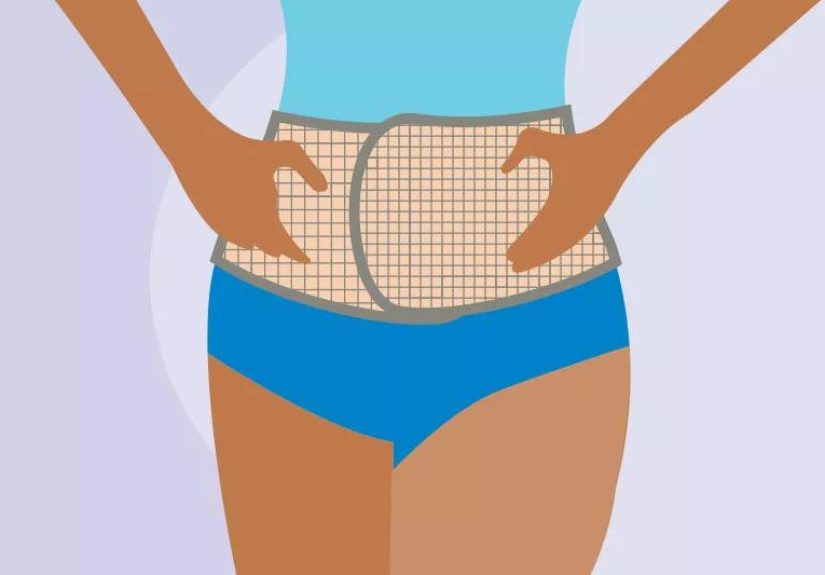
- Postpartum belly wraps (Velcro-style bands designed for support and adjustability)
- Compression garments (high-waisted shorts/briefs or postpartum shapewear with varying compression)
- Cloth wrapping techniques (long fabric wraps tied in layers; sometimes called “belly binding” in the traditional sense)
All of these aim to make your torso feel more supported during a time when your abdominal wall, connective tissue,
posture, and pelvic floor are adjusting. The goal is comfort and stabilitynot body transformation on a deadline.
Why belly wrapping feels appealing after birth
Pregnancy changes your core and posture in real, mechanical ways. Your abdominal muscles lengthen, your rib cage may
flare, your center of gravity shifts, and your ligaments become more flexible. After delivery, your body doesn’t
instantly snap back into placebecause you’re not a rubber band, you’re a person.
A supportive wrap can feel like a gentle “hug” around the midsection. For some, that snugness reduces the
wobbly, “everything is jiggling and I don’t trust my torso” sensationespecially when standing, walking, or
getting in and out of bed.
Potential benefits (the realistic kind)
The best-supported benefits of postpartum belly wraps are about comfort, function, and confidence.
Think: “I can move with less discomfort,” not “I have a new body by Friday.”
1) Support after a C-section
A C-section is major abdominal surgery. Many clinicians recommend or at least allow abdominal binders as part of
postpartum comfort and mobility. A binder can reduce the tugging sensation at the incision area when you cough,
laugh, stand up, or walk. Some research trials suggest binders may reduce distress and improve mobility after
cesarean delivery, though results across studies are mixedmeaning it helps many people, but it’s not guaranteed
for everyone.
2) Better posture (and less “new baby hunch”)
Feeding, rocking, contact naps, and the constant forward lean of baby care can turn anyone into a question mark.
A wrap can act like a posture remindersupporting your trunk so you’re not relying purely on tired muscles to stay
upright.
3) Temporary relief for back or pelvic discomfort
Some postpartum people feel less low-back strain with gentle abdominal support. This isn’t a cure for pelvic floor
dysfunction or pelvic girdle pain, but it can reduce the “everything feels unstable” sensation while you build
strength gradually.
4) Confidence in early postpartum movement
There’s a psychological component here that matters. Feeling “held together” can make walking, climbing stairs, or
even standing at the changing table feel more doableespecially in the first couple of weeks when your core feels
like it’s negotiating its return from vacation.
5) Comfort during daily activities
Some people like wraps for basic tasks: doing a gentle walk, wearing jeans again, or sitting upright to feed the
baby without feeling like their midsection is “pulling.” Used sparingly, that comfort can be genuinely valuable.
What belly wrapping will not do (sorry, internet)
It won’t cause weight loss
A wrap can change how you look under clothing temporarilylike shapewear does. But it doesn’t burn fat or speed up
metabolism. If anyone promises “instant fat loss,” that’s marketing, not physiology.
It won’t “shrink your uterus” faster
Your uterus naturally contracts and returns toward its pre-pregnancy size over time. Wrapping may feel supportive
during that process, but it isn’t the driver of involution.
It won’t fix diastasis recti by itself
Diastasis recti (abdominal muscle separation) is common in pregnancy and postpartum. A wrap can provide
temporary support and may make your core feel more stable, but long-term improvement usually comes from
a targeted rehab approachoften with guidance from a pelvic floor or postpartum physical therapist. The wrap is a
tool, not the treatment.
Risks and downsides to watch for
The biggest risks typically come from too much compression, too much time, or
using a wrap instead of rebuilding strength.
1) Too tight can cause problems
If you can’t breathe deeply, if you feel dizzy, if you get heartburn, or if your pelvic floor feels heavy or
pressured, it’s too tight. Over-compression can interfere with normal breathing mechanics and may increase downward
pressuresomething you don’t want when your pelvic floor is healing.
2) Skin irritation and discomfort
Heat, sweat, friction, and postpartum-sensitive skin can lead to rashes or chafing. Breathable fabric and good
hygiene matter. If you have tenderness, redness, or broken skin, pause and reassess.
3) Incision issues (especially after a C-section)
If you have signs of infection (increasing redness, swelling, warmth, pus, foul odor, fever) or your incision is
not healing well, don’t strap a wrap tightly over it. Some people use a soft layer between the binder and incision,
but your clinician should guide this if there are any concerns.
4) Over-reliance can slow true recovery
If a wrap becomes a crutch you wear all day, every day, for months, you may delay rebuilding your deep core and
pelvic floor coordination. Some medical sources caution against prolonged wear for this reason: muscles get the
message that the “external brace” is doing the job.
5) It’s not right for everyone
If you have certain postpartum complicationslike uncontrolled high blood pressure/preeclampsia concerns, excessive
bleeding, uterine or incision infection, significant breathing issues, or severe pelvic floor symptomsyou should
skip the wrap until you get medical guidance. When in doubt, ask your OB, midwife, or postpartum care team.
How to use postpartum belly wrapping safely
Step 1: Get the “green light” (especially after surgery)
If you had a C-section or complications, ask your clinician when to start and what type is appropriate. Many people
use a binder in the early postpartum window, but your specific healing timeline matters.
Step 2: Aim for “supportive snug,” not “vacuum sealed”
A good rule: you should be able to take a full breath into your ribs and belly, and you should be able to sit
comfortably without feeling like your organs are filing a complaint. If you feel numbness, tingling, pain, or
increased pelvic pressure, loosen it.
Step 3: Wear it for short stretches
Many postpartum folks do best with a few hours at a time, then a break. Consider using it during activities that
feel challenginglike a walk, cooking, or getting through a long feeding session uprightrather than wearing it
nonstop.
Step 4: Don’t sleep in it (unless your clinician says otherwise)
Sleep is when your body is already doing a lot of healing. Overnight compression can be uncomfortable and may
encourage shallow breathing. If you’re tempted to sleep in it because it feels “safer,” that’s a sign you might
benefit from reassurance and a rehab plan more than tighter gear.
Step 5: Pair it with recovery basics
- Gentle walking (as tolerated)
- Breathing + pelvic floor reconnection (think diaphragmatic breathing, gentle pelvic floor coordination)
- Posture resets (shoulders relaxed, ribs stacked over pelvis)
- Progressive core rehab (often starting with deep core activation, then building)
If you suspect diastasis recti or pelvic floor dysfunction, a postpartum pelvic health physical therapist can be
a game-changer. The wrap can help you feel better today; rehab helps you function better long-term.
Choosing the right wrap: what to look for
Comfort and adjustability
Your body changes quickly postpartum. Velcro/adjustable wraps let you loosen or tighten based on swelling,
incision sensitivity, and comfort. If it only has one tight setting, it’s not a support toolit’s a dare.
Breathable, washable materials
Postpartum life is sweaty and messy (beautifully, relentlessly messy). Choose something you can wash often and
that won’t trap heat.
Coverage that matches your needs
Some people prefer higher coverage (ribcage to hips) for stability; others want lower coverage to avoid pressure
near the ribs or incision. The “best” choice is the one that supports without irritating.
Avoid anything marketed as a “waist trainer”
If the product promises dramatic waist shrinking, extreme compression, or “detox,” it’s not postpartum-friendly.
Early postpartum is about healing tissues and restoring functionnot chasing a silhouette.
Who should consider postpartum belly wrapping (and who should skip it)
You might consider it if:
- You had a C-section and want gentle support during movement
- Your abdomen feels unstable and a wrap improves comfort for walking or standing
- You notice posture strain while feeding and want light trunk support
- You understand it’s temporary comfortnot a “body reset button”
Pause and talk to your clinician first if:
- You have incision concerns (infection, opening, significant tenderness)
- You have heavy bleeding, fever, or signs of postpartum complications
- You feel pelvic heaviness, bulging, or worsening urinary leakage with a wrap
- You have breathing issues, dizziness, or significant reflux when wearing compression
The bottom line: should you try it?
If postpartum belly wrapping makes you feel more supported, reduces discomfort, and helps you move with more
confidencethen yes, it may be worth trying. Keep the goal realistic: comfort, stability, and function while your
body heals.
But if you’re considering it because you feel pressured to “get your body back,” take a breath (a full oneno wrap
required). The postpartum body is not a problem to solve; it’s a body recovering from an Olympic-level event.
Use a wrap if it helps. Skip it if it doesn’t. And if anything feels off, let your healthcare team be your
tiebreaker.
Experiences: What postpartum belly wrapping feels like in real life (the unfiltered version)
Let’s talk about the part that rarely makes it into the “Top 5 Benefits!” lists: the actual lived experience of
wearing a postpartum belly wrap. Because the truth is, it’s not a magical garmentit’s more like a supportive
coworker who’s helpful during crunch time but annoying if they never go home.
Experience #1: “I had a C-section and the first stand-up was… a journey.”
Many parents who deliver via C-section describe the first few days as a mix of awe, exhaustion, and a new respect
for the simple act of sitting up. A binder can feel like a seatbelt for your coregiving you enough security to
shuffle to the bathroom without feeling like your midsection is going to stage a protest. One common theme is that
the binder doesn’t erase pain, but it can take the edge off movement-related discomfort. The best feedback usually
comes from people who wore it during “high-activity moments” (walking, stairs, changing positions) and then took it
off to rest and breathe normally.
Experience #2: “I had a vaginal delivery, and my back was the one complaining.”
Not everyone who loves a wrap had surgery. Some people use a belly wrap because their posture is wrecked from
feeding positions, baby wearing, and the constant forward lean of newborn care. They describe the wrap as a gentle
reminder to stack ribs over hips instead of collapsing into the classic “new parent hunch.” In this scenario, the
wrap can feel like training wheels: helpful while you rebuild strength, but you don’t want to be on them forever.
Experience #3: “I thought it would fix my diastasis recti… and then I met a pelvic floor PT.”
A very common arc goes like this: someone buys a wrap hoping it will “close the gap,” wears it constantly, then
realizes their core still feels weak when the wrap comes off. When they finally get assessed by a postpartum or
pelvic health physical therapist, they learn the wrap can offer temporary supportbut rehab is what restores
strength and coordination. People who have the best long-term outcomes tend to use the wrap as a short-term
comfort tool while they practice breathing, deep core engagement, and gradual exercise progressions. The wrap
becomes optional rather than essential.
Experience #4: “I wore it too tight once and immediately understood my mistake.”
Almost every “wrap user” has a story about going too tight at least once. It usually involves shallow breathing,
reflux, or that unsettling feeling of pressure down into the pelvis. The lesson people learn fast: postpartum
support should feel like a steady hand, not a wrestling move. Many report that the “right” tightness changes
throughout the daylooser after meals, looser when sitting, slightly snugger for a short walk, and definitely not
something they want on during a nap.
Experience #5: “It helped my confidence… and that mattered more than I expected.”
This part is real and valid: some parents feel emotionally steadier when their body feels supported. Postpartum can
be physically and mentally disorienting, and the sensation of being “held” can reduce anxiety about movement.
The healthiest version of this is when the wrap supports confidence without becoming a requirement. If you notice
you feel panicky without it, that’s not a failureit may be a cue to ask for more support: from your care team,
from a pelvic health professional, or from a recovery plan that helps you trust your body again.
Taken together, these experiences point to one simple truth: postpartum belly wrapping works best when it’s used
like a tool, not a rule. If it makes life easier, use it strategically. If it
makes symptoms worse, skip it. And if you’re unsure, get personalized guidancebecause your postpartum story is
not supposed to look like anyone else’s highlight reel.