Table of Contents >> Show >> Hide
- The short answer: It depends on your grass type
- How grass spreads: rhizomes, stolons, or clumps
- Which common lawn grasses will (and won’t) fill bare spots?
- Will it fill in on its own? A realistic timeline (aka “How patient are you?”)
- Why bare spots happen (and why they keep coming back)
- How to help grass reclaim the spot (step-by-step)
- Fast fixes vs. long-term fixes
- Common mistakes that keep spots bare
- FAQs homeowners ask (right after they ask “Is this grub damage?”)
- Real-World Experiences: What Actually Worked (and what absolutely did not)
- Experience #1: The Kentucky bluegrass lawn that healed… slowly
- Experience #2: Tall fescue didn’t spreadso seeding became the routine
- Experience #3: Bermudagrass filled bare spots like it was getting paid per inch
- Experience #4: The shaded spot that never stayed green (until they stopped fighting it)
- Experience #5: The “I did everything right” patch that failedbecause of timing
- Conclusion
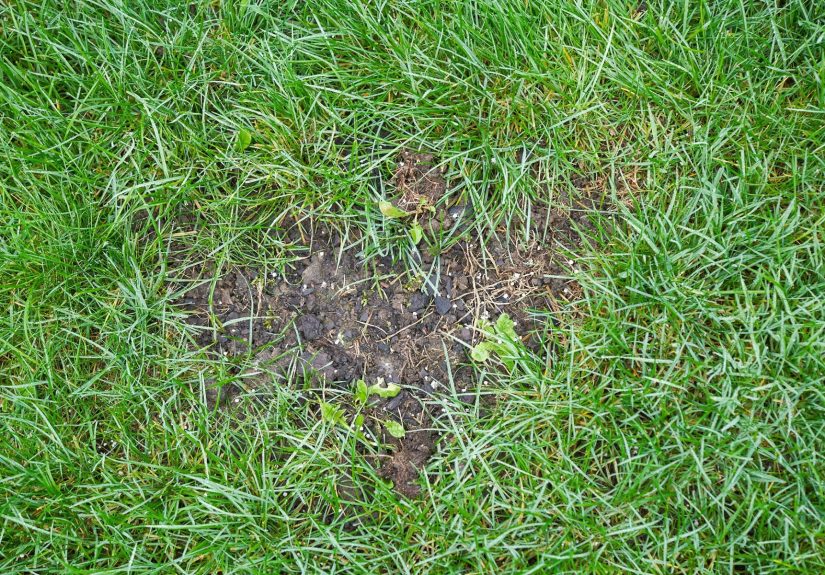
You’re staring at a bare spot in your lawn like it personally insulted your landscaping skills. Maybe it’s where the dog “signed” their name, where the kids played soccer like it was the World Cup, or where a lawn chair sat so long it basically paid rent. The big question: Will grass spread and cover those bare spots on its own… or are you about to become a weekend lawn surgeon?
Here’s the honest answer: sometimes. Grass can absolutely fill in bare patchesif you have the right type of grass and the bare spot isn’t being repeatedly “re-created” by shade, compaction, traffic, pests, or poor soil. Think of turf like a neighborhood: some grasses send out “new house” runners and expand; others stay in tidy clumps and don’t move unless you help them relocate.
The short answer: It depends on your grass type
Whether grass will spread into bare areas depends mainly on its growth habit: spreading grasses expand via runners (underground or aboveground), while bunch-type grasses grow in clumps and don’t naturally creep sideways to fill gaps.
How grass spreads: rhizomes, stolons, or clumps
1) Rhizomes (underground runners)
Rhizomes are underground stems that push outward and pop up new shoots. If you have a rhizome grass, it can slowly “knit” a lawn together, helping it recover from damage over time. Kentucky bluegrass is the classic cool-season example. That’s why it’s often described as more “self-repairing” than other northern lawn grasses.
2) Stolons (aboveground runners)
Stolons run along the soil surface like green extension cords, rooting as they go. Many warm-season lawns recover this way. Bermudagrass is the poster child here (and it can be impressively enthusiastic about spreading when it’s happy).
3) Bunch-type (clump-forming) grasses
Bunch grasses grow upward from a crown and expand mainly by getting thickernot by crawling outward. That means a bare spot can stay a bare spot unless you intervene with seed, sod, or plugs. Tall fescue is a common bunch-type lawn grass. So is perennial ryegrass in many mixes.
Which common lawn grasses will (and won’t) fill bare spots?
If you’re not sure what you have, check your seed bag, your sod invoice (if you can find it), or look for runners. Here’s a practical cheat sheet:
- Likely to spread and fill gaps (with time): Kentucky bluegrass (rhizomes), bermudagrass (stolons + rhizomes), zoysiagrass (spreads, usually slowly), St. Augustinegrass (stolons).
- Usually won’t fill gaps without help: Tall fescue (bunch-type), perennial ryegrass (bunch-type), many fine fescues (limited spread depending on type/conditions).
- Mixed lawns are “it depends”: Many lawns are blends. A mix with some Kentucky bluegrass may fill in some over time, but not like a full bluegrass lawn.
Will it fill in on its own? A realistic timeline (aka “How patient are you?”)
Even spreading grasses don’t repair bare spots overnight. They’re plants, not Photoshop. Timeline depends on the grass, the season, sun, moisture, and how big the bare patch is.
- Small thin areas: Spreading grasses may thicken noticeably within a growing season if conditions are good.
- True bare soil (no living turf edges nearby): Grass can’t “teleport.” It must creep from the edges, so the patch may take a long timesometimes a full season or moreespecially for slower spreaders.
- Warm-season grasses: Most aggressive spreading happens in warm weather when the grass is actively growing.
- Cool-season grasses: Best growth is typically in cooler, active periods (often spring and fall, depending on region).
If the bare spot is larger than a dinner plateor if you want it fixed this season, not “eventually”you’ll get better results by repairing it directly instead of waiting for the lawn to slowly negotiate a border expansion.
Why bare spots happen (and why they keep coming back)
A bare spot is usually a symptom. If you patch it without addressing the cause, you’re basically repainting a wall while the pipe is still leaking behind it.
Common causes
- Heavy traffic: Pet paths, kids’ play zones, gates, shortcuts, and “that one spot everyone walks through.”
- Compacted soil: Roots struggle, water can’t soak in, and seed has a hard time establishing.
- Shade: Grass needs light. In deep shade, even “shade-tolerant” turf may thin out.
- Water issues: Too little water dries it out; too much can encourage disease or shallow roots.
- Pet urine: Nitrogen burn in small concentrated areas (often rings or spots).
- Pests and disease: Grubs, fungal issues, or other turf problems can kill patches.
- Salt/chemical damage: De-icing salts, fertilizer spills, or herbicide misapplication.
The best repair job is the one you only have to do once. So before you seed anything, figure out what created the bare spot and whether it’s still happening.
How to help grass reclaim the spot (step-by-step)
Step 1: Stop the “lawn damage machine”
If the spot is caused by traffic, redirect it: add stepping stones, a small mulch path, or a simple barrier for a few weeks. If it’s a pet spot, water it down quickly after use and rotate bathroom zones if possible. If it’s shade, consider pruning (where appropriate) or switching that area to a shade-friendly groundcover or mulch bed. Yes, sometimes the best “grass fix” is admitting the site doesn’t want grass.
Step 2: Prep the area (seed-to-soil contact is everything)
Grass seed needs contact with soil to germinate well. For bare spots:
- Rake out dead grass, thatch, and debris until you see soil.
- Loosen the top 1–2 inches of soil with a hand rake or cultivator.
- Level lightlylow spots collect water; high spots dry out fast.
- If soil is hard like a parking lot, consider core aeration nearby or loosening the area more thoroughly.
Optional but helpful: mix in a thin layer of clean topsoil or compost to improve seedbed qualityespecially if the soil is poor. Keep it light. You’re making a seedbed, not frosting a cake.
Step 3: Choose the right repair method
Option A: Overseed/patch-seed (best for cool-season lawns and mixed lawns)
If your lawn is tall fescue, ryegrass, or a blend, seeding is usually the fastest, most reliable repair. Use a seed that matches your existing lawn as closely as possible (species and, if possible, cultivar type). Spread seed evenly, then gently rake it in so some seed is slightly covered and some is still visible.
Top-dress with a very thin layer of straw, peat alternative, or compost to retain moisture and protect seed from washing away. Then press it in (a lawn roller, a board, or simply stepping carefully) so the seed settles into contact with soil.
Option B: Plugs or sprigs (great for warm-season spreading grasses)
If you have bermudagrass, zoysia, or St. Augustine, plugs can be a smart move. You’re planting living turf pieces that can spread outward. Plugs work especially well when you repair during the grass’s active growing season.
Option C: Sod patch (fastest “instant lawn” fix)
Need it to look good quicklylike you’re hosting a backyard party or trying to sell your home? A sod patch gives instant coverage. Cut the bare area into a neat shape, loosen soil underneath, fit the sod like a puzzle piece, and water thoroughly. It’s the lawn equivalent of a bandage that also happens to be carpet.
Step 4: Water like you mean it (but don’t make soup)
New seed and young grass must stay consistently moist near the surface. The goal is moist soil, not puddles. A common approach is light watering once or more daily at first (depending on weather), then gradually watering less often but deeper as the grass establishes roots.
- Days 1–14 (typical): Keep the top layer of soil consistently moist.
- After germination: Reduce frequency and increase depth to encourage deeper rooting.
- Hot/windy weather: You may need more frequent light watering to prevent drying out.
Pro tip: If you see the soil surface crusting and turning pale, the seedbed is drying out. If you see standing water, you’re overdoing itand you may wash seed away or invite disease.
Step 5: Mow at the right time (yes, mowing helps)
Once new grass reaches mowing height, mow with sharp blades and avoid scalping. Don’t let the patch get “hair-metal long” because it can flop over and shade itself. Frequent, proper mowing encourages turf to thicken.
Fast fixes vs. long-term fixes
If you want results ASAP
- Sod patch: Instant green, higher cost.
- Plugs (warm-season): Faster than waiting for edge spread, slower than sod but cost-effective.
- Patch-seeding with topdressing: Affordable and effective, but needs watering consistency.
If you want fewer bare spots next year
- Fix compaction: Aerate when appropriate for your grass/season.
- Improve soil: Periodic light topdressing with compost can improve structure over time.
- Adjust mowing: Cutting too short stresses grass and exposes soil.
- Water smarter: Deep, infrequent watering (once established) encourages deeper roots.
- Choose the right grass for the site: Shade lawn in shade, sun lawn in sun. It’s not just a suggestion; it’s plant physics.
Common mistakes that keep spots bare
- Using pre-emergent herbicide too close to seeding: Many pre-emergents can prevent grass seed from germinating.
- Throwing seed on hard soil and hoping: Without soil contact, birds get a snack and you get disappointment.
- Overwatering: Seed washes away; seedlings rot; fungus throws a party.
- Underwatering: Seed germinates and then dries out right at the finish line.
- Seeding the wrong season: Timing mattersespecially with heat, drought, and weed pressure.
- Ignoring shade or traffic: You can’t out-seed a problem that’s still actively happening.
FAQs homeowners ask (right after they ask “Is this grub damage?”)
Can I just wait and let my grass spread naturally?
If you have a spreading grass and the bare spot is small, you can sometimes waitespecially if it’s just thin turf, not bare soil. But for larger patches, or bunch-type grasses, waiting usually means watching weeds move in first.
What if I don’t know my grass type?
Look for runners. Bermudagrass and St. Augustine often show obvious aboveground stolons. Kentucky bluegrass spreads by underground rhizomes, which can be harder to see, but it tends to form a dense sod and recover better than clump-forming lawns. If you have tall fescue, it typically looks like distinct clumps and won’t creep to fill gaps quickly.
When should I avoid seeding because of weed control products?
Many herbicides and especially pre-emergent products can interfere with seeding. Always read labels, but as a general rule: if you used a pre-emergent, you may need to wait weeks (sometimes longer) before seeding successfully. If you plan to seed soon, skip pre-emergent in the repair area and focus on a strong seedbed and mowing strategy instead.
Why do my bare spots turn into weeds?
Bare soil is an open invitation. Turf density is one of the best natural weed suppressors, so repairing quicklyand keeping grass healthyreduces future weed takeovers.
Real-World Experiences: What Actually Worked (and what absolutely did not)
Lawn advice is easy to read and harder to live. Here are a few real-world-style scenarios that mirror what homeowners commonly run intoand how the “will grass spread?” question plays out when weather, pets, and busy schedules enter the chat.
Experience #1: The Kentucky bluegrass lawn that healed… slowly
A homeowner in a cool-season region had a Kentucky bluegrass-heavy front yard and a recurring thin strip near the sidewalkclassic foot traffic. They assumed the grass would spread back, and it did… but only after two changes. First, they stopped scalping the lawn (raising mowing height), and second, they temporarily redirected traffic with two inexpensive stepping stones. Once the stress eased, the edges of the thin area thickened during active growth periods. The big lesson: spreading grass still needs conditions that let it spread. If the spot is constantly worn down, the grass never gets ahead. Also: the lawn looked better in “phases”not overnight. Think “slow renovation montage,” not “instant makeover show.”
Experience #2: Tall fescue didn’t spreadso seeding became the routine
Another homeowner had turf-type tall fescue and a dog who chose one favorite bathroom corner like it was a personal mission. They waited for the grass to fill in, but the bare patch stayed bare (and then became a tiny weed farm). The fix that finally worked was boring but effective: rake out dead material, loosen soil, patch-seed with a matching fescue blend, topdress lightly, and water consistently for a couple weeks. They also diluted the “hot spots” by watering the area right after the dog used it. The result: the patch filled inbut only because they planted new grass. Their takeaway was simple: with bunch-type grass, “spread” is mostly a myth unless you’re talking about weeds spreading.
Experience #3: Bermudagrass filled bare spots like it was getting paid per inch
In a warm-season lawn, a backyard bermudagrass area took a beating from summer hangouts and a kiddie pool. When the pool moved, the lawn looked like a tan rectangle had been stamped into it. But once temperatures stayed warm and the grass was actively growing, bermudagrass runners started creeping in from the edges. The homeowner helped it along by lightly loosening soil, keeping the area evenly moist (not soaked), and avoiding heavy foot traffic for a few weeks. The patch improved fastbut here’s the twist: it filled in best where the soil wasn’t compacted. Where the ground was hard, recovery lagged. So they aerated later and saw a much more even comeback the next season.
Experience #4: The shaded spot that never stayed green (until they stopped fighting it)
One of the most common “bare spot tragedies” is deep shade under mature trees. A homeowner kept reseeding the same shady area every year. It would look okay for a bit, then thin out, then die back again. Eventually, they tried the most effective lawn strategy nobody wants to hear: they stopped insisting it be grass. They created a clean-edged mulch bed with shade plants and a stepping-stone route. The yard instantly looked more intentional, and the cycle of patch-seed-disappoint-repeat ended. The moral: sometimes the question isn’t “Will grass spread?” but “Is grass even the right plant for this spot?”
Experience #5: The “I did everything right” patch that failedbecause of timing
Another homeowner did a textbook patch-seeding jobexcept they seeded right after using a weed preventer earlier in the season. The seed barely germinated. They assumed the seed was bad, bought more, and tried again. Same result. Only later did they learn that certain weed control products can interfere with grass seed establishment. Once they waited the appropriate window, the same method worked. Lesson learned: the best seedbed prep in the world can’t overcome product timing problems.
Across these experiences, the pattern is clear: spreading grasses can fill gaps, but only when the spot isn’t still “hostile,” and bunch grasses almost always need you to add new plants (seed/sod/plugs) to reclaim bare soil. The good news? Once you match the fix to your grass type and the cause, bare spots go from a recurring headache to a one-and-done project.
Conclusion
So, will grass spread and cover bare spots in your lawn? If you have a spreading grass (rhizomes or stolons), small thin areas can often recover naturallyespecially when you remove the cause and support healthy growth. But if your lawn is a bunch-type grass like tall fescue or ryegrass, bare patches usually won’t fill in without help. In most cases, the fastest path to a better-looking lawn is a simple combo: fix the underlying issue, prep the soil properly, choose the right repair method, and water consistently until the grass establishes. Your lawn doesn’t need perfectionjust a fair chance to win the fight against bare dirt and opportunistic weeds.