Table of Contents >> Show >> Hide
- The Many Reasons Your Eyes Turn Red
- 1. Allergies: The Classic Culprit
- 2. Dry Eyes: Not Enough Tears to Go Around
- 3. Eye Strain: The Digital Age Strikes Again
- 4. Conjunctivitis (Pink Eye): The Unwanted Guest
- 5. Contact Lenses: Great Vision, Tricky Habits
- 6. Environmental Irritants: Smoke, Wind, and Harsh Air
- 7. Lack of Sleep: Your Eyes Rat You Out
- 8. Subconjunctival Hemorrhage: Looks Scary, Usually Isn’t
- 9. Glaucoma: A Serious Cause of Redness
- Daily Habits That Might Be Making It Worse
- When to See an Eye Doctor
- How to Prevent Red Eyes
- 500-Word Experience Section: Real-Life Stories and Lessons Learned
- Conclusion
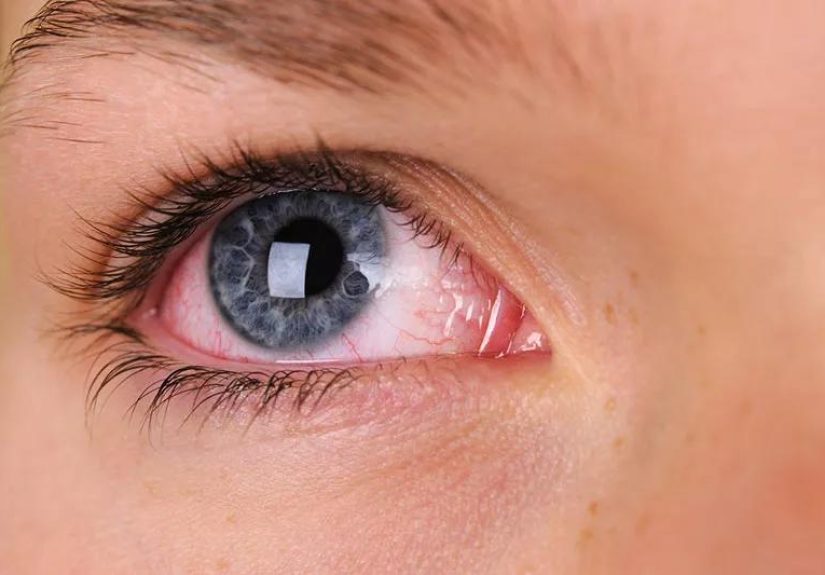
If your eyes seem to have adopted a permanent “I’ve-been-swimming-in-chlorine” look, you’re not alone. Red eyes are one of the most common complaints people bring to eye doctors right up there with “I swear I’m not tired” and “No, I wasn’t crying; it’s allergies.” Chronic redness can be annoying, uncomfortable, and occasionally a sign that your eyes are begging for a little more attention. Let’s dive into why your eyes might be glowing like mini traffic lights and what you can actually do about it.
The Many Reasons Your Eyes Turn Red
1. Allergies: The Classic Culprit
If the sides of your eyes itch like you’ve stared directly into a field of pollen, allergies might be to blame. Seasonal allergies, pet dander, dust mites, and mold can all trigger inflammation on the surface of the eye. When the immune system reacts, blood vessels expand and suddenly, your eyes look like they’ve been rubbing elbows with a tomato.
Common signs include itchiness, swelling, tearing, and sneezing. Over-the-counter antihistamine drops or oral medications often help, but if symptoms stick around, prescription options may be needed.
2. Dry Eyes: Not Enough Tears to Go Around
Dry eye syndrome is incredibly common, especially for people who spend long hours staring at screens (looking at you, Netflix binge-watchers and spreadsheet champions). When the eyes don’t produce enough tears or the tears evaporate too quickly the surface becomes irritated.
Symptoms include burning, stinging, blurry vision, and the uncanny ability to blink 34 times per minute without noticing. Dry eye relief may include artificial tears, humidifiers, omega-3 supplements, and scheduled screen breaks.
3. Eye Strain: The Digital Age Strikes Again
Staring at screens reduces blink rate dramatically. Fewer blinks mean fewer opportunities for tears to coat the eye which leads to redness, discomfort, and the universal experience of digging your knuckles into your eyelids at 3 p.m.
The 20-20-20 rule helps: every 20 minutes, look 20 feet away for 20 seconds. It feels silly, but so does having red eyes in every Zoom call.
4. Conjunctivitis (Pink Eye): The Unwanted Guest
Conjunctivitis sounds fancy, but it’s essentially inflammation of the conjunctiva the thin membrane covering the white of your eye. It can be viral, bacterial, or allergic. Viral pink eye often comes with watery discharge and spreads easily. Bacterial pink eye creates thicker, sometimes yellowish discharge. Allergic conjunctivitis tends to itch intensely.
If you wake up with your eyelids “glued” together, or if one eye looks like it ran a marathon while the other looks normal, it may be time to see a doctor.
5. Contact Lenses: Great Vision, Tricky Habits
Contact lenses are wonderful until they’re not. Wearing them too long, sleeping in them, or failing to clean them properly can irritate the surface of the eye. They can also trap bacteria, leading to infections that make redness look like mild sunburn by comparison.
If your eyes are red after lens use, check wear time, replace old lenses, and follow proper cleaning guidelines.
6. Environmental Irritants: Smoke, Wind, and Harsh Air
Sometimes your eyes turn red simply because the environment is rude. Cigarette smoke, strong wind, dust, chlorine, or even scented candles can irritate delicate eye tissues. If you’ve ever walked into a smoky room and felt your eyes launch into a full protest, you know exactly what this looks like.
7. Lack of Sleep: Your Eyes Rat You Out
Sleep deprivation doesn’t just make you cranky it makes your eyes look like you sprinted through a desert. The blood vessels dilate, moisture decreases, and your vision may blur slightly. The fastest remedy? Sleep. Yes, the boring, obvious answer you probably didn’t want.
8. Subconjunctival Hemorrhage: Looks Scary, Usually Isn’t
These occur when a tiny blood vessel breaks under the surface of the eye, leaving a bright red patch. It can look dramatic, but it’s typically harmless and resolves on its own within one to two weeks. Coughing, sneezing, or even laughing too hard can trigger it so yes, your eye might “burst a vessel” from a good joke.
9. Glaucoma: A Serious Cause of Redness
While most causes of red eyes are minor, acute angle-closure glaucoma is a medical emergency. Symptoms include sudden redness, eye pain, halos around lights, severe headache, and blurry vision. If these appear, seek immediate care.
Daily Habits That Might Be Making It Worse
1. Rubbing Your Eyes
It feels good in the moment, but rubbing releases histamines and increases inflammation making redness even worse. It also increases the risk of infections. Stop rubbing and switch to cool compresses or lubricating drops instead.
2. Not Cleaning Makeup Properly
Old mascara, eyeliner, and eyeshadow can clog glands and trap bacteria. Sleeping in makeup? Double trouble. Always remove makeup thoroughly and choose formulas labeled safe for sensitive eyes.
3. Overusing Redness-Relief Drops
Many over-the-counter “get the red out” drops contain vasoconstrictors. They work at first until rebound redness kicks in when the drops wear off. For chronic symptoms, switch to preservative-free lubricating drops or see an eye doctor.
When to See an Eye Doctor
If redness lasts more than 48–72 hours, comes with pain, light sensitivity, discharge, or sudden vision changes, consult a professional. Frequent or chronic red eyes often signal an underlying issue that requires proper diagnosis not just splashing water on your face and hoping for the best.
How to Prevent Red Eyes
1. Practice Good Screen Hygiene
Use the 20-20-20 rule, keep screens slightly below eye level, and consider blue-light filters. Take regular breaks and consciously remind yourself to blink more often.
2. Keep Your Eyes Moisturized
Artificial tears, humidifiers, warm compresses, and omega-3 fatty acids all help maintain moisture. Drink plenty of water, especially in dry climates.
3. Clean Your Environment
Use air purifiers, avoid smoke exposure, and regularly wash bedding and curtains to reduce allergens. Your eyes will thank you.
4. Care for Your Contacts
Don’t overwear lenses, replace them as recommended, and clean them properly. Switch to daily disposables if infections or irritation become frequent.
5. Get Enough Sleep
Seven to nine hours a night isn’t just good for your mood it gives your eyes time to recover. Your future selfies depend on it.
500-Word Experience Section: Real-Life Stories and Lessons Learned
Everyone who has dealt with chronic red eyes has a story. Maybe yours starts with a long night of work, or maybe it began the moment you adopted the world’s fluffiest (and most allergenic) cat. The good news? Almost everyone who solves their redness mystery ends up knowing more about their eyes than they ever expected.
Take Maya, for example. She spent months blaming her red eyes on lack of sleep understandable, since she was powering through graduate school on pure caffeine fumes. But after finally visiting an eye doctor, she learned she had unusually severe dry eye caused by long hours at the computer and a habit of barely blinking while concentrating. Once she started using artificial tears regularly and invested in a small desk humidifier, her eyes went from fire-engine red to normal human white within a week.
Or consider James, who loved wearing contact lenses. Loved them so much, in fact, that he sometimes “forgot” to take them out at night. After waking up one morning with eyes that looked like he’d lost a wrestling match with a jalapeño, he discovered he’d developed an early corneal infection. That experience turned him into a devoted, by-the-book lens cleaner. These days, he jokes that he treats his contacts better than his houseplants.
Then there’s Lila, whose eye redness always spiked during spring. She brushed it off as allergies but didn’t realize her eye makeup was also contributing. Once she switched to hypoallergenic products and made a habit of replacing her mascara more often than every Presidential election cycle, the redness practically disappeared. She now calls herself “an accidental eye-care influencer” among her friends.
Finally, we can’t forget about environmental triggers. Many people underestimate how much smoke, wind, or even air conditioning can irritate the eyes. Marcus, an avid cyclist, spent months battling chronic redness until a specialist explained that constant wind exposure was drying his eyes out. A pair of wraparound glasses solved the problem instantly and gave him unexpected aerodynamic street cred.
The takeaway? Red eyes are rarely random. There’s almost always a pattern, a trigger, or a habit behind them. The more you pay attention, the easier it becomes to pinpoint the source. Whether it’s dryness, allergies, infection, strain, or something more serious, understanding your eyes and giving them a little more TLC can make a world of difference. And hey, having bright, non-red eyes makes everything from selfies to morning meetings a bit more pleasant.
Conclusion
Red eyes happen to everyone, but constant redness shouldn’t be ignored. Whether it’s allergies, dryness, contact lenses, or lifestyle habits, understanding the cause is the first step to clearer, brighter, healthier eyes. Pay attention to your environment, treat your eyes kindly, and don’t hesitate to see a professional when something feels “off.” Your eyes work hard for you a little extra care goes a long way.