Table of Contents >> Show >> Hide
- What Are White Beans, Exactly?
- White Beans Nutrition Snapshot
- Health Benefits of White Beans
- Are White Beans Good for Weight Management?
- White Beans vs. Other Beans
- Best Ways to Eat White Beans
- Possible Downsides and Side Effects
- Tips for Getting More White Beans Into Your Diet
- Everyday Experiences With White Beans: What People Actually Notice
- Final Thoughts
White beans do not usually get the same spotlight as avocados, salmon, or whatever expensive superfood is having a social media moment. That is a shame, because white beans are one of the most useful foods in a normal kitchen. They are affordable, filling, shelf-stable, easy to dress up, and quietly loaded with nutrients that matter. In other words, they are the friend who shows up on time, helps you move, and never asks for gas money.
The term white beans usually includes several varieties, especially navy beans, cannellini beans, and great northern beans. They all bring a slightly different texture to the table. Navy beans are small and soft, cannellini beans are larger and meatier, and great northern beans land somewhere in the middle. Nutritionally, though, they are close cousins: rich in complex carbohydrates, plant protein, fiber, and important minerals.
If you want one simple reason to eat more white beans, here it is: they help turn an ordinary meal into one that is more satisfying, more balanced, and more budget-friendly. That is a lot of work for a humble bean.
What Are White Beans, Exactly?
White beans are part of the legume family. That puts them in the same big nutritious club as lentils, peas, chickpeas, and black beans. On a practical level, that means they are naturally low in saturated fat, free of cholesterol, and full of nutrients that support heart health, digestion, and steady energy.
They also fit into several eating styles without much drama. White beans work in Mediterranean-inspired meals, plant-forward diets, high-fiber eating patterns, and simple family dinners. You can blend them into soup, toss them into salads, mash them on toast, or fold them into pasta. They are incredibly adaptable, which is why people who “do not even like beans that much” often end up eating them anyway.
White Beans Nutrition Snapshot
While the exact nutrition depends on the type of bean and whether it is dried, cooked, canned, salted, or rinsed, white beans are generally known for delivering a strong mix of fiber, plant protein, folate, iron, potassium, and other minerals. A modest serving can add meaningful nutrition without a lot of saturated fat or added sugar.
In plain English, white beans usually offer:
- Plant protein that helps make meals more filling
- Dietary fiber that supports digestion and fullness
- Complex carbohydrates for steadier energy than heavily refined carbs
- Folate, a B vitamin important for cell growth and DNA production
- Iron, especially useful in plant-based diets
- Potassium, which supports muscle, nerve, and heart function
- Magnesium and other minerals that contribute to overall health
A half-cup serving of cooked beans often gives you about 7 grams of protein, and white beans are also a notable source of potassium. That makes them a smart ingredient when you want more staying power in a meal without relying only on meat or highly processed snack foods.
Health Benefits of White Beans
1. They are excellent for fiber intake
Most people know fiber is good for them in the same vague way they know they should floss more. White beans make fiber easier to eat in real life. The fiber in beans helps add bulk to the diet, supports regular bowel movements, and can help you feel full longer after meals.
That matters because fullness is not just a nice bonus. It can shape your whole day. A lunch with white beans, vegetables, and a whole grain is more likely to keep you satisfied than a lunch built around refined carbs alone. Translation: fewer random kitchen visits an hour later.
2. They may support heart health
Beans have long been associated with heart-healthy eating patterns. Part of the reason is their fiber content, especially soluble fiber, which can help support healthy cholesterol levels. White beans are also naturally low in saturated fat, which makes them an appealing swap for some higher-fat animal proteins in soups, stews, casseroles, and spreads.
For example, a creamy white bean soup can deliver comfort-food energy with far less saturated fat than a heavy cream-based soup loaded with sausage. You still get richness, but your heart does not have to file a formal complaint.
3. They can help with steadier blood sugar
White beans contain carbohydrates, but they are not in the same category as candy, soda, or a sad vending-machine pastry. Their combination of fiber, protein, and slowly digested starch can help support more gradual digestion and a steadier rise in blood sugar compared with refined carbohydrates.
This is one reason beans often show up in diabetes-friendly eating advice. They bring carbs, yes, but they also bring structure. Beans are less likely to behave like a sugar rocket and more likely to act like a slow-release energy source.
4. They are a strong plant-based protein option
White beans are not trying to impersonate steak, and honestly, they do not need to. Their value is that they offer a practical, affordable protein source that works in everyday meals. Pair them with whole grains, vegetables, nuts, seeds, or lean proteins and you have a meal that feels complete without costing a fortune.
This is especially useful for people who want to eat less meat without feeling like dinner has turned into a side dish. White beans make salads heartier, pasta more balanced, and grain bowls far more satisfying.
5. They provide important vitamins and minerals
White beans are especially worth noticing for their folate, iron, and potassium content. Folate plays an important role in making DNA and supporting cell division. Iron helps move oxygen through the body, and white beans are one of the better plant-based sources. Potassium supports proper muscle and nerve function and is part of a healthy eating pattern for heart health.
Because bean-based iron is nonheme iron, it is smart to pair white beans with vitamin C-rich foods to help your body absorb more of it. A squeeze of lemon, chopped tomatoes, bell peppers, or a citrusy vinaigrette can all help. That is not fancy nutrition wizardry. It is just a good excuse to make your food taste better.
6. They may support gut health
Beans contain forms of fiber and resistant starch that can help feed beneficial gut microbes. Your digestive system is home to a huge microbial community, and those microbes tend to appreciate plant foods far more than they appreciate a steady stream of ultra-processed snacks.
White beans are not a miracle food, but they are a practical one. Eating them regularly as part of a varied diet can help build a stronger fiber habit, and that habit is what usually matters most.
Are White Beans Good for Weight Management?
White beans can be helpful in a weight-management eating plan because they bring two things many meals are missing: satiety and substance. Fiber and protein work together to help you feel fuller, which can make it easier to stay satisfied between meals.
This does not mean beans magically “burn fat,” because that phrase belongs in late-night infomercials and nowhere near evidence-based nutrition. What they can do is make meals more satisfying, which often supports better eating habits over time. A bean-and-vegetable chili, for instance, tends to be far more filling than a bowl of plain refined pasta with butter.
White Beans vs. Other Beans
All beans bring something good to the table, but white beans have a few personality traits that make them stand out:
- Milder flavor: Great for people who find darker beans too earthy
- Creamier texture: Ideal for soups, dips, and spreads
- Easy to blend: They disappear beautifully into sauces and purées
- Versatility: They work in Italian-style dishes, American comfort foods, and simple pantry meals
If black beans are bold and pinto beans are cozy, white beans are the quiet overachiever. They slide into meals without causing a scene, which is exactly why so many cooks love them.
Best Ways to Eat White Beans
Dried white beans
Dried beans are economical and let you control texture and sodium. They do take planning, though. Most need soaking and proper boiling before eating.
Canned white beans
Canned beans are the weeknight hero. They are already cooked, convenient, and perfectly respectable. Choose low-sodium or no-salt-added versions when possible, and rinse and drain them to cut some of the sodium.
Easy meal ideas
- White bean soup with garlic, onion, kale, and olive oil
- Cannellini bean salad with tomatoes, cucumber, parsley, and lemon
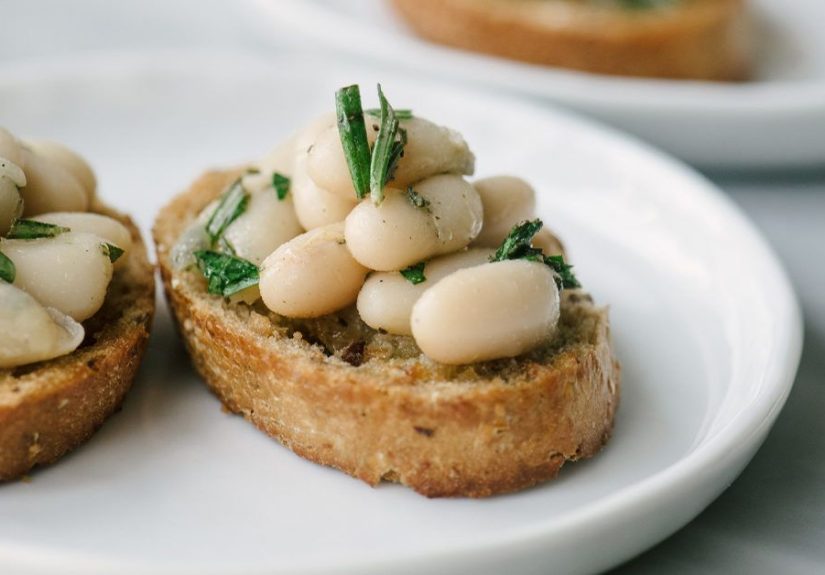
- Mashed white beans on toast with roasted vegetables
- Pasta with white beans, spinach, and a light broth-based sauce
- Blended white bean dip with garlic and herbs
- Bean chili with vegetables for a high-fiber dinner
Possible Downsides and Side Effects
White beans are healthy, but they are not always smooth sailing for every stomach.
Gas and bloating
This is the downside everyone thinks about first, usually with the maturity level of a middle-school lunch table. Beans can cause gas because they contain fibers and carbohydrates that are fermented in the gut. If you are not used to eating much fiber, jumping from zero beans to a giant bowl of bean chili can be a digestive plot twist.
The fix is simple: start with smaller portions, drink enough water, and increase fiber gradually. Soaking dried beans and rinsing canned beans may also help some people tolerate them better.
Sodium in canned beans
Canned white beans can be high in sodium depending on the brand. That does not mean canned beans are bad. It means the label matters. Look for low-sodium options and rinse them well before using.
Undercooked dried beans
Dried beans need proper preparation. Some raw or undercooked beans contain naturally occurring compounds called lectins. These are greatly reduced by proper soaking and boiling. Canned beans are already cooked, which is one reason they are such a handy option.
Not ideal for every medical diet
Some people with digestive disorders, medically prescribed low-fiber diets, or conditions that affect stomach emptying may need to limit beans or choose them carefully. Anyone with kidney disease or another medical condition that affects potassium intake should also ask a healthcare professional how beans fit into their eating plan.
Tips for Getting More White Beans Into Your Diet
- Start small. Add a few spoonfuls to soup or salad before moving to full servings.
- Use canned beans for convenience. A quick rinse saves time and can help lower sodium.
- Blend them into familiar foods. White beans disappear nicely into soups and sauces.
- Pair them with acidic ingredients. Lemon juice, vinegar, and tomatoes brighten flavor and work well with bean-based iron sources.
- Build meals around them. Instead of treating beans like an afterthought, let them be the base of a grain bowl, stew, or salad.
Everyday Experiences With White Beans: What People Actually Notice
White beans are one of those foods that often become more impressive the longer they stay in your kitchen. At first, they may seem a little plain. Then suddenly they are in your lunch soup, your salad, your pasta, your dip, and somehow your grocery budget looks less dramatic. That is a real-world benefit people notice quickly: white beans stretch meals without making them feel skimpy.
One common experience is that white beans make “healthy eating” feel less like a punishment. A lot of nutrient-dense foods sound noble but eat like cardboard. White beans are different. They have a creamy texture and mild flavor, so they blend into meals without taking over. People often discover that adding cannellini beans to vegetable soup or pasta makes the meal feel richer and more satisfying, not more restrictive.
Another very normal experience is the convenience factor. On busy weeknights, canned white beans are the kind of ingredient that saves dinner from becoming toast and regret. You open a can, rinse the beans, toss them into a skillet with garlic, greens, and olive oil, and suddenly the meal has protein, fiber, and structure. That ease matters. Good nutrition is much more likely to happen when it fits real life.
For people trying to eat less meat, white beans are often one of the easiest first steps. They do not mimic meat exactly, but they help close the satisfaction gap. A tomato-based pasta with white beans and spinach tends to feel more complete than pasta alone. A blended white bean spread on toast with roasted vegetables can feel hearty enough for lunch instead of like a snack pretending to be a meal.
Families also tend to like white beans because they are less intense than some other legumes. Kids or picky eaters who reject stronger bean flavors sometimes accept white beans in soups, mashed fillings, or creamy dips. The bean is there, doing its nutritional job quietly, while everyone acts like the garlic and herbs deserve all the credit.
There is also the honest digestive experience. People who are new to beans sometimes notice gas or bloating at first. That does not mean white beans are “bad” for them. More often, it means their fiber intake went from sleepy to ambitious overnight. When portions increase gradually, many people find their digestion adjusts. It is not glamorous, but it is useful to know before you go from zero beans to three bean burritos in one weekend.
Meal preppers appreciate white beans for another reason: they age well in the fridge. A pot of cooked beans or a couple cans of rinsed beans can become several different meals over a few days. Monday’s white bean soup can turn into Tuesday’s grain bowl and Wednesday’s salad topper. That kind of flexibility helps reduce food waste and keeps meal planning from feeling like a full-time administrative job.
In the end, the biggest experience people report with white beans is simple: they make healthy meals easier. They are not flashy. They are not trendy. They are just dependable, affordable, filling, and surprisingly versatile. Sometimes that is exactly what good food is supposed to be.
Final Thoughts
White beans deserve more attention than they get. They are nutrient-dense, affordable, pantry-friendly, and flexible enough to work in everything from soups and salads to dips and pasta dishes. Their mix of fiber, plant protein, folate, iron, and potassium makes them a smart addition to many eating patterns.
They are not magic, and they do not need to be. White beans are simply a strong everyday food that helps make meals more satisfying and more nutritious. In a world full of expensive nutrition hype, that is refreshingly useful.