Table of Contents >> Show >> Hide
Fiber is one of the most talked-about nutrients when it comes to health, but what exactly does it do for your body? From weight loss to improved digestion, fiber is a powerful component in our diet that offers numerous benefits. Whether you’re trying to lose weight, improve your digestion, or enhance your overall health, adding more fiber to your diet can make a significant impact. In this article, we’ll explore the many benefits of fiber, how it works, and how you can easily increase your fiber intake.
What Is Fiber?
Fiber is a type of carbohydrate that the body cannot digest. Unlike other carbohydrates that break down into sugar molecules and provide energy, fiber passes through the digestive system mostly intact. There are two main types of fiber: soluble and insoluble. Soluble fiber dissolves in water and forms a gel-like substance in the digestive tract, while insoluble fiber doesn’t dissolve and adds bulk to stool. Both types are essential for good health, and we need them both in our diet.
The Role of Fiber in Weight Loss
One of the most well-known benefits of fiber is its ability to support weight loss. Fiber helps keep you feeling full for longer, reducing overall calorie intake. When you eat fiber-rich foods, they absorb water and expand in your stomach, making you feel satisfied without overeating. This can help with portion control, making it easier to stick to a healthy eating plan.
Moreover, fiber-rich foods often take longer to chew, which means you’ll eat more slowly and give your body time to signal when you’re full. This can help prevent overeating, which is a common cause of weight gain. Some studies suggest that people who consume more fiber have a lower body mass index (BMI) and a reduced risk of obesity.
High-fiber foods also tend to be lower in calories, making them ideal for a weight loss diet. For example, fruits, vegetables, whole grains, and legumes are naturally low in calories but high in fiber, providing a filling meal without adding too many calories.
Improved Digestion and Gut Health
Fiber plays a crucial role in maintaining healthy digestion. It adds bulk to the stool, which helps to prevent constipation. Insoluble fiber, in particular, helps food pass more quickly through the stomach and intestines, promoting regular bowel movements. This can reduce the risk of digestive issues like bloating, constipation, and even more serious conditions like diverticulosis.
In addition to preventing constipation, fiber can also help with diarrhea. Soluble fiber absorbs excess water in the intestines, which can help to firm up loose stools. This dual role in regulating digestion makes fiber a valuable part of a balanced diet for digestive health.
Studies have also linked a high-fiber diet to a lower risk of developing colorectal cancer. Fiber-rich foods like fruits, vegetables, whole grains, and legumes help protect the colon by promoting regular bowel movements and supporting a healthy gut microbiome. A healthy gut microbiome is essential for overall health, as it plays a role in immune function, nutrient absorption, and even mood regulation.
Cholesterol Management and Heart Health
Fiber is also beneficial for heart health, particularly when it comes to managing cholesterol levels. Soluble fiber, in particular, has been shown to help lower LDL (bad) cholesterol by binding to cholesterol molecules in the digestive tract and preventing them from being absorbed into the bloodstream. As a result, fiber helps to reduce the risk of heart disease.
In fact, numerous studies suggest that consuming a high-fiber diet can lower blood pressure, reduce cholesterol levels, and improve overall heart health. Fiber-rich foods like oats, beans, lentils, and fruits can significantly reduce your risk of cardiovascular diseases when included as part of a balanced diet.
Blood Sugar Control and Diabetes Prevention
For people with diabetes or those at risk of developing the condition, fiber can play a significant role in managing blood sugar levels. Soluble fiber helps slow down the absorption of sugar, which can help prevent blood sugar spikes after meals. This is especially important for people with type 2 diabetes, as it can help regulate insulin levels and improve overall blood sugar control.
In addition, fiber-rich foods have a low glycemic index, which means they cause slower increases in blood sugar levels. A diet rich in whole grains, fruits, and vegetables is associated with a reduced risk of type 2 diabetes, as fiber helps maintain more stable blood glucose levels over time.
Improved Skin Health
While fiber is often associated with digestive health, it can also benefit your skin. A healthy digestive system contributes to clear skin by removing toxins and waste from the body. When the body is unable to eliminate toxins efficiently, they can accumulate and cause skin issues like acne or eczema. By keeping your digestive system functioning properly, fiber helps prevent the buildup of toxins that can lead to skin problems.
Additionally, the anti-inflammatory effects of fiber may help with skin conditions such as psoriasis or eczema. By reducing inflammation in the body, fiber helps to promote overall skin health.
How to Get More Fiber in Your Diet
Increasing your fiber intake doesn’t have to be difficult. Here are some simple tips to boost your fiber intake:
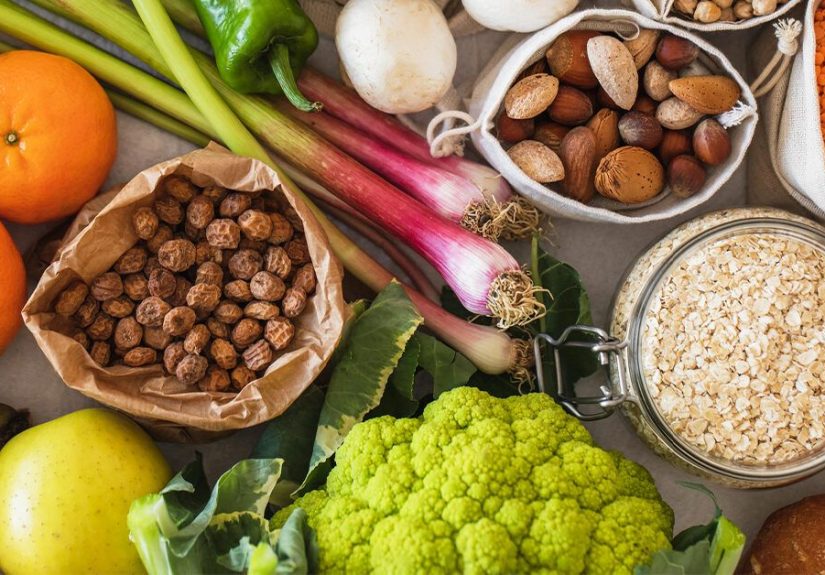
- Eat more whole grains: Switch to whole grains like brown rice, quinoa, barley, and oats instead of refined grains like white rice and white bread.
- Incorporate more fruits and vegetables: Aim to fill half your plate with vegetables and fruits at each meal. Choose fiber-rich options like apples, berries, broccoli, and leafy greens.
- Add legumes to your meals: Beans, lentils, and chickpeas are excellent sources of fiber. Try adding them to salads, soups, or stews for an extra fiber boost.
- Snack on nuts and seeds: Almonds, chia seeds, and flaxseeds are rich in fiber and healthy fats, making them a great snack option.
- Choose fiber-rich breakfast foods: Start your day with a high-fiber breakfast, such as oatmeal topped with berries, or a smoothie with spinach and chia seeds.
Conclusion: A Simple Way to Boost Your Health
Fiber is a powerful, yet often overlooked, nutrient that offers a wide range of health benefits. From aiding in weight loss to improving digestion and supporting heart health, fiber plays an essential role in maintaining overall well-being. By incorporating more fiber-rich foods into your diet, you can improve your digestive health, manage your weight, lower cholesterol, and reduce your risk of chronic diseases like diabetes and heart disease. So, next time you sit down for a meal, remember to add some fiber-rich foods to your plate and enjoy the many health benefits they provide!
My Personal Experience with Fiber: How It Changed My Health
As someone who has always struggled with digestion issues, incorporating more fiber into my diet was a game-changer. I started by adding more fruits and vegetables to my meals, and within a few weeks, I noticed a significant improvement in my digestion. No more bloating, and my bowel movements became more regular. The best part? I felt fuller for longer, which helped me manage my weight without feeling deprived.
It wasn’t just my digestion that improved. I also noticed that I had more energy throughout the day. My skin began to clear up, and I no longer felt sluggish after meals. Adding fiber to my diet has been one of the best decisions for my health, and I encourage everyone to make it a priority in their daily meals.