Table of Contents >> Show >> Hide
- The Short Answer
- What “Heart-Healthy Chocolate” Actually Means
- Why Cocoa Can Be Good for Your Heart
- What the Evidence Really Says (No Fairy Tales, No Buzzkill)
- The Best Types of Chocolate for Heart Health
- How Much Chocolate Is “Heart-Smart”?
- Chocolate “Health Halo” Traps (A.K.A. How Chocolate Lies to You)
- What About Lead and Cadmium in Chocolate?
- A Quick Label-Reading Cheat Sheet
- Who Should Be a Little More Careful With Chocolate?
- Bottom Line: The Best Chocolate for Your Heart
- Experiences With Heart-Smart Chocolate (Real-World, Not Fairy-Tale)
- SEO Tags
Chocolate and heart health is the kind of relationship we all want to be truelike “money can’t buy happiness,” but with cocoa butter.
The reality is more nuanced (and a lot more useful): some chocolate choices can support heart-friendly goals, while others are basically candy wearing a wellness costume.
This guide breaks down which chocolate is most likely to be heart-smart, why it works (when it does), what to avoid, and how to eat it like an adult who
enjoys joy and understands nutrition labels. (Tragic, I know.)
The Short Answer
If you’re choosing chocolate with your heart in mind, the best bet is dark chocolate with a high cocoa percentage and minimal added sugar.
In most grocery stores, that typically means 70% to 85% cocoa, with a short ingredient list and no creamy fillings.
Even better (when you can find it): products that emphasize cocoa flavanols or use minimally processed cocoa. Why? Because the heart-related
buzz is mostly about flavanolsnatural compounds in cocoa that can support healthy blood vessel function.
What “Heart-Healthy Chocolate” Actually Means
“Heart healthy” doesn’t mean chocolate is a prescription. It means certain cocoa-rich options can nudge a few cardiovascular markers in the
right directionlike blood vessel flexibility and blood pressureespecially when used as a swap for less nutritious desserts.
The key concept: cocoa content vs. everything else
Chocolate is a mix of cocoa solids (where flavanols live), cocoa butter (fat), and often sugar and milk. When cocoa goes up, sugar usually goes down, and
you’re more likely to get those beneficial plant compounds without turning your dessert into a daily sugar convention.
Why Cocoa Can Be Good for Your Heart
Cocoa contains flavanols (including compounds like epicatechin) that help the body produce nitric oxide, which relaxes blood vessels and can
improve blood flow. Better blood flow can translate to modest improvements in blood pressure and overall vascular function.
Potential benefits researchers often study
- Blood pressure: Some studies show small reductions over a few weeks with cocoa-rich dark chocolate.
- Endothelial function: That’s the “lining” of your blood vesselsimportant for healthy circulation.
- Oxidative stress and inflammation: Cocoa’s antioxidants may play a supporting role.
Translation: the best chocolate for your heart is the kind that’s most like cocoaand least like a candy bar that happens to have a cocoa bean somewhere in
its family tree.
What the Evidence Really Says (No Fairy Tales, No Buzzkill)
The strongest and most consistent signals show up when people consume cocoa-rich products (dark chocolate, cocoa powder, cocoa extracts)
and researchers measure short-term changes like blood pressure or blood vessel function. These effects tend to be modestnot “throw away your
veggies” level.
Chocolate vs. cocoa supplements: not the same thing
Big clinical trials often use standardized cocoa extracts, not candy aisle chocolate. For example, a large randomized trial of cocoa extract supplementation
in older adults didn’t significantly reduce total cardiovascular events overall, but it did show a reduction in cardiovascular death in analyses reported by
the researchers. That doesn’t mean chocolate bars are magicjust that specific cocoa compounds may have measurable effects under certain conditions.
The practical takeaway: choose cocoa-forward chocolate and keep expectations realistic. Think “helpful nudge,” not “cardiologist in a wrapper.”
The Best Types of Chocolate for Heart Health
1) Dark chocolate (70% to 85% cocoa) with low added sugar
This is the easiest “best choice” for most people. High cocoa usually means more flavanols and less sugar. It also tends to be less processed than milk
chocolate, and it’s easier to keep portions reasonable because 85% cocoa has a built-in serving-size limiter: it’s intense.
Look for:
- “70%,” “72%,” “78%,” “85%” cocoa on the front
- Ingredients like: cocoa mass (or cocoa liquor), cocoa butter, a sweetener, maybe vanilla
- Minimal add-ins (nuts are fine; caramel lava pits are less heart-themed)
2) Natural cocoa powder (unsweetened) used in real food
If you want maximum cocoa vibes with minimal sugar, unsweetened cocoa powder is a quiet overachiever. Stir it into oatmeal, blend it into smoothies, whisk it
into yogurt, or use it in homemade energy bites. You can control the sweetener and keep the “treat” part from turning into a sugar sprint.
One caution: some cocoa powders are “Dutch-processed” (alkalized) for a smoother taste. That process can reduce flavanol content. If you’re buying cocoa
powder specifically for heart-friendly flavanols, “natural” (non-alkalized) is often the better bet.
3) Dark chocolate labeled for flavanol content (when available)
Not all dark chocolate is equally rich in flavanols. Growing conditions and processing matter. Some products emphasize cocoa flavanols or standardized cocoa
content. If you’re serious about the functional side, that labeling can be helpfuljust keep the overall nutrition facts (saturated fat, sugar, calories) in
the same spotlight.
4) What to skip if your goal is heart health
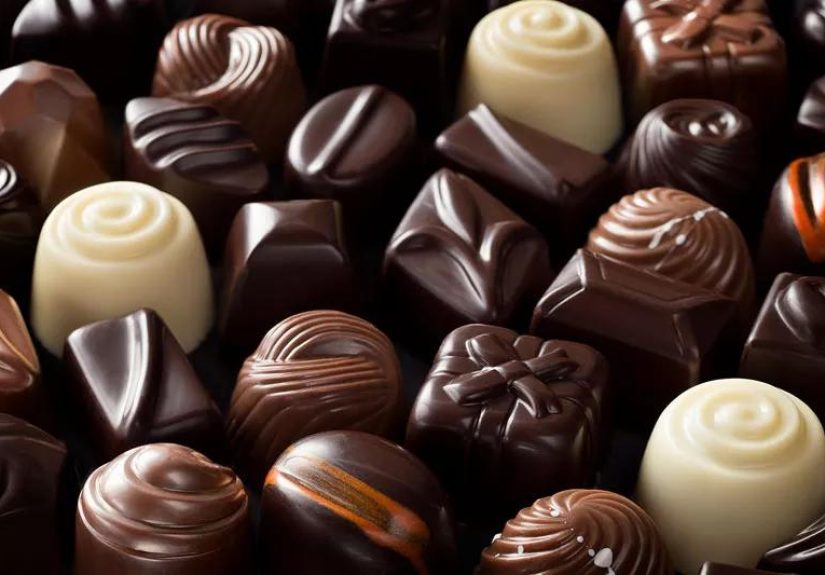
- White chocolate: basically cocoa butter + sugar, with little to none of the cocoa solids that carry flavanols.
- Milk chocolate: usually much lower cocoa solids and higher sugar; more “candy” than “cocoa.”
- Chocolate candies with fillings: the sugar and calories climb fast, while cocoa benefits don’t keep up.
How Much Chocolate Is “Heart-Smart”?
Most research-friendly portions are smallthink about 1 ounce of dark chocolate (roughly a small square or two, depending on the bar), not a
full bar “because antioxidants.”
The portion rule that actually works
Replace, don’t add. If you add dark chocolate on top of your usual dessert lineup, you’re mostly adding calories. If you replace a frosted
donut or a giant cookie with a small square of 75% dark chocolate, you’re changing the nutritional math in a way your heart can appreciate.
Simple examples
- After dinner: one square of 70–85% dark chocolate + berries
- Afternoon snack: Greek yogurt + cocoa powder + cinnamon + a few chopped nuts
- Sweet craving: hot cocoa made with unsweetened cocoa + warm milk (or soy) + a small amount of sweetener
Chocolate “Health Halo” Traps (A.K.A. How Chocolate Lies to You)
Trap #1: “Dark” doesn’t always mean “healthy”
A bar can be labeled dark and still be loaded with sugar, or have a cocoa percentage that’s not especially high. Check the cocoa percent and the grams of
added sugar per serving. If “dark” tastes like candy and goes down like candy, it probably behaves like candy.
Trap #2: Calories and saturated fat still count
Even very dark chocolate has calories and saturated fat. If you’re watching cholesterol, weight, or overall heart risk, “small and consistent” beats “rare
and enormous.” Your arteries don’t give bonus points for dramatic gestures.
Trap #3: Added sugar sneaks up fast
Heart-smart eating patterns generally keep added sugars under control. A few squares of chocolate can fitbut a “just this once” mega bar can blow up your
sugar budget before you’ve even met lunch.
What About Lead and Cadmium in Chocolate?
This is where the conversation gets serious for a minute. Cocoa can contain trace amounts of heavy metals like lead and cadmium,
which can enter through soil and environmental contamination. Testing has found that some chocolate products can be higher than others, and headlines can get
dramatic fast.
How to think about this without panic-buying carob
- Dose matters: Risk depends on how much you eat and how often.
- Different standards exist: Some tests compare results to strict state-level thresholds, while broader risk assessments may interpret
typical serving sizes differently. - Moderation helps: Keeping portions small reduces exposure from any single food.
- Variety helps: Rotating brands and cocoa sources avoids relying heavily on one product.
If you’re pregnant, buying chocolate for young kids, or you eat cocoa daily in larger amounts, it’s reasonable to be extra mindfulchoose moderate portions,
vary your choices, and consider brands that share transparent testing practices.
A Quick Label-Reading Cheat Sheet
Step 1: Find the cocoa percentage
Aim for 70%+ if heart health is your priority. If 85% tastes like a beautiful mistake, try 70–75% and adjust upward over time.
Step 2: Scan the ingredient list
Shorter is usually better. The basics are cocoa mass (or liquor), cocoa butter, and a sweetener. Nuts are fine. Twenty-seven ingredients and a “birthday cake”
flavor profile? That’s a party, not a cardiovascular strategy.
Step 3: Check added sugar per serving
Keep it reasonable. The lower the added sugar, the easier it is to fit chocolate into an overall heart-smart pattern.
Step 4: Respect the serving size
Chocolate serving sizes are often smaller than people expect. That’s not corporate trickeryit’s math. Use it to your advantage.
Who Should Be a Little More Careful With Chocolate?
- People with reflux (GERD): chocolate can trigger symptoms for some.
- People sensitive to caffeine: cocoa contains small amounts; dark chocolate tends to have more.
- Those prone to migraines: chocolate can be a trigger for some (not everyone).
- Anyone on a calorie-restricted plan: chocolate can fitjust keep it portioned.
If you have a specific medical condition or take medications for blood pressure, cholesterol, or blood thinning, it’s smart to keep your clinician in the loop
about major diet changeseven when the change is “more chocolate,” which feels like it shouldn’t require adult supervision.
Bottom Line: The Best Chocolate for Your Heart
Choose dark chocolate (70–85% cocoa) in small portions, ideally with low added sugar and minimal processing. If you want even
more control, use unsweetened cocoa powder in foods where you can manage sweetness and portion size.
Enjoy it like a smart treat: part pleasure, part nutrition, and fully aware that your heart also loves vegetables, fiber, sleep, and not being surprised by
a 1,200-calorie dessert “moment.”
Experiences With Heart-Smart Chocolate (Real-World, Not Fairy-Tale)
People’s experiences with “heart-smart” chocolate tend to fall into a few patternsand they’re surprisingly practical once you get past the initial shock of
reading a nutrition label on purpose.
The “I swapped my candy bar” experience
A common story goes like this: someone craves something sweet every afternoon, usually something big and sugary. They switch to one or two squares of 75% dark
chocolate instead. The first week feels dramatic because the sweetness is lower and the flavor is strongeryour taste buds basically file a complaint.
By week two, many people report the opposite: the smaller portion feels satisfying because it’s intense, and the craving doesn’t keep escalating.
The hidden win isn’t that dark chocolate is a miracle foodit’s that it can be a portion-control tool disguised as a treat.
The “85% tastes like homework” experience
Let’s be honest: jumping straight to very dark chocolate can feel like you accidentally bought “bitter” as a flavor. A lot of people find success by stepping
up gradually: 70% → 72% → 78% → 85%. That slow climb does two helpful things. First, it reduces sugar dependence without feeling like punishment.
Second, it often cuts down mindless snacking because you’re not chasing that quick sugar hit.
Over time, many people say they start noticing flavors they never picked up beforeberries, coffee, nutslike chocolate suddenly became a grown-up beverage
tasting menu.
The “I learned to pair it” experience
Pairing is where people level up fast. Dark chocolate with strawberries, raspberries, cherries, or orange slices can feel indulgent while keeping the total
added sugar modest. Others love it with nuts (almonds, walnuts) because the combo feels rich and satisfying. Some even pair it with a warm drinkcoffee or tea
and find they need less chocolate overall. The experience becomes slower, more intentional, and less “I inhaled a bar while standing in the pantry.”
The “I got tricked by the ‘dark’ label” experience
Plenty of people have bought a “dark chocolate” bar that’s basically sweetened candy with a moody aesthetic. The learning moment usually happens when they
compare two labels side-by-side: one is 70% cocoa with a short ingredient list; the other is “dark” with much lower cocoa, more sugar, and extra fillers.
Once people start checking cocoa percentage and added sugar, they often say shopping becomes easierbecause the marketing stops being in charge.
The “small daily treat keeps me consistent” experience
Another common theme: a small daily square of dark chocolate can make heart-healthy eating feel more sustainable. Instead of feeling deprived, people feel like
they’re choosing a controlled indulgence. That psychological effect matters. Consistency tends to beat perfection, and a planned treat can prevent the classic
cycle of restriction → rebound → “I ate half the snack aisle.”
The “I kept it heart-smart by replacing, not adding” experience
The most successful experiences usually share one strategy: chocolate replaces something else. People who add chocolate on top of an already dessert-heavy day
often feel disappointed (and sometimes see weight creep). People who swap it in place of a larger sugary dessert tend to feel better about the habit and find
it easier to keep long-term.
In short: the best “experience” isn’t discovering a magical chocolate. It’s discovering a realistic routineone that gives you the pleasure of chocolate and
still leaves room in your life for the other heart-friendly basics.