Table of Contents >> Show >> Hide
- Can birth control cause mood swings?
- Why hormones might affect mood in the first place
- What the research actually says (and why it sounds contradictory)
- Which birth control methods are more likely to affect mood?
- Who might be more sensitive to mood changes on birth control?
- Mood swings or “normal life”? How to tell what’s going on
- What to do if you suspect birth control is affecting your mood
- When mood changes are a red flag
- FAQ: quick answers to common questions
- Real-life experiences: what people commonly report (and what they did next)
- Experience 1: “I felt fine… then I felt like a different person.”
- Experience 2: “It wasn’t sadness. It was anxiety spikes.”
- Experience 3: “My mood actually improved.”
- Experience 4: “The biggest difference was switching methods, not quitting birth control.”
- Experience 5: “I needed mental health support, tooand that wasn’t a failure.”
- Conclusion
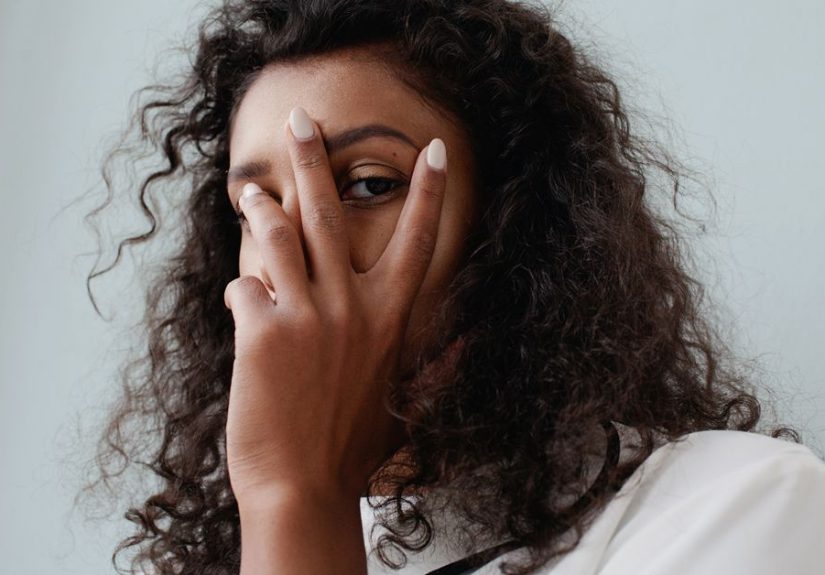
If you’ve ever started a new birth control method and thought, “Is it me… or is it the hormones?” welcome to the club. It’s a club with no membership card, but plenty of group chats. Mood swings are one of the most commonly reported “I swear I’m not imagining this” side effects of hormonal birth control. At the same time, research doesn’t give a simple villain-and-hero storyline. For many people, hormonal contraception has no noticeable mood impactsome even feel better. And for a smaller group, mood changes can be real, frustrating, and worth switching methods.
This guide breaks down what’s known, what’s still debated, and what you can do if your mood starts acting like it just drank three iced coffees and read your ex’s texts. You’ll get a practical, no-judgment roadmapplus real-life style experiences at the end (the kind that sound like your friends, not a medical textbook).
Can birth control cause mood swings?
It can, but it doesn’t alwaysand when it does, it’s usually not the same for everyone. Hormonal birth control changes levels of synthetic estrogen and/or progestin (a progesterone-like hormone). Those hormones can influence systems involved in mood regulation, including stress response, sleep, and neurotransmitters. But mood is also affected by a million other things: school or work stress, relationships, nutrition, alcohol, your baseline mental health, your menstrual cycle, and yes, sometimes just existing in 2026.
Here’s the most honest way to say it: there isn’t one universal mood outcome. Some people feel emotionally steadier (especially if birth control reduces painful periods, heavy bleeding, acne flare-ups, or cycle-related mood symptoms). Some feel no change. And some notice irritability, sadness, anxiety, or emotional “spikiness,” often around the time they start, stop, or switch methods.
Why hormones might affect mood in the first place
Think of hormones like your body’s project managers: they don’t do every job themselves, but they influence who does what, when, and how urgently. Estrogen and progesterone interact with brain chemistry in ways that can affect mood, energy, appetite, and sleep. Synthetic versions (the ones used in contraception) can behave differently depending on dose and type.
Three common “routes” to mood changes
- Neurotransmitter overlap: Hormones can interact with systems involved in serotonin, dopamine, and stress signalingsystems that are also involved in depression and anxiety.
- Sleep and energy ripple effects: If a method causes nausea, headaches, spotting, or sleep disruption, mood can take a hit as a downstream effect.
- Cycle smoothing (or disruption): Some people love the steady hormone levels (fewer ups and downs). Others feel “off” when their usual rhythm changes.
What the research actually says (and why it sounds contradictory)
You may have seen headlines that sound like: “Birth Control Causes Depression!” followed by another that says, “Birth Control Does NOT Cause Depression!” Both are oversimplified. The reason the conversation feels messy is that different study types can produce different answers.
Observational studies: real-world data, real-world complications
Large population studies can detect associationsfor example, some research has found an association between hormonal contraceptive use and later antidepressant use or depression diagnoses in certain groups, including adolescents. But observational studies can’t prove that birth control caused the mood change. People start contraception for many reasons (painful periods, acne, irregular cycles, endometriosis symptoms), and those same reasons can overlap with stress, body image issues, or mood symptoms.
Randomized controlled trials: stronger for causality, sometimes limited in scope
Randomized trials (where people are assigned to a method or placebo) are better for testing cause-and-effect. Many trials have not found major average mood differences between hormonal contraception and placebo. But trials may be shorter, may exclude people with certain mental health histories, and can miss smaller subgroups who react strongly.
The most practical takeaway
The best summary from modern reviews is: most people do fine, but a subgroup is more sensitive. If you’re in that subgroup, “the average person” statistics won’t feel comforting when you’re crying over a cereal commercial. Your experience still mattersand it’s still valid to adjust your plan.
Which birth control methods are more likely to affect mood?
Let’s start with a truth that saves time: there’s no method that is guaranteed to be “mood-neutral” for everyone. That said, some patterns show up in clinical conversations and research discussions.
Combined hormonal methods (estrogen + progestin)
- Combined pill, patch, vaginal ring
These methods provide estrogen plus progestin. Some people report mood improvements due to steadier hormone levels and fewer cycle-related symptoms. Others report mood swings, especially early on or with certain formulations. Newer pill types and dosing schedules may be better tolerated for some individuals than older formulations.
Progestin-only methods
- Progestin-only pill (“mini-pill”)
- Hormonal IUD
- Implant
- Shot (DMPA)
Progestin-only contraception is a big category. Some evidence suggests minimal association with clinical depression in many users, but individuals vary. The shot is longer-acting, so if you don’t like how you feel on it, you can’t “undo” it quickly the way you can with a pill. That doesn’t mean it’s badjust worth discussing if you’ve had significant mood issues in the past.
Non-hormonal options (generally least likely to affect mood directly)
- Copper IUD
- Condoms, diaphragm, cervical cap
- Fertility awareness-based methods (require training and consistency)
Non-hormonal methods don’t introduce synthetic hormones, so they’re less likely to cause hormone-related mood changes directly. However, anything that changes your bleeding pattern (for example, heavier periods with a copper IUD for some people) can still affect energy and mood indirectly.
Who might be more sensitive to mood changes on birth control?
Sensitivity doesn’t mean you’re “weak” or “bad at hormones.” It usually means your brain-body system is more responsive to shifts. People who may want extra planning and close follow-up include:
- Those with a history of depression or anxiety: Not because contraception is “off-limits,” but because it’s smart to monitor changes and choose an easily adjustable method at first.
- Those who have strong premenstrual mood symptoms (PMS/PMDD-like patterns): Some methods help; some can worsen symptoms. The goal is matching the method to your pattern.
- Adolescents and young adults: Some large studies suggest certain younger groups may show higher associations with depression outcomes. That doesn’t mean it will happen to youjust that it’s worth tracking carefully.
- Anyone in a high-stress season: Starting a new method during finals, a breakup, moving, or sleep deprivation is like testing sunglasses during an eclipse. The data gets messy fast.
Mood swings or “normal life”? How to tell what’s going on
Mood is not a simple on/off switch. Instead of asking, “Is birth control causing this?” try asking, “Is birth control one meaningful piece of the puzzle?”
Clues it might be related to your method
- Timing: Symptoms began within days to weeks of starting, stopping, or switching.
- Pattern: The mood change repeats in a predictable way (for example, worse at the same point in a pill pack).
- New baseline: You feel different most days, not just in reaction to specific events.
Clues it might be something else (or also something else)
- Big life changes: stress, grief, conflict, burnout, or major schedule shifts.
- Sleep changes: chronic late nights are basically mood sabotage in pajamas.
- Diet/substances: caffeine spikes, alcohol, or skipping meals can mimic “hormonal mood swings.”
- Medical factors: thyroid issues, anemia, and other conditions can affect mood and energy.
What to do if you suspect birth control is affecting your mood
The goal isn’t to “tough it out” if you feel miserable. The goal is to find a method that protects you from pregnancy (if that’s your goal) and supports your quality of life.
Step 1: Track your mood like a scientist with snacks
Keep a simple log for 2–3 cycles (or about 8–12 weeks if you’re on a continuous method). Track: sleep, stress level, bleeding/spotting, your method and timing, and a 1–5 mood rating. This helps you and your clinician see patterns instead of relying on memory (which is famously unreliable when you’re emotional).
Step 2: Give it a fair adjustment windowbut not unlimited time
Many side effects improve over the first few months. But “wait it out” should never mean “suffer in silence.” If your mood symptoms are intense, getting worse, or interfering with school/work/relationships, that’s your cue to act sooner.
Step 3: Talk to a clinician about targeted changes
Options might include:
- Switching formulation: a different progestin type or dose, or a different estrogen dose.
- Switching delivery method: pill to ring, or hormonal to non-hormonal, etc.
- Trying a method that’s easy to stop: especially if you’re worried about mood effects.
- Addressing mental health directly: therapy, stress support, sleep, or treatment if depression/anxiety symptoms are present.
Step 4: Don’t forget the “boring” basics that actually help
Mood is biology plus context. If your method is amplifying sensitivity, these basics can reduce the overall load: consistent sleep, regular meals with protein, movement you don’t hate, hydration, and cutting back on alcohol if it’s worsening symptoms. None of these replace medical carebut they can make your nervous system less reactive while you sort out the best method.
When mood changes are a red flag
Mild irritability or temporary emotional ups and downs can happen during transitions. But seek professional help promptly if you notice:
- Persistent sadness or anxiety that lasts most days for two weeks or longer
- Loss of interest in things you normally enjoy
- Major sleep changes, appetite changes, or inability to function day-to-day
- Feeling unsafe, overwhelmed, or like you might harm yourself
If you ever feel in immediate danger or unable to keep yourself safe, contact local emergency services right away and reach out to a trusted adult or healthcare professional.
FAQ: quick answers to common questions
How long do mood swings last after starting birth control?
Many people who notice mood changes see improvement within the first 2–3 months. If symptoms persist beyond thator feel severetalk to a clinician. You do not need to “earn” a method by suffering through it.
Can stopping birth control cause mood swings?
Yes, stopping can trigger a temporary adjustment period because your natural cycle returns and your hormone patterns shift again. If you had strong PMS/PMDD symptoms before starting, those may come back. Tracking helps you see what’s happening.
Is there a “best birth control for mood swings”?
The best method is the one that fits your body, goals, medical history, and tolerance. Some people do well on low-dose combined pills or the ring; others feel better on non-hormonal methods. If you’ve had significant mood symptoms before, it may help to start with a method you can easily stop or adjust.
If I’m already depressed or anxious, can I still use hormonal birth control?
Many people with depression or anxiety use hormonal contraception safely. The key is choosing thoughtfully, monitoring symptoms, and having a plan to adjust if needed. Talk to your clinician about your mental health history so they can help you pick a good starting option.
Real-life experiences: what people commonly report (and what they did next)
Let’s talk about the part that doesn’t show up on a prescription label: the day-to-day reality. Below are composite, realistic experiencesbased on common patterns people describe to clinicians and in reputable health education settings. If any of these sound familiar, you’re not “being dramatic.” You’re gathering data.
Experience 1: “I felt fine… then I felt like a different person.”
A lot of people describe a mood shift that shows up within the first couple of weeks: more irritability, random crying, feeling emotionally “thin-skinned,” or a weird sense of being disconnected. In these cases, one helpful move is to write down when it happensespecially if it lines up with the first week of a pill pack or the days right after a shot. Some people find the symptoms fade by month two. Others decide they don’t want to wait and switch to a different formulation or a non-hormonal method. The key is not guessingtracking.
Experience 2: “It wasn’t sadness. It was anxiety spikes.”
Not all mood changes feel like depression. Some people report increased worry, restlessness, or feeling “on edge” for no obvious reason. When that happens, it’s useful to rule out obvious amplifiers: caffeine, poor sleep, and high-stress weeks. One common approach is: keep the method constant for a short window while stabilizing routines (sleep, meals), then reassess. If anxiety remains clearly linked to the method timeline, switching to a different progestin type, lowering dose, or moving to a non-hormonal option may help.
Experience 3: “My mood actually improved.”
Yesthis happens more often than people expect. Some individuals feel calmer because their cycle becomes predictable, cramps improve, bleeding becomes lighter, or severe premenstrual symptoms ease up. When your body isn’t battling pain or heavy bleeding every month, your brain often says, “Thanks for the stability. I accept your application for peace.” In these stories, people often keep doing what works, and the lesson becomes: mood effects aren’t automatically negative; they’re individual.
Experience 4: “The biggest difference was switching methods, not quitting birth control.”
Many people assume the only solution is to stop hormonal contraception entirely. But plenty find their sweet spot by switching: a different pill formulation, changing from pill to ring, or choosing a method with lower systemic hormone exposure (for them). The most practical takeaway is that “birth control” isn’t one thingit’s a menu. If one item doesn’t sit well, you can order something else.
Experience 5: “I needed mental health support, tooand that wasn’t a failure.”
Sometimes birth control is a contributing factor, but not the whole story. People often realize they were already burned out, grieving, underfed, or sleeping poorly. Starting a new method didn’t create the problem, but it made the problem louder. In those cases, the best outcomes often come from a two-part plan: adjust contraception if needed and address mental health directlytalk therapy, stress management, or medical treatment when appropriate. It’s not overreacting; it’s treating the full picture.
Conclusion
Birth control and mood swings is a real conversationnot a myth, not a guarantee, and definitely not something you should be told to “just ignore.” Hormonal contraception can affect mood for some people, and research suggests individual sensitivity plays a big role. If you notice mood changes, you have options: track patterns, give a reasonable adjustment window, talk with a clinician, and switch methods if your quality of life is taking a hit. The goal is not perfect hormones. The goal is a method that supports your body, your plans, and your peace.