Table of Contents >> Show >> Hide
- First: A Quick Pre-Pack Check (So Your Bag Matches Your Treatment)
- Chemo Bag Essentials: The Non-Negotiables
- Comfort Items: Because Infusion Rooms Are Basically Refrigerators
- Snacks and Hydration: Small Things That Make a Big Difference
- Skin, Mouth, and “Tiny Comforts” That Add Up
- Breast Cancer–Specific Add-Ons (Ports, PICCs, and Lymphedema)
- Optional: Cold Cap or “Ice Mittens” Setup (Ask Your Team First)
- What NOT to Bring (Save Yourself the Hassle)
- A Simple Breast Cancer Chemo Bag Checklist
- of Real-World Chemo Bag Experiences (What People Learn After “Chemo #1”)
- Conclusion
Chemo day is a weird little combo platter: part medical appointment, part marathon, part “I swear I just sat down and it’s already dark outside.” If you’re doing breast cancer chemotherapy, you’ll likely spend hours in an infusion chairsometimes weekly, sometimes every few weekswhile your care team does the important stuff and you do your best impression of a calm, hydrated houseplant.
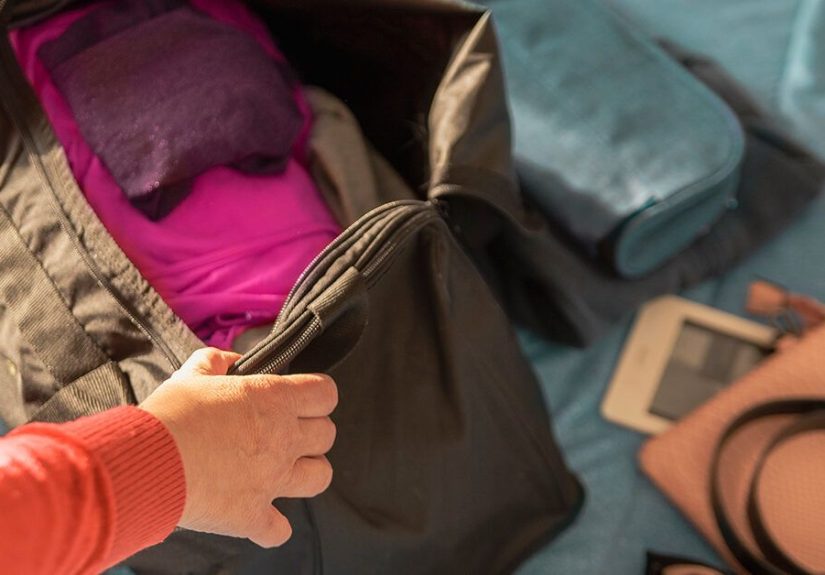
That’s where a breast cancer chemo bag comes in. Think of it as your portable comfort kit: the items that make treatment days easier, warmer, less nauseating, and way less boring. The goal isn’t to pack like you’re moving in. It’s to pack like you deserve support (because you do).
Below is an in-depth guide to what to keep in your chemo bagplus breast cancer–specific add-ons (ports, lymphedema considerations, cold caps) and a 500-word section of real-world “infusion chair” experiences at the end.
First: A Quick Pre-Pack Check (So Your Bag Matches Your Treatment)
Before you start tossing snacks into a tote like you’re prepping for a road trip, take two minutes to confirm the basics with your infusion center:
- How long will today’s infusion take? Some visits are short; others are several hours.
- Will you have labs first? Many people do blood work before chemo.
- How will chemo be given? Peripheral IV, port, PICC line, etc. Access matters for clothing choices.
- What are the visitor and food rules? Policies vary (and some centers don’t allow reheating outside food).
- Will you receive pre-meds? Some anti-nausea or allergy-prevention meds can make you sleepyplan transportation just in case.
Pro tip: Keep a “chemo day checklist” note on your phone. After the first session, you’ll know exactly what you wished you had (and what you never want to see again, like that snack you suddenly can’t stand).
Chemo Bag Essentials: The Non-Negotiables
1) The “Front Desk” Pocket: ID, Insurance, and Info
Make check-in smooth by keeping these in an easy-to-reach pouch:
- Photo ID and insurance card
- A small wallet with a little cash/credit card (parking, pharmacy stop, etc.)
- Your appointment schedule (paper or phone screenshot)
- A current medication list (including supplements) and allergies
- Emergency contact information
- A small folder or envelope for printouts
Why it matters: Chemo brain is real. Having your info organized means fewer “Wait… what’s the name of that nausea med?” moments.
2) Home Meds You May Need During the Visit
Bring any medicines you may need to take while you’re at the infusion centerespecially “as needed” meds for nausea, pain, anxiety, or headaches. Don’t assume the infusion unit will have your exact home meds available. If you have diabetes, bring supplies you might need during a long visit.
Safety note: Only take medicines as directed by your oncology team. If you’re unsure whether you should take something during infusion, ask your nurse.
3) Chargers, Headphones, and a Backup Plan
Infusion chairs have a way of turning your phone battery into dust. Pack:
- Phone charger (and a wall plugUSB ports can be scarce)
- Optional: a power bank for extra insurance
- Headphones/earbuds (wired or charged)
- Downloaded entertainment (in case Wi-Fi is spotty)
Entertainment ideas: a comfort TV show, podcasts, audiobooks, a cozy game, a puzzle book, or a mindless scroll session you don’t feel guilty about. This is not the day to “finally learn Italian.” This is the day to survive.
Comfort Items: Because Infusion Rooms Are Basically Refrigerators
4) Layers You Can Adjust Easily
Chemo rooms often feel chilly, and some people swing between hot and cold during treatment. Wear or pack:
- A zip-up hoodie or cardigan (easy access, easy temperature control)
- Soft, loose pants (joggers, lounge pants, or anything that doesn’t pinch)
- Warm socks (fuzzy is allowed; fuzzy is encouraged)
- Closed-toe shoes or slippers (some centers prefer closed-toe footwear)
5) Blanket + Small Pillow (Your “Human Settings” Kit)
Many centers provide blankets, but bringing your own can feel more comforting (and often softer). A small pillow can help with:
- Lower back support
- Neck support during naps
- Arm support if you’re stuck in one position for a while
Optional MVP: a neck pillow, especially if you tend to doze during infusions.
6) Hat/Beanie or Soft Scarf
If you’re losing hair or using cold caps, your head may get coldespecially in air-conditioned infusion rooms. A soft hat or scarf can provide warmth and comfort without irritating sensitive skin.
Snacks and Hydration: Small Things That Make a Big Difference
7) Water Bottle (and a “Sip Strategy”)
Hydration is commonly encouraged during treatment days. Bring a refillable water bottle you actually like drinking from. If plain water tastes off (a common chemo complaint), try:
- Electrolyte drinks (ask your team if you have fluid restrictions)
- Water with lemon or a splash of juice
- Iced drinks (sometimes easier to tolerate)
8) “Gentle” Snacks That Won’t Betray You Mid-Infusion
Infusion centers may offer snacks, but having your own favorites can help. Consider packing a mix of:
- Protein + carbs (cheese and crackers, peanut butter packs, trail mix if tolerated)
- Bland snacks (pretzels, plain crackers, toast bites)
- Easy fruit (banana, applesauce, fruit cup)
- Ginger chews or peppermint (some people find these settle nausea)
Chemo room etiquette: Strong food smells can trigger nausea in others (and sometimes in you, unexpectedly). Choose low-odor snacks when possible.
Food safety note: If your white blood counts are low, your team may advise extra caution with food handling. When in doubt, ask what’s recommended for you.
Skin, Mouth, and “Tiny Comforts” That Add Up
9) Lip Balm + Fragrance-Free Moisturizer
Dry lips and dry skin are common complaints during cancer treatment. Pack:
- Unscented lip balm
- Hand cream or lotion (fragrance-free is usually a good idea in shared spaces)
- Optional: cuticle oil if your nails get dry
10) Mouth Comfort Helpers
Mouth tenderness or dryness can happen with some regimens. Ask your team what they recommend, but practical chemo-bag options include:
- Sugar-free gum or mints (if tolerated)
- Hard candy (helpful for taste changes for some people)
- A travel toothbrush and toothpaste for long days
11) Tissues, Wipes, and Hand Sanitizer
Not glamorous, but extremely useful:
- Tissues (for sniffles, spills, or surprise tearsno judgment)
- Alcohol-based hand sanitizer
- Fragrance-free face wipes or gentle cleansing wipes
- Optional: a spare disposable mask (policies and personal preferences vary)
Why this matters: Infection prevention is a real priority during chemo, and clean hands are one of the simplest, most effective tools you have.
Breast Cancer–Specific Add-Ons (Ports, PICCs, and Lymphedema)
12) Port-Friendly or Line-Friendly Clothing
If you have an implanted port in your chest, choose clothing that allows easy access without awkward gymnastics:
- V-neck top
- Button-down shirt
- Zip-up hoodie layered over a port-accessible top
If you have a PICC line, you may want a loose long-sleeve layer that doesn’t rub, plus any protective cover your team recommends.
13) A “Seatbelt Pillow” or Small Cushion
Some breast cancer patients like a small cushion for the car ride homeespecially if they’re tender around the chest or have a port. It can make the seatbelt feel less aggressive.
14) Lymphedema Considerations (If You’ve Had Lymph Node Surgery)
If you’ve had lymph nodes removed or radiated, you may have an “at-risk” arm for lymphedema. Many organizations advise using the unaffected arm for blood pressure, blood draws, and injections when possible. Policies and evidence can be nuanced, so follow your oncology team’s guidance. For your chemo bag, that can look like:
- A note on your phone: “Use right/left arm when possible”
- A medical alert bracelet (optional, but some people like it)
- Any compression garment your lymphedema specialist recommends (only if prescribed/advised)
Important: Do not self-prescribe compression. If you suspect swelling, heaviness, or tightness, tell your care team.
Optional: Cold Cap or “Ice Mittens” Setup (Ask Your Team First)
Some breast cancer patients use scalp cooling (cold caps) to try to reduce hair loss. Others use cold therapy on hands/feet during certain infusions in an attempt to reduce nail changes or neuropathy. If your center supports this and your oncologist says it’s appropriate, your bag may need:
- Timer (your phone works)
- Extra blanket (cold therapy can make you feel extra chilly)
- Snacks and warm drinks (temperature contrast can help comfort)
- Any supplies required by your specific cold-cap system (often transported in a cooler)
Always confirm center rules for coolers, storage, and setup space.
What NOT to Bring (Save Yourself the Hassle)
- Valuables you’d be devastated to lose
- Strong perfume/cologne (shared space + nausea risk)
- Messy, strong-smelling meals (for you and everyone else)
- Anything you can’t sanitize but plan to touch constantly
- Work expectations that require you to be a superhero all day
A Simple Breast Cancer Chemo Bag Checklist
If you want a quick “grab-and-go” list, here you go:
- Must-have: ID, insurance card, med list, home meds you may need
- Tech: phone, charger, headphones, optional power bank
- Comfort: blanket, small pillow/neck pillow, layers, warm socks, hat
- Food/drink: water bottle, low-odor snacks, ginger/peppermint option
- Hygiene: hand sanitizer, tissues, wipes, lip balm, lotion
- Occupy your brain: book/audiobook/podcast/puzzle/journal
- Breast cancer add-ons: port-friendly top, small cushion, lymphedema notes/garment if prescribed
of Real-World Chemo Bag Experiences (What People Learn After “Chemo #1”)
The first infusion is often the one where you pack like you’re going to summer camp. The second infusion is when you realize you actually needed three things: warmth, hydration, and something to keep your brain from replaying every thought you’ve ever had. Over time, most people’s chemo bag becomes less about “stuff” and more about controla way to make an unpredictable day feel just a little more manageable.
One common experience: infusion rooms can feel cold in a way that ignores the laws of physics. People often describe bringing a blanket as the moment they stopped feeling like a patient and started feeling like a person again. Even if the center offers warmed blankets, having your own soft throw can be emotionally groundingsomething familiar that smells like home instead of “hospital.” Many also find that warm socks and a zip-up hoodie are more than comfort; they’re practical. Nurses need access for vitals, IVs, or a chest port, and layers that move easily save you from awkward clothing contortions.
Then there’s the snack situation. A lot of people go in thinking, “I’ll just grab something there.” But chemo can change your taste, trigger nausea, or make you suddenly repulsed by foods you once loved. Patients often learn to pack multiple small options: one bland backup, one protein option, and one “I can’t believe I’m craving this” wildcard. It’s also common to discover that strong smellsfried food, garlic-heavy meals, even certain coffeescan make nausea worse. So, snacks that are low-odor and easy to nibble tend to win the long game.
Entertainment is another “experience-based” upgrade. Many people plan to read a serious book and then discover their brain politely declines. Instead, they gravitate toward comfort media: familiar shows, light podcasts, audiobooks with soothing voices, simple games, or journaling. Some find that bringing headphones is the difference between feeling exposed in a busy room and feeling tucked into their own little bubble. The best distraction is the one that requires the least mental effort.
A surprisingly frequent lesson: bring the small care items before you think you need them. Lip balm and lotion become essentials for people who never used either before. Tissues show up for everythingspills, watery eyes, unexpected emotion, or a runny nose that pops up at exactly the wrong moment. Hand sanitizer becomes a comfort object in its own right: not fear-based, just practical, a small action that helps you feel safer when your immune system might be lower.
Finally, many people report that the chemo bag evolves into a symbol. It’s not just a tote. It’s a reminder that you can prepare, adapt, and take care of yourself in small wayseven on hard days. If your first chemo day feels messy or imperfect, that’s normal. Your bag (and your routine) will get smarter, lighter, and more personal with every visit.
Conclusion
Your chemo bag doesn’t need to be fancy. It needs to be yours: a small collection of practical items that make breast cancer treatment days more comfortable and less stressful. Start with warmth, hydration, meds you may need, and something soothing to do. Then adjust after each infusion. The best chemo bag is the one that helps you walk into the infusion center thinking, “Okay. I’m ready enough.”