Table of Contents >> Show >> Hide
- First: Don’t PanicHep C Is Still One of the Most Curable Chronic Viral Infections
- Step 1: Confirm Whether Treatment Truly Failed (Because Sometimes It Didn’t)
- Step 2: Investigate Why It Didn’t Work (The Useful Detective Work)
- Step 3: Build a Retreatment Plan (This Is Where the Comeback Happens)
- Step 4: Protect Your Liver While You Regroup
- Step 5: Prevent Reinfection (Because Nobody Wants a Sequel)
- Step 6: Navigate Insurance and Access (The Boss Level Nobody Asked For)
- Red Flags: When to Seek Urgent Medical Care
- FAQ: The Questions Everyone Asks (Usually Quietly, Then Loudly)
- Conclusion: Your Next Steps, in Plain English
- Real-World Experiences: What It Feels Like When Hep C Treatment Doesn’t Work
- SEO Tags
Quick reality check: “Treatment didn’t work” is scary, but it’s also often fixable. Modern Hep C meds cure most peopleand when they don’t, there’s usually a smart Plan B (and sometimes Plan C) that still gets you to “undetectable.”
Medical note: This article is educational, not personal medical advice. Hepatitis C treatment decisions depend on your liver health, prior meds, other conditions, and drug interactionsso partner with a clinician (ideally a liver specialist) for your exact next steps.
First: Don’t PanicHep C Is Still One of the Most Curable Chronic Viral Infections
Direct-acting antivirals (DAAs) changed the Hep C story from “long, miserable, and maybe successful” to “short, usually easy, and very successful.” Most people clear the virus with an 8–12 week pill regimen and move on with their livespreferably to something more fun than waiting rooms and lab portals.
So if your Hep C treatment didn’t work, it does not mean you did something wrong, and it does not mean you’re out of options. It means you and your care team need to do what grown-ups do best: look at the data, adjust the strategy, and try again with a regimen designed for your situation.
Step 1: Confirm Whether Treatment Truly Failed (Because Sometimes It Didn’t)
Know the finish line: SVR12
Hep C is considered “cured” when your HCV RNA (viral load) is undetectable at least 12 weeks after finishing treatment. That milestone is called SVR12 (sustained virologic response at 12 weeks). If your viral load is undetectable then, relapse later is uncommon.
“Relapse,” “reinfection,” and “the lab result that ruins your day”
If your test shows detectable virus after treatment, your clinician will usually sort it into one of these buckets:
- Virologic relapse: The virus was suppressed during/after treatment but came back, usually within the first few months.
- Reinfection: You cleared the original infection, then got infected again later from a new exposure. This is more likely if there’s ongoing risk (for example, sharing injection equipment).
- Testing timing confusion: Sometimes people test too early (or interpret an “end-of-treatment” result like it’s the final verdict). The SVR12 test is the key checkpoint.
What to do: Ask your clinician which scenario they believe fitsand what evidence supports it (timing, viral sequence/genotype, risk factors, and lab trends).
A quick “don’t Google at 2 a.m” note about antibodies
Even after cure, many people still test positive for Hep C antibodies. That’s normal and doesn’t mean treatment failed. The test that matters for cure/failure is the HCV RNA test (viral load).
Step 2: Investigate Why It Didn’t Work (The Useful Detective Work)
When DAAs fail, it’s usually because of a few repeat offenders. The goal isn’t to assign blameit’s to identify the factor(s) so your next regimen is optimized.
1) Missed doses (a.k.a. “life happened”)
DAAs work best when taken consistently. Missing a dose once in a while may not derail treatment, but repeated missed dosesor long gapscan reduce success. This is especially true if the virus gets more chances to replicate in the presence of drug pressure.
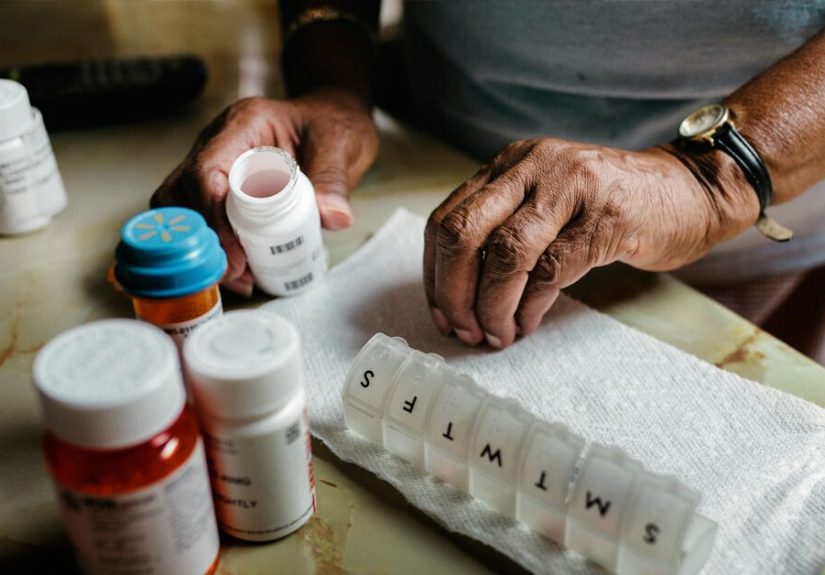
Practical fix: If adherence was hard, build a system for round two: phone alarms, pillboxes, linking the dose to a daily routine (coffee, teeth brushing), or pharmacy blister packs. Also ask about what to do if you miss a dosedifferent meds have different instructions.
2) Drug interactions (the silent saboteur)
Some medications and supplements can lower DAA levels or cause safety problems. Common culprits include certain seizure meds, some antibiotics, specific heart meds, some HIV meds, and herbal supplements like St. John’s wort. Acid-reducing drugs (like proton pump inhibitors) can also matter for certain regimens.
Practical fix: Bring an actual list (or photo) of everything: prescriptions, OTC meds, vitamins, supplements, and “just occasionally” items. Then ask your clinician or pharmacist to run a drug-interaction check specifically for your new regimen.
3) Advanced liver disease or complicated health situations
People with cirrhosisespecially more advanced cirrhosiscan be harder to treat. It doesn’t mean cure is unlikely; it means the regimen choice and duration matter more, monitoring is tighter, and the “one-size-fits-most” approach may not fit.
Important nuance: Some DAA classes (protease inhibitor–containing regimens) are not recommended in decompensated cirrhosis (for example, Child-Pugh B or C). If you have a history of ascites, variceal bleeding, jaundice, or hepatic encephalopathy, this is a specialist-level decision.
4) Viral resistance (yes, viruses can be stubborn)
Hep C can develop changes called resistance-associated substitutions (RASs), especially after exposure to certain drug classes (like NS5A inhibitors). Resistance doesn’t mean “game over.” It means the next regimen should be selected to overcome itoften by combining drugs that target different parts of the virus and sometimes extending duration.
What to ask: “Should we do resistance testing before retreatment?” It isn’t needed in every case, but it can be useful depending on your past regimen(s), genotype, and cirrhosis status.
5) The rare stuff (still worth checking)
- Incorrect regimen for your history: Some options are excellent for first-time therapy but not ideal after certain prior exposures.
- Unexpected absorption issues: Severe vomiting, certain GI conditions, or not taking food-required meds with food can matter.
- Reinfection: Not a “treatment failure,” but it can look like one unless your team distinguishes it properly.
Step 3: Build a Retreatment Plan (This Is Where the Comeback Happens)
Retreatment is very common in modern Hep C careand usually successful. The basic idea is simple: if the virus has seen one strategy, you come back with a smarter one.
Bring your “Hep C resume” to the appointment
Retreatment decisions depend heavily on your specifics. Come prepared with:
- Names of prior Hep C medications (or a photo of the bottles/after-visit summary)
- Dates and duration of prior treatment
- Your genotype (if known) and any past resistance testing results
- Most recent HCV RNA result(s) and timing relative to treatment end
- Any diagnosis of cirrhosis, fibrosis stage, or liver imaging results
- Other conditions: HIV, hepatitis B history, kidney disease, transplant history, pregnancy status
- Full medication/supplement list for interaction screening
Common retreatment approaches (high-level, not a prescription)
Your clinician will choose a regimen based on what you took before and how the virus responded. In the U.S., a widely used “salvage” option after certain DAA failures is a triple-drug combination designed for people who’ve been treated before. Other strategies may combine different classes, extend therapy duration, and sometimes add ribavirin in select cases.
Key point: Retreatment is not “just take the same thing again and hope harder.” It’s a tailored plan based on prior drug exposure, genotype, liver status, and interaction risk.
If you have decompensated cirrhosis: insist on specialist care
If you’ve been told you have decompensated cirrhosis (or you’ve had complications like fluid buildup, confusion episodes, or bleeding varices), don’t let retreatment feel like guesswork. Some DAAs are avoided in that setting, and your liver function affects safety.
What to do: Ask for a hepatology consultation. If you’re already seeing hepatology, ask whether transplant evaluation is appropriatenot because you’re doomed, but because advanced liver disease planning is about being prepared, not dramatic.
If the issue was reinfection: treatment may look like “first-time” therapy again
Reinfection is not the same as failing therapy. Many guidelines treat reinfection like a new infection, meaning you may be eligible for standard first-line regimens rather than the most complex salvage plandepending on your full history.
Step 4: Protect Your Liver While You Regroup
Even if you need another round of meds, you can still take meaningful steps today that improve liver health and lower complication risk.
Skip alcohol (your liver is not in the mood)
Alcohol accelerates liver damage and raises the stakes when you already have hepatitis C or liver scarring. If quitting is hard, ask for helpthis is one of the highest-impact changes you can make while preparing for retreatment.
Get vaccinated (Hep A and Hep B)
Hepatitis A or B on top of hep C is a “no thanks” situation for your liver. Vaccination is often recommended for people with chronic liver disease who aren’t already immune.
Review pain meds and supplements
Some supplements are marketed as “liver cleanses” and then immediately try to start a fight with your liver. (Bold strategy.) Always check with your clinician before adding supplements. For pain relief, ask what’s safest for youespecially if you have cirrhosis.
If you have cirrhosis, keep up with surveillance
Even after cure, people with cirrhosis generally need ongoing monitoring for complicationsoften including screening for liver cancer (HCC) every 6 months. Clearing the virus lowers risk, but it doesn’t flip your liver back to “factory settings” overnight.
Step 5: Prevent Reinfection (Because Nobody Wants a Sequel)
After cure, you can get hepatitis C again if you’re exposed. Prevention isn’t about judgmentit’s about reducing exposure to blood that carries the virus.
- If you inject drugs: Use new, sterile equipment every time; don’t share needles, cookers, cottons, or rinse water; consider syringe services programs and medication-assisted treatment if helpful.
- If you get tattoos/piercings: Use reputable, licensed shops that follow sterilization standards.
- If you have sex with higher-risk exposure: Ask your clinician about risk reduction strategies and appropriate screening frequencyespecially for people with HIV or certain sexual practices that increase blood exposure risk.
Step 6: Navigate Insurance and Access (The Boss Level Nobody Asked For)
Retreatment can come with paperwork. Insurers may want proof you actually need the new regimen, especially if it’s a salvage option. This is annoying, but you can play it smart.
Tips that help in real life
- Ask your clinic to document clearly: prior regimen, adherence notes, HCV RNA results (with dates), genotype, cirrhosis status, and rationale for retreatment choice.
- Request a prior authorization plan: Who submits what, by when, and what to do if denied.
- Appeal like you mean it: Denials aren’t always final; they’re sometimes just the insurer’s way of asking, “Are you sure?” (Yes. You are.)
- Explore assistance programs: Many manufacturers and nonprofits have support options depending on eligibility.
Red Flags: When to Seek Urgent Medical Care
If you have known liver disease, don’t ignore symptoms that could signal worsening liver function. Seek urgent care if you have:
- Confusion, severe sleepiness, or personality changes
- Vomiting blood or black/tarry stools
- New or rapidly worsening belly swelling
- Yellowing of the eyes/skin with severe fatigue or abdominal pain
- High fever with severe illness
These symptoms don’t always mean “Hep C is winning,” but they do mean you deserve prompt evaluation.
FAQ: The Questions Everyone Asks (Usually Quietly, Then Loudly)
Does treatment failure mean I’ll never be cured?
No. Many people who don’t achieve SVR12 with the first regimen are cured with retreatmentespecially when the next regimen is chosen based on prior drug exposure and liver status.
Can Hep C come back after I’m cured?
Relapse after SVR12 is uncommon, but reinfection can happen if you’re exposed again. That’s why prevention and appropriate follow-up testing matter for people with ongoing risk.
Should I get resistance testing?
Sometimes. It’s most useful in specific retreatment situations (for example, certain prior regimens, genotypes, or cirrhosis status). Your specialist can tell you whether it will change the plan or just add cost and stress.
Do I still need liver checkups after cure?
If you have cirrhosis or advanced fibrosis, yesmonitoring may continue even after viral cure, including periodic screening for liver cancer and other cirrhosis-related complications.
Conclusion: Your Next Steps, in Plain English
If your Hep C treatment didn’t work, the path forward is usually:
- Confirm whether it’s true treatment failure vs reinfection vs timing/interpretation issues.
- Identify the likely reason (adherence, interactions, liver stage, resistance, or regimen mismatch).
- Retreat with a regimen selected for your exact historyoften with excellent odds of success.
- Protect your liver and prevent reinfection while you’re getting lined up for round two.
And if you need a mantra for the in-between: This is a detour, not a dead end. The virus doesn’t get to be the main character forever.
Real-World Experiences: What It Feels Like When Hep C Treatment Doesn’t Work
Let’s talk about the part no lab value captures: the emotional whiplash. A lot of people start Hep C treatment feeling cautiously hopefulthen the meds end, the calendar creeps toward that SVR12 test, and suddenly you’re refreshing your patient portal like it’s a ticket drop for a sold-out concert.
When the result comes back detectable, many people describe an instant spiral: Did I mess up? Did I miss too many doses? Is my liver worse than I thought? That self-blame is commonand usually undeserved. Real life is messy. People work night shifts, deal with childcare, take other medications, battle nausea, manage depression, or just plain forget because they’re human. None of that makes you “bad at treatment.” It makes you a person who deserves a plan that fits your life.
Another frequent experience is feeling stuck between “medicine world” and “insurance world.” Your clinician may confidently recommend a retreatment regimen, while your insurer responds with a polite version of “prove it.” This is where patients often discover an underrated superpower: organization. People who keep a simple folderprior meds, dates, lab results, denial letters, and the clinician’s rationaletend to feel less helpless. It’s not that you should have to do this; it’s that it gives you leverage when the system gets bureaucratic.
Some people also report a strange kind of isolation. Hep C carries stigma, and even with today’s curative meds, folks may not tell family or friends. If retreatment is needed, it can feel like you’re reliving a secret. In those moments, many find it helpful to talk with someone safe: a trusted friend, a counselor, a support group, or a clinic social worker. The goal isn’t to “be brave” 24/7. The goal is to stay supported enough to keep going.
On the practical side, people who succeed with retreatment often mention a few “wish I’d known” lessons:
- Medication routines beat motivation. Alarms and pill organizers work even when your mood doesn’t.
- Pharmacists are underrated allies. Drug interactions are real, and pharmacists are excellent at spotting them.
- Ask for clarity early. “What does success look like?” “When do we retest?” “What happens if the viral load is detectable?”
- Your liver deserves side quests. Cutting alcohol, managing weight, and getting vaccinated feel “extra,” but they add up.
Finally, there’s the comeback storycommon enough that it deserves airtime. Many people who don’t clear the virus on the first regimen do clear it on the second, especially when the retreatment plan addresses the original barriers (interactions, adherence, advanced liver disease, or resistance). The emotional arc often goes from shock → frustration → determination → relief. If you’re in the first two stages, you’re not behind. You’re just early in the plot.
SEO Tags