Table of Contents >> Show >> Hide
- Tamari, in one (very useful) sentence
- Where tamari comes from
- How tamari is made (and why it tastes so good)
- Tamari vs. soy sauce: what’s actually different?
- Is tamari gluten-free?
- What does tamari taste like?
- How to use tamari: practical (and tasty) ideas
- Buying tamari: what to look for
- Nutrition and health considerations
- How to store tamari (and how long it lasts)
- Tamari substitutes (if your bottle is empty and dinner is not)
- Quick FAQ
- Conclusion
- Extra: Real-world tamari experiences (the kind you’ll actually have)
Tamari is one of those pantry items that quietly upgrades everything it toucheslike a friend who shows up with snacks
and somehow makes the whole party better. If you’ve ever wondered whether tamari is “just soy sauce with better PR,”
you’re not alone. The truth is more interesting: tamari has its own origin story, its own flavor personality, and a few
label-reading curveballs that matter a lot if you’re eating gluten-free.
This guide breaks down what tamari is, how it’s made, how it tastes, when to use it, and how to buy the right bottle
without accidentally bringing home “surprise wheat.”
Tamari, in one (very useful) sentence
Tamari is a Japanese-style soy sauce that’s typically brewed with little to no wheat, giving it a richer,
smoother, deeply savory flavor and a slightly thicker texture than many standard soy sauces.
Where tamari comes from
Traditionally, tamari is associated with Japan and is closely tied to miso. In classic production,
tamari was the flavorful liquid that collected during miso-makingessentially a delicious “bonus runoff” created by
fermentation. Over time, tamari evolved into its own category of sauce, still soy-forward and umami-rich, and still
prized for its depth.
You’ll sometimes see the term tamari shoyu. That doesn’t mean tamari is identical to every other shoyu (Japanese
soy sauce). It’s more like a reminder that tamari lives in the soy-sauce familyjust with its own personality and a
slightly different upbringing.
How tamari is made (and why it tastes so good)
Tamari is a fermented condiment. While recipes and ratios vary by producer, the basic idea is:
soybeans (sometimes with little or no wheat) are fermented with a starter culture, then aged, then separated into a
liquid sauce that’s bottled.
The fermentation magic: koji and time
Traditional soy saucestamari includeduse a fermentation starter often referred to as koji (a beneficial
mold used in Japanese fermentation). Koji helps break down proteins and starches into flavorful compounds that read as
“savory,” “toasty,” and “meaty” (even when your dish contains zero meat). Aging deepens color and complexity.
Pressed vs. poured: texture differences
Many standard soy sauces are made from a mash that’s pressed to extract liquid. Tamari’s relationship to miso
(historically collected from miso fermentation) helps explain why it often feels a bit thicker and more
rounded on the palate.
Tamari vs. soy sauce: what’s actually different?
Tamari and soy sauce are close cousins. You can swap them in many recipes, but the results won’t always be identical.
Here’s what typically changes: ingredient ratios, gluten content, flavor intensity, and how the sauce behaves in cold
vs. hot applications.
| Feature | Tamari | Typical Soy Sauce |
|---|---|---|
| Primary base | More soy-forward; often little/no wheat | Usually soy + wheat |
| Flavor | Smoother, deeper, more rounded umami | Sharper, saltier, sometimes slightly sweeter |
| Texture | Slightly thicker | Typically thinner |
| Best at | Dipping, dressings, glazes, finishing | Stir-fries, soups, braises, general seasoning |
| Gluten | Often gluten-free, but not always | Commonly contains wheat (not gluten-free) |
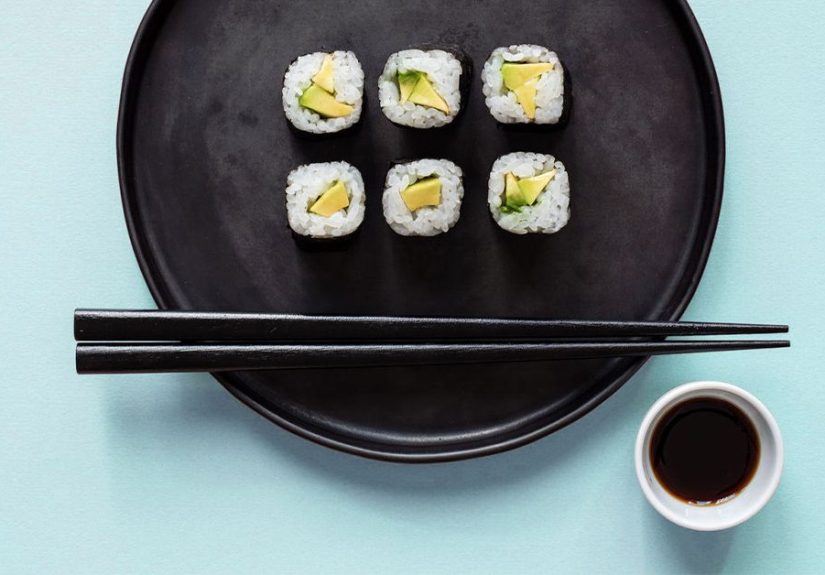
Translation: tamari tends to shine when you’ll really taste itlike a dipping sauce for sushi, a drizzle over rice
bowls, or a quick vinaigrette. Soy sauce is a workhorse in hot dishes where it blends into the background.
Is tamari gluten-free?
Sometimesso treat it like a label-reading exercise, not a vibe. Many tamari products are made without
wheat and are marketed as gluten-free, but some brands include wheat (or are processed in ways that matter for people
with celiac disease or strong gluten sensitivity).
How to buy gluten-free tamari with confidence
- Look for “gluten-free” clearly stated on the label (not just “tamari”).
- Scan the ingredient list for wheat (and check “Contains:” allergen statements).
- If you’re highly sensitive, consider products that are certified gluten-free.
- When dining out, remember: “soy sauce” usually means wheat is involved unless the kitchen confirms otherwise.
One more helpful concept: in the U.S., “gluten-free” labeling is regulated, and products making that claim must meet
defined requirements. If gluten is a medical issue for you, that regulation is your friendpaired with the habit of
reading labels every single time.
What does tamari taste like?
Think umami first: savory, brothy depth, like the difference between a plain salted tomato and a tomato
that’s been roasted until it tastes like itself… but louder. Tamari often feels less harshly salty than
standard soy sauce, even though the sodium can still be high. Many people describe it as smoother, richer, and more
aromatic.
Flavor varies by brand and style. Some are intensely dark and toasty; others are lighter and more delicate. If you cook
a lot, it can be worth tasting a couple side by sidelike a mini “soy sauce flight,” minus the tiny pretentious menus.
How to use tamari: practical (and tasty) ideas
Tamari is extremely versatile. Use it the way you’d use soy saucethen notice it tends to deliver a fuller finish.
Here are easy, high-impact ways to work it into everyday cooking.
1) Dipping sauce upgrades
- Sushi, sashimi, nigiri
- Dumplings and potstickers
- Spring rolls
- Crispy tofu or tempura-style veggies
Quick dip idea: tamari + rice vinegar + a few drops of toasted sesame oil + sliced scallions. Done.
2) Stir-fries and noodle bowls
Stir-fries love tamari because it clings well and builds a savory base fast. Start small, taste, then adjust. If your
recipe already has salty elements (broth, miso, salted nuts), tamari can push things over the edgeso treat it like
salt with benefits.
3) Marinades (especially for tofu)
Tamari is a classic tofu best friend. A simple marinade: tamari + grated ginger + garlic + a bit of brown sugar or
honey + lime juice. Marinate 20–30 minutes (or longer), then bake, pan-sear, or grill.
4) Glazes that look fancy with minimal effort
For a fast glaze: simmer tamari with a spoonful of maple syrup and a splash of rice vinegar until slightly thickened.
Brush on salmon, chicken, mushrooms, or roasted carrots in the last few minutes of cooking.
5) Salad dressings and vinaigrettes
Tamari adds instant depth to dressings. Try: olive oil + lemon + tamari + Dijon + a tiny bit of honey. It’s the kind of
dressing that makes “sad desk salad” feel like it got a promotion.
6) Soups, broths, and ramen
Add tamari at the end for aroma and control. A little goes a long way, especially in brothy soups where salt spreads
quickly.
7) Roasted vegetables with attitude
Toss Brussels sprouts, broccoli, or cauliflower with oil, pepper, and a small splash of tamari before roasting. Or
roast first, then finish with a drizzle so the flavor stays bright.
8) “Secret ingredient” in non-Asian dishes
Tamari can deepen chili, stew, gravy, and even some tomato sauces. Use it like you’d use Worcestershirejust remember
it’s still salty.
Buying tamari: what to look for
Shopping for tamari is mostly about matching the bottle to your needs: gluten-free, flavor intensity, sodium level,
and ingredient preferences.
Check the front label for these clues
- Gluten-free (if needed)don’t assume.
- Naturally brewed / fermented for more complex flavor.
- Low-sodium if you use it often or are salt-sensitive.
- Simple ingredients (soybeans, water, salt; sometimes alcohol as a preservative).
Sodium reality check
Tamari can be high in sodiumoften in the neighborhood of ~900–1,000+ mg per tablespoon depending on the
brand and style. If you splash it freely, it adds up fast. If you love the flavor, consider a reduced-sodium version
for daily cooking, then keep the “full power” bottle for finishing and dipping.
Nutrition and health considerations
Tamari is typically low in calories and fat, with small amounts of protein. The main nutritional concern is usually
sodium. If you’re managing blood pressure or fluid retention, use smaller amounts, balance it with
unsalted ingredients, and taste before adding extra salt.
You may also see debates about MSG. Some products contain added MSG; others don’t. Naturally fermented sauces can still
taste intensely savory because fermentation creates naturally occurring glutamates (the same reason Parmesan and
tomatoes taste so satisfying). If you’re sensitive, pick a brand with a short ingredient list and no added flavor
enhancers.
How to store tamari (and how long it lasts)
Unopened tamari can live in a cool, dark pantry. After opening, many cooks store it in the fridge to protect flavor
and aroma over time. Tamari’s salt content helps it keep well, but heat and light can dull its tasteso avoid storing it
next to your stove if possible.
- Keep the cap clean (sticky caps are basically an ant invitation).
- Use clean utensils to avoid contamination.
- If it smells “off” or tastes strangely bitter, replace it.
Tamari substitutes (if your bottle is empty and dinner is not)
If you’re out of tamari, you have options. The “best” substitute depends on what matters most: gluten-free needs,
soy-free needs, or matching flavor.
Best swaps
- Soy sauce: closest flavor match, but usually contains wheat.
- Gluten-free soy sauce: similar purpose, varies by brand.
- Coconut aminos: soy-free and gluten-free; typically sweeter and less salty.
- Liquid aminos: savory, but different aroma; check sodium and ingredients.
Quick FAQ
Is tamari vegan?
Most tamari is vegan (it’s typically soybeans, water, salt, and fermentation), but always check the label for
unexpected additives.
Is tamari soy-free?
Notamari is soy-based. If you need soy-free, coconut aminos is a common alternative.
Is tamari the same as shoyu?
Not exactly. Shoyu (Japanese soy sauce) is commonly brewed with both soybeans and wheat. Tamari is typically more
soy-forward and often wheat-free, with a thicker, richer profile.
Can I cook with tamari at high heat?
Yes, but add it thoughtfully. High heat can concentrate saltiness quickly, and sugars in marinades can brown fast. For
best control, add some early for depth and a small splash at the end for aroma.
Conclusion
Tamari is more than a soy sauce stand-in. It’s a deeply savory, Japanese-style sauce that often leans wheat-free and
brings a smoother, fuller umami hitespecially in dips, dressings, glazes, and finishing touches. The big takeaway is
simple: tamari is usually gluten-free, but not automatically, so read labels if gluten matters to you.
Once you find a brand you like, it becomes one of those “how did I cook without this?” pantry essentials.
Extra: Real-world tamari experiences (the kind you’ll actually have)
You don’t need a culinary degree to have a tamari journey. Most tamari “experiences” happen in regular kitchens, on
regular weeknights, while you’re trying to feed yourself something that isn’t cereal. Here are some common moments that
make tamari clickand a few lessons you’ll be happy to learn the easy way.
1) The “Wait… this tastes rounder” moment
You swap tamari into a dipping sauce for dumplings or sushi and immediately notice it: the flavor feels smoother and
deeper, less sharp. It’s not that soy sauce is badit’s just more direct. Tamari often reads like it has better bass
notes. That’s why many people end up using tamari for anything they’ll taste straight.
2) The gluten-free label plot twist
A lot of cooks assume “tamari = gluten-free” and stop thinking. Then one day you’re scanning a label and see it:
wheat. If you’re cooking for someone with celiac disease or gluten sensitivity, this is the moment you become the
household’s official Label Reader. The practical outcome is good, though: you start buying one clearly labeled
gluten-free tamari and keep it as your “safe default.”
3) The “Oops, that’s salty” learning curve
Tamari can taste less aggressively salty than soy sauce, but sodium is still doing push-ups in the background. The
experience: you add a generous pour to a stir-fry, then add broth, then add miso… and suddenly everything tastes like
a sea shanty. The fix is simple: start with smaller amounts, taste, and remember that many umami ingredients bring salt
along for the ride.
4) The tofu glow-up
If tofu has ever felt bland, tamari is your shortcut to “oh, I get it now.” Marinate tofu in tamari, ginger, garlic,
and something sweet (maple syrup or brown sugar), then bake or pan-sear. The sauce clings, caramelizes, and turns tofu
into something you actually crave. This is often the point where people stop thinking of tofu as “diet food” and start
thinking of it as “crispy flavor sponge.”
5) The salad dressing flex
Tamari in vinaigrette is a sleeper hit. You whisk it into oil and citrus with a little Dijon and suddenly your salad
tastes like it belongs next to a main dish, not under it as punishment. This becomes a reliable trick for people who
want big flavor without heavy saucesand it works especially well on slaws, kale salads, and grain bowls.
6) The pantry “finisher” habit
Once tamari is in your routine, you start using it at the end of cooking the way people use flaky salt: a tiny splash
to sharpen flavors and add aroma. Stir-fries, soups, roasted vegetables, even a humble bowl of ricetamari becomes your
two-second upgrade. The experience is less about making everything taste like soy sauce and more about making everything
taste more like itself.
7) The “I bought three bottles” phase
This is where many home cooks land: one gluten-free tamari (daily driver), one low-sodium bottle (weekday cooking when
you’re using it a lot), and one “special” bottle you save for dipping and finishing because it tastes extra rich. Is it
necessary? No. Is it oddly satisfying? Absolutely.
The bottom line experience: tamari is easy to use, hard to mess up (if you respect the salt), and surprisingly
versatile across cuisines. Once you get comfortable with it, it stops being “that gluten-free soy thing” and becomes
“that sauce that makes dinner taste like you tried.”