Table of Contents >> Show >> Hide
- What Is MSG, Exactly?
- Why Does MSG Make Food Taste So Good?
- Is MSG Bad for You? What the Research and Health Authorities Say
- Why MSG Got a Bad Reputation in the First Place
- Who Might Want to Limit MSG?
- How to Spot MSG on Ingredient Labels
- Is MSG “Worse Than Salt,” “Worse Than Sugar,” or “Bad for Your Brain”?
- How to Use MSG at Home (If You Want To)
- The Bottom Line
- Experiences: What People Commonly Notice About MSG (And What It Might Mean)
MSG has the kind of reputation usually reserved for movie villains and that one group chat member who “just tells it like it is.”
It’s been blamed for headaches, flushing, weird tingles, and basically every bad vibe people have ever had after crushing a plate of takeout.
But here’s the twist: when scientists put MSG on trial under controlled conditions, the evidence doesn’t match the folklore.
For most people, MSG isn’t a dietary boogeymanit’s a flavor tool.
Still, the story isn’t “MSG is magic, sprinkle it on everything forever.” There are nuances: dose matters, whether it’s eaten with food matters,
and a small number of people may notice short-lived symptoms in specific situations. Let’s break it down with real science, practical examples,
and just enough humor to keep this from reading like a nutrition label.
What Is MSG, Exactly?
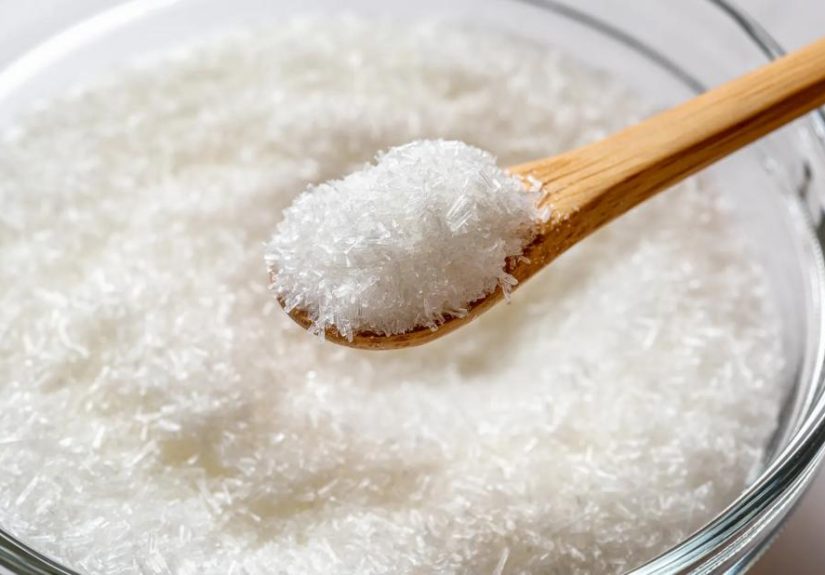
MSG stands for monosodium glutamate. Chemically, it’s the sodium salt of glutamic acid, a common amino acid.
Glutamate is naturally present in your body and in many foodsthink tomatoes, cheeses, mushrooms, and meatsso your system already knows what to do with it.
So Is MSG “Natural” or “Artificial”?
The glutamate part is the same glutamate you get from food proteins. Your body ultimately handles glutamate from added MSG and glutamate from food in similar ways.
Modern MSG is typically produced through fermentation of starches or sugars (a process conceptually similar to how foods like yogurt or vinegar are made),
then purified into a white crystalline seasoning.
Why Does MSG Make Food Taste So Good?
MSG boosts umami, the savory “fifth taste” that makes soups taste deeper, sauces taste rounder, and roasted vegetables taste like they finally
achieved their life’s purpose. On its own, MSG isn’t a full “flavor” the way sugar is sweet or vinegar is sour; it’s more like a flavor amplifier.
Practical example: If salt makes chicken taste more like chicken, MSG can make it taste more like chicken you actually want to eat.
It’s why it shows up in broths, soups, seasoning blends, snack foods, and plenty of restaurant dishes.
Is MSG Bad for You? What the Research and Health Authorities Say
FDA: Generally Recognized as Safe
In the U.S., the Food and Drug Administration (FDA) considers added MSG “generally recognized as safe” when used as intended.
The FDA also notes an important point: even in studies of people who believe they’re sensitive to MSG, researchers haven’t been able to reliably trigger reactions
compared with placebo in a consistent way across studies.
“MSG Symptom Complex” Isn’t the Same as an Allergy
You may have heard the old term “Chinese restaurant syndrome.” Many medical sources now refer to reported short-term symptoms as
MSG symptom complex. Importantly, these reactions are generally described as not an allergic reaction
(meaning they don’t behave like classic IgE-mediated food allergies).
Symptoms reported by some people can include headache, flushing, tingling, palpitations, or nausea. But the big theme in careful reviews is this:
the evidence for MSG causing these symptoms during normal eating is weak and inconsistent, especially when MSG is consumed with food.
Dose and “With Food vs. Without Food” Matters
A recurring pattern in the research is that symptoms are more likely to show up in studies using large doses of MSG given
without food (often dissolved in liquid). That’s not how most people consume MSG in real life.
Systematic reviews have noted that studies giving MSG with food generally don’t find a meaningful difference in headache rates, while some “without food”
studies doyet many of those “positive” studies struggle with blinding because strong MSG solutions can taste distinctive.
Health authorities also note that reported symptomswhen they occurtend to be short-lived and mild.
The FDA describes that some sensitive individuals may experience transient symptoms when consuming around 3 grams or more of MSG
without food, a scenario that’s uncommon in normal meals.
Why MSG Got a Bad Reputation in the First Place
Part of MSG’s reputation comes from a very human habit: we remember a bad meal experience and want a clear culprit.
In the late 1960s, a letter to a medical journal helped popularize the idea that Chinese restaurant meals caused a specific cluster of symptoms,
with MSG suggested as a possible reason. Media attention did the restlike a rumor with excellent Wi-Fi.
There’s also a cultural piece: multiple modern discussions point out that suspicion around MSG has been tangled up with stereotypes about Asian food and
“foreign” ingredients, even while similar flavor boosters in other cuisines were treated as normal.
The result? MSG became a shorthand for “that stuff in takeout,” even though glutamate-rich foods (like tomatoes and Parmesan) rarely get the side-eye.
Who Might Want to Limit MSG?
For most people, MSG in typical food amounts isn’t a health problem. But there are a few situations where limiting it can be reasonable:
- You consistently notice symptoms after MSG-containing foods and they go away when you avoid them.
(Key word: consistently. One bad night of sleep plus spicy noodles isn’t a controlled trial.) - You’re following a sodium-restricted diet for blood pressure, heart, or kidney reasons.
MSG has less sodium than table salt by volume, but it still contains sodiumso it’s not “free.” - You’re trying to reduce ultra-processed foods. MSG isn’t automatically a marker of “junk,” but it’s common in packaged,
highly processed products that may be high in sodium, saturated fat, or refined carbs.
MSG and Sodium: A Useful Tool (Not a Magic Wand)
Here’s where MSG can actually be helpful: because it boosts savory flavor, it can help some people use less salt overall.
Some medical sources note MSG has roughly about one-third the sodium of table salt, so blending a little MSG with salt can maintain flavor
while lowering total sodium.
That said, if you’re watching sodium closely, the bigger wins usually come from cutting back on high-sodium packaged foods and restaurant meals.
The American Heart Association suggests a general upper limit of 2,300 mg sodium per day (with a lower ideal target for many adults),
and most people get the majority of their sodium from packaged and restaurant foodsnot the salt shaker.
How to Spot MSG on Ingredient Labels
In the U.S., when MSG is added as an ingredient, it must be listed on the label as monosodium glutamate.
Things get confusing because some ingredients naturally contain free glutamates (like yeast extract or hydrolyzed proteins).
Those ingredients must be listed by name, but the label doesn’t have to say “contains naturally occurring MSG.”
Quick label-reading tips
- Look for: “monosodium glutamate” in the ingredient list.
- Know the usual suspects: yeast extract, hydrolyzed vegetable protein, hydrolyzed yeast, soy extracts, and protein isolates can contain
naturally occurring glutamates. - Don’t confuse glutamate with gluten: the words look alike, but glutamate is not gluten.
If someone reacts to a product like soy sauce, it may be due to other ingredientsnot the MSG itself.
Is MSG “Worse Than Salt,” “Worse Than Sugar,” or “Bad for Your Brain”?
MSG is often dragged into bigger nutrition fears: “It’s an excitotoxin!” “It fries your brain!” “It causes obesity!”
A reality check helps:
- Brain concerns: Scary claims often come from animal studies using extreme dosing or non-typical exposure routes.
Human dietary exposure is different, and major reviews focus on typical intake and real-world metabolism. - Weight concerns: MSG can make food more appealing, which could theoretically encourage overeating in some contexts.
But separating “MSG causes weight gain” from “tasty ultra-processed food patterns contribute to weight gain” is tricky. - Salt comparison: If you use MSG to replace some salt, it can reduce sodium while keeping flavor.
If you add MSG and keep the same heavy salt hand, you’ve just hired two hype-men for one microphone.
How to Use MSG at Home (If You Want To)
If you’re MSG-curious, you don’t need a lab coatjust a light touch. A little goes a long way.
Here are practical, low-drama ways to try it:
Start small
Think “pinch,” not “snow globe.” Try a small amount in a pot of soup, chili, gravy, or tomato sauce.
Taste, then adjust. The goal is deeper savory flavor, not a dish that tastes like it joined a gym and won’t stop talking about it.
Use it with salt, not as the only seasoning
Many dietitians suggest combining MSG with salt (for example, a 50/50 blend) so you can potentially use less total sodium while keeping food satisfying.
This is especially handy for home-cooked meals where you control the ingredients.
Best “first try” foods
- Soups and broths
- Stir-fries and fried rice
- Roasted vegetables
- Egg dishes (scrambles, omelets)
- Meatballs, burgers, and stews
If you think you’re sensitive
Avoid experimenting on an empty stomach with a concentrated MSG solution (that’s how some studies set up challenges, not how normal meals work).
If you want to test your own tolerance, do it with food, in small amounts, and on a day when you’re not already stressed, dehydrated, or sleep-deprived
(all of which can make headaches more likely).
If you have persistent or concerning symptoms, talk with a healthcare professional.
The Bottom Line
For most people, MSG isn’t “bad for you” in the way the internet has claimed for decades.
The FDA considers it safe in typical amounts, and careful research has struggled to prove that MSG in normal eating patterns reliably triggers symptoms.
A small subset of people may experience mild, short-lived effectsmost often with large doses consumed without food.
The more practical health issue usually isn’t MSG itselfit’s the company it keeps.
MSG can show up in highly processed foods that are already high in sodium and low in nutritional value.
If you’re eating mostly whole or minimally processed foods, MSG is unlikely to be your biggest nutritional concern.
Experiences: What People Commonly Notice About MSG (And What It Might Mean)
Since MSG has a long history and a loud reputation, people tend to approach it with strong expectationsand expectations can shape experience.
That doesn’t mean everyone’s symptoms are “fake.” It means food experiences are complicated: taste, context, ingredients, and even the story we’ve heard
about an ingredient can influence what we notice afterward.
1) The “Takeout Headache” Experience
A very common report goes like this: someone eats takeout (often salty, rich, maybe spicy), then later feels a headache or flushing and blames MSG.
But when you zoom out, the meal often includes several usual suspects: high sodium, lots of refined carbs, possibly alcohol, and a big portion eaten quickly.
Some people also notice symptoms more when they’re already dehydrated or haven’t eaten much earlier in the day.
In those cases, “MSG did it” can be an easy headline, while the real explanation may be the full meal pattern.
2) The “I Cooked With MSG and Nothing Happened” Experience
Many home cooks who try MSG in small amounts describe a very boring outcomeno symptoms, just tastier food.
A pinch in soup makes it taste more “simmered,” a little in roasted vegetables makes them taste more savory, and a small amount in ground meat can make
burgers taste fuller without changing the seasoning profile.
This lines up with what health authorities emphasize: typical culinary amounts are generally well tolerated, and concerns often come from exaggerated dosing
or misconceptions about how MSG is used.
3) The “MSG Makes Me Eat More” Experience
Another experience people report is simply: “I can’t stop snacking on this.” That doesn’t mean MSG is addictive in a medical sense.
It may mean the food is engineered to be ultra-palatablecrispy, salty, savory, and easy to eat quickly.
In that scenario, MSG is more like a supporting actor. It can enhance savoriness, but the broader product design (fat + crunch + salt + flavorings)
is usually the main reason a snack disappears faster than planned.
If you notice this pattern, a practical approach is to focus less on MSG alone and more on the type of food:
swap in more filling options (protein, fiber, whole foods), portion snacks intentionally, and watch total sodium.
4) The “I Think I’m SensitiveNow What?” Experience
A small number of people strongly believe MSG triggers symptomsoften headache, flushing, tingling, or a general “off” feeling.
Controlled studies have found mixed results, and systematic reviews point out that reactions are inconsistent and harder to interpret when blinding is weak,
especially at high concentrations in liquids.
Still, from a personal, practical standpoint, if you repeatedly notice the same symptoms after specific MSG-heavy foods (and not after similar foods without it),
it’s reasonable to limit those items.
Many people who take this approach do best with a simple system:
keep a short food-and-symptom note for a couple of weeks, look for repeatable patterns,
and test one variable at a time (for example, the same meal from the same place, with and without the seasoning blend that contains MSG).
If symptoms are intense, frequent, or scary (chest pain, significant palpitations, severe headaches), it’s a medical conversationnot a seasoning debate.
5) The “MSG Stigma” Experience
Another real experience is social, not physical: some people grew up hearing that MSG is “dirty,” “toxic,” or “the reason you feel awful after Asian food.”
Then they learn that glutamate is naturally present in tomatoes and Parmesan, and that U.S. health authorities consider MSG safe in typical amounts.
That moment can feel like realizing you’ve been blaming the drummer when the whole band was loud.
People who move past the stigma often describe a more balanced view:
MSG isn’t a health food, but it’s not poison; it’s a seasoning that can make home cooking taste great,
and it can even help reduce salt in some recipes.
The “real win” is replacing fear-based rules with evidence-based habits:
eat more minimally processed foods, keep sodium reasonable, and treat flavor enhancers as toolsnot moral judgments.