Table of Contents >> Show >> Hide
- What is miso?
- Types of miso (the short, useful version)
- How to taste miso (so you actually learn what you bought)
- How to store miso (so it stays tasty)
- How to use miso: 3 golden rules
- 7 easy ways to use miso (beyond soup)
- Miso in everyday American cooking
- Miso vs. soy sauce: are they interchangeable?
- Is miso healthy? (a realistic take)
- What if I don’t have miso?
- Common miso mistakes
- 500+ words of real-world miso “experience”: what people learn after buying their first tub
- Conclusion
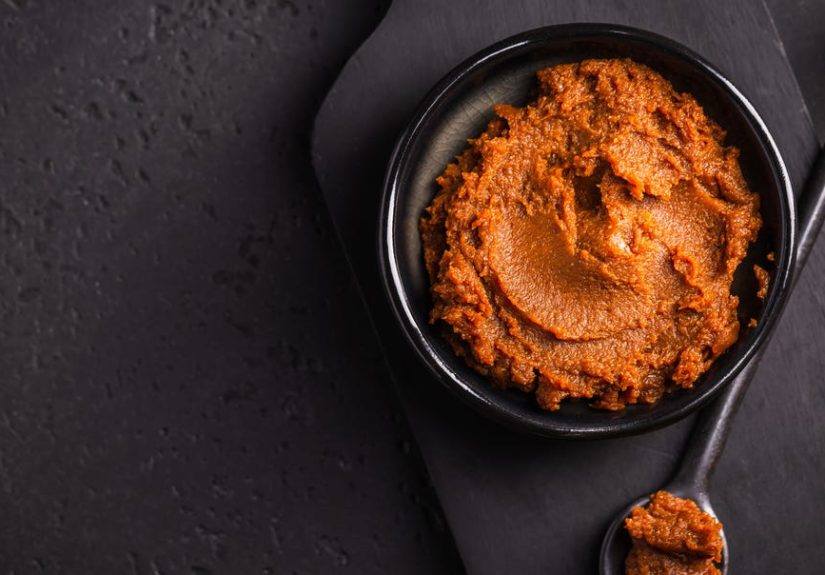
Miso looks like a humble tub of beige-to-brown paste. But one spoonful can make your food taste like it suddenly got a culinary passport. If you’ve only met miso in miso soup, you’re missing the fun: it can boost sauces, vegetables, marinades, salad dressings, and even dessert (yes, really).
This guide breaks down what miso is, what it tastes like, the main types you’ll see in U.S. stores, and the easiest ways to use it without turning dinner into a salt lick.
What is miso?
Miso is a fermented paste traditionally made from soybeans, salt, water, and koji. Koji is a grain (often rice or barley) cultivated with a beneficial mold that helps convert starches and proteins during fermentation. That process creates a paste loaded with savory, complex flavoraka umami.
Some misos include additional grains (like rice or barley) or vary the soybean-to-koji ratio. Fermentation can last from weeks to many months. Those choices change the color, sweetness, saltiness, and intensity.
What does miso taste like?
At its core, miso is salty and savory. Beyond that, it can be sweet, nutty, earthy, or pleasantly funky depending on the style. A helpful way to think about miso is as a seasoning concentrate: it’s not just “salt,” it’s salt plus fermented depth.
Types of miso (the short, useful version)
Miso is often labeled by color. Color isn’t a flavor guarantee, but it’s a good shopping shortcut.
White miso (shiro)
Mild, slightly sweet, and generally less intense. Great for dressings, creamy sauces, light broths, and “I want umami but not a punch in the face.”
Yellow miso
Middle-of-the-road and super versatile. If you want one tub that can handle soup, sauces, and quick glazes, yellow is a friendly starting point.
Red miso (aka)
Darker, saltier, and bolder from longer fermentation. Best in hearty soups, braises, mushroom dishes, and marinades for meat or rich fish.
Awase miso (blend)
A blend (often white + red) made to be flexible. If you’re allergic to decision-making, this is your miso.
A quick “which miso should I use?” cheat sheet
- Dressings, dips, creamy sauces: white or yellow
- Hearty soups, stews, braises: yellow or red
- Marinades and glazes: yellow for balanced, red for bold
- Baking (a little!): white (sweetest, least aggressive)
Buying tips in U.S. grocery stores
- Check the ingredient list. Simpler is often better: soybeans, koji, salt, water.
- Refrigerated vs shelf-stable: many unpasteurized misos are refrigerated; shelf-stable tubs are common too.
- Allergens: most miso contains soy; some includes barley or other grains that may matter if you avoid gluten.
How to taste miso (so you actually learn what you bought)
Instead of guessing based on color, do a quick taste test:
- Try a tiny dab straight (it’s saltythis is a “touch the spoon to your tongue” moment).
- Then whisk a little into warm water. Notice whether it reads sweet, nutty, or funky.
- Use that as your guide: sweeter miso loves dressings and butter; bolder miso loves meat, mushrooms, and long-simmer vibes.
How to store miso (so it stays tasty)
- Refrigerate after opening and keep it tightly covered.
- Use a clean spoon to avoid introducing funky “fridge science.”
- Expect it to darken over time; flavor can deepen too.
- Freezing works if you bought a big tubmiso usually stays scoopable because it’s salty.
How to use miso: 3 golden rules
1) Add it at the end (don’t boil it)
Many cooks avoid boiling miso after it’s added. High heat can dull delicate aromas, and unpasteurized miso may contain live cultures that heat can reduce. Practical move: stir it in when the dish is hot but not furiously boiling.
2) Dissolve it first
To avoid clumps, whisk miso with a little warm liquid (broth, water, or pasta water) in a small bowl, then stir that mixture into the pot or pan.
3) Balance it with fat and/or acid
Miso gets instantly more rounded with friends: butter, olive oil, sesame paste, mayo, yogurt (fat) and lemon juice, vinegar, or wine (acid). Add a little sweetness (honey, maple, sugar) when you want glaze vibes.
7 easy ways to use miso (beyond soup)
1) The “miso mug” (fastest comfort food)
Stir 1–2 teaspoons miso with a splash of hot water to dissolve, then top with more hot water. Add scallions, tofu, wakame, or leftovers if you want it to feel intentional.
2) Better soup, stews, and beans
When a pot tastes flateven after saltingmiso can add depth. Stir a spoonful into vegetable soup, chicken soup, lentils, chili, or beans near the end. Taste first; miso can replace some added salt.
3) Miso salad dressing (one formula, endless salads)
4) Miso butter (the weeknight cheat code)
Mix 1 tablespoon miso into 4 tablespoons softened butter. Melt it over roasted vegetables, spread on toast, toss with noodles, or finish grilled meat.
5) Glaze salmon, chicken, tofu, or eggplant
6) Miso marinade (a classic 3-part idea)
A common miso-marination approach is miso + alcohol (like sake) + something sweet (mirin or sugar). It’s especially good for fatty fish (salmon, black cod) and chicken thighs.
7) Miso mayo (aka “I made an aioli”)
Stir a teaspoon of white miso into mayo with lemon juice and black pepper. Use it as a dip, sandwich spread, or sauce for roasted broccoli and fish.
Miso in everyday American cooking
You don’t need a Japanese menu to use miso. A few low-lift ideas:
- Pasta: Stir white miso into garlic butter or a cream sauce for a savory boost.
- Mashed potatoes: Replace some salt with a spoonful of miso (plus butter).
- Pan sauces & gravy: Whisk in a teaspoon at the end, like Dijon.
- Roasted vegetables: Finish with miso butter + lemon for instant “restaurant vegetable” energy.
Miso vs. soy sauce: are they interchangeable?
They overlap in umami and saltiness, but they’re not the same tool. Soy sauce is liquid, sharper, and more “straight salty-savory.” Miso is thicker, often a bit sweeter, and carries a fermented complexity that can feel rounder. If you substitute one for the other, you’ll usually need to adjust texture and salt. A handy hack in dressings: combine tahini + soy sauce to mimic miso’s body and savoriness.
Is miso healthy? (a realistic take)
Miso can contribute protein and micronutrients in small amounts, and fermented foods may support gut health. The big asterisk is sodium: one tablespoon of miso can land in the neighborhood of 600+ mg sodium, so it’s easy to overdo it if you treat it like peanut butter.
- Moderation matters: Use small amounts for flavor, not big scoops as a main ingredient.
- Live cultures vary: Some miso is pasteurized, which can reduce live microorganisms. If you’re specifically chasing “probiotic” potential, look for unpasteurized miso and avoid boiling it.
- Soy is generally fine for most people: Reputable health sources note that soy foods are not linked to increased breast cancer risk for most people.
What if I don’t have miso?
Nothing perfectly replaces miso’s fermented depth, but you can get close depending on the recipe:
- Soy sauce/tamari: Good salt + umami, but thinner.
- Tahini + soy sauce: Useful for dressings and creamy sauces.
- Doenjang: Korean fermented soybean pastesimilar spirit, often stronger and saltier.
Common miso mistakes
- Adding it to a rolling boil (goodbye aroma).
- Dropping it in as a blob (hello clumps).
- Salting aggressively before tasting (miso is already salty).
- Using red miso when you wanted gentle sweetness (match the miso to the dish).
500+ words of real-world miso “experience”: what people learn after buying their first tub
Here’s the most common miso origin story: you buy a tub because you had an excellent bowl of miso soup somewhere. You get home, open it, smell it, and think, “This is either going to be incredible or I have accidentally purchased a jar of ocean.” Then it sits in your fridge while you gather courage.
When people finally use miso, the first surprise is how little they need. A teaspoon can season an entire bowl of broth. A tablespoon can transform a whole sheet pan of vegetables. That potency is the superpowerand also why first-timers sometimes overshoot and end up with a dish that tastes like it’s trying to impersonate the Dead Sea. The fix is simple: start small, taste, and remember you can always add more, but you can’t un-miso a sauce.
The second “aha” moment is that miso isn’t a one-note salt replacementit’s a flavor builder. People describe it as the difference between a photo with and without contrast. Your soup might already be salty enough, but it still tastes flat. Stir in a little miso at the end and suddenly it tastes rounder, warmer, more complete. That’s umami doing its thing.
Then comes the practical lesson: miso likes to be treated gently. Many home cooks learn (sometimes the hard way) that dumping miso straight into a boiling pot can lead to two disappointments: clumps that never dissolve and a flavor that seems muted compared to what they expected. Once you start dissolving miso in a little warm liquid first and stirring it in off the heat, everything gets easierand your “miso confidence” goes up fast.
After that, miso becomes a gateway ingredient. Someone tries miso butter once and starts adding it to corn on the cob, roasted potatoes, and popcorn (yes, popcorn). Someone else whisks it into a lemony dressing and discovers they like salads now, which feels like a personality change. Another person uses it in a glaze, pulls a glossy, caramelized piece of salmon out of the oven, and suddenly thinks, “Wait, I can cook.”
Another very real experience: that first tub lasts a long time. Because you use miso by the teaspoon, you’ll find it’s less like “a jar of sauce” and more like “a seasoning you own.” People often stop worrying about “finishing it quickly” and start worrying about “how did I ever cook without this?” It becomes the ingredient you add when food tastes like it’s missing… something.
Probably the most delightful miso lesson is realizing it’s not limited to Japanese dishes. It plays well with American comfort food: creamy pasta, mashed potatoes, pot pie filling, gravy, and even chili. You don’t have to announce “This is a fusion moment!” You can just quietly make the food taste better and accept the compliments.
And finally, miso teaches a very grown-up lesson: balance. Because it’s salty and intense, it begs for a partnerfat to round it out, acid to brighten it, sweetness to smooth the edges, heat to wake it up. Once you learn that miso loves lemon, butter, sesame, ginger, and honey, you stop following recipes like rules and start using them like maps. That’s when miso stops being “that paste I bought” and becomes a tool you reach for without thinking.
Conclusion
Miso is a fermented paste that brings umami, depth, and instant “why does this taste so good?” energy to all kinds of food. Choose a type that matches your dish, store it in the fridge, dissolve it before adding, and stir it in near the end. Once you do, miso stops being a specialty ingredient and starts being your secret weapon.