Table of Contents >> Show >> Hide
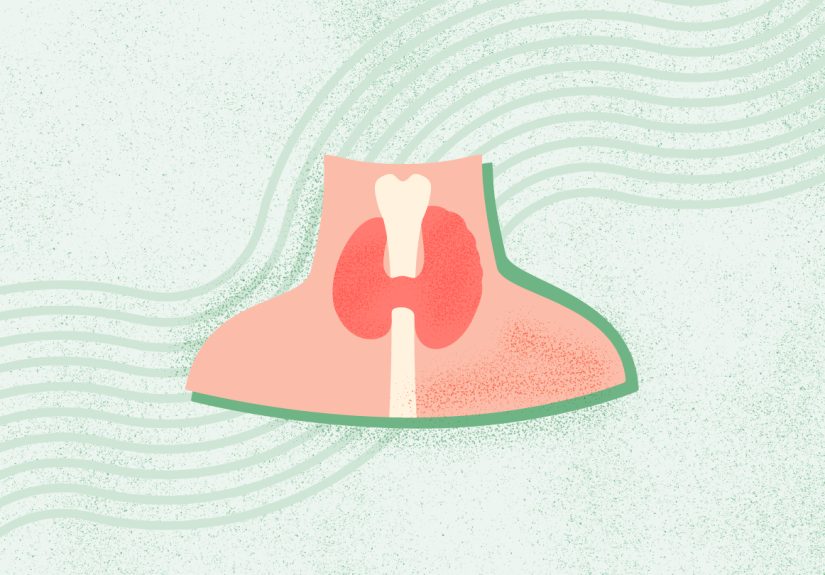
Hypothyroidism is a condition in which your thyroid gland, located in the front of your neck, does not produce enough thyroid hormones. These hormonesthyroxine (T4) and triiodothyronine (T3)are critical for regulating metabolism, energy production, and other important bodily functions. If you feel unusually tired, cold, or notice changes in your skin or hair, you may have hypothyroidism. It’s important to understand the symptoms, causes, and available treatments to manage this condition effectively. Let’s dive in.
Symptoms of Hypothyroidism
Hypothyroidism can manifest through a variety of symptoms, which can be subtle at first and may worsen over time if left untreated. Common symptoms include:
- Fatigue: Feeling constantly tired or sluggish is one of the most common signs.
- Weight Gain: Unexpected weight gain or difficulty losing weight, even with a proper diet and exercise routine.
- Cold Sensitivity: Increased sensitivity to cold, often feeling chilled even in warm environments.
- Dry Skin and Hair: Skin may become dry, and hair may thin or become brittle.
- Constipation: Difficulty with bowel movements or infrequent stools.
- Muscle Weakness: Especially in the upper arms and thighs.
- Depression or Mood Swings: Feelings of sadness, depression, or irritability that can develop over time.
- Memory Problems: Difficulty concentrating, remembering details, or experiencing brain fog.
Causes of Hypothyroidism
There are several factors that can lead to hypothyroidism. Here are the primary causes:
1. Autoimmune Disease (Hashimoto’s Thyroiditis)
The most common cause of hypothyroidism in the United States is Hashimoto’s thyroiditis, an autoimmune disorder where your immune system mistakenly attacks the thyroid gland, leading to decreased hormone production.
2. Iodine Deficiency
Though rare in developed countries, iodine deficiency can lead to hypothyroidism. Iodine is essential for the production of thyroid hormones, and insufficient iodine intake can hinder thyroid function.
3. Thyroid Surgery
Removing all or part of the thyroid gland during surgery (for example, to treat thyroid cancer or a goiter) can result in hypothyroidism.
4. Radiation Therapy
Radiation therapy used to treat cancers of the head and neck can damage the thyroid gland, leading to hypothyroidism.
5. Certain Medications
Some medications, such as lithium, used to treat psychiatric conditions, can interfere with thyroid hormone production.
Diagnosis of Hypothyroidism
If you suspect you have hypothyroidism, the first step is visiting your doctor. Diagnosis typically involves a combination of:
1. Blood Tests
The most definitive way to diagnose hypothyroidism is through a blood test that measures the levels of thyroid-stimulating hormone (TSH) and thyroxine (T4). High TSH levels combined with low T4 levels typically indicate hypothyroidism.
2. Physical Examination
Your doctor will also perform a physical examination to look for signs of hypothyroidism, such as dry skin, hair thinning, and swelling of the thyroid (goiter).
Treatment for Hypothyroidism
The good news is that hypothyroidism is treatable. Treatment typically involves thyroid hormone replacement therapy, which is a lifelong commitment. Below are the primary treatment options:
1. Levothyroxine
Levothyroxine is the most commonly prescribed medication for hypothyroidism. It is a synthetic form of T4, the thyroid hormone your body produces. Taking levothyroxine helps normalize hormone levels, alleviating the symptoms of hypothyroidism.
2. Combination Therapy
In some cases, your doctor may prescribe a combination of T4 and T3 medications. This therapy may be used if you do not respond well to levothyroxine alone, although it is less commonly used.
3. Monitoring and Adjustments
It’s important to have regular check-ups to monitor your thyroid hormone levels, as adjustments to the dosage may be required over time to ensure you’re getting the right amount of medication.
4. Lifestyle Changes
While medication is essential, lifestyle changes such as eating a balanced diet rich in nutrients, staying active, and managing stress can help support your thyroid health and overall well-being.
Prevention of Hypothyroidism
Although you can’t prevent autoimmune diseases like Hashimoto’s thyroiditis, there are some steps you can take to minimize the risk of developing hypothyroidism:
1. Ensure Sufficient Iodine Intake
Make sure you’re getting enough iodine in your diet. Iodine-rich foods include fish, dairy, and iodized salt. However, be cautious, as too much iodine can also have negative effects on thyroid health.
2. Monitor Your Health Regularly
If you have a family history of thyroid disease or autoimmune conditions, regular check-ups and blood tests are important for early detection.
3. Avoid Excessive Radiation Exposure
Minimize your exposure to radiation, especially in the neck area, to prevent damage to your thyroid gland.
Experiences with Hypothyroidism: A Personal Insight
Living with hypothyroidism can be challenging, especially in the beginning when symptoms may feel overwhelming and confusing. Many people initially struggle with the fatigue and weight gain that come with the condition, which can be discouraging. It’s common to feel frustrated when your energy levels don’t seem to match up with the tasks you want to complete. However, with proper treatment, many individuals find significant improvement.
For instance, after starting on levothyroxine therapy, some people notice a remarkable increase in their energy levels within weeks. But it’s not always a smooth journeyfinding the right dosage can be a process of trial and error, which requires patience and persistence. It’s crucial to have open communication with your healthcare provider to make sure that any adjustments are made promptly. One challenge many people face is maintaining their weight. The slow metabolism caused by hypothyroidism makes it harder to lose weight, even with a healthy diet and exercise routine. A few simple changes, like focusing on nutrient-dense foods and regular physical activity, can help manage these symptoms effectively.
In terms of emotional health, many people report feeling down or depressed as they adjust to the diagnosis. It can be reassuring to remember that hypothyroidism often contributes to mood changes, and once hormone levels are stabilized, those feelings tend to improve. Along the way, it’s helpful to connect with others who have hypothyroidism to share experiences, tips, and encouragement. Having a support system can make a significant difference in coping with the emotional ups and downs of the condition.
In conclusion, while hypothyroidism can initially feel overwhelming, it’s a manageable condition with the right treatment and lifestyle changes. By staying informed, seeking appropriate care, and maintaining regular check-ups, you can lead a healthy and fulfilling life. Remember, hypothyroidism doesn’t define who you areit’s just one part of your health journey.
Conclusion
Hypothyroidism is a condition that affects many people but can be effectively managed with the right treatment and lifestyle changes. By recognizing the symptoms early and seeking medical help, you can manage your thyroid health and avoid complications. If you experience any of the symptoms discussed in this article, it’s essential to consult your doctor for testing and diagnosis. With proper care and support, you can live a full, active life.