Table of Contents >> Show >> Hide
- Where Beef Chuck Comes From
- Why Beef Chuck Is Tough but Delicious
- Common Cuts That Come From Beef Chuck
- Best Ways to Cook Beef Chuck
- How to Buy Beef Chuck
- Beef Chuck vs. Brisket vs. Round
- Common Mistakes When Cooking Beef Chuck
- So, What Is Beef Chuck Really?
- Cooking Experiences With Beef Chuck: What It’s Like in Real Kitchens
- Conclusion
- SEO Tags
If the meat case were a high school yearbook, beef chuck would win Most Likely to Turn Into Dinner Magic After Looking a Little Rough Around the Edges. It is not the prom king of beef cuts. It is not delicate, dainty, or eager to show off. But give it time, a little heat, and maybe a Dutch oven, and beef chuck transforms from “hmm, that looks sturdy” into deeply savory, fork-tender greatness.
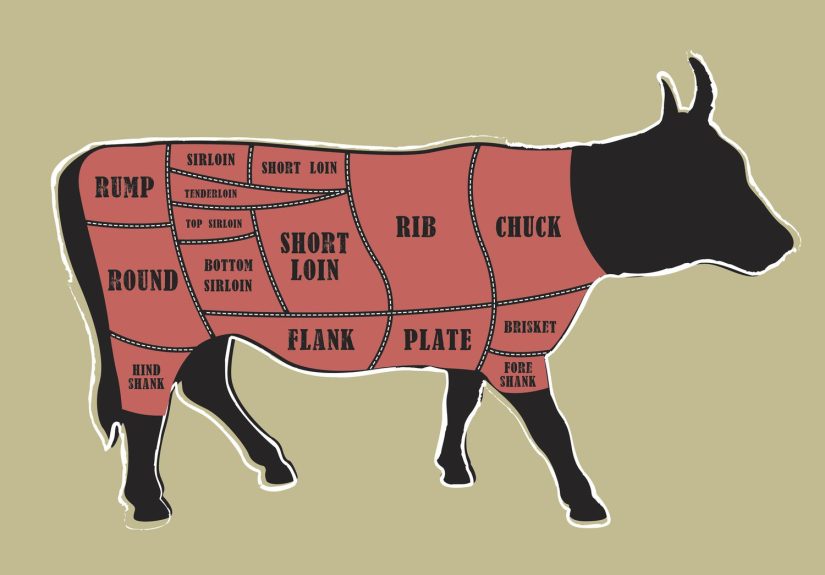
So, what is beef chuck, exactly? In simple terms, beef chuck is the primal cut that comes from the shoulder area of the cow. Because those shoulder muscles do a lot of work, chuck tends to be muscular, flavorful, and full of connective tissue. That means it is naturally tougher than premium cuts like tenderloin or ribeye, but it also delivers serious beefy flavor and often costs less. In other words, beef chuck is the overachiever of budget-friendly beef.
This cut is the reason pot roast has a fan club. It is also why stews taste rich, shredded beef sandwiches taste like victory, and burgers made with ground chuck tend to disappear suspiciously fast. Understanding beef chuck helps you buy smarter, cook better, and stop expecting a shoulder cut to behave like filet mignon. That is a bad date for everybody.
Where Beef Chuck Comes From
Beef chuck comes from the forequarter, primarily the shoulder region. Depending on the butcher, label, and level of breakdown, you may also hear it described in relation to the neck, upper arm, or shoulder blade area. Because this part of the animal does real work, the muscles develop more structure than the famously tender cuts from the loin and rib.
That work is exactly why chuck has such a strong personality. The muscle fibers are firm, the connective tissue is plentiful, and the intramuscular fat can be generous. When people say chuck has “beefy flavor,” this is what they mean: it tastes unmistakably like beef, not like a delicate steak that whispers politely. Chuck does not whisper. Chuck arrives with a casserole dish and a point of view.
Why Beef Chuck Is Tough but Delicious
Beef chuck has a classic tradeoff: less tenderness up front, more flavor payoff later. The same connective tissue that makes it chewy when cooked too quickly becomes luxurious when cooked long and slow. Braising, stewing, pressure cooking, and smoking give the collagen time to soften and convert into gelatin, which creates that succulent, silky texture people love in pot roast, beef stew, and shredded beef.
Marbling matters too. Many chuck cuts have enough fat running through the meat to keep things juicy during a long cook. That is why chuck roast is such a popular choice for pot roast. It is flavorful, forgiving, and well-suited to recipes where the goal is tenderness rather than neat steakhouse slices. If ribeye is the flashy sports car, chuck is the dependable pickup truck that somehow also makes incredible tacos.
Common Cuts That Come From Beef Chuck
One reason beef chuck confuses shoppers is that it shows up under a lot of names. “Chuck” is the broad primal cut, but from that area come a whole cast of retail cuts, each with its own best use.
Chuck Roast
Chuck roast is the best-known cut from this section. You will also see labels like blade roast, chuck shoulder roast, arm roast, boneless chuck roast, chuck-eye roast, or seven-bone roast. These are classic low-and-slow cuts used for pot roast, braised beef, shredded beef, and slow-cooker meals. They are usually rich in flavor, well-marbled, and not especially interested in being rushed.
Chuck Eye Steak
Chuck eye steak is often described as a more affordable cousin to ribeye. It comes from the chuck near the rib end, so it can offer impressive marbling and solid tenderness compared with other chuck cuts. It is not identical to ribeye, but when cooked properly, it can be a very satisfying option for people who want good steak flavor without ribeye pricing.
Flat Iron Steak
Flat iron steak comes from the top blade portion of the chuck and is one of the more tender cuts in the entire animal once the tough internal connective tissue is removed. This is the rebel of the chuck family: it proves that not everything from the shoulder must be braised for hours. Flat iron is excellent for grilling, pan-searing, and slicing across the grain.
Denver Steak
Denver steak also comes from the chuck and has built a loyal following because it balances tenderness, marbling, and bold flavor. If you have ever had a steak from the chuck and thought, “Wait, this is actually fantastic,” there is a good chance Denver steak was involved.
Mock Tender, Shoulder Steak, and Country-Style Chuck Ribs
These cuts sound like they are trying to help you, but they still require smart cooking. Mock tender is not truly tender in the way the name suggests. Shoulder steaks can be flavorful but may need marinating or careful cooking. Country-style chuck ribs are delicious when braised, smoked, or cooked low and slow until tender.
Ground Chuck
Ground chuck is one of the most popular ways this primal cut reaches home kitchens. Because chuck offers a nice balance of beefy flavor and fat, it is often preferred for burgers, meatballs, meatloaf, chili, and sauces. It is the practical, delicious middle ground that makes people ask why they ever bothered with bland burgers in the first place.
Best Ways to Cook Beef Chuck
The golden rule of beef chuck is simple: match the cooking method to the cut. Some chuck cuts can be grilled like steaks, but most are happiest when you give them time.
Braising
Braising is one of the best methods for chuck roast. You brown the meat first, add liquid, cover it, and cook it gently until tender. This can happen in the oven, on the stovetop, or in a slow cooker. The payoff is soft, rich meat and a sauce that tastes like it spent all day getting its life together.
Slow Cooking
Slow cookers and chuck were clearly meant to meet. Chuck roast holds up well over several hours, and the long cooking time allows the connective tissue to melt into the meat. This makes chuck ideal for shredded beef sandwiches, pot roast with vegetables, taco fillings, and hearty Sunday dinners that make your kitchen smell like someone loves you.
Pressure Cooking
Need the low-and-slow effect without the all-day wait? A pressure cooker can make chuck tender much faster. The flavor profile stays rich, and the texture can still become shreddable and satisfying. It is not magic, but it is close enough to make weeknight cooks suspicious.
Smoking
Beef chuck also works beautifully in barbecue. Smoked chuck roast can deliver deep flavor and excellent texture, especially when cooked patiently and rested well. Some pitmasters even treat it like a more accessible alternative to brisket for pulled beef.
Grilling or Searing
Only certain chuck cuts belong here. Flat iron, Denver steak, and chuck eye steak can all do very well with high-heat cooking. The key is knowing that these are specific exceptions, not permission to throw every chuck cut on a hot grill and hope for the best. Hope is not a cooking method.
How to Buy Beef Chuck
When shopping for beef chuck, start by reading the label carefully. “Chuck” is broad, so you want to know whether you are buying a roast, a steak, ribs, or ground chuck. If you are making pot roast or stew, look for a well-marbled chuck roast with good color and a shape that will cook evenly.
For braising, marbling is your friend. A leaner roast may look tidy in the package, but the extra fat and connective tissue in a well-marbled chuck cut usually translate into better flavor and texture after a long cook. If you are buying a steak cut from the chuck, ask whether it is flat iron, Denver, or chuck eye. Those names tell you a lot more than a vague package sticker ever will.
If you are unsure, ask the butcher what the cut is best for. Butchers love this question because it allows them to prevent unnecessary heartbreak in aisle five.
Beef Chuck vs. Brisket vs. Round
People often compare chuck with brisket and round because all three are commonly used for roasts, braises, and slow-cooked dishes. They are not interchangeable in every situation, though.
Chuck usually offers the best combination of price, marbling, and bold flavor. It becomes wonderfully tender when braised and is often the first choice for pot roast.
Brisket comes from the chest and has a different grain and structure. It is famous in barbecue and also works for braising, but it slices and shreds differently than chuck.
Round comes from the rear leg and is generally leaner. It can work for roast-style dishes, but it tends to be less rich and less forgiving than chuck. If chuck is the juicy storyteller, round is the organized cousin who packs a lunch and folds the napkins.
Common Mistakes When Cooking Beef Chuck
Cooking It Too Fast
This is the big one. If you cook a chuck roast like a tender steak, it will likely turn out chewy, dry, or both. Chuck usually needs time for its connective tissue to break down.
Buying the Wrong Chuck Cut for the Job
Flat iron steak and chuck roast are both from chuck, but they do not belong in the same recipe. One is made for quick cooking, the other for patience. Using the wrong cut is like wearing hiking boots to a wedding: technically possible, emotionally confusing.
Skipping the Thermometer
For safety, whole beef roasts should reach a minimum internal temperature of 145°F and rest for at least 3 minutes, while ground beef should reach 160°F. For texture, many braised chuck roasts go far beyond the safe minimum because tenderness improves as collagen breaks down. Safe and tender are related, but they are not the same finish line.
Not Letting It Rest or Slice Properly
If you are serving a steak-like chuck cut, resting helps preserve juices. Slicing against the grain matters too, especially for cuts with noticeable muscle structure. When in doubt, thinner slices are usually kinder.
So, What Is Beef Chuck Really?
Beef chuck is the hardworking shoulder cut that proves expensive does not automatically mean better. It is rich, versatile, and deeply flavorful. It can become pot roast, stew meat, smoked beef, shredded tacos, chili, burgers, and surprisingly excellent steaks when you choose the right subcut.
The real secret is respect. Chuck rewards cooks who understand what it is: not a fancy fast-cooking cut, but a flavorful, practical, high-potential piece of beef that shines when treated appropriately. Give it patience, moisture, smoke, or a grinder, and it will pay you back in a way that feels almost smug.
If you have ever eaten a fork-tender roast and wondered why it tasted so much better than it had any right to, there is a good chance beef chuck was behind the curtain, doing the heavy lifting like the kitchen legend it is.
Cooking Experiences With Beef Chuck: What It’s Like in Real Kitchens
The first thing many home cooks notice about beef chuck is that it looks a little intimidating in the package. It is not uniformly shaped, the grain can seem to run in different directions, and it rarely has the polished beauty of a steakhouse cut. Then you cook it low and slow, and suddenly the entire kitchen smells like you invited a grandparent, a cowboy, and a very talented diner cook to collaborate on dinner. That is the emotional power of chuck. It does not start pretty, but it finishes with authority.
One common experience is the “I thought I ruined it” phase. About an hour or two into a braise, chuck can still seem stubborn. You poke it with a fork, it resists, and you begin questioning your life choices. Then, somewhere later in the cook, the meat relaxes. The connective tissue softens, the juices deepen, and what looked like a dense shoulder roast becomes tender enough to pull apart with almost no effort. Chuck teaches patience the way old-school recipes do: not with a lecture, but with dinner.
Another very real experience is discovering how forgiving chuck can be compared with expensive cuts. A ribeye can be glorious, but it can also punish distraction. Chuck is different. It is built for longer cooking windows. If your onions brown a little extra, if your braising liquid is improvised, or if dinner gets delayed by half an hour, chuck often stays on your side. That makes it especially comforting for newer cooks, busy parents, and anyone who has ever followed a recipe while also answering texts, finding missing homework, and pretending the smoke alarm is just enthusiastic.
Then there is the leftover experience, which is honestly one of chuck’s greatest flexes. Day-one chuck roast is excellent. Day-two shredded beef sandwiches, tacos, pasta sauce, hash, or beef-and-vegetable soup can be even better. The flavor settles in, the meat absorbs more of the cooking liquid, and the whole thing somehow tastes more intentional. Chuck is one of those rare ingredients that seems perfectly happy to keep contributing long after the first meal is over.
For grill enthusiasts, the surprise often comes from the steak-style cuts. People who assume all chuck is stew meat are usually startled by a well-cooked flat iron, Denver steak, or chuck eye. These cuts can be deeply flavorful, satisfying, and relatively affordable. The experience is often half dinner, half revelation. You take a bite and think, “Wait, this came from the shoulder?” Yes. Yes, it did. The chuck section contains multitudes.
And finally, there is the budget experience. Beef chuck often becomes the cut that changes the way people shop. Instead of chasing only premium steaks, they begin noticing how much value lives in cuts that need technique more than prestige. That feels empowering. It turns the meat case from a place of confusion into a place of strategy. Once you understand chuck, you stop seeing it as the cheaper option and start seeing it as the smarter one. That is when cooking gets more fun, because you are no longer buying labels. You are buying outcomes.
Conclusion
Beef chuck is one of the most useful cuts in American cooking because it offers flavor, versatility, and value in one hardworking package. It comes from the shoulder, contains generous connective tissue and marbling, and performs best when you match the method to the cut. Braise a chuck roast, grind it for burgers, smoke it for sandwiches, or sear the right chuck steak over high heat. However you use it, beef chuck rewards cooks who understand its strengths.
In other words, beef chuck is not the beef aisle’s drama queen. It is the reliable character actor who steals the whole movie.