Table of Contents >> Show >> Hide
- What “Tumble Dry” Actually Means
- When You Should Use Tumble Dry (and Which Setting)
- When You Should NOT Use Tumble Dry
- Choosing the Right Tumble Dry Setting
- Smart Tumble Drying Habits for Best Results
- Common Tumble Dry Mistakes (You Can Fix Today)
- Bringing It All Together
- Real-Life Tumble Dry Lessons & Experiences (Extra Deep-Dive)
If you’ve ever stared at a laundry label wondering whether that mysterious square-with-a-circle symbol means “go ahead, it’s fine” or “ruin this shirt in 42 minutes,” you’re not alone. Tumble drying sounds simple, but using it wrong is how favorite jeans shrink, towels turn into cardboard, and delicate tops mysteriously age 10 years in one cycle.
The good news: once you understand what “tumble dry” really means, when to use it, and how to match fabrics to heat settings, your dryer turns from silent saboteur into your most efficient housemate. Let’s decode it in clear, practical terms (with a little humor and zero guesswork).
What “Tumble Dry” Actually Means
“Tumble dry” is a drying method where clothes are rotated in a drum while warm (or cool) air circulates around them. No sun, no clothesline, no praying over a dripping sweater on a chair. Just mechanical tumbling plus controlled heat.
On your care label, the tumble dry symbol is a square with a circle inside. That’s your official green light: this garment can go in a dryerif you choose the right setting. If that square-circle is crossed out, the answer is a hard no. Step away from the Start button.
Decoding Tumble Dry Symbols (Without a PhD)
- Plain square + circle: Tumble dry allowed at normal setting.
- Square + circle + one dot: Tumble dry on low heat.
- Square + circle + two dots: Tumble dry on medium heat.
- Square + circle + three dots: Tumble dry on high heat (usually sturdy fabrics only).
- Square + circle + line(s) under it: Gentle or permanent press cycle (less heat, less stress).
- Square + circle + X over it: Do not tumble dry. They’re not kidding.
Those tiny dots and lines aren’t design flourishes. They’re your fabric’s survival guide.
When You Should Use Tumble Dry (and Which Setting)
Tumble drying shines when you’re dealing with sturdy, everyday fabrics that can handle heat and motion. Use it when you want quick, convenient results without sacrificing the life of your clothes.
Great Candidates for Tumble Dry
- Cotton basics: T-shirts, socks, underwear, sheets, pillowcases, most towels. Use medium to high heat if the label allows, but choose medium or low if you want to reduce shrinkage.
- Cotton blends & polyester: School uniforms, polos, athleisure, wrinkle-resistant shirts. Work well on low to medium heat, often with a permanent press cycle to reduce wrinkles.
- Durable loungewear & pajamas: Most modern knitwear blends are dryer-friendly on low or medium.
- Colorfast towels & sturdy linens: These love the dryerjust avoid over-drying to keep them fluffy instead of scratchy.
When in doubt and the label says tumble dry but not how: start with low heat. You can always add a few minutes. You cannot un-shrink a pair of jeans that now belong to your 10-year-old.
When You Should NOT Use Tumble Dry
Some fabrics age badly in a tumble dryer: they shrink, scorch, warp, melt, or just look tired long before their time. If the label says “do not tumble dry,” believe it. If it doesn’t, but the fabric screams “fragile,” also believe that feeling.
Skip the Dryer for These
- Silk, lace, chiffon, and delicate synthetics: Heat + tumbling can warp fibers, ruin drape, or cause snags. Air dry flat or on a hanger.
- Wool & many knits: High risk of shrinking or felting. Use a wool-specific cycle (if your machine has it and the label allows) or lay flat to dry.
- Anything with elastics or lots of spandex: Sports bras, leggings, shapewear, swimwear. Repeated high heat cooks the stretch. Hang or lay flat.
- Embellished, beaded, sequined, or appliquéd items: Tumble action can break details or damage the drum.
- Leather, suede, faux leather, coated fabrics: The dryer is their natural enemy. Always air dry away from direct heat.
- Waterproof or rubber-backed items: Mats, some outerwear, or items with foam/rubber can melt, crack, or become a fire hazard.
- “Dry clean only” garments: If the label says that, the manufacturer is politely saying, “Please don’t experiment.”
Whenever you’re unsure, scan the care label first. Your label knows more than TikTok comments.
Choosing the Right Tumble Dry Setting
The difference between “perfectly dry” and “how did this become doll clothes?” is usually the setting, not the dryer itself. Here’s how to match common settings to real-life laundry.
Tumble Dry Low
Uses lower heat for longer time. Ideal for:
blouses, synthetics, activewear blends, knit tops, lightly embellished items, and anything labeled with one dot.
Choose this when you want to protect shape, elasticity, and color.
Tumble Dry Medium
Your everyday workhorse. Great for:
cotton blends, shirts, pajamas, lightweight jeans, casual wear.
Enough heat to get things dry without going full dragon-fire.
Tumble Dry High
Best reserved for:
thick towels, sturdy cotton sheets, heavy-duty workwear that explicitly allow it.
Avoid for anything fitted, tailored, stretchy, or sentimental.
Delicate, Gentle, or Permanent Press
- Delicate/Gentle: Low heat, softer tumbling. Good for lingerie, light synthetics, and items that say tumble dry low with a gentle note.
- Permanent Press/Wrinkle Control: Medium heat with a cool-down phase to reduce wrinkles. Ideal for dress shirts, blouses, and synthetics.
No Heat / Air Fluff
Uses room-temperature air and tumbling only. Use this to:
freshen clothes, dry items that trap heat, fluff pillows, or revive sweaters
that you don’t want exposed to direct heat.
Smart Tumble Drying Habits for Best Results
If “tumble dry” is the headline, technique is the fine print. A few simple habits can protect fabrics, save energy, and prevent annoying issues like static and shrinking.
- Always read the care label first. Five seconds here saves $50 later.
- Sort by fabric and weight. Dry heavy towels separately from lightweight tops so everything dries evenly.
- Don’t overload. Clothes need space to tumble. An overstuffed drum = damp, wrinkled, sad laundry.
- Use automatic moisture-sensing cycles when available. They stop when clothes are dry to prevent overcooking fibers.
- Stop at “slightly damp” for some items. Jeans, shirts, and cottons last longer if you finish them on a hanger instead of baking them bone-dry.
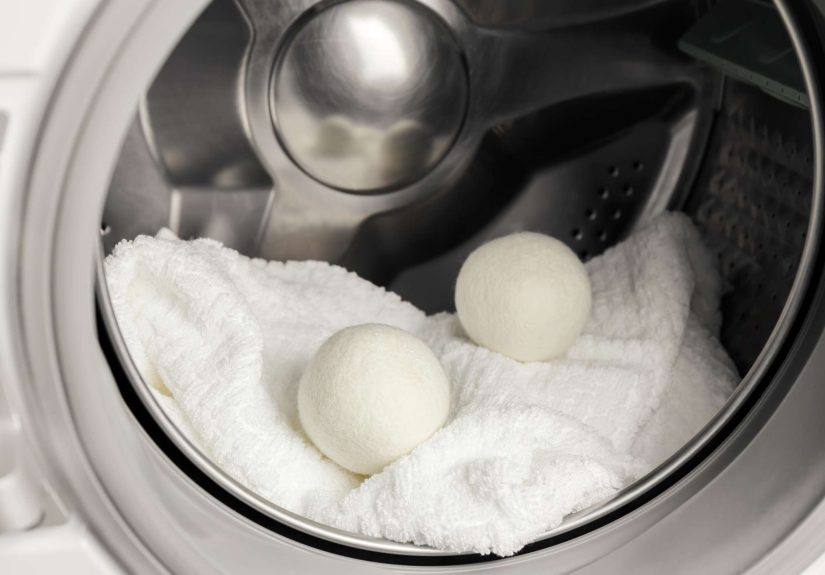
- Use dryer balls instead of heavy fragrances. They help reduce static and improve airflow without coating fabric.
- Clean the lint filter every load. Better performance, lower fire risk, faster dry times.
- Watch labels on down, technical gear, and specialty items. Many are tumble-dryable, but only on very specific settings.
Common Tumble Dry Mistakes (You Can Fix Today)
- Cranking high heat “to save time”: Often leads to shrinkage, fading, and damage. Medium or low is usually enough.
- Ignoring “do not tumble dry” labels: That’s a short road to warped bras, melted prints, or misshapen sweaters.
- Leaving clothes in the drum for hours: Causes deep wrinkles and musty smells. If life happens, run a short refresh or air-fluff cycle.
- Drying stains you haven’t treated: Heat sets stains. Always pre-treat before washing and drying.
Bringing It All Together
“Tumble dry” isn’t a vague suggestion; it’s a clear invitationwith conditions. Use it confidently on sturdy, label-approved fabrics. Match the dots and words on your care tag to the right setting. Go gentler when unsure, and respect the big red flags like “do not tumble dry” and delicate fibers that obviously didn’t sign up for hot gymnastics.
Once you understand how tumble drying works with heat, fabric type, and cycle choice, you get faster laundry days, fewer ruined pieces, softer towels, and clothes that actually last long enough to justify what you paid.
On-Page SEO Wrap-Up
sapo: Confused by “tumble dry,” dots, symbols, and dryer settings? This in-depth guide translates every label, explains which fabrics love (and hate) the dryer, and shows you exactly when to use low, medium, or high heat for softer towels, zero shrink disasters, and longer-lasting clothes. Perfect for busy households who want faster laundry days without sacrificing their favorite pieces.
Real-Life Tumble Dry Lessons & Experiences (Extra Deep-Dive)
The difference between people who fear their dryer and people who quietly dominate laundry day usually comes down to a few lived-in lessons. Think of this as the “advanced class” in tumble dry wisdombuilt from real-world scenarios you or your readers will instantly recognize.
1. The Shrunk-Jeans Situation. Someone washes brand-new 100% cotton jeans, tosses them in on high heat, and suddenly they’re “inspiration jeans” instead of actual jeans. The fix next time? Wash inside out, tumble dry on low until slightly damp, then hang to finish. This simple shift keeps denim soft, fitted, and not two sizes smaller by month three.
2. The Towel Dilemma: Soft vs. Sandpaper. Many households run towels on max heat until they’re over-dried, which hardens fibers and kills absorbency. A better approach: wash in warm water, skip heavy fabric softeners that coat fibers, then tumble dry on medium until just dry. Add wool dryer balls to boost fluff. The result is hotel-level towels without buying “luxury spa” replacements every year.
3. The Leggings & Sports Bra Tragedy. Activewear made with spandex or elastane feels invincibleright up until the elastic goes crunchy and the waistband waves the white flag. The pattern is always the same: constant high-heat tumble drying. The smarter routine? Wash cool, tumble dry low briefly or air dry. Readers who make this one change often double the life of their workout pieces (and save serious money).
4. The “Do Not Tumble Dry” Experiment Gone Wrong. Every home has at least one story: a wool sweater, silk blouse, or “dry clean only” dress sacrificed to “How bad could it be?” Tumble drying ignores fiber structure; wool fibers lock and shrink, silk loses sheen, structured garments collapse. Sharing these stories in your contentand pairing them with side-by-side “label says / reality if ignored” examplesdrives home why those symbols matter more than random internet hacks.
5. The Overloaded Drum Disaster. Stuffing an entire week of laundry into one cycle feels productive but leads to half-damp clothes, twisted seams, deep wrinkles, and sensors that misread moisture. Experienced users treat their dryer like an appliance, not a storage bin: smaller loads, similar fabrics together, and space for clothes to move. Ironically, two right-sized loads often finish faster than one monster load that has to be re-run.
6. The Static & Scent Obsession. Many people crank dryer sheets and scented products to fight static and chase that “fresh” smell, but heavy residues can irritate skin and reduce absorbency in towels and performance fabrics. A more expert approach: lower heat, shorter cycles, natural fiber dryer balls, and proper sorting. Static drops, fabrics breathe better, and you’re not marinating clothes in chemicals just to mask over-drying.
7. The “Slightly Damp Is Your Friend” Mindset. Seasoned laundry pros rarely wait for the beep that means “every fiber is bone-dry.” Pulling shirts, jeans, and cotton dresses out while they’re just barely damp lets you smooth, reshape, or hang them so wrinkles relax naturally. This small timing tweak can replace unnecessary ironing, reduce heat damage, and keep garments looking polished longer.
All these experiences point to the same conclusion: “tumble dry” works beautifully when you treat it as a tool, not a gamble. Read the symbols, respect the fabrics, choose the lowest effective heat, and remember that over-drying is the enemy. Once your readers apply that lens, their dryer stops being where clothes go to dieand becomes a key part of a smarter, longer-lasting wardrobe care routine.