Table of Contents >> Show >> Hide
- First, What Does Vinegar Actually Do Out There?
- Reason #1: The “Driveway Crack Weed” Battle
- Reason #2: “Natural Pest Control” (Usually Ants… Sometimes Vibes)
- Reason #3: “Repel Deer, Rabbits, Cats, and Every Creature That Has Ever Looked at My Petunias”
- Reason #4: Outdoor Cleaning and “De-Gunking” Around the Yard
- Reason #5: Viral DIY “Yard Hacks” (And the Myth-Making Machine)
- So… Should You Spray Vinegar Around Your Yard?
- Bottom Line: Vinegar Isn’t a Yard SpellIt’s a Strong Ingredient With Specific Uses
- Real-World Yard Vinegar Tales (and What They Teach)
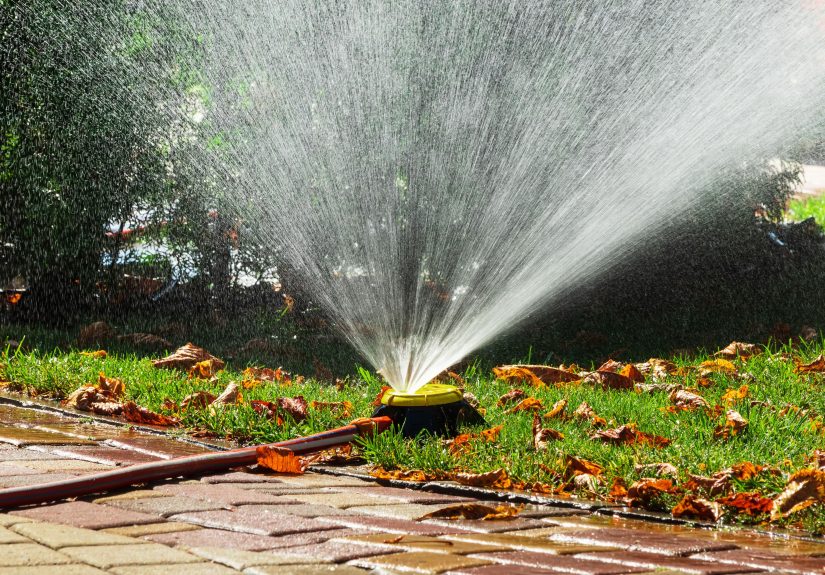
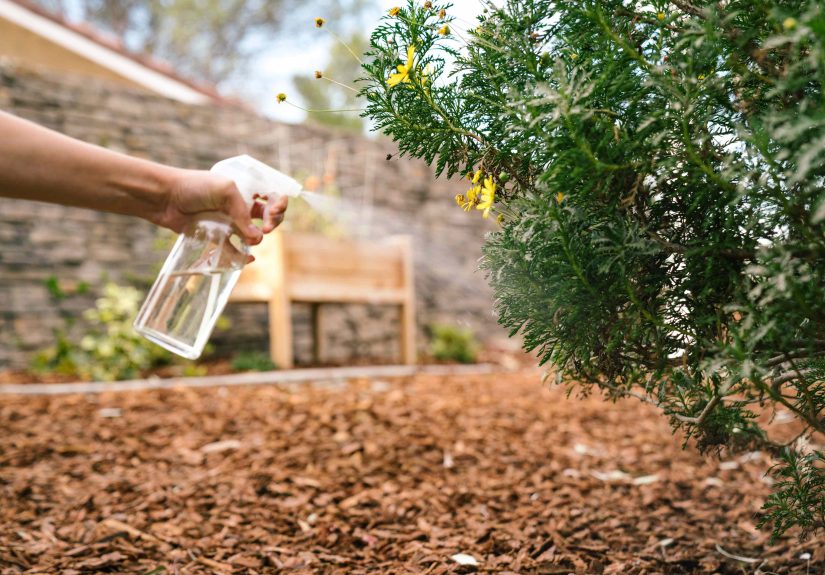
If you’ve been on the internet for more than 12 seconds, you’ve probably seen it: someone proudly misting vinegar around their yard like they’re blessing the weeds away. The captions usually read like a magical spell“No chemicals!” “Bye-bye bugs!” “Works on everything!”and the comments are a mix of “GENIUS” and “My lawn is now a crater.”
So what’s the truth? People spray vinegar outside because it’s cheap, familiar, and feels “natural.” And sometimes it does something useful. But vinegar is not a fairy godmother. It’s an acid. That means it has a specific set of strengths, a predictable set of limits, and a few ways it can backfire if you treat it like a one-bottle solution for your entire backyard.
First, What Does Vinegar Actually Do Out There?
Vinegar’s active punch comes from acetic acid. On plants, acetic acid can damage cell membranes and dehydrate the tissues it touches, which is why sprayed leaves may wilt, brown, and look dramatically defeated in a short time. That’s the key phrase: “the tissues it touches.” Vinegar works like a topical slap, not like a deep-rooted breakup text.
Household Vinegar vs. “Horticultural” (High-Strength) Vinegar
Most kitchen vinegar is about 5% acetic acid. Products sold specifically for weed control may be strongeroften marketed as herbicidal or horticultural vinegarand that higher acidity can be more effective on weeds. But higher concentration also means higher risk: stronger acetic acid can irritate or burn skin and seriously injure eyes. In other words, “natural” doesn’t automatically mean “harmless.”
Also worth knowing: U.S. regulations treat different vinegar-related products differently. Vinegar can show up in certain “minimum risk” pesticide products, and acetic acid can also be used as an herbicide active ingredient in registered products. Translation: the label matters, and “it’s just vinegar” can be an oversimplification.
Reason #1: The “Driveway Crack Weed” Battle
This is the most common (and most realistic) reason people spritz vinegar around a yard: to knock back weeds in cracks, edges, and hard-to-weed zonesthink sidewalk seams, paver joints, gravel paths, fence lines, and the “mystery strip” between a patio and the lawn mower’s patience.
When It Can Work
Vinegar is most effective on small, young weeds, especially tender annuals. Because it’s a contact herbicide, it can dry out the leafy part quickly. That’s why you’ll see people celebrate with before-and-after photos: the top growth looks toast.
When It Disappoints (A.K.A. The Dandelion Laughs)
The big limitation: vinegar typically doesn’t kill the roots. Many perennial weeds (like dandelions and other deep-rooted troublemakers) can recover. The foliage may brown, but the plant’s underground “backup plan” is still very much employed.
Why Repeating It Isn’t Always a Great Idea
Some folks respond with “Fine, I’ll just spray again.” Repeated applications can increase damage to nearby desirable plants, may affect soil chemistry in the treated area over time, and can create unintended problemsespecially if people start adding other ingredients to “boost” the mix. Vinegar is not selective. If it hits your grass or your favorite groundcover, it will not politely apologize.
Reason #2: “Natural Pest Control” (Usually Ants… Sometimes Vibes)
Another popular claim is that vinegar “keeps bugs away.” What vinegar can do in some situations is disrupt scent trailsespecially with antsbecause it helps remove the chemical cues they follow. That’s why vinegar comes up in cleaning advice for indoor ant trails.
But spraying vinegar around the yard like an invisible force field? That’s where expectations get ahead of reality. Outdoor pest pressure is bigger, trails can re-form, and vinegar isn’t a long-term nest solution. Integrated pest management guidance tends to emphasize practical steps like sanitation, sealing entry points, and targeted control methods rather than broad perimeter spraying.
If your goal is fewer ants on the patio, the most effective approach usually starts with removing what attracts them (food residue, sugary spills, pet food, leaky outdoor faucets) and addressing the sourcerather than trying to perfume the entire yard with salad dressing energy.
Reason #3: “Repel Deer, Rabbits, Cats, and Every Creature That Has Ever Looked at My Petunias”
Some people spritz vinegar near gardens because strong odors can sometimes discourage animals from browsing. You’ll see tips like vinegar-soaked rags, vinegar around bed borders, or “vinegar corners” near favorite snacking spots.
Here’s the catch: wildlife deterrence is inconsistent. Animals are motivated, rain happens, and scent-based deterrents often require frequent reapplication and rotation. Cooperative Extension recommendations for wildlife problems commonly focus on more reliable strategieslike physical barriers, habitat modification, and using labeled repellents appropriatelybecause they’re more consistent than hoping a whiff of vinegar changes an animal’s life choices.
Reason #4: Outdoor Cleaning and “De-Gunking” Around the Yard
Sometimes “spritzing vinegar around the yard” isn’t about plants or pests at all. It’s about cleaning: patio furniture, grill grates, dingy outdoor toys, sticky picnic tables, birdbath scum, mineral buildup on hoses, or that mysterious film that appears on everything the minute you clean it.
Vinegar can be a handy cleaner for certain grime, especially mineral deposits and some odors. But it’s not a universal cleaner, and it’s definitely not a guaranteed disinfectant. Public health guidance notes that vinegar isn’t EPA-registered as a disinfectant, and its effectiveness varies by organism and situation. If you’re trying to actually disinfect, you generally want an EPA-registered product used according to its label.
One More Cleaning Caution: Surfaces Vinegar Can Damage
Consumer cleaning experts routinely warn that vinegar’s acidity can harm certain materialsespecially some natural stone and sensitive finishes. Translation: vinegar is great for some messes and terrible for others. Outdoor hardscapes can also be vulnerable depending on the material.
Reason #5: Viral DIY “Yard Hacks” (And the Myth-Making Machine)
The internet loves a simple recipe. Vinegar is a star ingredient in a lot of DIY yard formulas because it’s cheap and already in the house. The problem is that these formulas often skip important context:
- “Natural” can still be harsh. High-strength acetic acid products can cause serious injury if misused.
- More ingredients ≠ better. Adding things like salt can create long-term soil and plant problems.
- A quick brown-out isn’t always a kill. Many weeds regrow from roots.
- Collateral damage is real. Vinegar doesn’t discriminate between weeds and “oops, that was my basil.”
Multiple Extension resources caution that homemade pesticide and herbicide “recipes” can be ineffective, risky to people and pets, and unpredictable for the environmentespecially when people start combining household products that were never designed to be used together outdoors.
So… Should You Spray Vinegar Around Your Yard?
It depends on your goal. Vinegar is most defensible as a spot treatment for small weeds in hardscape cracks where you’re not worried about nearby plants. It’s much less reliable as a broad-spectrum “yard spray” for pests or wildlife, and it’s not a great plan if you’re aiming for long-term weed control on established perennials.
Situations Where It’s Usually a Bad Idea
- Spraying over lawn areas you want to keep green and alive.
- Spraying near ornamentals, vegetables, or young trees where drift can cause damage.
- Using high-strength products without careful safety precautions and label guidance.
- Repeatedly applying in the same soil area with the hope it “eventually fixes everything.”
- Mixing vinegar with other household chemicals (don’t).
Smarter, More Reliable Alternatives (That Don’t Rely on Internet Magic)
If weeds are the problem, long-term strategies often outperform quick sprays:
- Mulch in beds to block light and suppress weed germination.
- Mechanical removal (hand pulling, hoeing) before weeds set seed.
- Edge management (clean borders, defined beds) so weeds don’t creep from “wild” zones.
- Hardscape maintenance like repairing joints and controlling soil buildup in cracks where weeds sprout.
- Targeted products used according to label directions when neededespecially for stubborn perennial weeds.
If pests are the problem, focus on the attractants and the source. If wildlife is the problem, barriers and proven deterrent strategies typically beat scent-only tactics. Vinegar can be a tool in the toolboxjust not the entire toolbox duct-taped together.
Bottom Line: Vinegar Isn’t a Yard SpellIt’s a Strong Ingredient With Specific Uses
People spray vinegar around their yard because it feels like a clever shortcut: cheap, easy, and “natural.” And yesvinegar can scorch small weeds on contact. That’s real. But it also has real limitations: it usually doesn’t kill roots, it can injure desirable plants, and stronger vinegar products can be hazardous if handled casually.
If you treat vinegar like a precise toolspot use, realistic expectations, safety-firstit can help in certain situations. If you treat it like a universal yard cure, you may end up with crispy weeds, stressed plants, and the distinct vibe of a backyard that smells like a pickle jar had a midlife crisis.
500+ words of experiences added below to lengthen the article
Real-World Yard Vinegar Tales (and What They Teach)
If you ask a group of homeowners why they’ve sprayed vinegar outside, you’ll get a surprisingly consistent set of stories. The first one almost always starts with: “It worked… at first.” Someone notices a line of tiny weeds in the sidewalk cracks, spritzes vinegar, and the weeds look miserable by the afternoon. Victory! Photos are taken. Group chats are notified. A neighbor is spiritually recruited into the Church of Vinegar.
Then comes the sequel. Two weeks later, the same crack looks like it’s hosting a weed reunion tour. That’s when people learn the “contact herbicide” lesson the hard way: the top growth went down, but the roots didn’t get the memo. The experience usually ends in one of two directions: either the person switches to prevention (cleaning out the crack, adding joint sand, keeping debris from collecting), or they keep spraying and become increasingly irritated that their vinegar budget now rivals their streaming subscriptions.
Another common experience comes from the “spray the border of everything” era. Someone reads that vinegar “repels” pests, so they mist the perimeter of a patio, the base of the fence, maybe a few spots near the garden bed. For a day or two, it feels like something must be happeningbecause doing something always feels productive. But then the ants return, or the bugs remain indifferent, and the person realizes the yard is not a single indoor countertop you can wipe once and call it solved. The lesson here: when pests are involved, the most satisfying results usually come from removing attractants and addressing the source, not from scent-spraying the outdoors like you’re freshening a hotel lobby.
The wildlife stories are the most dramatic. People will swear vinegar kept deer awayright up until the deer came back, ate the flowers, and left like they paid rent. Those who “win” with vinegar often used it as part of a bigger strategy: fencing, rotating deterrents, reducing cover, protecting the most vulnerable plants, and staying consistent. The ones who “lose” were usually hoping a smell alone would out-negotiate a hungry animal. Nature’s negotiation style is: “Thanks for the scent. Anyway, I’m eating your tulips.”
Outdoor cleaning is where vinegar gets some of its most loyal fans. People describe using it to cut through mineral crust on outdoor items, lift odors, or brighten certain grimy surfacesespecially when they’re trying to avoid harsh-smelling cleaners. But even here, the stories come with a cautionary footnote: someone eventually learns that vinegar and certain materials do not get along. The “I sprayed it on my nice surface and now it looks weird” moment is practically a rite of passage. That experience teaches a valuable habit: test in a small, hidden spot, and remember that acids can etch or dull finishes.
Overall, the real-world pattern is clear: vinegar tends to be most satisfying when it’s used narrowlysmall weeds in cracks, specific cleaning jobs, occasional odor-related tasksand most disappointing when it’s used broadly, repeatedly, or as a substitute for strategies that actually solve the underlying problem. The best “vinegar yard” stories end with a balanced conclusion: it’s helpful sometimes, but it’s not magic. And honestly, that’s still a winbecause the true magic is learning what works before you accidentally pickle your landscaping.