Table of Contents >> Show >> Hide
- Why You’ll Love This Vegetable Beef Soup
- Key Ingredients (and the Best Cut of Beef)
- Classic Vegetable Beef Soup Recipe (Stovetop)
- Easy Variations (Slow Cooker, Instant Pot, and Ground Beef)
- Make-Ahead, Storage, and Freezing Tips
- Common Mistakes (and How to Avoid Them)
- What to Serve with Vegetable Beef Soup
- Real-Life Experiences with Vegetable Beef Soup
- Conclusion
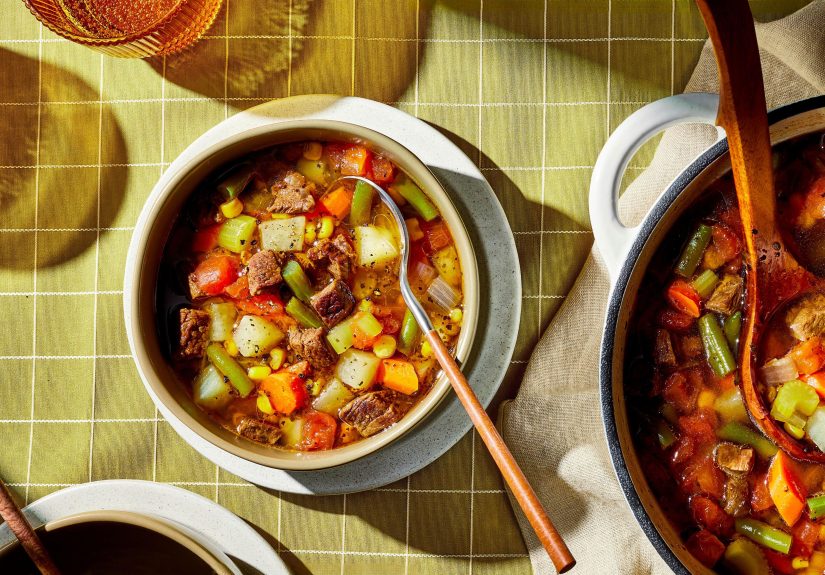
If cozy had a flavor, it would taste like a big steaming bowl of vegetable beef soup.
Tender beef, sweet carrots, soft potatoes, and a tomato-rich broth all hanging out in one pot?
That’s not just dinner – that’s therapy with a spoon.
This vegetable beef soup recipe pulls together the best tricks from classic American home cooks:
browning the beef for deep flavor, layering aromatics, using the right potatoes so they don’t fall apart,
and simmering everything until it tastes like it cooked all day – even if it didn’t.
Why You’ll Love This Vegetable Beef Soup
- Hearty and filling: Packed with protein, fiber, and a rainbow of vegetables.
- Flexible: Swap veggies based on what’s in your fridge or freezer.
- Meal-prep friendly: Tastes even better the next day and freezes beautifully.
- Family-approved: Mild, comforting flavors that work for picky eaters.
Think of this as a hybrid between an old-fashioned beef soup simmered for hours and the faster,
weeknight-friendly versions that use some smart shortcuts without sacrificing flavor.
Key Ingredients (and the Best Cut of Beef)
The Best Beef for Vegetable Soup
For classic vegetable beef soup, chuck roast is the star. It has just enough fat and connective tissue
to turn meltingly tender when simmered low and slow. Leaner cuts can turn dry or chewy, while chuck
becomes fork-tender and infuses the broth with beefy richness.
Other options if you don’t have chuck roast:
- Beef stew meat: Convenient, already cubed, but check for large, tough pieces.
- Sirloin: Leaner and quicker to cook; good if you prefer less fat.
- Ground beef: Great for a budget-friendly, faster version with smaller bites of meat.
Essential Vegetables
Classic vegetable beef soup has a “core cast” of veggies, plus extras you can mix and match:
- Aromatics: Onion, carrot, and celery form the flavor base.
- Potatoes: Yukon Gold or red potatoes hold their shape better than russet potatoes.
- Green beans: Fresh or frozen; add texture and color.
- Corn and peas: Usually frozen; add sweetness and extra veggie power.
- Tomatoes: Canned diced tomatoes or crushed tomatoes help create a rich, slightly tangy broth.
Flavor Boosters
This is where your soup becomes unforgettable instead of just “fine”:
- Beef broth or stock: Low-sodium gives you better control over seasoning.
- Tomato paste: Adds body and a deeper tomato flavor.
- Worcestershire sauce or soy sauce: A little umami goes a long way.
- Dried herbs: Thyme, oregano, basil, parsley, and bay leaves are classics.
- Acid at the end: A splash of vinegar or squeeze of lemon brightens the whole pot.
- Fresh parsley: Stirred in at the end for color and freshness.
Classic Vegetable Beef Soup Recipe (Stovetop)
Approximate Yield
Makes about 6–8 servings.
Ingredients
- 2 pounds chuck roast, trimmed and cut into 1-inch cubes
- 2 tablespoons olive oil or vegetable oil, divided
- 1 ½ teaspoons kosher salt, divided (plus more to taste)
- 1 teaspoon freshly ground black pepper, divided
- 1 medium yellow onion, diced
- 3 carrots, peeled and sliced
- 2 ribs celery, sliced
- 3 cloves garlic, minced
- 1 tablespoon tomato paste
- 1 can (14.5 ounces) diced tomatoes, with juices
- 6 cups low-sodium beef broth (plus a little water if needed)
- 2 bay leaves
- 1 teaspoon dried thyme
- 1 teaspoon dried oregano or Italian seasoning
- ½ teaspoon dried basil
- 3 cups diced Yukon Gold or red potatoes (about 3 medium)
- 1 cup green beans (fresh or frozen, cut into 1-inch pieces)
- 1 cup frozen corn kernels
- 1 cup frozen peas
- 1 tablespoon Worcestershire sauce (optional but highly recommended)
- 1–2 teaspoons red wine vinegar or apple cider vinegar (optional, to finish)
- 2 tablespoons chopped fresh parsley
Step-by-Step Instructions
1. Brown the Beef
- Pat the beef dry with paper towels. Moisture is the enemy of browning.
- Season the cubes with about 1 teaspoon salt and ½ teaspoon pepper.
- Heat 1 tablespoon oil in a large heavy pot or Dutch oven over medium-high heat.
Add half the beef in a single layer and sear until well browned on at least two sides,
about 3–4 minutes per side. Don’t stir too often – let the crust form. - Transfer browned beef to a plate and repeat with the remaining oil and beef.
2. Build the Flavor Base
- Reduce the heat to medium. In the same pot (with all those tasty browned bits),
add onion, carrots, and celery. - Cook, stirring occasionally, for 5–7 minutes until the vegetables start to soften.
- Add the garlic and cook 30 seconds, just until fragrant.
- Stir in the tomato paste and cook for 1 minute to toast it slightly.
3. Simmer the Broth
- Pour in the diced tomatoes with their juices and about 1 cup of the broth.
Scrape up any browned bits on the bottom of the pot – that’s pure flavor. - Add the remaining broth, bay leaves, thyme, oregano, basil, Worcestershire sauce (if using),
and the browned beef with any juices on the plate. - Bring to a gentle boil, then reduce heat to low, cover, and simmer for about 60–90 minutes,
or until the beef is very tender. Stir occasionally and check the liquid level;
add a little water if it gets too thick.
4. Add the Vegetables
- Stir in the potatoes and green beans. Simmer uncovered for 15–20 minutes,
or until the potatoes are just tender. - Add the corn and peas and cook another 5 minutes, just until heated through.
5. Taste and Finish
- Remove bay leaves.
- Taste and adjust with more salt and pepper as needed.
- Stir in a teaspoon or two of vinegar to brighten the flavors (optional but amazing).
- Sprinkle with fresh parsley just before serving.
Serve your vegetable beef soup piping hot with crusty bread, cornbread, or a simple green salad.
Leftovers make incredible lunches and are very meal-prep friendly.
Easy Variations (Slow Cooker, Instant Pot, and Ground Beef)
Slow Cooker Vegetable Beef Soup
Want set-it-and-forget-it comfort? Try this:
- Sear the beef cubes in a skillet just like in the stovetop version.
- Add the browned beef, onion, carrots, celery, potatoes, green beans, tomatoes, broth,
herbs, and bay leaves to a slow cooker. - Cook on LOW for 7–8 hours or HIGH for 4–5 hours, until the beef is tender.
- Stir in corn and peas during the last 30 minutes so they stay bright and not mushy.
Instant Pot / Pressure Cooker Version
- Use the Sauté function to brown the beef in batches.
- Add the aromatics, tomato paste, tomatoes, broth, herbs, and beef.
- Pressure cook on HIGH for about 25–30 minutes, then let pressure release naturally
for 10 minutes before venting. - Add potatoes and green beans, simmer on Sauté until tender, then finish with corn, peas, and parsley.
Ground Beef Vegetable Soup
If chuck roast isn’t in the budget or you want something quicker:
- Brown 1 to 1 ½ pounds of ground beef with onion and garlic.
- Drain excess fat if needed.
- Add carrots, celery, tomatoes, broth, herbs, and potatoes.
- Simmer until the potatoes are tender, then add green beans, corn, and peas.
The flavor is still rich and comforting, and the smaller bits of meat make this version
especially kid-friendly.
Make-Ahead, Storage, and Freezing Tips
- Fridge: Let the soup cool to room temperature, then refrigerate in airtight containers
for 3–4 days. - Reheating: Warm gently on the stovetop over low to medium heat, or reheat individual
bowls in the microwave. Add a splash of water or broth if it thickens in the fridge. - Freezer: Vegetable beef soup freezes well for up to 2–3 months.
Cool completely, leave a little headspace in containers, and label with the date. - Thawing: Thaw overnight in the fridge or reheat from frozen over low heat,
stirring occasionally.
If you know you’re freezing most of the batch, slightly undercook the potatoes
so they don’t get too soft when reheated.
Common Mistakes (and How to Avoid Them)
- Skipping the browning step: Searing the beef adds a roasted, savory depth you cannot get
from boiling raw meat in broth. - Using the wrong potatoes: Russet potatoes tend to fall apart; waxier potatoes hold their shape.
- Adding all vegetables at once: Delicate veggies like peas and corn should go in near the end,
or they’ll turn mushy and dull. - Not seasoning in layers: Taste as you go. A big pot of soup needs more salt than you think,
especially with low-sodium broth. - Forgetting acid: A small splash of vinegar at the end can magically wake up the flavors.
What to Serve with Vegetable Beef Soup
A hearty bowl of soup can absolutely be a full meal, but a few simple sides make it feel special:
- Warm crusty baguette or sourdough slices with butter
- Cornbread or biscuits for dunking
- A crisp green salad with a tangy vinaigrette
- Grilled cheese or simple cheddar toast for extra comfort
Real-Life Experiences with Vegetable Beef Soup
Vegetable beef soup is one of those recipes that quietly weaves itself into your life.
You don’t usually make it for a quick Tuesday lunch – you make it on the day when everyone’s a little tired,
the weather’s a little gloomy, and the house needs something warm simmering on the stove.
The first time I tested this version, I underestimated how far one pot would go.
I figured I’d get a couple of dinners and maybe a lunch. Instead, the soup became a three-day event.
Night one, we ate big bowls with buttered toast. Night two, the flavors had deepened,
and we added shredded cheddar and a sprinkle of hot sauce. Night three, it became “leftover remix” –
we ladled it over rice, and it turned into a sort of beefy veggie stew-bowl situation.
No one complained. In fact, someone asked if we could “accidentally” make too much again next time.
This recipe is also surprisingly forgiving when real life happens.
Maybe you planned to simmer the soup all afternoon, but a meeting ran late or traffic was brutal.
You can switch gears mid-stream: brown the beef on the stove, then dump everything into a slow cooker
and let it rescue your evening. Walking into a house that smells like broth, herbs, and slow-cooked beef
after a long day? That’s the kind of small luxury money can’t really buy.
Another real-world win: it’s ideal for “cleaning out the fridge” without feeling like you’re eating a
random collection of leftovers. Those last two stalks of celery, the lonely carrot, the half-bag of frozen corn,
the handful of green beans – they all find a home here. If you’ve got extra mushrooms, spinach, or even a
stray zucchini, toss them in. The soup doesn’t complain; it just gets heartier.
It’s also a great “bridge” recipe for picky eaters. Kids who usually side-eye vegetables will often eat them
in soup, especially when they’re tucked in with tender chunks of beef and potatoes in a savory broth.
I’ve seen parents quietly celebrate at the table when their child unknowingly eats peas, carrots, and green beans
in one sitting. If you’re introducing new veggies, chop them a bit smaller and let the beef and potatoes
do the convincing.
And then there are the “care package” moments. Vegetable beef soup is a perfect dish to bring to someone
who just had a baby, is recovering from an illness, or is going through a rough patch.
It reheats beautifully, fills the kitchen with comforting smells, and doesn’t require any fancy sides.
All they need is a bowl, a spoon, and maybe a slice of bread.
When you hand someone a container of homemade soup, you’re really saying,
“I know life is a lot right now. Here’s one thing you don’t have to worry about.”
At the end of the day, this vegetable beef soup recipe is more than a list of ingredients and steps.
It’s a flexible, forgiving, deeply comforting meal that can adapt to your schedule, your budget,
and whatever’s hanging out in your crisper drawer. Make it once, and it’s likely to join your regular rotation –
the kind of recipe you know by heart and can cook almost on autopilot,
leaving your brain free to focus on more important questions, like
“How many slices of buttered bread is too many?” (Spoiler: there is no such number.)
Conclusion
A great vegetable beef soup recipe gives you everything you want in a one-pot meal:
tender beef, flavorful broth, plenty of vegetables, and leftovers that somehow taste even better.
Whether you simmer it on the stovetop, let the slow cooker do the work,
or shortcut with ground beef, this is the kind of comforting, practical recipe
that earns a permanent place in your cold-weather lineup.