Table of Contents >> Show >> Hide
- What Are Urinary Wicking Devices?
- Who Might Use Them?
- Types of Urinary Wicking Devices
- How They Work (In Plain English)
- Benefits (Why Clinicians and Caregivers Pay Attention)
- Limitations and Safety Considerations
- How to Choose the Right Option
- Practical Tips for Better Results (Fewer Leaks, Less Drama)
- Frequently Asked Questions
- Conclusion
- Real-World Experiences (About )
If you’ve ever tried to keep skin dry during urinary incontinence, you already know the plot twist:
urine is fast, gravity is consistent, and laundry is undefeated. Urinary wicking devices are designed
to change that storyline by pulling (or guiding) urine away from the bodyoften into a collection
canister or bagso skin stays drier, irritation is less likely, and caregivers spend less time
playing “Guess That Damp Spot.”
These devices are not the same thing as “just another pad.” The goal isn’t only absorptionit’s
moisture control at the skin surface (think: less sitting in wetness), which can help reduce
incontinence-associated skin problems and improve comfort. Used appropriately, urinary wicking
devices can be a practical alternative to indwelling urinary catheters for some people, especially
when the main problem is leakagenot urinary retention.
What Are Urinary Wicking Devices?
“Urinary wicking device” is an umbrella term for products that move urine away from the body using
absorbent wicking material, gentle suction, or external collection systems. Unlike an indwelling
(Foley) catheter, these are typically externalmeaning they don’t sit inside the urethra or bladder.
The “wicking” part matters: wicking materials are engineered to draw liquid along fibers and away
from the skin surface. Some systems pair the wick with low-pressure suction to guide urine through
tubing into a sealed collection canister. Others use a sheath or external interface that funnels urine
into a bag.
Who Might Use Them?
Urinary wicking devices show up in hospitals, long-term care, and at home. Common situations include:
- Urinary incontinence (especially nighttime leakage or frequent episodes).
- Limited mobility (post-surgery recovery, frailty, injury, or severe arthritis).
- High fall risk (repeated overnight bathroom trips can be risky).
- Skin protection needs (prone to rashes, irritation, or moisture-associated skin damage).
- Caregiver support (reducing bed/linen changes and cleanup time).
- Urine output monitoring when external collection can be measured more reliably than absorbent products.
Important reality check: these devices are generally meant for people who can void urine (pee) but
have trouble controlling timing or volume. They are not a fix for urinary retention or blocked flow.
Types of Urinary Wicking Devices
1) Female External Wicking Catheters (Suction-Assisted)
These devices are designed for female anatomy and sit externally. A soft wicking component is placed
in the perineal area (outside the body). When urine is released, the material wicks it away andwhen
connected to low-pressure suctionhelps move urine through tubing into a collection canister.
Typical use cases: nighttime incontinence, bedbound patients, post-op care, and situations where
keeping skin dry is a priority.
What people like: no insertion into the bladder, reduced “sitting in wetness,” and often fewer linen
changes. What can be tricky: placement matters, movement can shift the device, and some users need a
few nights to find the “sweet spot.”
2) Male External Catheters (Condom/Sheath-Style)
Male external catheters fit over the penis like a condom (some are self-adhesive, some use separate
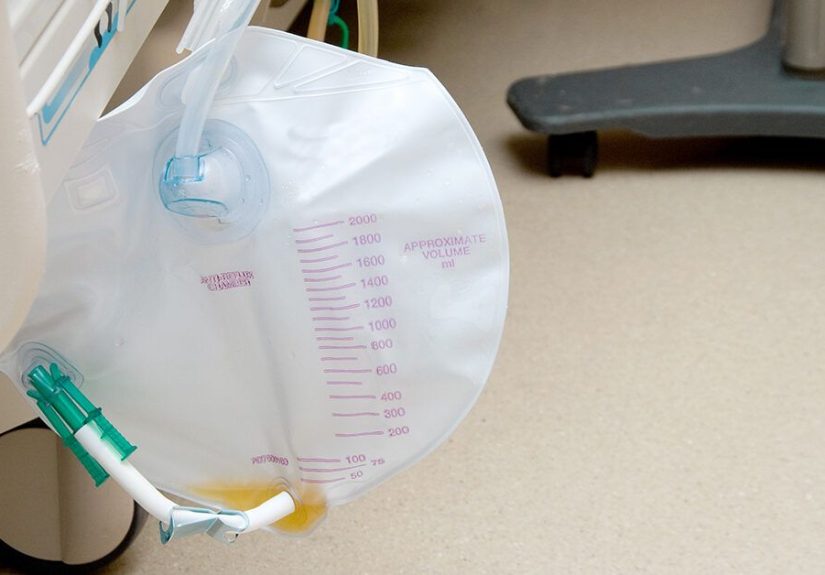
securement). Urine drains through tubing into a leg bag or bedside drainage bag.
Typical use cases: male urinary incontinence when urine flow is unobstructed.
The big success factor: correct sizing and skin prep. Too loose can leak; too tight can irritate skin
or restrict circulation. (Yes, this is one of those times where “close enough” is not close enough.)
3) External Urine Management Pads/Interfaces for Female Anatomy (Suction-Compatible)
Some systems use an external interface/pad designed to fit the female perineal area, often used with suction
and a canister. These products aim to maintain a secure fit, reduce leakage, and help protect skin.
Typical use cases: hospital units, rehab settings, or home care for people who spend significant time
lying down or reclining.
4) Moisture-Wicking Textile and Bed Protection (Supportive, Not Collection)
While not always “urine collection devices,” moisture-wicking underpads, breathable bed protectors, and microclimate
fabrics can reduce prolonged skin wetness. They’re usually used with other incontinence products as a skin-support
strategy, especially for people who sweat or have fragile skin.
How They Work (In Plain English)
Most urinary wicking systems rely on one or more of these mechanisms:
- Wicking fibers draw urine away from skin and toward a collection pathway.
- Gravity and drainage guide urine into a bag (common in male external catheters).
- Low-pressure suction (in certain female external systems) helps move urine into tubing and a canister.
- Skin barriers (creams/films) and routine checks reduce irritation when moisture exposure is unavoidable.
Benefits (Why Clinicians and Caregivers Pay Attention)
Keeping Skin Drier and Happier
Prolonged moisture can contribute to skin irritation and breakdown, including incontinence-associated dermatitis.
By moving urine away from the skin, wicking devices can help reduce the “wet contact time” that triggers problems
especially around the perineum, inner thighs, and buttocks.
Potential Alternative to Indwelling Catheters (In the Right Patient)
Indwelling catheters can raise infection risk when used unnecessarily. In settings focused on catheter-associated UTI
prevention, external devices are often considered as an alternative for urine management when clinically appropriate.
Translation: if a person doesn’t truly need a Foley catheter, teams may look for safer ways to manage urine.
Comfort, Dignity, and Less Disruption
Many users report better sleep when nighttime leakage is controlled and fewer urgent bathroom trips are needed.
Caregivers may also notice fewer clothing/linen changes and less time spent on repeated cleanuptime that can be
redirected toward mobility, meals, or just letting everyone breathe for five minutes.
Care Efficiency (Especially Overnight)
For some households and care settings, urinary wicking devices reduce nighttime interruptions. Less bedding changes
can also mean less skin friction, which matters for people with fragile skin.
Limitations and Safety Considerations
Urinary wicking devices can be helpful, but they’re not magical. Common cautions include:
- Not for urinary retention (if urine can’t come out, an external collector can’t fix that).
- Skin sensitivity (adhesives, friction, and moisture can still irritateskin checks matter).
- Fit/placement issues can cause leaks (the #1 reason people give up too early).
- Fecal incontinence may complicate use for some external female systems (risk of soiling/displacement).
- Mobility and agitation (restless movement can dislodge devices; safety and comfort come first).
- Device-specific instructions (suction level, change frequency, and cleaning vary by product).
If there’s pain, skin breakdown, discoloration, swelling, fever, or worsening urinary symptoms, it’s time to contact
a clinician promptly.
How to Choose the Right Option
Picking a urinary wicking device is part anatomy, part lifestyle, part “What will actually work at 3 a.m.?”
Consider:
- Primary goal: skin protection, nighttime dryness, output measurement, fall prevention, or convenience.
- Anatomy and fit: especially important for male external catheter sizing and female device positioning.
- Mobility level: bedbound vs. walking; portable systems may suit more active users.
- Care environment: home vs. facility; access to suction systems or portable pumps if needed.
- Skin condition: fragile skin may need added barrier protection and more frequent checks.
- Dexterity and caregiver support: can the user apply it safely alone, or is help needed?
Practical Tips for Better Results (Fewer Leaks, Less Drama)
Get the Skin Prep Right
Clean and dry skin is a strong starting point. For male external catheters, trimming hair (carefully) may improve
adhesion. Avoid oily lotions where adhesives need to bond. For female external wicking systems, a routine skin check
helps catch irritation early.
Placement Is a Skill (Not a Personality Flaw)
If the first night isn’t perfect, you’re not failing. Placement often improves with practice. Small adjustments in body
position, device angle, and securement can make a big difference.
Watch for Pressure and Friction
Wicking devices should not cause pressure points. Repositioning, proper alignment, and routine skin assessment help prevent
irritationespecially for people who remain in one position for long periods.
Plan for Movement
If the user turns frequently during sleep, consider strategies like supportive positioning pillows, secure tubing routing,
and a setup that won’t tug when someone shifts.
Frequently Asked Questions
Do urinary wicking devices prevent UTIs?
No device can guarantee prevention. However, external options are often considered in infection-prevention efforts because
they may reduce the need for indwelling catheters in appropriate patients. The best approach is individualized: match the
device to the clinical need, and use it correctly.
Are they only for older adults?
Not at all. They may be used by adults of many agespost-surgery patients, people with neurologic conditions, or anyone with
incontinence or mobility limitations. The “right fit” depends more on needs than birthdays.
Can I use one if I can’t pee on my own?
If there’s urinary retention or suspected obstruction, external collection devices are generally not the solution. A clinician
should evaluate the cause and recommend appropriate management.
Conclusion
Urinary wicking devices offer a practical middle ground between absorbent products and indwelling catheters. With the right
matchmale external catheters for men who void but leak, and external female wicking systems for women needing skin dryness and
nighttime supportthese devices can improve comfort, protect skin, and simplify care routines.
The biggest keys to success are simple (but not always easy): correct fit, careful placement, routine skin checks, and knowing
when a different option is safer. If you’re deciding between devices or dealing with ongoing leaks or irritation, a healthcare
professional (especially continence or wound-care specialists) can help tailor a plan that protects both dignity and skin.
Real-World Experiences (About )
People’s experiences with urinary wicking devices tend to follow a familiar arc: curiosity, a learning curve, then either
“Why didn’t we do this sooner?” or “Okay, that’s not our devicenext option.” What makes the difference is usually not the
concept, but the setup.
In hospitals, nurses often describe external female wicking systems as a “night shift sanity saver” for certain patientsespecially
when frequent bedding changes were disrupting sleep and increasing skin irritation. A common observation is that the first placement
can feel awkward, but once the team finds the correct positioning and tubing route, the device can be surprisingly stable.
Several staff mention that pairing the device with a consistent turning schedule helps: when patients are repositioned, the wick is
quickly checked and adjusted, preventing leaks before they become an all-hands laundry emergency.
At home, caregivers frequently talk about the emotional relief of fewer overnight disruptions. One typical scenario: an older adult who
is unsteady when walking at night and has urgency incontinence. With a wicking device, they may sleep longer and make fewer risky
trips to the bathroom. Caregivers often say it’s not just about drynessit’s about safety and dignity. The “win” is waking up to a
calmer morning routine instead of a bedding change marathon.
For male external catheters, experiences tend to revolve around sizing and skin comfort. Users often report that once the correct size is found,
the system can feel more discreet than bulky absorbent underwearespecially during the day. But when the size is off by even a little,
leaks or skin irritation show up fast. People also learn practical habits: keeping the skin clean and dry, avoiding lotions that interfere
with adhesion, and checking the seal after movement. Some users say the biggest improvement came from switching materials (for example,
choosing silicone if there’s sensitivity) or changing securement style.
On the “not-so-glamorous” side, common frustrations include noise from suction units, occasional tubing tangles, and the “mystery leak” that
turns out to be a kinked line or a shifted position. Many caregivers recommend a simple pre-sleep checklist: confirm the device sits
correctly, make sure tubing is routed with slack, verify the canister/bag is positioned safely below the body, and keep spare supplies
within reach. It sounds basic, but people swear it prevents 80% of midnight troubleshooting.
The overall pattern is encouraging: when urinary wicking devices are used for the right reasons, and when users treat setup like a skill
(not a one-time event), many report better sleep, happier skin, and fewer interruptions. And if a particular product isn’t working, the
“real-world” takeaway is also clearthere are multiple device styles, and switching types is often the smartest move, not a defeat.