Table of Contents >> Show >> Hide
- Why Until Dawn Still Inspires So Many Rankings
- Ranking the Playable Characters (From MVP to “Please Don’t Trip Again”)
- 1. Sam: Final-Girl Energy Done Right
- 2. Mike: Messy But Weirdly Competent
- 3. Ashley: The Morality Meter Of The Group
- 4. Josh: Tragic, Twisted, And Divisive
- 5. Emily: The Queen Of “You’ll Hate Her… Until She Saves Herself”
- 6. Chris: The Guy Caught Between Loyalty And Fear
- 7. Matt: The Underserved Nice Guy
- 8. Jessica: The Horror Movie Trope With A Twist
- The Best Endings In Until Dawn, Ranked
- Most Memorable Chapters And Scares
- Critical And Fan Opinions: Overrated, Underrated, Or Just Right?
- Tips For Getting Your Own “Best” Ending
- Player Experiences: What Rankings Don’t Tell You
- Final Thoughts: What Do Your Until Dawn Rankings Say About You?
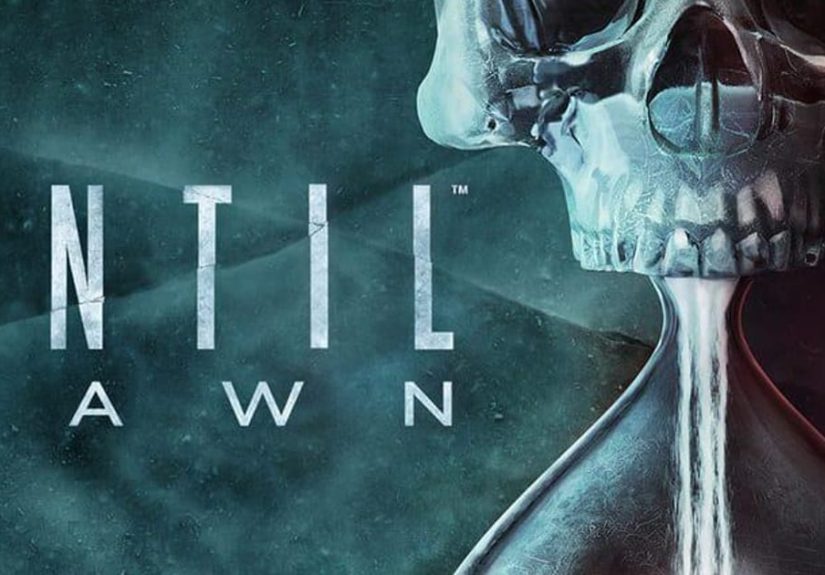
When Until Dawn first dropped on PlayStation 4 back in 2015, a lot of players thought it would be
just another teen slasher story with jump scares and bad decisions. Instead, it quietly turned into a cult
classic a “playable horror movie” where your choices, quick-time event reflexes, and willingness to explore
every creepy hallway can decide who survives until sunrise.
A decade later, fans are still ranking the best characters, debating which ending truly counts as “canon,” and
arguing over whether the remake and movie adaptation do the original justice. In this guide to
Until Dawn rankings and opinions, we’ll break down how the community sees its characters,
endings, and most memorable moments and add a bit of commentary from the “I definitely didn’t scream at the
Don’t Move prompts” point of view.
Why Until Dawn Still Inspires So Many Rankings
At its core, Until Dawn is an interactive drama survival horror game about eight young adults stuck on
Blackwood Mountain, trying not to be murdered by either human or… not-so-human threats before the sun comes
up. The game’s signature Butterfly Effect system tracks big and small decisions who you
side with, where you explore, whether you shoot, run, hide, or apologize and uses them to branch the story
into wildly different paths and endings.
Because any combination of characters can live or die, and certain scenes only unlock if you make very specific
choices, no two playthroughs feel exactly alike. That replayability is the perfect fuel for fans to rank:
- Which characters are most likable (or at least most useful)
- Which endings feel satisfying versus unfair
- Which chapters deliver the best scares and twists
Add in strong performances, a meta-aware slasher tone, and later a remake and a movie adaptation, and you get a
game that keeps generating opinions long after dawn actually arrives.
Ranking the Playable Characters (From MVP to “Please Don’t Trip Again”)
Ask ten fans to rank the eight main characters and you’ll get ten different lists and probably one heated
argument about Emily. Still, some patterns show up again and again in community discussions and fan polls.
1. Sam: Final-Girl Energy Done Right
Sam is the unofficial protagonist and the closest thing Until Dawn has to a classic horror
“final girl.” She’s level-headed, compassionate, athletic, and generally not a disaster in human form. Players
often rank her at the top because:
- Most of her choices feel morally grounded and logical.
- She’s central to some of the tensest stealth and “Don’t Move” sequences.
- She can be the last one standing in some of the best endings.
If you’re trying to save everyone, protecting Sam usually feels like priority number one. She’s the character
you genuinely want to see make it out of this mess.
2. Mike: Messy But Weirdly Competent
Mike starts off as the archetypal jock with questionable judgment, but the game gradually turns him into one of
the most proactive and capable characters. He gets:
- Some of the most action-heavy sequences (the sanatorium, the mines, the lodge finale).
- Key decisions that affect multiple characters’ survival.
- A surprising number of “hero moments” if you play him bravely but not recklessly.
A lot of fans put him high in their rankings because he grows from shallow prankbro to “guy who will literally
set himself on fire if it means saving the group.”
3. Ashley: The Morality Meter Of The Group
Ashley is the emotional core in a lot of playthroughs. She’s anxious, thoughtful, and caught in some of the
harshest moral decisions in the game. Her ranking often depends on how you play:
- If you protect her and choose empathy, she can be brave and loyal.
- If you throw her under the bus, she can become suspicious, bitter, or doomed.
Many players remember her most for “That One Choice” in the sawblade scene and her reactions to how you treat
her and others. She’s not as flashy as Sam or Mike, but she’s central to how “good” your group dynamic feels.
4. Josh: Tragic, Twisted, And Divisive
Josh is the walking definition of “it’s complicated.” His actions are driven by grief, mental illness, and a
desperately bad plan that spirals out of control. Some players rank him high because:
- He’s at the heart of the game’s biggest twist.
- His storyline ties the whole narrative together.
- His potential fate in the mines is one of the most disturbing outcomes.
Others rank him low because his prank crosses several lines and gets people brutally killed. Whether you see
him as tragic or unforgivable heavily colors your opinion of the game’s themes of guilt and responsibility.
5. Emily: The Queen Of “You’ll Hate Her… Until She Saves Herself”
Emily is sharp-tongued, bossy, and often flat-out mean but she’s also one of the toughest survivors if you
keep her alive. Her chapter in the mines is a standout sequence, full of platforming, quick-time events, and
split-second decisions.
Many players admit they started out disliking her, only to gain respect when she refuses to give up in the
face of wendigos, collapsing structures, and relationship drama. She’s proof that unlikable characters can
still be incredibly compelling.
6. Chris: The Guy Caught Between Loyalty And Fear
Chris is usually remembered for:
- His friendship with Josh
- His awkward, sweet dynamic with Ashley
- One brutal decision that can haunt your entire playthrough
He’s not as central in the late-game horror sequences, but he anchors a lot of the emotional beats in the
first half. Whether he survives often says a lot about how calmly you aim, how compassionate you are, and how
well you handle pressure.
7. Matt: The Underserved Nice Guy
Matt is frequently described as the most underused character. If you’re not careful, he can die early, and the
story doesn’t always give him as much agency as others. Fans who go out of their way to protect him appreciate
that:
- He tries to be a stabilizing, reasonable presence.
- He doesn’t deserve even half the drama that gets thrown at him.
In rankings, he often lands in the middle or lower half not because people dislike him, but because the game
doesn’t give him enough time to shine unless you actively prioritize his safety.
8. Jessica: The Horror Movie Trope With A Twist
Jessica is introduced as the bubbly, flirty archetype who seems destined to become a casualty and she often
does if you miss a few crucial QTEs. Still, her brutal early-game sequence is one of the most memorable in the
entire story.
When players manage to keep her alive, it feels like a small victory against horror tropes. She may not have
the deepest arc, but she absolutely leaves an impression.
The Best Endings In Until Dawn, Ranked
Thanks to the Butterfly Effect, Until Dawn technically has dozens of variations, but fans and guides
tend to group them by who survives and what happens to Josh. Here’s a practical way to think about the
endings.
1. Everyone Lives (The “Perfect” Ending)
In community opinion, the gold standard ending is simple to describe and brutal to achieve: all surviving
characters make it to dawn and are rescued. No one gets blown up in the lodge, no one dies in the mines, and
no one gets eaten by a wendigo on the final stretch.
Reaching this outcome requires:
- Strong relationship choices (especially around trust and compassion).
- Careful attention to clues like Hannah’s diary and totems.
- Near-perfect performance in late-game QTEs and “Don’t Move” sequences.
Many fans treat this as the “true good ending” and the ultimate proof that you’ve mastered both gameplay and
story.
2. Everyone Lives, But Josh Becomes A Wendigo
Another widely discussed ending has all the playable characters survive while Josh is transformed in the mines.
It’s haunting and tragic you save your friends, but you leave behind someone warped by guilt and a very
literal curse.
Some players rank this as their favorite because it fits the game’s darker themes: not every horror story can
be wrapped up neatly, and some damage can’t be undone just by making the “right” choice at the last moment.
3. Sam Survives While Others Die
In a lot of “first blind” playthroughs, Sam is the lone survivor. Players instinctively protect her, but miss
key decisions or QTEs with others along the way. The result feels like a very classic slasher ending: the
final girl staggers out alive, traumatized and covered in metaphorical (and sometimes literal) blood.
It’s not the happiest outcome, but it’s undeniably cinematic and emotionally heavy, which is why many fans
remember it strongly even if they later chase more “complete” endings.
4. The “Almost Everyone Dies” Catastrophe Ending
Finally, there’s the disaster run sometimes intentional, sometimes caused by panic mashing and poor decision
making where the lodge explodes, characters are picked off one by one, and the credits roll over a police
investigation full of unanswered questions.
This outcome ranks low from a “I want my faves alive” perspective, but high for sheer chaos. It can be oddly
cathartic to accept the carnage, then replay with a calmer head (and less screaming at the TV).
Most Memorable Chapters And Scares
The Prologue Prank Gone Horribly Wrong
The opening chapter sets the entire tone: a cruel prank, a blizzard, and a tragic accident in the woods.
Player rankings consistently highlight it as one of the most effective intros in horror gaming because it:
- Establishes the group’s messy dynamics and cruelty.
- Explains Josh’s later behavior and the weight of guilt.
- Makes the mountain feel cursed from the very beginning.
Jessica’s Cabin And The Chase
The trip to the remote cabin starts as a typical horror setup flirty banter, fake-out scares, questionable
decision making before launching into a frantic chase sequence. This chapter often ranks top-three in fan
lists because it’s where players first realize that:
- Your QTE accuracy has life-or-death consequences.
- The game isn’t afraid to go surprisingly brutal, surprisingly fast.
The Sanatorium And Mike’s Solo Missions
Mike’s extended stretch in the sanatorium is a favorite for players who enjoy exploration and creeping dread.
It combines:
- Fixed camera angles that hide threats just out of view.
- Gruesome environmental storytelling and clues.
- Sudden, violent encounters that reward fast reactions.
Many rankings put this arc as the best demonstration of Until Dawn’s ability to blend movie-like
presentation with interactive tension.
The Lodge Finale And The Ultimate “Don’t Move” Test
The final showdown in the lodge is where everything you’ve done comes back to haunt you. Who’s alive, who’s
infected, who trusts whom, and whether you can physically hold your controller still all converge into one
nerve-shredding climax.
It’s no surprise that players regularly rank this as one of the best horror set pieces of the generation.
Critical And Fan Opinions: Overrated, Underrated, Or Just Right?
Critics at launch generally praised Until Dawn for its cinematic storytelling, branching choices, and
commitment to classic horror vibes, even when they poked fun at its cheesy dialogue and occasionally clunky
controls. Review aggregators place it solidly in the “favorable” zone, and several outlets called it a surprise
standout in Sony’s library of exclusives.
Fan opinion is even warmer. Over the years, the game has gained “sleeper hit” status, especially as streamers
and YouTubers showcased just how dramatically different outcomes can be. Watching friends make opposite choices
and end up with wildly different casualty lists is a big part of the fun.
The 2020s remake and the film adaptation stirred up fresh debate. Many long-time players still hold the
original PS4 version as the definitive experience, citing its pacing, performances, and the novelty of
interactive teen-slasher horror. The newer versions are often seen as interesting experiments rather than
replacements enjoyable if you’re already a fan, but not required homework to appreciate the core story.
Tips For Getting Your Own “Best” Ending
If you’re approaching Until Dawn in 2025 for the first time (or coming back determined not to repeat
old mistakes), a few general principles can help:
- Be curious but not reckless. Explore thoroughly for clues, totems, and diary entries. They
unlock safer options and clearer context later. - Choose compassion over cruelty. Harsh decisions might feel “fun” in the moment, but they
often poison relationships and close off survival routes. - Respect the “Don’t Move” prompts. They’re not bluffing. Put the controller on a stable
surface if your hands shake. - Plan for multiple runs. Part of the charm is seeing how different choices rearrange the
story not chasing the perfect ending on your first try.
Player Experiences: What Rankings Don’t Tell You
Rankings and tier lists are fun, but they only tell part of the story. The real magic of Until Dawn
lives in the wildly different personal experiences players have with the same set of characters and choices.
How Your Playstyle Shapes Your Rankings
If you’re cautious and methodical, you might rank Emily and Mike highly because they reward precision, fast
reactions, and a willingness to explore every creepy tunnel. If you’re impulsive and like to “see what
happens,” you might accidentally kill half the cast and conclude that the real villain is the QTE system (or
your own overconfidence).
Players who role-play “what would I actually do?” tend to empathize with characters like Sam, Ashley, and Matt,
favoring diplomacy and careful planning. Those who lean into the horror movie fantasy may intentionally make
chaotic, selfish choices just to see how bad things can get, then rank characters more on how entertaining
their deaths are than on their personalities.
Streaming, Screaming, And Group Decision Chaos
A huge part of modern Until Dawn culture comes from watching other people play it whether on Twitch,
YouTube, or during living-room group sessions. In those settings, rankings often morph into live arguments:
- “Save Jessica, she’s innocent!” versus “No, we need Mike for the sanatorium!”
- “Don’t shoot!” versus “Shoot now, we’re all going to die!”
- “Emily is awful” versus “Emily is a survivor, you just don’t appreciate competence.”
Those heated debates shape how players remember the characters. Someone who watched a friend repeatedly fail a
single “Don’t Move” prompt might forever associate Sam with disaster. Another player whose group rallied
around saving Ashley at all costs may rank her as the emotional MVP, even if she doesn’t have the most screen
time.
Replaying Until Dawn In 2025 And Beyond
Replaying Until Dawn today hits differently than it did at launch. Many players now approach it with:
- A better understanding of its branching structure and hidden conditions.
- More appreciation for its mix of campy humor and genuine dread.
- A bit of nostalgia for the era of PS4 cinematic exclusives.
That context changes the rankings too. Characters who once felt annoying now come across as intentionally
exaggerated horror archetypes. Endings that once seemed “bad” can feel thematically appropriate. And the
game’s occasionally cheesy dialogue becomes part of the charm instead of a dealbreaker.
Most importantly, your own history with the game becomes part of the story. Maybe your first run ended with a
blown-up lodge and a lot of regret. Maybe you meticulously saved everyone on a quiet solo night, then later
watched friends fail spectacularly and laughed your way through the chaos. Either way, your rankings say as
much about you as they do about Until Dawn.
Final Thoughts: What Do Your Until Dawn Rankings Say About You?
In the end, Until Dawn rankings and opinions are less about finding one “correct” list and
more about revealing how you approach horror, choice, and responsibility. Do you prioritize kindness or
survival efficiency? Do you protect fan favorites or let the story take its darkest form? Do you chase the
perfect ending or embrace the messy, tragic ones?
That’s the lasting power of Until Dawn. Beneath the jump scares, cheesy jokes, and wendigo lore, it’s
really a game about how we behave when everything falls apart and how long those decisions stay with us,
even after the sun finally comes up.