Table of Contents >> Show >> Hide
- What “Two-Tone” Means in a Pantry (Without the Fancy Jargon)
- Why Two-Tone Pantries Look Custom (Even When They’re Not)
- Start With Function: Pantry Types and Layouts
- Choosing Your Two Tones: The Color-Math That Doesn’t Require a Calculator
- Where to Put Each Color: A “Palette Map” That Makes Sense
- Materials and Finishes That Make Two-Tone Look Expensive
- Lighting: The Secret Ingredient That Makes Colors Behave
- Organization That Matches the Design (So It Stays Pretty)
- Common Two-Tone Pantry Mistakes (And How to Dodge Them)
- Budget-Friendly Ways to Get the Two-Tone Look
- Design Mini-Gallery: 8 Two-Tone Pantry Concepts to Steal
- 1) White Cabinets + Walnut Shelves
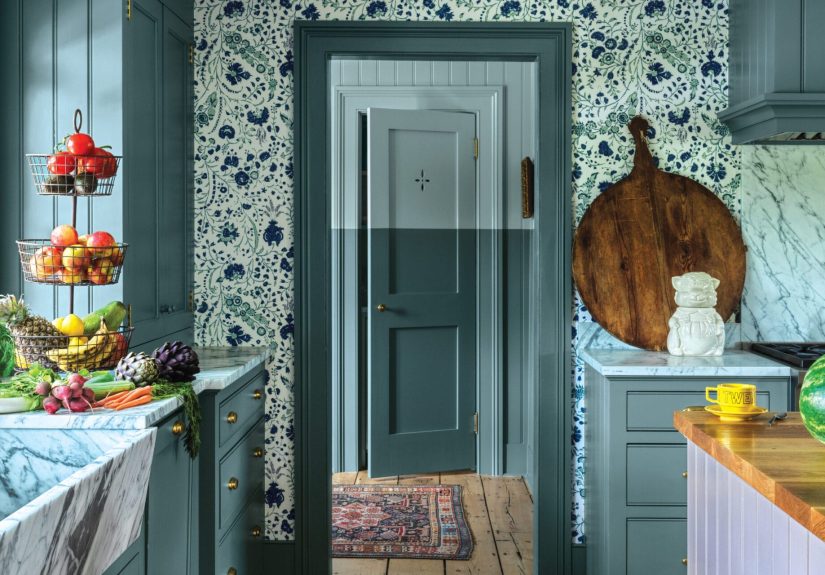
- 2) Deep Green Base Cabinets + Cream Uppers
- 3) Navy Pantry Wall in an All-Neutral Kitchen
- 4) Black Pantry Door + Light Interior
- 5) Natural Oak Lowers + Painted Upper Cabinets
- 6) Two-Tone Open Shelving: Dark Brackets, Light Shelves
- 7) Butler’s Pantry with Moody Cabinets + Light Tile
- 8) “Surprise Interior” Cabinets
- Conclusion
- Real-World Lessons and “Been-There” Pantry Experiences (500+ Words)
A pantry is basically your kitchen’s “backstage” area: the place where snacks wait in the wings, small appliances huddle together,
and that one bag of rice you swear you’ll use “this week” quietly ages like fine… starch. So why should this hardworking space look
like a forgotten closet when it can look intentional, stylish, and shockingly organized?
Enter the two-tone kitchen pantry design: a simple, high-impact approach that mixes two finishes (often paint colors,
wood tones, or a combo) to add depth, contrast, and that “yes, a designer definitely touched this” energy. The best part? Two-tone
doesn’t mean complicated. Done right, it’s a visual cheat code that makes pantries feel bigger, brighter, and more customwithout
demanding a full renovation budget or a degree in color theory.
What “Two-Tone” Means in a Pantry (Without the Fancy Jargon)
Two-tone simply means using two distinct finishes in one pantry zone. In real homes, that usually looks like:
- Light + dark paint (e.g., warm white cabinets with a deep green pantry island or lower run)
- Paint + wood (e.g., painted uppers with oak base cabinets or floating shelves)
- One finish outside, one finish inside (a classic “plain door, surprise interior” move)
- Cabinetry + backdrop (neutral cabinets paired with a bold painted wall or wallpapered niche)
The goal isn’t to make your pantry look like it’s wearing mismatched socks. The goal is to create contrast with purpose:
highlight architecture, separate storage zones, and make the space feel designednot accidental.
Why Two-Tone Pantries Look Custom (Even When They’re Not)
Two-tone design works especially well in pantries because pantries are full of straight lines and repetitive surfacescabinets, shelves,
doors, and boxes of cereal doing their best impression of a wall. Adding a second finish breaks up the monotony and helps the space feel
layered.
- It “grounds” the room. Darker bases visually anchor tall cabinetry and make the pantry feel substantial.
- It hides real-life wear. Lower cabinets get scuffs, fingerprints, and the occasional battle scar from a vacuum.
- It creates built-in zoning. A darker coffee station run reads like a destination, not just “more shelves.”
- It upgrades even basic cabinetry. Simple Shaker fronts look richer with contrast and hardware.
Start With Function: Pantry Types and Layouts
Before you pick colors, pick your pantry “job description.” The layout determines where two-tone will look bestand where it’ll feel forced.
Pantry Cabinet Wall (Tall Units in the Kitchen)
This is the “pantry as a wall of calm.” Think floor-to-ceiling pantry cabinets, often with internal roll-outs. Two-tone options that shine here:
paint the tall pantry units a different color than surrounding kitchen cabinets, or keep the outside consistent and give the interiors a contrasting
finish for a subtle wow moment when doors open.
Pull-Out Pantry (Slim but Mighty)
A pull-out pantry is perfect when space is tight. Since the footprint is narrow, use two-tone strategically: a bold door color can make it feel like
a designed feature, while a lighter interior helps you see everything quickly (and reduces the odds of losing a jar of paprika until 2037).
Walk-In Pantry (The Dream)
Walk-ins offer the most flexibility: shelves, drawers, countertop zones, even a small sink or beverage fridge. If you’re remodeling, remember comfort:
you want clearance to move and turn without doing the sideways crab-walk. A common baseline is to keep walkways generous enough to pass easilymany
kitchen planning guidelines recommend at least 36 inches for walkways in general circulation.
Butler’s Pantry (Storage + Serving + “Look at Me”)
Butler’s pantries are made for two-tone because they’re often partially visible from adjacent spaces. Two-tone here can be more dramatic:
darker cabinets paired with light counters, a bold backsplash behind open shelves, or a moody paint color that distinguishes it from the main kitchen.
It’s the perfect place for a coffee bar, a drink station, or a “hide the mess” staging zone before guests arrive.
Choosing Your Two Tones: The Color-Math That Doesn’t Require a Calculator
If you only remember one thing: contrast works best when it has a clear hierarchy. Usually, that means one tone is dominant
(about 70–80% of the visible area) and the other is an accent (20–30%).
The Classic Rule That Keeps You Out of Trouble
A common approach is darker on the bottom, lighter on the top. It makes upper walls feel airier and helps conceal scuffs on lower
cabinetrypractical and pretty, which is the design equivalent of finding fries at the bottom of the bag.
Undertones: The Silent Dealbreaker
Two-tone success is less about “light vs. dark” and more about undertones:
warm whites pair better with warm woods and earthy greens; cool whites behave nicely with charcoal, navy, and crisp grays.
When in doubt, test samples in your pantry lightingbecause the same paint can look “soft mushroom” in daylight and “sad oatmeal” at night.
Color Pairings That Rarely Miss
- Warm white + natural oak (timeless, cozy, works in modern or farmhouse kitchens)
- Soft greige + deep navy (polished, slightly coastal, very “I have my life together”)
- Cream + forest green (rich, classic, great with brass hardware)
- White + charcoal/black (high contrast, architectural, excellent for contemporary homes)
- Light wood + muted blue (fresh but not shouty)
Where to Put Each Color: A “Palette Map” That Makes Sense
The fastest way to make two-tone look intentional is to assign each finish a clear role. Here are reliable placement strategies.
Option A: Dark Base Cabinets, Light Uppers (The Crowd Favorite)
Best for: walk-in pantries with counters, butler’s pantries, or any pantry with both base and upper cabinetry.
This creates a grounded lower zone for heavier items and a lighter upper zone that keeps the space from feeling boxed in.
Option B: Bold Back Wall + Neutral Shelving
Best for: open shelving pantries. Paint the back wall a saturated color (green, navy, terracotta) and keep shelves and trim lighter.
This makes your storage look curated, even if one shelf contains three kinds of pasta and a mystery appliance you can’t emotionally part with.
Option C: Pantry as the Accent Zone
Best for: pantry cabinet walls in the main kitchen. If your kitchen is mostly neutral, make the pantry cabinets the “second tone.”
It’s a clean way to add personality without committing to a whole-room color moment.
Option D: Two-Tone by Function (Coffee Bar, Baking Zone, Snack Zone)
Best for: pantries that do more than store food. Paint the coffee station cabinetry darker, keep the bulk food storage lighter,
and use matching hardware to tie it together. The contrast helps your brain recognize zones quicklyespecially helpful during pre-caffeine hours.
Materials and Finishes That Make Two-Tone Look Expensive
Color is only half the story. Two-tone looks most “custom” when finishes are balanced with texture and details.
Paint + Wood: The Most Forgiving Combo
Painted cabinetry paired with wood shelves (or a wood countertop) adds warmth immediately. If you want the look without new cabinetry,
consider adding wood floating shelves and painting the remaining surfaces.
Countertops and Backsplashes in Butler’s Pantries
A simple countertop turns a pantry into a working zone: staging meals, parking small appliances, or setting up a drink station.
Pairing a light counter with darker cabinetry keeps it bright and easy to clean, while a darker counter with light cabinets feels sleek and modern.
Hardware: The Jewelry That Makes It Cohesive
If your two tones are different, your hardware should be the same. Brass warms up greens and navies. Matte black looks crisp against white and wood.
Polished nickel is the reliable friend who gets along with everyone.
Lighting: The Secret Ingredient That Makes Colors Behave
Pantry lighting is often an afterthoughtand then you’re rummaging around with your phone flashlight like you’re exploring a cave for granola bars.
Good lighting makes two-tone look sharper and improves everyday function.
- Start with bright overhead lighting so the whole space is evenly lit.
- Add under-shelf or under-cabinet LED strips to eliminate shadows on deeper shelves.
- Choose consistent color temperature so your “warm white” doesn’t suddenly look icy.
- Highlight the accent tone with lighting aimed at the backsplash or back wall.
Organization That Matches the Design (So It Stays Pretty)
A gorgeous two-tone pantry is greatuntil it turns into a cardboard-box convention. The fix is simple: build an organization system that supports
how you actually live.
Use Zones (Because Your Pantry Isn’t a Random Items Museum)
Group items by category and use the layout to reinforce it: breakfast, baking, snacks, canned goods, grains, cooking oils, and backstock.
When zones have “homes,” it’s easier to maintain order and avoid buying your fourth jar of cinnamon.
Clear Containers + Labels: The Visibility Power Couple
Transfer frequently used dry goods into airtight containers. Use labels for quick identification and faster restocking.
This looks clean against both light and dark cabinetry and helps you see what you’re running low on before you’re out.
Go Vertical and Use the Door
Pantries live or die by vertical space. Add risers, stackable bins, and door-mounted racks for smaller items.
Vertical solutions are especially helpful in walk-in pantries where shelves can run high.
Pull-Outs and Lazy Susans: Small Upgrades, Huge Payoff
Pull-out drawers and roll-out shelves make deep storage usable. Lazy Susans work wonders for condiments, oils, and small jars.
If your pantry includes tall cabinets, interior pull-outs prevent the dreaded “lost in the back” phenomenon.
Don’t Forget Outlets (Future-You Will Thank You)
If your pantry doubles as a beverage station or appliance garage, plan for outlets so you can park a mixer, microwave,
espresso machine, or wine cooler neatly out of the main kitchen’s traffic lane.
Common Two-Tone Pantry Mistakes (And How to Dodge Them)
- Picking two colors that don’t share an undertone.
Fix: choose tones that look good next to each other in the same light. - Using high-gloss on every surface.
Fix: mix sheenssatin or semi-gloss for cabinets, matte/eggshell for walls. - Making the accent color fight for attention.
Fix: let one finish dominate; use the second as a highlight. - Skipping lighting upgrades.
Fix: add layered lighting so colors read true and shelves are usable. - Designing for Pinterest, not for groceries.
Fix: keep bins, labels, and zones practicalpretty is great, functional is forever.
Budget-Friendly Ways to Get the Two-Tone Look
- Paint just the pantry door and trim in a bold color while keeping the interior light.
- Paint the back wall behind open shelves for instant depth.
- Swap hardware for a cohesive “designer finish” effect.
- Add wood shelves to introduce a second tone without changing cabinets.
- Use baskets and uniform containers to visually simplify mixed packaging.
Design Mini-Gallery: 8 Two-Tone Pantry Concepts to Steal
1) White Cabinets + Walnut Shelves
Bright, classic, and warm. Use black or brass hardware to keep it crisp.
2) Deep Green Base Cabinets + Cream Uppers
A high-end look that still feels approachable. Great with light counters and warm metals.
3) Navy Pantry Wall in an All-Neutral Kitchen
Let the pantry be the accent moment. Keep surrounding cabinetry simple and repeat the color subtly in accessories.
4) Black Pantry Door + Light Interior
A dramatic entrance with a bright, practical inside. Ideal for pantry closets and pull-out pantry units.
5) Natural Oak Lowers + Painted Upper Cabinets
Perfect when you want warmth without a fully “wood kitchen.” Try soft white, greige, or muted clay above.
6) Two-Tone Open Shelving: Dark Brackets, Light Shelves
Small detail, big visual payoff. Works well in narrow pantries where full cabinetry would feel heavy.
7) Butler’s Pantry with Moody Cabinets + Light Tile
Make it feel like a destination. Add under-shelf lighting to show off the backsplash and keep prep tasks easy.
8) “Surprise Interior” Cabinets
Keep cabinet fronts neutral, paint the interiors a soft color (sage, dusty blue, warm gray). It’s subtle, fun, and feels custom.
Conclusion
The best two-tone kitchen pantry design isn’t about chasing trendsit’s about making your pantry work harder and look better while
it does it. Start with layout and storage needs, choose two finishes that share an undertone, and assign each tone a clear job. Add lighting so the
colors behave, and an organization system so the pantry stays functional after the “after” photos.
Do that, and you’ll end up with a pantry that feels custom, stays calmer day-to-day, and makes even a Tuesday-night taco run look like you’ve got
everything under control. (At least until someone puts the cereal on the spice shelf. Again.)
Real-World Lessons and “Been-There” Pantry Experiences (500+ Words)
In real homes, two-tone pantries tend to teach the same lessonsusually right after the paint dries and you’re feeling extremely confident.
The first lesson: the pantry is a lighting test lab. Many pantries have fewer windows (or none), which means your carefully chosen
“soft white” can swing warmer or cooler depending on bulbs. People often discover that the pantry needs brighter, more even lighting than the main
kitchen because you’re reading labels, checking expiration dates, and trying to spot the difference between baking powder and baking soda without
starting an unnecessary science experiment. Under-shelf LEDs are one of those upgrades that feels optionaluntil you have them, and then you wonder
how you ever survived.
The second lesson: dark lowers are practical for a reason. In everyday use, base cabinets take the most abuseshoe scuffs, vacuum
bumps, fingerprints, and that one drawer you close with your hip when your hands are full. Darker paint (or a wood tone) tends to be more forgiving,
while lighter uppers keep the pantry from feeling like a cave. When people reverse itlight lowers, dark uppersit can work, but the upkeep is usually
higher and the space can feel top-heavy unless the pantry is very large or very well lit.
The third lesson: organization needs to match your household, not your fantasy self. Many pantry makeovers start with big dreams:
matching containers, perfect labels, everything decanted into glass like a cooking show set. The system only lasts if it matches real behavior.
Households with kids often do better with labeled bins that can be yanked out and returned easily. Busy cooks tend to prefer zones close to where items
are usedsnacks lower, baking mid-level, backstock higher. People who entertain a lot love a butler’s pantry counter for staging and hiding clutter,
because guests do not need to meet your collection of half-open chip bags.
The fourth lesson: two-tone works best when the “second tone” is repeated once or twice. If your pantry has dark lowers, repeat that
dark tone in a picture frame, a bar stool (if there’s a counter), or a set of matching baskets. If your pantry’s back wall is bold, echo that color in
labels or canisters. The space feels cohesive, not chaotic. Without repetition, two-tone can accidentally look like “we ran out of paint and got creative.”
Finally, there’s the “surprise” lesson: hardware and tiny details change everything. People often underestimate how much pulls and knobs
affect a two-tone pantry. Matching hardware across both tones unifies the look immediately. Soft-close pull-outs and roll-out shelves are another
frequent “wish we did it sooner” momentespecially in tall pantry cabinets where items disappear into the back like they’re avoiding responsibilities.
The takeaway from these common experiences is simple: treat your pantry like a real room. Give it lighting, plan for traffic flow, choose finishes that
can survive daily life, and build an organization system that’s easy to maintain on a normal weeknot just on “company is coming” week. When you do,
two-tone design stops being a trend and becomes a practical, good-looking solution that pays you back every time you open the door.