Table of Contents >> Show >> Hide
Amniotic fluid plays a crucial role during pregnancy, providing protection and nutrients to the growing baby. However, when there is too much amniotic fluid in the sac, a condition known as polyhydramnios can arise. While it’s relatively rare, polyhydramnios can lead to complications for both the mother and the baby. In this article, we will dive into the signs, causes, and risks of polyhydramnios, along with potential treatments and experiences from real-life cases.
What is Polyhydramnios?
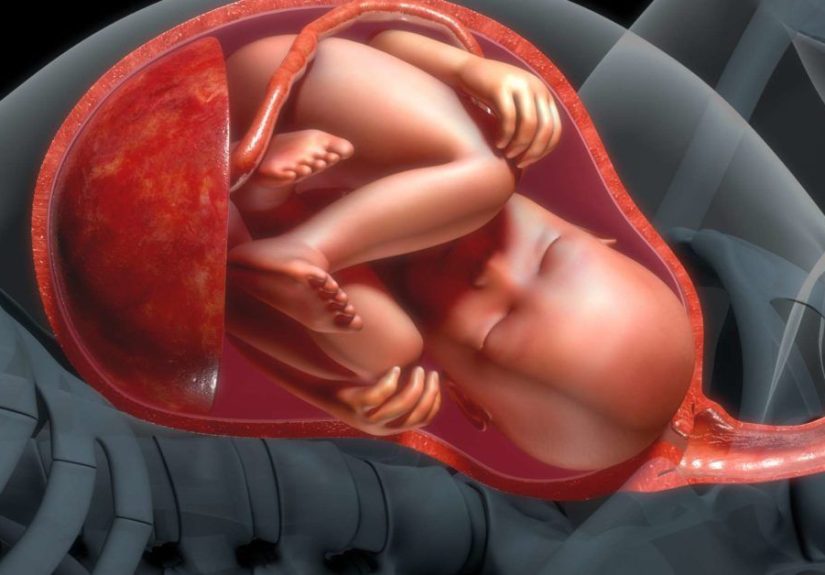
Polyhydramnios occurs when there is an excessive amount of amniotic fluid surrounding the fetus during pregnancy. Normally, the amount of amniotic fluid increases as the pregnancy progresses, peaking around 34 to 36 weeks. However, when the fluid levels become too hightypically above 25 cm on ultrasound measurementsit can cause concern. This excess fluid can stretch the uterus, affecting both the mother’s and baby’s health in various ways.
Signs of Polyhydramnios
Recognizing the signs of polyhydramnios is essential for early detection. Although some women may not experience noticeable symptoms, others may exhibit the following:
- Rapid weight gain: A sudden increase in weight can be an indicator of excessive amniotic fluid.
- Large abdomen: The growth of the abdomen may be faster than expected, or the uterus may feel overly large to the touch.
- Difficulty breathing: Excess fluid can put pressure on the diaphragm, making it hard to breathe comfortably.
- Abdominal discomfort: Some women may experience a feeling of fullness or discomfort due to the stretched uterus.
- Frequent contractions: The extra fluid may trigger frequent or early contractions, especially as the pregnancy progresses.
It’s important to note that not all women with polyhydramnios will have noticeable symptoms, which is why routine prenatal ultrasounds are crucial for detection.
Causes of Polyhydramnios
Polyhydramnios can be caused by various factors, although in some cases, the cause remains unknown. Some of the more common causes include:
1. Maternal Health Conditions
Certain maternal conditions can lead to excess amniotic fluid. These conditions include diabetes (gestational or pre-existing), which can cause the baby to produce excess urine, leading to a buildup of amniotic fluid. High blood pressure and other cardiovascular problems can also affect fluid levels, as well as complications from multiple pregnancies.
2. Fetal Abnormalities
In some cases, polyhydramnios is associated with fetal abnormalities that affect swallowing, such as gastrointestinal malformations or neurological conditions. These conditions may result in the baby not swallowing enough amniotic fluid, causing a buildup in the uterus.
3. Twin-to-Twin Transfusion Syndrome
Polyhydramnios is more common in pregnancies with multiples, especially in cases of twin-to-twin transfusion syndrome (TTTS), where one twin receives more blood than the other, leading to an imbalance in fluid levels.
4. Infections
Infections during pregnancy, such as cytomegalovirus (CMV) or toxoplasmosis, can lead to polyhydramnios. These infections may cause the fetus to produce excess urine or affect the baby’s ability to absorb amniotic fluid.
Risks and Complications of Polyhydramnios
While polyhydramnios itself is treatable, it can present several risks and complications that may affect both the mother and baby. Here are some potential risks:
1. Preterm Labor
Excess amniotic fluid can cause the uterus to become overstretched, leading to early contractions and potentially preterm labor. Premature birth increases the risk of health complications for the baby, including respiratory issues and developmental delays.
2. Placental Abruption
The increased pressure in the uterus can lead to placental abruption, a serious condition where the placenta separates from the uterine wall prematurely. This can cause heavy bleeding and threaten the health of both the mother and baby.
3. Birth Defects and Fetal Abnormalities
If polyhydramnios is caused by a fetal abnormality, such as a gastrointestinal or neurological defect, there may be additional health concerns for the baby at birth. These conditions can lead to long-term medical care or surgical interventions after birth.
4. Umbilical Cord Prolapse
In rare cases, polyhydramnios can cause the umbilical cord to slip into the birth canal before the baby, a condition called umbilical cord prolapse. This can restrict blood flow to the baby and lead to fetal distress.
Treatment Options for Polyhydramnios
Managing polyhydramnios involves monitoring the condition closely to ensure the health of both the mother and the baby. Some treatment options include:
1. Medications
If polyhydramnios is causing premature labor or other complications, medications such as steroids may be administered to help the baby’s lungs develop more quickly. In some cases, medications to reduce uterine contractions may also be prescribed.
2. Amnioreduction
Amnioreduction is a procedure in which excess amniotic fluid is removed through a needle inserted into the uterus. This procedure can alleviate some of the pressure on the mother’s abdomen and reduce the risk of complications, such as preterm labor or placental abruption.
3. Managing Underlying Conditions
If polyhydramnios is caused by an underlying condition, such as diabetes, managing that condition effectively can help reduce the amount of amniotic fluid. Close monitoring and lifestyle changes may be necessary to keep fluid levels in check.
4. Bed Rest
In some cases, bed rest may be recommended to reduce the risk of preterm labor or other complications associated with polyhydramnios. Staying off your feet can help alleviate pressure on the uterus and allow the body to rest.
Experiences with Polyhydramnios
While the clinical understanding of polyhydramnios is essential, hearing real-life experiences can help put the condition into perspective. Many women who have experienced polyhydramnios report an overwhelming sense of uncertainty and anxiety. One mother shared that she was diagnosed with polyhydramnios at 32 weeks and immediately felt an increase in her abdominal discomfort. She noticed her belly had grown significantly, and even small movements became challenging. Despite the discomfort, her healthcare provider monitored her closely, and she was eventually able to undergo an amnioreduction procedure to reduce the pressure and alleviate her symptoms.
Another mother recalled her experience with gestational diabetes, which led to polyhydramnios. She was closely monitored throughout her pregnancy, and her blood sugar levels were tightly controlled. Although the extra fluid caused some discomfort, she appreciated the medical team’s proactive approach, which involved managing her diabetes and reducing the risk of premature birth. Fortunately, her baby was born full-term and healthy, and she went on to share her experience to help others going through the same challenges.
For some women, polyhydramnios is discovered through routine prenatal scans with no major complications. However, for others, it can lead to preterm labor or require more intensive interventions. It’s important for women with polyhydramnios to trust their healthcare providers, follow their treatment plan, and stay informed about the risks and signs of complications.
Conclusion
Polyhydramnios is a condition that can affect both mother and baby, but with early detection and proper management, many women can successfully navigate the challenges it presents. By understanding the signs, causes, and risks of excessive amniotic fluid, expectant mothers can take proactive steps toward ensuring a healthy pregnancy. As always, working closely with a healthcare provider is key to minimizing risks and addressing any complications that may arise during this phase of pregnancy.
sapo: Too much amniotic fluid, or polyhydramnios, can cause discomfort and pose risks to both mother and baby. Discover the signs, causes, and potential treatments for this pregnancy condition.