Table of Contents >> Show >> Hide
- What Makes Wire Grill Brushes So Dangerous?
- How a Tiny Wire Bristle Lands You in the ER
- Real-Life Grill Brush Horror Stories
- Signs You Might Have Swallowed a Grill Brush Bristle
- Why Wire Grill Brushes Are Still on Store Shelves
- Safer Ways to Clean Your Grill (That Won’t Send You to the ER)
- If You Still Own a Wire Grill Brush, Do This Now
- Final Thoughts: Keep the Heat, Lose the Hazard
- Grill Brush Experiences and Lessons Learned
If your idea of grill safety is “don’t set the deck on fire,” we need to talk. There’s a smaller, sneakier danger hiding on your grill gratesone that doesn’t look scary at all. In fact, it looks helpful: your trusty wire grill brush.
For years, wire-bristle brushes have been the default way to scrape off last week’s burgers. But doctors, emergency rooms, and safety agencies have been sounding the alarm: those little metal bristles can break off, stick to your grill, end up in your food, and travel straight into your body. We’re talking ER visits, CT scans, surgery, and very miserable patientsall because of one tiny wire you never saw.
So yes, the wrong grill brush really can put you in the hospital. Let’s break down how it happens, what symptoms to watch for, and how to clean your grill safely without turning dinner into a medical emergency.
What Makes Wire Grill Brushes So Dangerous?
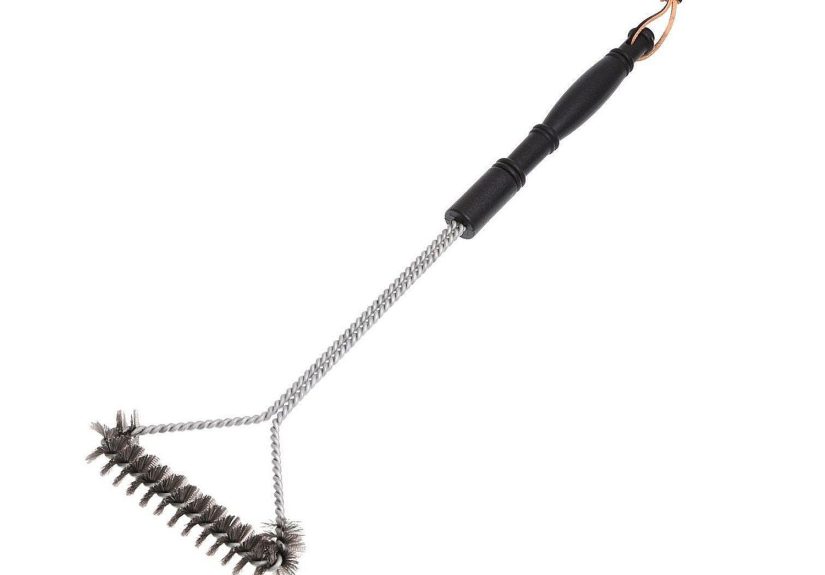
On the surface, a wire grill brush looks harmless. It’s just a handle with a bunch of metal bristles, right? The problem is that those bristles are small, sharp, and not permanently attached. Over time, heat, grease, and repeated scrubbing can loosen them. When you drag the brush across hot grates, some wires can snap off and stay behind.
Later, when you slap on your burgers, chicken, or veggies, those loose bristles can stick to the food. They’re thin and metallicvery hard to see, especially when they blend in with grill marks or charred bits. You bite, chew, swallow, and suddenly that “perfect cookout” becomes “why does my throat feel like it’s being stabbed?”
Public health reports have documented dozens of cases where people swallowed grill brush bristles and developed serious internal injuries. While the total number of incidents is small compared to how many people grill, the consequences can be big: deep infections, perforated intestines, emergency surgery, and long recovery times.
How a Tiny Wire Bristle Lands You in the ER
So what actually happens when someone eats a grill bristle by accident? It usually follows a pattern:
Step 1: The Bristle Breaks Off
With regular use, especially on hot grates, metal bristles weaken at their base. A strong swipeor a slightly bent bristlemakes it snap off. It falls onto the grate and gets lost in the blackened metal and old food residue.
Step 2: The Bristle Hitches a Ride on Your Food
Next, you put food on the grill. Fat melts, food sizzles, and the bristle sticks. It might embed in the crust of a burger, hide in the char of a steak, or cling to the underside of a grilled veggie you never really inspect.
Step 3: You Swallow It
The bristle is small and sharp, so you might not notice anything until it pokes the wrong place. Sometimes people feel a sudden jab when they swallow. Other times, the pain shows up later as it migrates deeper into the digestive tract.
Step 4: It Causes Real Damage
Doctors have reported grill brush bristles lodging in the tonsils, tongue, throat, esophagus, stomach, and intestines. In severe cases, they can puncture the bowel, causing internal bleeding, infection, and peritonitisa life-threatening condition that requires urgent surgery.
In other words, something you bought for $9.99 can create a five-figure hospital bill and a very bad day.
Real-Life Grill Brush Horror Stories
These injuries aren’t urban legends; they’re in medical journals and news reports:
- The “earache” that wasn’t: One child was brought to the hospital with what looked like a stubborn ear infection. Imaging eventually revealed a wire bristle lodged near the ear canal, causing an abscess. The likely source? A grill brush bristle hidden in a bite of food.
- A bristle stuck in the tongue: Another patient felt a sharp pain while eating a grilled burger. Doctors discovered a tiny piece of wire sticking out of the tongue tissue. Removing it required imaging and careful extraction to avoid further damage.
- Bowel perforation after a cookout: Case reports describe adults who developed severe abdominal pain days after a barbecue. Scans revealed metal bristles that had punctured parts of the small intestine, requiring surgical repair.
These aren’t common outcomesbut they’re serious enough that many surgeons, emergency physicians, and safety experts now say the simplest solution is: don’t use wire grill brushes at all.
Signs You Might Have Swallowed a Grill Brush Bristle
If you grill often or just ate at a cookout where someone scrubbed the grates with a metal brush, it’s worth knowing the warning signs. Contact a doctor or seek emergency care if you notice:
- Sudden sharp pain in your throat, especially right after eating grilled food
- A feeling that something is “stuck” when you swallow
- Pain when swallowing, even water
- Unexplained ear pain after eating grilled food
- Severe or worsening abdominal pain, nausea, or vomiting
- Fever or signs of infection after recent grilling
These symptoms can be caused by many things, not just grill bristles, but doctors can’t look for what they don’t suspect. If you were eating grilled food and feel this kind of pain, tell your medical provider about the grill brush. That detail can help them order the right imaging and find the problem faster.
Why Wire Grill Brushes Are Still on Store Shelves
At this point you might be thinking, “If these brushes are so risky, why are they still sold everywhere?” Great question.
Right now, there’s no nationwide ban on wire grill brushes in the United States. Some lawmakers and consumer advocates have pushed for stricter rules and better warning labels, and there have even been proposals in certain states to limit or ban wire-bristle brushes. Safety agencies have issued tips urging people to consider alternatives, but a full regulatory crackdown hasn’t happened yet.
So we’re in this awkward middle ground: wire grill brushes are common, cheap, and widely availablewhile doctors and public health experts keep saying, “These can cause really nasty injuries.” That leaves the decision in your hands as a consumer and grill boss-in-chief.
Safer Ways to Clean Your Grill (That Won’t Send You to the ER)
The good news: you don’t need a wire brush to keep your grill clean. There are plenty of effective options that don’t shed sharp little metal darts onto your dinner.
1. Bristle-Free Coil or Helix Brushes
Bristle-free brushes use tightly wound coils or solid metal scrapers instead of loose bristles. They still give you that satisfying “scrape” feeling but without individual wires that can snap off. Many popular models are designed for gas or charcoal grills and can be used on warm grates.
Look for sturdy construction, a long handle to keep your hands away from the heat, and a head that doesn’t have individual bristles. Even with bristle-free designs, inspect the tool regularly for damage.
2. Wooden Grill Scrapers
Wooden scrapers start as a flat piece of hardwood. As you use them on hot grates, the edge slowly burns and shapes itself into grooves that match your grill. Over time, you get a custom “comb” that cleans between the bars.
Wood won’t shed metal bits into your food, and any tiny wood fibers that do come loose are far less dangerous than sharp steel. Just avoid using heavily treated wood or anything not meant for food-related use.
3. Pumice or Grill Cleaning Bricks
Grill bricks made of pumice or similar materials can scrape off burnt-on grease and residue without metal bristles. You simply rub the brick along the grates; it abrades the gunk and slowly wears down itself.
After using a pumice brick, wipe the grates with a damp cloth or paper towel to remove residual dust before cooking. These bricks are especially handy for flat-top griddles and heavily used grills.
4. A Simple Ball of Aluminum Foil
Here’s the budget hack: grab a wad of aluminum foil, crumple it into a ball, and use tongs to scrub the grates. The crinkled foil can knock off a surprising amount of stuck-on bits, especially if you heat the grill first.
This method is cheap, widely available, and doesn’t involve stray metal bristles. Just make sure you toss the foil ball after you’re donedon’t reuse it until it disintegrates.
5. Onions, Lemons, and Steam Cleaning
Some cooks swear by slicing an onion or lemon in half, spearing it with a fork, and rubbing it over hot grates. The combination of heat, moisture, and mild acidity can help loosen grime and add a subtle aroma.
You can also use a water spritz or steam method: heat the grill, place a pan of water inside, close the lid, and let steam soften residue. Then scrub with a non-metal tool.
6. Nylon Brushes (For Cool Grills Only)
Nylon-bristle brushes are another alternative, but they should only be used on a completely cool grill. High heat can melt or deform nylon. Used correctly, they can scrub off residue without the risk of sharp metal shards.
As always, inspect nylon brushes regularly and replace them if the bristles are worn, frayed, or clumping.
If You Still Own a Wire Grill Brush, Do This Now
If you’ve got a wire grill brush hanging from your grill right now, don’t panicbut don’t ignore it either. Here are practical steps to reduce risk while you transition to something safer:
- Inspect the brush closely: If bristles are bent, rusty, loose, or missing, stop using it immediately.
- Wipe the grates after brushing: If you do use it, follow up with a damp cloth or paper towel and carefully inspect the grates for visible bristles (this reduces but does not eliminate the risk).
- Cut it from the team: Consider retiring the wire brush completely and switching to one of the safer tools above. Your grill won’t miss it.
- Warn your “grill friends”: If you go to cookouts at friends’ houses, it’s okay to be that person and ask, “Hey, how do you clean your grill?” before you dig in.
Ultimately, the easiest way to avoid grill-brush injuries is simple: stop using tools that shed sharp metal onto the thing you eat from.
Final Thoughts: Keep the Heat, Lose the Hazard
Grilling is supposed to be one of life’s pleasures: good food, smoky flavor, friends and family hanging out while you show off your “legendary” burger skills. A surprise hospital visit does not belong in that picture.
Wire grill brushes may be convenient, but they come with a hidden risk that’s completely avoidable. With bristle-free brushes, wooden scrapers, grill bricks, foil balls, and steam cleaning, you have plenty of safe ways to keep your grates in shape.
So before your next cookout, do a quick safety upgrade: ditch the dangerous brush, choose a safer tool, and enjoy your burgers with confidence. Your guests will never know how close they came to swallowing a tiny spearand that’s exactly how it should be.
Grill Brush Experiences and Lessons Learned
To really understand why this matters, it helps to look at how these injuries play out in real life and what people learn afterward. Here are a few experience-based scenariosdrawn from real reports and common patternsthat show how easily things can go wrong and what smart grillers do differently next time.
The Casual Cookout That Turned Into a CT Scan
Imagine a typical summer weekend: a backyard, a cooler, a pile of burgers, kids running through sprinklers. The grill master heats up the grill, gives it a quick scrub with an old wire brush that’s seen better days, and starts cooking. The burgers come off perfectly charred. Everyone digs in.
One guest takes a bite and feels a sharp jab in the back of their throat. At first, they figure it’s just a rough edge of a charred piece of meat. But the pain doesn’t go awayit intensifies. Swallowing hurts. Drinking water doesn’t help. A few hours later, they’re in urgent care, then in the ER getting imaging. A tiny metal bristle shows up lodged in the soft tissue near the throat. It takes specialists and careful tools to remove it.
Afterward, that family retires every wire brush in the house. They switch to a wooden scraper and a crumpled ball of foil. At future cookouts, they warn guestsand sometimes get stories back from people who say, “You know what, I had a weird throat pain once after a burger… now I wonder.”
The “Mystery Stomach Pain” After a Weekend Barbecue
Another common pattern involves pain that doesn’t show up right away. Someone eats grilled chicken on Saturday, feels fine, and goes about their weekend. By Monday or Tuesday, they develop intense abdominal pain, maybe with nausea or fever. They assume it’s food poisoning or a stomach bug.
At the hospital, doctors run tests and imaging. Eventually, they notice a tiny metal fragment in the intestineslikely a grill brush bristle swallowed days earlier. By that time, it may have migrated or even punctured part of the bowel, leading to surgery and a significant recovery period.
Patients who go through this often say the same thing: “I had no idea this could happen from a grill brush.” Many of them were careful about undercooked meat and cross-contamination but never thought the cleaning tool itself could be the problem.
Hosts Who Changed Their Habitsand Their Guests’
On the flip side, plenty of grillers have had close calls or seen news stories and decided they weren’t willing to roll the dice. Some switch to bristle-free brushes after hearing an ER doctor talk about multiple bristle-related injuries. Others watch videos from surgeons or read case reports and ditch wire brushes that same day.
These “converted” grillers often become unofficial ambassadors for safer cleaning. They show their friends how a wooden scraper develops grooves tailored to the grill. They demo a grill brick on a greasy grate and show how effective it can be. They talk about using an onion or lemon as a final scrub to loosen residue and add a hint of flavor.
Over time, these small conversations add up. A neighbor hears about a bristle injury and tosses their old brush. A relative stops using the cheap metal brush they keep at the cabin and replaces it with a coil-style tool. One person’s story nudges a whole circle of friends toward safer habits.
What Smart Grillers Do Going Forward
People who’ve learned about grill brush dangerswhether through personal experience, a friend’s close call, or a scary headlinetend to adopt a consistent set of practices:
- They retire wire-bristle brushes and don’t buy them again, even if they’re on sale.
- They choose tools that don’t shed, like wooden scrapers, grill bricks, or bristle-free coil brushes.
- They get in the habit of wiping down grates with a cloth or paper towel before cooking, just in case.
- They tell guests (especially parents of young kids) that their grill-cleaning routine is bristle-free.
- They know the symptoms to watch for and aren’t shy about mentioning possible bristles to a doctor if someone has sharp throat or stomach pain after grilling.
The big takeaway from all these experiences is simple: no one ever regrets choosing a safer cleaning method. But plenty of people regret trusting a tool that quietly dropped a tiny piece of metal onto their dinner. You don’t have to learn this lesson the hard wayjust swap the brush, clean smart, and let your biggest grilling worry be whether you bought enough buns.