Table of Contents >> Show >> Hide
- What are chia seeds, exactly?
- Chia seed nutrition: what you get in a serving
- Health benefits: what chia seeds may help with (and why)
- How much chia should you eat?
- Safety and side effects: who should be careful?
- How to eat chia seeds: the easiest ways (no culinary gymnastics)
- Recipes you’ll actually make
- Buying and storing chia seeds
- Chia vs. flax vs. hemp: which seed should you choose?
- Frequently asked questions
- Real-world experiences: what people commonly notice (and how to make it go well)
- Conclusion
Chia seeds are the introverts of the pantry: tiny, quiet, and somehow they end up running the whole party
the moment they meet liquid. In just a few minutes, they turn smoothies thicker, oatmeal heartier, and
dessert into something you can honestly call “breakfast.” But beyond the fun, gelatinous magic trick,
chia seeds have a real nutrition résuméespecially if you’re trying to eat more fiber, plant-based
omega-3s, and minerals without making your life complicated.
This guide breaks down what chia seeds actually contain, what benefits have decent evidence (and what’s
mostly hype), how to eat them safely, and a bunch of practical recipes you can make without a culinary
degreeor a blender that costs more than your rent.
What are chia seeds, exactly?
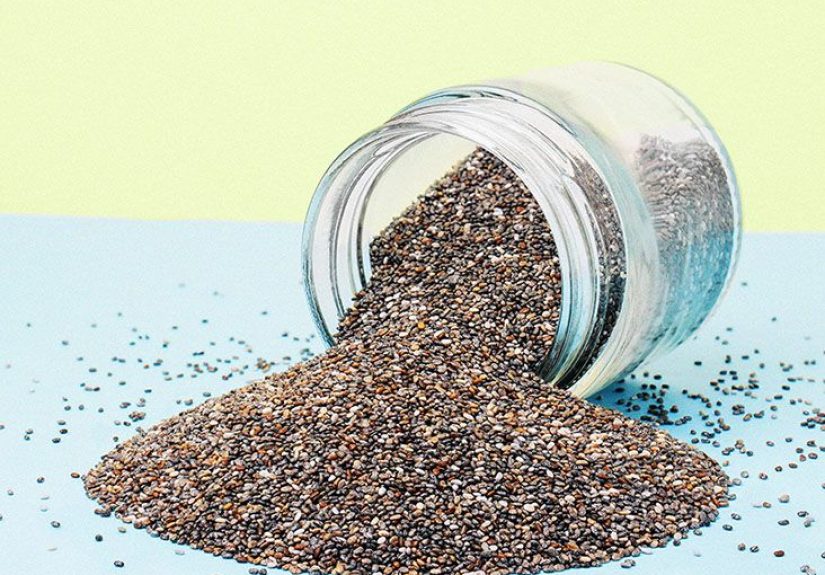
Chia seeds come from Salvia hispanica, a plant in the mint family. The seeds are small, oval,
and usually black or white. Nutritionally, black and white chia are very similar; the main differences
are mostly cosmetic (and whatever your brain insists tastes “healthier”).
Their superpower is water absorption. Chia can soak up many times its weight in liquid and form a gel
(thanks to soluble fiber and mucilage). That gel changes texture, slows digestion, and makes chia a
surprisingly useful ingredient in everything from pudding to baking.
Chia seed nutrition: what you get in a serving
A common serving is 2 tablespoons (about 1 ounce / 28 grams). Here’s the “why people
keep buying them” snapshot. Numbers vary a bit by brand, but these are solid estimates for dry chia.
Nutrition highlights (about 2 tablespoons / 28g)
| Nutrient | Approx. amount | Why it matters |
|---|---|---|
| Calories | ~138 | Energy-dense, but typically used in small portions |
| Fiber | ~9–10 g | Supports regularity, fullness, and healthier blood sugar response |
| Protein | ~4–5 g | Helpful for satiety; easy add-on for plant-forward meals |
| Fat | ~8–9 g | Mostly unsaturated fats |
| Omega-3 (ALA) | Varies (often ~4–5 g ALA) | Plant omega-3; your body converts only a small portion to EPA/DHA |
| Calcium | ~180 mg | Bone health support (one piece of the overall calcium puzzle) |
| Magnesium | ~90–100 mg | Involved in muscle/nerve function and energy metabolism |
| Iron | ~2 mg | Supports oxygen transport; absorption depends on the whole meal |
Quick reality check: chia seeds are not a multivitamin in disguise. They’re best viewed as a
high-fiber, nutrient-dense add-on that makes it easier to build meals with better
macros and a little more “sticking power.”
Health benefits: what chia seeds may help with (and why)
Chia’s benefits are mostly the benefits of three things: fiber, unsaturated
fats (including ALA omega-3), and minerals. Here’s how that plays out in
real life.
1) Digestive regularity and gut comfort (the fiber effect)
Many Americans don’t hit recommended fiber targets. Chia can deliver close to a third of a typical
daily fiber goal in one small serving. That can help with bowel regularityespecially if your baseline
diet is light on beans, vegetables, fruit, and whole grains.
Because chia includes both insoluble fiber (adds bulk) and soluble/gel-forming fiber (slows digestion),
it tends to feel “gentle-but-effective” for a lot of peoplewhen introduced gradually.
2) Fullness and appetite control (without the drama)
The chia gel can slow gastric emptyingtranslation: food hangs around longer, so you feel satisfied
longer. This doesn’t mean chia “melts fat” (it does not). It means chia can make a breakfast like
yogurt or oatmeal more filling, which helps some people snack less out of pure stomach noise.
If you’re using chia for weight management, aim for the boring-but-effective strategy: add chia to
meals you already eat, and keep the rest of your plate balanced. Chia works best as a teammate, not a
solo hero.
3) Heart-health support (fiber + fats working together)
Chia contains ALA, a plant-based omega-3. ALA is considered an essential fatty acid (your body can’t
make it). Your body can convert some ALA into EPA and DHA (the omega-3s found in fish), but the
conversion is limited. So chia is a great way to get more omega-3 type fat, but it’s not a
perfect replacement for EPA/DHA if your clinician recommends those specifically.
On the fiber side, gel-forming soluble fiber is associated with improved cholesterol patterns in some
people. The overall “heart-friendly” picture is strongest when chia is part of a pattern that includes
plenty of plants, healthy fats, and fewer ultra-processed foods.
4) Blood sugar steadiness (especially when paired wisely)
Chia doesn’t “cure diabetes,” but fiber can help reduce the speed of carbohydrate absorption. Practically,
that means chia may help smooth the peak-and-crash feeling some people get after carb-heavy meals
especially when you add it to foods like oatmeal, smoothies, or yogurt with fruit.
The evidence is mixed and depends on the study design, the amount used, and what the chia replaced in
the diet. The safest, most useful takeaway: chia can be a smart swap for low-fiber toppings (like candy
sprinkles) and a helpful add-on for balanced meals.
5) Bone-supporting nutrients (helpful, not magical)
Chia provides calcium, magnesium, and phosphorusnutrients involved in bone structure and metabolism.
But bone health is a long game: adequate total calcium and vitamin D, strength training, protein, and
overall diet quality matter more than any single seed.
How much chia should you eat?
A common “everyday” amount is 1–2 tablespoons per day. If you’re new to high-fiber
foods, start with 1 teaspoon to 1 tablespoon and increase slowly over a week or two.
Your gut is basically a roommate: it needs a heads-up before you move in a fiber trampoline.
Pro tip: water matters
Fiber works best with adequate fluids. If you ramp up chia (or any fiber) without drinking enough, you
may get bloating or constipation instead of the “wow, I’m thriving” experience you were promised by the
internet.
Safety and side effects: who should be careful?
Don’t eat a spoonful of dry chia like it’s cinnamon
Dry chia seeds can expand when they contact liquid. For most adults who chew well and drink fluids,
sprinkling dry chia over yogurt or oatmeal is fine. But swallowing a large amount of dry chia followed
by liquid can be riskyespecially for children or people with swallowing problems.
Possible side effects
- Bloating, gas, or loose stools if you jump from low fiber to high fiber overnight.
- Constipation if you add chia but don’t increase fluids.
- Allergy is uncommon, but possible. Stop and seek care if you have signs of an allergic reaction.
- Medication interactions are not common for most people, but if you take blood thinners,
blood pressure meds, or diabetes meds, ask your clinician if increasing fiber/omega-3 intake is appropriate.
If you have a known swallowing disorder, strictures, or a history of food impaction, it’s smarter to
use chia only after it’s fully hydrated (gel form) and to ask your healthcare team for personalized
guidance.
How to eat chia seeds: the easiest ways (no culinary gymnastics)
Chia seeds are mild in flavor, which makes them easy to “hide” in foods you already like. You can use
them whole or ground. Whole chia gives texture and gel; ground chia blends more smoothly (and may be
easier to digest for some people).
Quick add-ons
- Oatmeal: Stir in 1–2 teaspoons during cooking for thicker oats.
- Yogurt: Mix 1 tablespoon into a single serving and let it sit 5–10 minutes.
- Smoothies: Add 1 tablespoon for thickness and fiber; blend or let sit.
- Salads: Sprinkle 1–2 teaspoons like you would sesame seeds.
- Soups: Use 1 teaspoon to lightly thicken (start small; chia doesn’t do subtle).
Recipes you’ll actually make
1) Classic chia pudding (the reliable crowd-pleaser)
Makes: 1 serving (or double it; future-you will say thank you).
- 2 tablespoons chia seeds
- 1/2 cup milk (dairy or unsweetened plant milk)
- 1/2 teaspoon vanilla extract
- 1–2 teaspoons maple syrup or honey (optional)
- Pinch of salt
- Whisk everything together in a jar or bowl.
- Wait 5 minutes, whisk again (this prevents chia clumps).
- Cover and refrigerate at least 2 hours (overnight is best).
- Top with berries, sliced banana, nuts, or cinnamon.
Variations: Add cocoa powder for chocolate pudding, or mix in mashed berries for a
“jammy” vibe.
2) Chia “jam” (fruit spread in 10 minutes)
- 1 cup berries (fresh or frozen)
- 1–2 tablespoons chia seeds
- 1–2 teaspoons sugar or maple syrup (optional)
- 1 teaspoon lemon juice
- Warm berries in a saucepan until they break down.
- Mash with a fork, then stir in chia seeds and lemon juice.
- Let sit 10 minutes to thicken. Adjust sweetness to taste.
- Store in the fridge and use within a few days.
3) Chia egg substitute (for baking)
Great for muffins, pancakes, and quick breadsespecially if you’re out of eggs or cooking for someone
who avoids them.
- 1 tablespoon chia seeds (whole or ground)
- 3 tablespoons water
- Stir chia and water together.
- Wait 10–15 minutes until gel-like.
- Use in place of 1 egg in many baked recipes.
4) “No blender” chia fresca (hydration drink)
- 1–2 teaspoons chia seeds
- 12–16 oz water
- Juice of 1/2 lemon or lime
- Optional: a splash of 100% juice or a tiny bit of sweetener
- Stir chia into water and citrus.
- Wait 10 minutes, stirring once or twice.
- Drink slowly if you’re new to chia (and keep water nearby).
5) Protein-friendly chia breakfast bowl
If you want a breakfast that keeps you full without feeling heavy, build a bowl like this:
- 3/4 cup Greek yogurt (or a high-protein plant yogurt)
- 1 tablespoon chia seeds
- 1/2 cup berries
- 1 tablespoon chopped nuts or nut butter
- Cinnamon on top
Mix, wait 5 minutes, eat. It’s basically a cheat code for “I need to be a functioning human today.”
Buying and storing chia seeds
- Look for: a fresh, mild smell (rancid odor = old fats).
- Whole vs. ground: whole lasts longer; ground may go rancid faster.
- Storage: airtight container, cool and dry. Refrigeration is optional but helpful for long-term freshness.
Chia vs. flax vs. hemp: which seed should you choose?
You don’t need to pick a single “best seed” like it’s a reality show. Each has strengths:
- Chia: easiest (no grinding required), high fiber, gels beautifully.
- Flax: also high in ALA; ground flax is usually recommended for better absorption.
- Hemp: typically higher protein, milder fiber impact, pleasant nutty flavor.
If you love chia pudding and need more fiber, chia is a win. If you prefer smoothies and want a softer
texture, ground flax can be great. If you want extra protein in salads, hemp hearts are your friend.
The “best” choice is the one you’ll actually eat consistently.
Frequently asked questions
Do chia seeds help you lose weight?
Chia seeds can support fullness because of fiber and gel formation, which may help some people eat
fewer calories without feeling deprived. But they’re not magicand they do contain calories. Use them
to improve meal quality and satiety, not as a gimmick.
Should you soak chia seeds?
Soaking is not required in every situation, but it’s often the most comfortable and safest way to eat
themespecially for kids or anyone with swallowing concerns. Soaking also improves texture in many
recipes.
Can you eat chia seeds every day?
For most people, yestypically in moderate portions (often 1–2 tablespoons daily). If you have digestive
conditions or take certain medications, check with your clinician before making chia a daily habit.
Real-world experiences: what people commonly notice (and how to make it go well)
Let’s talk about the part no nutrition label can capture: the day-to-day experience of actually eating
chia seeds. People often try chia because they want better digestion, more energy from steadier meals,
or a breakfast that doesn’t leave them hungry at 10:17 a.m. In real life, the most common “first week”
experience is simply feeling more satisfiedespecially when chia is added to something with protein
(like yogurt) and volume (like fruit). That combination tends to reduce the urge to snack out of
boredom or blood-sugar whiplash.
Another common experience is a change in digestion. For many, it’s positivemore regular, less “why is
my stomach negotiating with me?” But chia is fiber-dense, and fiber is the friend who shows up early
and rearranges your furniture. If you go from almost no fiber to two tablespoons of chia overnight,
some people report bloating or extra gas. The fix is boring and effective: start smaller (a teaspoon),
increase slowly, and drink more water. Once your gut adapts, chia often becomes one of the easiest ways
to keep fiber intake consistent without cooking a pot of beans every day.
Texture is the other big “experience” factor. Some people love chia pudding immediately. Others take
one bite and decide it’s “frog egg vibes” (no judgment). If you’re texture-sensitive, try blending chia
into smoothies, using it in baked goods, or making a thinner pudding with more liquid and a longer
chilling time. You can also mix chia into oatmeal while it’s hot; the gel effect becomes more subtle
and less bouncy. And if you’re trying chia in drinks, stir well and let it hydratedry clumps are not
a personality trait you want in your beverage.
People also notice chia’s practicality. It’s shelf-stable, quick, and flexible. Busy mornings are
where chia shines: a jar of pudding or a yogurt-chia bowl can be prepped in minutes, then grabbed on
the way out the door. For families, the experience often comes down to safety and acceptance. When
kids are involved, fully hydrated chia (in pudding or oatmeal) is usually the easiest win. Dry spoonfuls
are a no-go, and tiny bodies don’t need a fiber tsunami.
Finally, many people find that chia works best when it’s part of a bigger patternmore plants, more
protein at breakfast, fewer ultra-sugary snacks, and consistent hydration. In other words, chia isn’t
the whole story; it’s a helpful sentence in a better chapter. If you treat it as a small daily upgrade
rather than a nutritional miracle, the experience is usually smoother, more sustainable, and a lot more
enjoyable.
Conclusion
Chia seeds aren’t magicjust impressively useful. They pack a lot of fiber into a small serving, bring
plant-based omega-3s to the table, and play well with foods people already eat. If you introduce them
gradually, hydrate them when needed, and use them in realistic recipes (pudding, oatmeal, smoothies,
baking), chia can be one of the simplest “small habits” that improves your overall diet quality.