Table of Contents >> Show >> Hide
- What the Stylemaker Issue Really Celebrates
- The Origin Story: When “Stuff” Becomes a Spark
- Inside the Drew Barrymore Approach to Home
- The Signature Rules: Soft Edges, Big Feelings
- From Editorial Feature to Everyday Home: Beautiful by Drew Barrymore
- The Drew Barrymore Style Equation
- Steal Her Style Without Copying Her House
- Why This Stylemaker Moment Works (Beyond the Pretty Pictures)
- of Stylemaker Experiences: The Drew Effect in Real Life
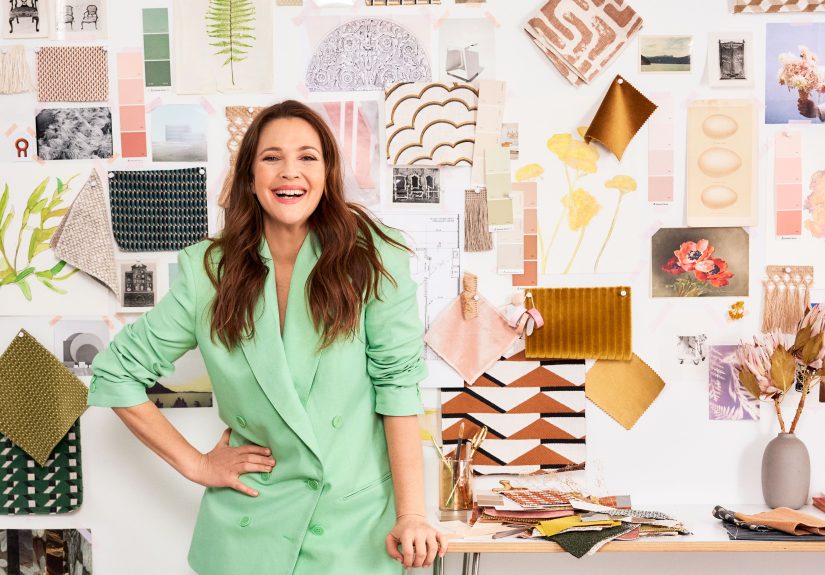
Some celebrities sell a “lifestyle” the way a perfume ad sells “mysterious ocean vibes.” Drew Barrymore is not doing that.
In Better Homes & Gardens’ Stylemaker spotlight, she comes off like the friend who will (1) compliment your shoes,
(2) ask to photograph them for the color reference, and (3) immediately spiral into a joyful decorating rabbit hole because
“coral” isn’t a colorit’s a mission.
The Stylemaker Issue is all about people shaping what’s next in home, food, and gardencreators who make the future more colorful,
more personal, and frankly more fun. Drew fits that brief because her “brand” isn’t a costume. It’s a lived-in, kid-friendly,
dog-hair-tolerant kind of creativity that celebrates imperfection, layering, and the magic of a room that makes you exhale.
What the Stylemaker Issue Really Celebrates
A stylemaker isn’t just someone with good taste. It’s someone who changes what people think “good taste” can be.
The Stylemaker Issue leans into that idea: creativity that’s usable. Not museum-quiet. Not “don’t sit on that.”
More like “sit anywherejust move the pillow if you need to breathe.”
Drew’s particular contribution is her insistence that comfort and beauty are not rivals. She’s built a post-acting career around
being herselftalk show host, founder, product collaborator, and enthusiastic home tinkererthen stitched those worlds together
with one big through-line: color, warmth, and emotional honesty.
The Origin Story: When “Stuff” Becomes a Spark
Drew can trace her design obsession to a very specific moment: after losing most of her possessions in a house fire, she found herself
in a nearly empty home, staring at one lonely desk and realizing how much a space affects your nervous system.
When you’ve got bare floors and the kind of quiet that echoes, you don’t just want furnitureyou want comfort, identity, and a little
daily joy that doesn’t require a special occasion.
That’s a key Stylemaker theme: creativity isn’t always born from abundance. Sometimes it’s born from the need to rebuild.
Drew’s design energy is partly playful, partly practical, and deeply emotionalbecause home, to her, is where you recover your
sense of self.
Inside the Drew Barrymore Approach to Home
If you’re expecting a sterile “celebrity penthouse” situation, the Stylemaker feature points in the opposite direction:
a space that’s eclectic, personal, and intentionally relaxing. Her look isn’t about matching sets. It’s about collecting a room
the way you collect memoriesslowly, with stories attached.
1) Comfort firstthen style rides shotgun
Drew’s rooms aim for what you might call “disarming comfort.” Think plush pillows, welcoming seating, and choices that make it easy
to live like a human (not like a showroom mannequin). The vibe says: “Come in, sit down, tell me everything,” which is also basically
her talk show energyjust with better lighting.
2) The art-and-lighting splurge strategy
One of the smartest design moves in the Stylemaker story is how she prioritizes what lasts visually.
Sofas can be affordable; rugs can be simple; but art and lighting are the pieces that change the mood of a room instantly.
A paper lantern pendant, a sculptural lamp, or a bold print can make even a modest space feel intentional.
3) “Collected” beats “coordinated”
Drew’s style leans into vintage finds, quirky objects, and unexpected detailsbecause perfect coordination can feel a little
emotionally unavailable. A room that’s collected over time reads warmer and more real, like it has a pulse.
This is also how you avoid the “algorithm house” problem (you know the one: it looks like every room on the internet moved into
the same rental). A collected home can’t be copied exactlyand that’s the point.
The Signature Rules: Soft Edges, Big Feelings
One of Drew’s most memorable design principles is also the most practical: avoid sharp corners.
It’s a parenting-friendly idea (kids + corners = everyone suddenly learning what an ice pack is), but it’s also a style philosophy.
Rounded shapes feel gentler. They make a room feel approachable. They tell your brain: “No threats hereonly snacks.”
That “soft edges” rule shows up not only in how she decorates, but in what she puts into productsespecially her mass-market home
collections meant to be used daily, not babied.
From Editorial Feature to Everyday Home: Beautiful by Drew Barrymore
The Stylemaker feature connects Drew’s personal taste to something bigger: product design that doesn’t punish you for living a busy life.
Her “Beautiful” collaborations are built around accessible price points, playful color, and countertop-worthy looksbecause why should
your blender have to look like it’s ashamed of itself?
Kitchenware and appliances that are meant to be seen
The Beautiful kitchenware launch at Walmart leaned into a design-forward palette (soft, dessert-and-nature-inspired shades) and details
like gold accents. It’s the opposite of hiding everything in cabinets. These are pieces designed to live out in the open, like part of
the decorbecause in real homes, countertops are basically small stages for your daily routine.
Newer additions and seasonal color drops keep that same idea going: functional tools that still feel cozy and current.
The popularity of the line is partly about aesthetics, but also about permissionpermission to make everyday tasks feel a little less dull.
If your coffee maker looks like it belongs in a happy room, you might stop treating mornings like an extreme sport.
Furniture that leans into texture and roundness
The furniture side of the Beautiful line has leaned into tactile, trend-meets-timeless elementsbouclé, fluting, organic shapes,
and pieces designed for smaller spaces and real budgets. It’s not “cheap-looking affordable.” It’s “looks expensive enough that your
group chat asks where you got it.”
The Drew Barrymore Style Equation
If you had to turn her Stylemaker story into a formula, it might look like this:
- Color (not neon chaosthoughtful warmth)
- Texture (soft fabrics, cozy finishes, tactile comfort)
- Personal history (objects with stories, not just matching “sets”)
- Practical empathy (kid-friendly, pet-friendly, life-friendly)
- Play (whimsy that keeps a home from feeling emotionally flat)
Notice what’s missing: perfection. Drew’s style doesn’t demand that you keep your home camera-ready.
It asks that your home supports youespecially when life is loud.
Steal Her Style Without Copying Her House
Here’s the good news: you don’t need a celebrity budget, a professional prop stylist, or a secret tunnel to a wallpaper warehouse.
You just need a few strategic choices that create the same emotional effect.
Start with one “anchor” that sets the mood
Pick a single anchor piece that tells the room what it’s supposed to feel like:
a rounded chair, a statement lamp, a bold artwork, or even a patterned rug. The anchor is your “yes.”
Everything else is just agreeing politely.
Use the “soft edge” trick in three places
You don’t have to round every corner in your life. Just add softness in a few high-impact spots:
- A round coffee table or ottoman (bonus: fewer bruised shins)
- A curved-back chair or boucle accent seat
- Rounded decorarched mirrors, scalloped trays, globe lighting
Make lighting do the emotional labor
Overhead lights can be… aggressive. If your room feels like an interrogation scene, add layers:
a warm lamp near seating, a soft pendant, and a small accent light on a shelf. The goal is glow, not “operating room.”
Collect a palette the way you collect outfits
Drew’s sensibility works because it’s cohesive without being rigid. Try this:
choose one “comfort neutral” (cream, warm white, oatmeal), one grounding tone (black, espresso, deep green), and one cheerful accent
(coral, powder blue, lilac, or whatever color makes you feel like you could write a nice email).
Why This Stylemaker Moment Works (Beyond the Pretty Pictures)
The deeper reason Drew resonates in the Stylemaker context is that her taste isn’t about status.
It’s about emotional utility. Her home approach has a message: your space can support your nervous system, your creativity, and your
relationshipswithout requiring you to become a minimalist monk or a full-time organizer.
She also treats design like a living practice, not a finish line.
Rearranging, swapping, tweakingthose are not “failures.” They’re how a home stays alive.
If a room can evolve with you, it’s doing its job.
of Stylemaker Experiences: The Drew Effect in Real Life
Here’s what’s fascinating about the Stylemaker issue: it doesn’t just make people want to buy thingsit makes people want to
try things. Drew’s influence lands in everyday moments, the kind that never show up in glossy “after” photos.
One classic Drew-inspired experience is the “soft reset” on a random Tuesday. You look around, realize your living room feels a bit
like a waiting room, and decide to change exactly one thing: you drag a chair closer to the window. Suddenly, you have a reading nook.
You add a pillow (because of course you do), and the room becomes a place you actually want to be. That’s the Drew effect:
small moves that create big relief.
Another common moment: the courage to stop chasing “perfect.” People who live with kids, pets, roommates, or just a busy schedule
often feel like their homes can’t be stylish unless everything is hidden, labeled, and color-coded within an inch of its life.
Drew’s Stylemaker vibe flips that idea. A basket of throws is not “clutter”it’s a comfort station. A gallery wall isn’t “busy” if
it makes you smile. A few visible cookbooks aren’t “mess”they’re personality with spines.
Then there’s the appliance glow-up: the oddly satisfying feeling of replacing a loud, plastic-looking kitchen gadget with something
that’s actually cute. It’s not about vanity; it’s about friction. When your tools are pleasant to look at and easy to use,
you’re more likely to cook, make coffee, or try that “I’ll meal prep this week” plan you keep pitching to yourself like a campaign promise.
A pretty countertop doesn’t fix lifebut it can make daily routines feel less like chores and more like rituals.
A particularly relatable Stylemaker experience is the “budget re-allocation epiphany.” You decide not to overspend on a sofa you’ll
inevitably snack on, and instead put that extra cash toward one piece of art or one gorgeous lamp that makes the whole room feel elevated.
It’s a grown-up decision that still feels funlike you tricked adulthood into being enjoyable.
And finally, there’s the emotional experience of designing with empathy. Rounded edges aren’t just a safety choice; they’re a mood.
A curved coffee table invites people to gather. A plush chair encourages lingering. Softer shapes make a space feel less rigid, more human.
In a world where everything is sharpnews cycles, deadlines, group chatsyour home can be the place that isn’t.
That’s the heart of the Stylemaker issue featuring Drew Barrymore: not a fantasy house you can’t touch, but a lived-in kind of beauty
that helps you breathe.