Table of Contents >> Show >> Hide
- What Makes a Summer Sleeping Porch So Good?
- The Design Formula for a Beautiful Sleeping Porch
- Steal This Look: The Summer Sleeping Porch Style Blueprint
- Comfort Upgrades That Make It Truly Sleep-Worthy
- Steal the Look on a Real Budget
- Common Mistakes That Ruin the Vibe
- Summer Sleeping Porch Experiences: What It Actually Feels Like (Extended Section)
- Conclusion
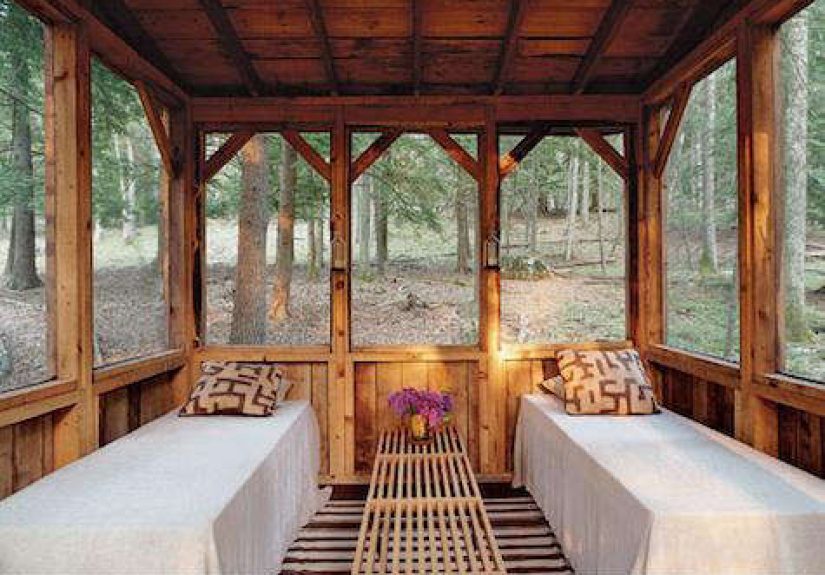
Some spaces just know how to flirt with summer. A sleeping porch is one of them. It is breezy, a little nostalgic, and somehow makes even an ordinary Tuesday night feel like a vacation. If you have ever seen a screened porch with soft throws, a daybed, a fan spinning overhead, and a glow-y lantern situation that says “I definitely have my life together,” this guide is for you.
This article breaks down how to recreate that look in real lifenot just in pretty photos. We’ll cover layout, furniture, materials, lighting, airflow, privacy, and the practical stuff people forget until the mosquitoes RSVP. You’ll also get a longer “experience” section at the end, because a true summer sleeping porch is not just a design trend; it’s a whole mood.
What Makes a Summer Sleeping Porch So Good?
A sleeping porch is basically the best parts of indoors and outdoors meeting in the middle and deciding to be charming. Traditionally, these spaces were designed for airflow and cooler sleeping before central air conditioning became common. Today, the modern version still follows the same logic: shade, ventilation, comfort, and enough protection from bugs and weather to make the space actually usable.
The “steal this look” version usually combines cottage nostalgia with smart modern upgrades: screened walls, layered seating, washable textiles, durable finishes, and lighting that works after sunset. Think less “formal showroom” and more “stylish summer retreat where someone definitely serves lemonade in a glass pitcher.”
The Design Formula for a Beautiful Sleeping Porch
1) Start With the Real Purpose
Before you pick a rug or fall in love with a rattan chair, decide what the porch needs to do most of the time. Is it for naps? Summer reading? Family dinners? Overnight guests? A space can look gorgeous and still be annoying if it is not designed around how you actually use it.
A good sleeping porch often works best when it has zones:
- A sleep/lounge zone: daybed, porch swing bed, chaise, or deep seating.
- A small landing zone: side table, tray, lamp, or water pitcher station.
- An optional dining or conversation zone: especially if the porch is long or wide.
Large porches can absolutely handle multiple “rooms,” while smaller ones need a tighter plan. If your footprint is compact, pick one hero function first (sleeping or dining), then add smaller pieces around it. That one decision saves a lot of regret shopping.
2) Frame the Best View and the Best Breeze
One of the easiest ways to make a porch feel expensive is to orient the furniture toward something intentional: a lake view, a garden, a tree canopy, or even a focal point like a fireplace, bar cart, or statement light. A sleeping porch should feel like it is connected to the outdoors, not like a waiting room with bugs.
The smartest layouts also respect airflow. Keep the center of the porch easy to move through, and avoid crowding the path between screen openings, doors, and fans. If you are building or reworking the structure, choose the side of the house with the best shade and breeze whenever possible.
3) Build a Durable “Shell” That Can Handle Summer
Pretty matters. But on a sleeping porch, pretty has to survive humidity, dust, pollen, and the occasional thunderstorm drama. The best-looking porches usually start with durable basics:
- Flooring: painted wood, brick, tile, concrete, or porch-safe planks that are easy to sweep and wipe.
- Ceiling: beadboard, tongue-and-groove, or a painted finish that brightens the space.
- Screens: practical mesh that fits your climate and bug pressure, installed neatly.
A lot of designers use painted ceilings and floors to make a porch feel more finished. White ceilings help bounce light, while soft sky blues add character. If you love cottage style, this is the place to lean in. If you prefer a cleaner look, use crisp whites, warm neutrals, and natural textures.
Steal This Look: The Summer Sleeping Porch Style Blueprint
The Foundation Pieces
If you want the “editorial” look without a luxury budget, focus on a few key pieces instead of trying to decorate every inch:
- One anchor seating piece: a daybed, porch swing bed, or deep outdoor sofa.
- Two lightweight chairs: wicker, rattan-style, teak, or metal-framed pieces you can move around.
- A sturdy side table or trunk: for drinks, books, and the charger you always need at 10:47 p.m.
- An outdoor rug: to visually “ground” the sleep zone and make it feel like a real room.
Wicker and rattan looks are classic for a reasonthey instantly make a porch feel relaxed and summery. Teak and other weather-tolerant woods work beautifully too, especially when you want a cleaner, less cottage-heavy style. The trick is balance: one or two strong materials repeated throughout the space look more polished than six different trends fighting each other.
Textiles That Look Great and Survive Real Life
The secret to a great sleeping porch is layering. A porch without textiles feels unfinished. A porch with the wrong textiles feels tragic after one humid week. Use outdoor or performance fabrics for your main cushions and pillows, then layer in washable throws for softness.
A simple formula that works almost every time:
- Base: one neutral (cream, sand, warm gray, or soft white)
- Secondary: one nature color (sage, faded blue, terracotta, olive)
- Pattern: stripe, gingham, or botanical print in small doses
- Texture: woven basket, linen-look curtain, jute-style rug, quilt, or knit throw
Want a designer shortcut? Mix patterns, but keep the palette tight. For example, stripe + floral + solid works when they share the same blues and creams. This keeps the porch playful, not chaotic.
Curtains are also doing a lot of heavy lifting here. Outdoor curtains soften the lines of screens, add privacy, and help control glare during late afternoon sun. Sheer panels create a breezy look; heavier outdoor drapes feel more cocoon-like and make the porch feel sleep-ready.
Lighting That Makes the Porch Work After Dark
This is where most porches go from “fine” to “wow.” One ceiling fixture is rarely enough. If you want your summer sleeping porch to be useful for reading, winding down, and late-night conversations, layer your lighting.
- Overhead: a pendant, flush mount, or fan light for general brightness
- Ambient: string lights, lantern sconces, or woven pendants for mood
- Task lighting: a table lamp or reading lamp by the daybed/chair
The best porches feel soft and glowy at night, not like a parking lot. Warm lighting, dimmable options, and multiple light sources are the move. If you only change one thing this season, upgrade the lighting. It changes everything.
Comfort Upgrades That Make It Truly Sleep-Worthy
Airflow, Fans, and Summer Sleep Temperature
A sleeping porch can look amazing and still be miserable if it traps heat. Cooling comfort is not optional here. Ceiling fans are one of the most important upgrades, and they should be rated for outdoor use so they can handle moisture and humidity.
For actual sleep, cooler is better. Sleep experts commonly recommend a bedroom temperature in the mid-60s Fahrenheit range (about 65–68°F) for most people. You may not get your porch that precise, but it is a useful target. Shade, cross-breeze, fans, light bedding, and breathable fabrics all help you move closer to that “I could nap here for three hours by accident” comfort zone.
Screens, Privacy, and Bug Defense
The screens are the unsung heroes of a sleeping porch. If they are loose, torn, or poorly installed, your dream porch becomes a bug buffet. Screen material choice matters toofiberglass is common and budget-friendly, while aluminum and other options can be more durable depending on your setup and climate.
If you want flexibility, consider a setup that allows for seasonal adjustments, such as removable panels or upgraded screening systems. Some homeowners also use retractable screens for a more modern look and function.
For privacy, add:
- Outdoor curtains (great for neighbors and glare)
- Tall planters or trailing plants
- Strategic furniture placement (for example, the back of a sofa facing the most exposed side)
- A screen-friendly color palette that visually softens the frame lines
Power, Charging, and Tiny Details You’ll Thank Yourself For
A sleeping porch becomes wildly more useful when it has practical support:
- Enough outlets for fans, lamps, and chargers
- A tray or basket for books, bug spray, and blankets
- Hooks for towels or throws
- A lidded storage bench for cushion overflow
- A washable path from the porch to the house (for wet feet and muddy shoes)
These are not glamorous details, but they are what make the porch feel easy. And easy is what gets spaces used.
Steal the Look on a Real Budget
Where to Splurge
- Fan and electrical work: comfort and safety first.
- Main seating: a good daybed or outdoor sofa earns its keep.
- Screen repair or replacement: because mosquitoes do not care about your design goals.
Where to Save
- Paint: walls, ceilings, and floors can completely transform a porch.
- Textiles: rotate seasonal pillow covers instead of buying all new cushions.
- Decor: thrifted tables, baskets, lanterns, and vintage-style pieces look fantastic here.
A Great Real-World Example
One of the best reminders that porch magic does not require a mansion is a screened-in porch makeover approach: fresh paint, replacing the screens, improved fans, and a bold floor treatment can completely change the mood. A black-and-white checkered floor, for example, instantly gives a porch a bistro-like, high-style feel while also helping hide everyday dirt better than pale tile. That is the kind of decision we lovepretty and practical.
Common Mistakes That Ruin the Vibe
- Using indoor-only materials: They fade, mildew, or warp fast.
- Skipping layered lighting: A single fixture makes the porch feel flat.
- Overcrowding the space: Leave room for airflow and movement.
- Ignoring the floor: It is a huge visual surface and takes the most abuse.
- No plan for privacy: Screens are not the same as seclusion.
- Designing for photos, not life: If there is nowhere to set a drink, the porch is not finished.
Summer Sleeping Porch Experiences: What It Actually Feels Like (Extended Section)
The best way to understand a summer sleeping porch is to imagine the day unfolding there. In the morning, the porch feels cool and bright before the heat really kicks in. The light comes through the screens softer than a regular room, and everything looks a little calmerplants, books, the throw tossed over the chair, even the shoes by the door. This is usually when people realize the porch is not just extra square footage; it changes the rhythm of the house.
By late morning, the porch becomes a flexible room. Someone answers emails at the table. Someone else reads in the swing bed. A pet claims the rug like it paid for it. Because the porch is semi-outdoor, it feels less formal than a living room, so people actually use it without the “don’t mess this up” energy. That is a big reason these spaces work so wellthey invite life instead of demanding perfect styling.
Afternoon is when design choices prove themselves. If you picked the right curtains, the harsh sun gets filtered into a soft glow instead of turning the porch into a greenhouse. If you installed outdoor-rated fans, the air keeps moving and the humidity feels manageable. If your furniture is lightweight enough, you can shift a chair a few inches to catch the breeze without needing a full team of movers. This is where comfort becomes visible. The porch starts to feel effortless.
Evenings are the real show. The overhead fan hums, the lanterns or string lights come on, and the porch turns into the kind of place where conversations go longer than planned. A porch that looked nice during the day becomes magical at night if the lighting is layered well. You stop noticing the individual design pieces and start noticing the feeling: a little cooler, a little quieter, and much more relaxed than the rest of the house.
And yes, the sleeping part matters. A summer sleeping porch works best when it feels intentionally prepared for rest: a washable throw within reach, a side table for water, a reading light that is not too bright, a fan aimed well, and screens in good shape. There is a huge difference between “I could accidentally fall asleep here” and “I planned this porch to support real sleep.” The latter feels like a luxury.
Families often end up using the porch in unexpected ways tookids reading there before bed, grandparents taking afternoon naps, friends crashing after long dinners, or someone sneaking out at sunrise with coffee because the porch is the only place that feels quiet. That is what makes the style so timeless. It is not just about the look. It is about creating a space with low pressure and high comfort.
If you want the porch to become part of your routine, keep it “ready” all season: folded throws in a basket, spare pillow covers washed, fan blades clean, and one or two surfaces cleared off. A porch that is always one small step away from usable gets used constantly. A porch that becomes a storage zone becomes a very expensive reminder of good intentions.
In other words, a summer sleeping porch is not about perfection. It is about atmosphere, airflow, and comfort. Get those right, and even a simple screened space with painted floors and a few good pillows can feel like the best room you own. And honestly? That is the whole point of stealing the lookyou are not copying a photo. You are recreating the feeling.
Conclusion
A great summer sleeping porch blends style and function so well that you stop thinking about the design and just enjoy being there. Start with airflow, shade, and durable materials. Add one strong lounging piece, layered textiles, and lighting that works after dark. Then finish with the practical detailsscreens, fans, privacy, and storagethat make the space easy to use every day.
Whether your porch is a tiny screened nook or a long wraparound retreat, the formula is the same: comfort first, then character. That is how you get the lookand keep it looking good all summer.