Table of Contents >> Show >> Hide
- Why blood pressure monitoring needed a glow-up
- Telemedicine, defined like a normal person would define it
- What changes when blood pressure care goes virtual
- The telemedicine + home BP toolkit: getting accurate readings (without turning your living room into a clinic)
- How telemedicine monitoring actually works in practice
- What the evidence says (and what it doesn’t)
- Where telemedicine shines brightest
- Payment and policy: the part nobody frames on a wall, but everyone asks about
- Privacy and trust: telemedicine isn’t “FaceTime your doctor” (even if it feels like it)
- Practical tips for patients (so this doesn’t turn into a dusty cuff in a drawer)
- Tips for clinicians and practices building a tele-BP program
- What’s next: wearables, smarter alerts, and fewer “surprise hypertension” moments
- Real-world experiences: what telemedicine blood pressure monitoring feels like (the good, the messy, and the unexpectedly motivating)
- Conclusion
Blood pressure has a weird superpower: it can be dangerously high while you feel perfectly fine. It’s the health equivalent of a “this is fine” memeexcept the room is on fire and your arteries are the wallpaper.
The good news: we’re no longer limited to the once-a-year “doctor’s office reading + panic + coffee breath” approach. Telemedicine (plus home blood pressure monitoring and remote patient monitoring) has turned blood pressure care into something closer to a streaming series: more episodes, better data, fewer plot twists.
Why blood pressure monitoring needed a glow-up
Blood pressure isn’t static. It changes with sleep, stress, meals, medications, pain, exercise, andlet’s be honestyour group chat. A single clinic reading can miss the bigger story. Some people have higher readings in medical settings (“white coat” effect), while others look normal in the office but run high at home (masked hypertension). Either way, one snapshot isn’t the whole movie.
Telehealth created a new problem and an opportunity at the same time. On one hand, virtual visits can make it harder to capture consistent blood pressure readings if the patient doesn’t have a home cuff or forgets to measure. On the other hand, telemedicine is the perfect bridge between everyday life and clinical decision-makingif the data actually shows up.
Telemedicine, defined like a normal person would define it
Telemedicine is the care visit: video, phone, secure messaging. Remote patient monitoring (RPM) is the data pipeline: a connected device (often a blood pressure cuff) that captures readings and shares them with the care team. Put them together and you get a feedback loop: measure → transmit → review → adjust → repeat. That loop is where blood pressure control gets real.
What changes when blood pressure care goes virtual
1) More readings, less guessing
Home monitoring gives clinicians more than one number. Patterns appear: mornings vs evenings, medication timing, stress spikes, or that mysterious “Sunday night dread” bump. Telemedicine makes it easier to review those patterns frequently without forcing patients to take time off work or find childcare for a 10-minute appointment.
2) Faster course corrections
Blood pressure meds often need fine-tuning. Telemedicine lets care teams adjust treatment soonerbefore “slightly high” becomes “why is my head pounding?” This is especially helpful after a new diagnosis, a medication change, or a hospital discharge.
3) Team-based care becomes easier to deliver
Many successful programs use pharmacists, nurses, health coaches, or care coordinators to support patients between physician visits. Telemedicine makes that coordination simpler, and RPM gives those teams something concrete to work with beyond “I think I’m doing okay?”
The telemedicine + home BP toolkit: getting accurate readings (without turning your living room into a clinic)
Pick the right device: accuracy first, vibes second
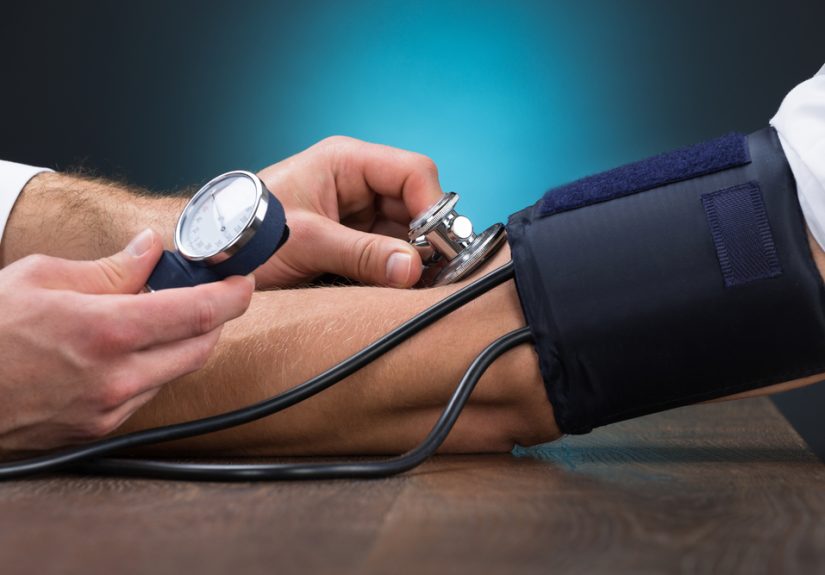
Not all blood pressure monitors are created equal. Clinical guidance generally favors validated, upper-arm cuffs for home monitoring. Wrist devices can be convenient, but they’re more sensitive to positioning and can be less reliable if used incorrectly. If you want your telemedicine plan to work, your cuff can’t be “close enough.” It needs to be right.
One underrated detail: cuff size. A cuff that’s too small can read higher than reality, and a cuff that’s too large can read lower. Translation: the wrong cuff can turn a calm care plan into unnecessary medication changes (or the oppositefalse reassurance).
Take measurements the boring way (because boring = accurate)
Good technique is unglamorous and extremely effective. The basics most programs teach look like this:
- Sit quietly for about 5 minutes before measuring.
- Back supported, feet flat, legs uncrossed, arm supported at heart level.
- No talking during the measurement (yes, even if you’re narrating your own life like a podcast).
- Avoid caffeine, tobacco, or exercise right beforehand (often within ~30 minutes).
- Take 2 readings, 1–2 minutes apart, and record both (or let the device/app do it).
Log it like you mean it
Telemedicine is only as smart as the data it receives. Some systems automatically transmit readings; others rely on patient-entered logs. Either can work, but consistency matters. When readings are missing, clinicians are forced back into guess modewhich is not the vibe we want for your cardiovascular system.
How telemedicine monitoring actually works in practice
Step 1: Setup and a simple plan
A strong telemedicine program starts with expectations that don’t require a PhD in “Health App Navigation.” The clinician (or care team) helps the patient:
- Choose a validated monitor and correct cuff size
- Learn proper measuring technique
- Decide when to measure (for example, mornings before meds and evenings before dinner)
- Set a realistic schedule (e.g., a few days per week, or daily for a short period after changes)
- Define “when to call us” thresholds, especially for very high readings or symptoms
Step 2: Collect readings in the real world
The patient measures at homewhere life happens. This is where you catch what a clinic visit may miss: the true average, the effect of missing doses, salt-heavy meals, sleep deprivation, or that new decongestant that quietly raised your numbers.
Step 3: Review + adjust (the part that makes the numbers matter)
Telemedicine visits allow the clinician to look at trends, not isolated spikes. If readings are consistently above target, the plan might include medication adjustments, lifestyle changes, or investigating causes (like poor sleep, medication interactions, or kidney-related issues). When readings improve, the care plan can focus on maintaining control rather than constantly chasing it.
Step 4: Escalation protocols (so nobody panics at 2 a.m.)
Good programs build a safety net: what to do if a reading is very high, what symptoms mean “urgent care now,” and what can wait for a call the next day. This reduces anxiety and prevents overreacting to one off reading while still respecting genuinely dangerous values.
What the evidence says (and what it doesn’t)
Research across telemonitoring and home BP programs consistently shows improvements in blood pressure control compared with usual care, especially when home monitoring is paired with clinical support (pharmacist or nurse management, medication protocols, coaching, or follow-ups). In real terms: a cuff alone is helpful, but a cuff + guidance is where the magic happens.
Longer-term findings are nuanced. Some studies show strong improvements early on that may fade if intensive support stops. That’s not a failure of telemedicineit’s a reminder that blood pressure control is a long game, and maintenance systems matter.
Where telemedicine shines brightest
Rural and underserved communities
When clinics are far away and transportation is a hurdle, telemedicine can be the difference between consistent follow-up and “I’ll go when I can.” Remote monitoring supports ongoing management without constant travel.
New diagnoses and medication changes
Early weeks are when patients have the most questions and the highest uncertainty. Telemedicine provides fast touchpoints and prevents long delays between “we should adjust your plan” and actually doing it.
Pregnancy and postpartum blood pressure
Blood pressure monitoring during and after pregnancy can be crucial because complications can develop quickly and symptoms aren’t always obvious. Telemedicine check-ins paired with home monitoring can add a layer of safety and responsiveness.
“White coat” and masked hypertension
Home monitoring is a practical way to confirm whether high office readings reflect day-to-day blood pressureor whether the clinic environment is the culprit. Telemedicine makes it easier to review these out-of-office readings and decide next steps.
Payment and policy: the part nobody frames on a wall, but everyone asks about
In the U.S., remote patient monitoring and telehealth have specific billing pathways, and they can vary by insurer. Medicare guidance describes remote monitoring as collecting patient health data (like blood pressure) using connected devices that transmit data to providers, who then use the data to manage care. RPM billing commonly involves codes for device setup/education, device supply and data transmission over a set period, and clinical time spent reviewing data and communicating with the patient.
Operationally, many RPM pathways require a minimum amount of collected data within a typical 30-day window (often framed as “enough days of readings”). The practical takeaway: programs work best when patients measure consistentlynot just for health outcomes, but because the care workflow depends on it.
Privacy and trust: telemedicine isn’t “FaceTime your doctor” (even if it feels like it)
Telemedicine and RPM involve health information, so privacy and security matter. Reputable providers use platforms designed for health care privacy requirements, and practices typically set policies around access, documentation, and secure communication. Patients should feel comfortable asking: “How is my data shared, stored, and used?” A solid program will have clear answers.
Practical tips for patients (so this doesn’t turn into a dusty cuff in a drawer)
- Make it routine: Tie BP checks to an existing habitmorning coffee (after waiting), brushing teeth, or the evening news.
- Don’t chase a single weird reading: Look for trends unless your care team tells you otherwise.
- Bring your device to an in-person visit sometimes: Many clinicians like to compare home cuff readings with clinic readings for calibration confidence.
- Be honest about adherence: “I missed doses twice this week” is useful clinical information, not a morality trial.
- Ask for a clear action plan: What numbers trigger a message? What symptoms trigger urgent care?
Tips for clinicians and practices building a tele-BP program
- Standardize onboarding: A short training script prevents weeks of garbage data.
- Use validated devices: Your clinical decisions shouldn’t be based on questionable measurements.
- Automate where possible: Connected cuffs reduce missing data and transcription errors.
- Build a team-based workflow: Pharmacists and nurses can carry much of the follow-up load under protocols.
- Plan for sustainability: The strongest early gains won’t last without a maintenance strategy.
What’s next: wearables, smarter alerts, and fewer “surprise hypertension” moments
Wearables and consumer tech are increasingly focused on cardiovascular risk signals, but many tools still don’t replace a validated cuff for accurate blood pressure measurement. The future likely looks like a layered system: cuffs for measurement, wearables for pattern detection, and telemedicine for fast follow-up. Done well, that means fewer emergencies and more calm, incremental progress.
Real-world experiences: what telemedicine blood pressure monitoring feels like (the good, the messy, and the unexpectedly motivating)
If you ask patients what changes most with telemedicine, many won’t start with “improved systolic control.” They’ll start with something more human: less friction. Instead of scheduling a half-day around a short appointment, they can send readings from the couch and talk to a clinician on a lunch break. That convenience sounds small until you realize consistency is the whole game in hypertension care. A plan you can actually follow beats a perfect plan you never do.
One common experience is the “aha” moment when people see how ordinary choices move their numbers. Not in a shamey waymore like a science experiment where the lab is your daily routine. Some people notice their readings climb after salty takeout. Others see a clear difference after improving sleep, adding regular walks, or simply taking medication at the same time each day. Telemedicine makes these patterns easier to discuss because you can show the data instead of trying to remember it. And for the record, “my blood pressure hates Monday meetings” is a valid clinical clue.
Clinicians often describe a different shift: conversations get more specific. Without home readings, a virtual visit can become a polite guessing contest. With readings, the discussion turns into concrete decisions: “Your morning numbers are consistently higherlet’s adjust timing,” or “Your average looks controlled, but there are spikes after you use that decongestantlet’s pick a safer alternative.” Nurses and pharmacists in team-based programs also report that remote monitoring gives them a clear reason to reach out: not a vague “checking in,” but “I noticed your readings have trended up this weekwhat changed?”
There’s also the motivational side effectsometimes called accountability, sometimes called “my cuff is judging me,” depending on your sense of humor. When patients know someone will review their readings, they’re more likely to take measurements correctly and stick to routines. Importantly, the best programs don’t use this as pressure; they use it as support. They normalize that people miss readings, get busy, forget batteries, or take a measurement right after chasing a toddler (spoiler: that number will be spicy). Over time, patients learn what “good measurement conditions” look like, and data quality improves.
Of course, it isn’t always smooth. The biggest pain points people mention are device confusion, cuff discomfort, and the “app ecosystem” (a polite term for too many passwords). Missing readings happenespecially earlywhen patients aren’t sure how often to measure or don’t understand why two readings matter. That’s why coaching is a make-or-break ingredient. When programs offer quick training, simple written instructions, and clear messaging thresholds, patients tend to feel empowered instead of overwhelmed.
The most encouraging real-world takeaway is this: telemedicine doesn’t just move care onto a screenit moves care into daily life. Blood pressure management stops being something you only talk about in an exam room and becomes something you can understand, track, and improve in small, realistic steps. And for a condition famous for having “no symptoms,” that kind of feedback loop is a big deal.
Conclusion
Telemedicine has become a practical engine for better blood pressure monitoringespecially when paired with validated home devices, good technique, consistent routines, and real clinical follow-up. It reduces barriers, speeds up adjustments, supports team-based care, and helps patients see the patterns that drive their numbers. The biggest win isn’t just convenience; it’s turning blood pressure control into an ongoing, data-informed partnership instead of an occasional office event.