Table of Contents >> Show >> Hide
- What’s Actually Confirmed So Far
- The Biggest New Ingredient: Nigella Lawson Joins the Tent
- A Fresh Batch of Contestants Is ComingEven If Their Names Are Still Under Wraps
- The Core Format Should Stay Comfortingly Familiar
- A New Twist Could Give the Season Extra Spark: Audience Choice Week
- The Show Seems Committed to More Traditional Baking Again
- When Will New Episodes Hit Netflix?
- Why This Season Could Feel Bigger Than a Typical Refresh
- The Viewing Experience: Why a New Season of The Great British Baking Show Still Feels Like Therapy in Apron Form
- Final Thoughts
- SEO Tags
If television comfort food had a gold standard, The Great British Baking Show would already have it framed, dusted with powdered sugar, and sitting proudly on a gingham tablecloth. The series has spent years perfecting a formula that somehow makes viewers crave croissants, cry over collapsing sponge, and care deeply about whether a stranger from the U.K. can pull off laminated dough under pressure. That is not a small achievement. Plenty of reality competitions create drama. Very few manage to make kindness feel like event television.
Now the beloved baking franchise is gearing up for another season, and even though not every detail has been formally announced yet, there is already plenty for fans to get excited about. The next chapter looks poised to keep the show’s signature coziness intact while stirring in a few meaningful changes. There will be a new batch of amateur bakers, a familiar structure built around Signature, Technical, and Showstopper challenges, and one especially major shake-up at the judges’ table that could subtly change the flavor of the whole tent.
In other words, the oven is preheating. Whether you watch for the elaborate bakes, the accidental innuendo, the weekly handshake discourse, or simply because this series remains the most soothing way to feel secondhand stress, here’s what to expect when The Great British Baking Show comes back.
What’s Actually Confirmed So Far
Let’s start with the most important distinction: the next regular season is on the way, but the full contestant lineup and exact Netflix U.S. premiere date have not been publicly unveiled yet. So no, we are not at the stage where we can rank the new bakers by cake confidence, eyebrow control, or likely handshake potential. The tent still has a few secrets left.
What is confirmed is that the franchise is heading into a notable transition. After nine seasons, Prue Leith has stepped down as a judge, closing a warm, witty chapter in the show’s history. In her place comes Nigella Lawson, whose arrival instantly gives the next season an entirely new talking point. That is not a minor casting tweak. For a show built as much on atmosphere as on actual baking, chemistry matters. A lot.
That means the upcoming season already has a clear storyline before the first sponge even hits the oven: what does Bake Off feel like when one of its most recognizable judges leaves and another food icon walks in? Fans are about to find out.
The Biggest New Ingredient: Nigella Lawson Joins the Tent
If you wanted a replacement who could enter the tent without feeling like a random last-minute frosting swirl, Nigella Lawson is about as strong a choice as the show could make. She brings name recognition, culinary credibility, and a style that feels polished without being chilly. She also understands the emotional side of food television, which matters more on this series than on louder, harsher competition shows.
Nigella’s public persona has long blended indulgence, intelligence, and a kind of luxurious ease. That does not mean she will judge softly. It does mean her feedback will likely come with a different texture than Prue’s. Prue often mixed practical critique with playful mischief. Nigella may lean more into sensory language, emotional connection, and the kind of commentary that makes a bake sound so delicious you start rethinking your grocery list in real time.
That shift could make the judging feel freshly energizing without changing the heart of the format. Paul Hollywood is still the resident authority figure, still the keeper of the famous handshake, and still the man capable of raising a baker’s blood pressure by simply narrowing his eyes at a tart. But pairing him with Nigella could produce a new rhythm: one judge focused on precision and structure, the other bringing warmth, appetite, and a flair for describing what makes a bake memorable beyond strict technique.
For viewers, that is excellent news. Reality shows often confuse “fresh” with “chaotic.” The Great British Baking Show works best when it evolves gently. Nigella feels like exactly that kind of evolution.
A Fresh Batch of Contestants Is ComingEven If Their Names Are Still Under Wraps
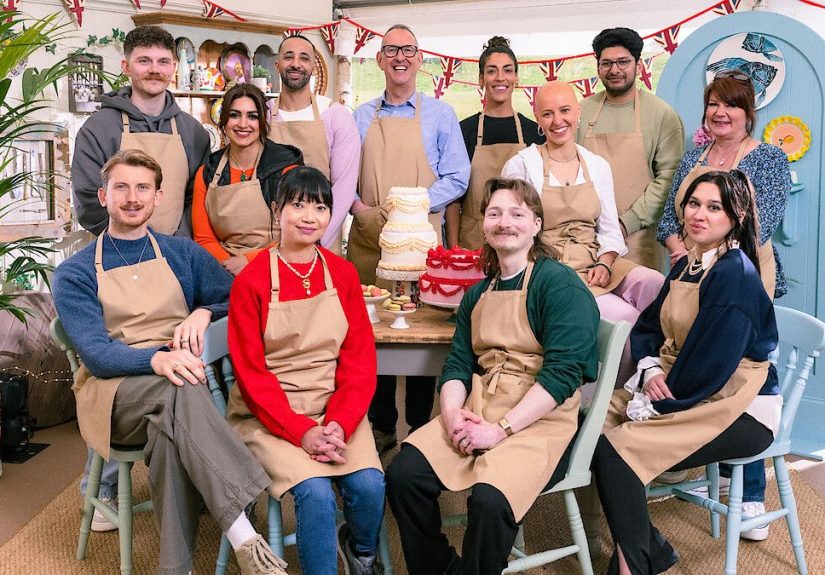
While the 2026 contestant roster has not been revealed, the show’s recent history offers a pretty reliable blueprint for what the next lineup will look like. Expect another group of amateur bakers drawn from a broad mix of ages, careers, regions, and personalities. That variety is one of the franchise’s great strengths. These are not polished culinary robots built in a television lab. They are teachers, office workers, students, parents, creatives, and devoted hobbyists who happen to know their way around genoise, choux, and panic.
The 2025 season kept that tradition alive beautifully, featuring bakers from markedly different backgrounds and age ranges. That kind of casting matters because it gives the show its signature warmth. A new season does not feel like a corporate talent draft. It feels like someone invited the most interesting home bakers in Britain to a very intense garden party.
Expect personality over polish
One reason fans connect so deeply with each new class is that contestants are allowed to feel distinct. Some bakers arrive hyper-organized and technically precise. Others are instinctive, artistic, chaotic, hilarious, or gloriously stubborn. Some build flavor combinations that sound like they came from a Michelin-starred test kitchen. Others win people over with comfort bakes that feel like they belong at a family table. The best seasons give room for all of them.
Expect emotional stakes without mean-spirited editing
Another part of the show’s magic is that it still largely resists the reality-TV urge to turn everyone into heroes, villains, or memes. The pressure is real, but the humanity is still visible. People help each other. They lend equipment. They clap for a rival’s good result. They cry when someone leaves. Frankly, it remains one of television’s most radical concepts: competition without emotional arson.
Expect a high bar after the 2025 finale
The next batch of bakers will also be entering a tent with fresh pressure attached. The 2025 season ended with Jasmine Mitchell taking the title after a finale that reinforced how important consistency is on this show. The new contestants are not just baking for survival week to week. They are stepping into a legacy where viewers now expect both technical skill and a point of view. It is no longer enough to be neat. You need flavor, personality, resilience, and the ability to keep smiling while your pastry misbehaves in public.
The Core Format Should Stay Comfortingly Familiar
One of the smartest things The Great British Baking Show has ever done is refuse to “fix” a format that was never broken. Over the course of 10 episodes, the series traditionally follows amateur bakers through a weekly progression of challenges that test creativity, technical precision, and nerves. It is a structure so dependable at this point that it might as well come laminated.
That means viewers should fully expect the return of the classic three-part episode design:
- Signature Challenge: where bakers put their own spin on a brief and reveal their personal style.
- Technical Challenge: where details are sparse, stress levels spike, and dignity becomes optional.
- Showstopper Challenge: where structure, creativity, and time management enter a very public knife fight.
This format works because it tests different muscles. A baker can excel at flavor but wobble under technical pressure. Another can dominate the technical and then produce a Showstopper that looks like it lost a battle with gravity. That unpredictability is part of the appeal. Viewers are not just watching baking. They are watching composure, adaptability, and the eternal struggle between ambition and the clock.
And yes, the Paul Hollywood handshake will almost certainly remain the unofficial fourth challenge every week. Entire fan conversations now hinge on whether it was deserved, overdue, too easy, too rare, or delivered with suspiciously generous timing. In a lesser show, that would be silly. Here, it is practically constitutional law.
A New Twist Could Give the Season Extra Spark: Audience Choice Week
One of the more intriguing developments around the upcoming season is the show’s official call for fan-submitted challenge ideas for its first Audience Choice Week. That does not guarantee a giant format overhaul, and the production team has made clear that any selected ideas would still be shaped by the judges and the Bake Off team. Still, the concept is clever.
It gives viewers a sense of participation without compromising the series’ identity. This is not the sort of franchise that needs gimmicks every 10 minutes. But an occasional audience-driven theme could make the season feel newly interactive, especially for longtime fans who know the difference between a forgiving brief and one designed to end in pastry tears.
The best-case scenario is that Audience Choice Week brings a playful jolt to the season. It could create challenges that feel more personal, more fan-aware, and slightly less predictable. It might also generate exactly the kind of social chatter modern weekly television needs. Everyone loves a good bake. Everyone also loves judging a challenge from the safety of their couch while eating snacks that required no proofing whatsoever.
The Show Seems Committed to More Traditional Baking Again
There is another reason to think the next season could feel especially satisfying: the franchise has already signaled a stronger emphasis on classic baking themes after moving away from the controversial national-themed weeks that drew criticism in past seasons. That shift has helped steer the show back toward what it does best: celebrating baking technique, creativity, and tradition without wandering into clumsy cultural caricature.
That is a good correction, and an important one. The strongest Bake Off episodes tend to focus on craft. Cakes, biscuits, bread, pastry, patisserie, chocolate, celebration bakesthose are the categories where the show shines because they allow contestants to display skill without the distraction of an awkward theme hanging over the hour like an underbaked cloud.
For fans, this likely means a season that feels more confident in its own identity. Less gimmick, more crumb. Less noise, more nuance. And honestly, that sounds like exactly the right recipe.
When Will New Episodes Hit Netflix?
Here is where cautious optimism comes in handy. A specific U.S. Netflix premiere date for the next regular season has not been announced yet. But recent release patterns offer a useful clue. In 2025, the new season premiered in the U.K. on September 2 and arrived in the U.S. on Netflix on September 5, with episodes then dropping weekly on Fridays through the finale. Previous seasons have followed a similar rhythm, with Netflix treating the show less like a binge dump and more like a weekly event.
That matters because weekly release is part of the viewing pleasure. This is not a series you need to inhale in one overcaffeinated sitting. It benefits from simmer time. One episode a week lets fans argue about eliminations, obsess over disastrous caramel, celebrate Star Baker, and pretend they, too, have strong opinions about proving drawers.
So while viewers should wait for an official date before clearing their calendars, early fall still feels like the most sensible expectation for U.S. audiences. Translation: keep your sweater weather, your cinnamon, and your streaming password ready.
Why This Season Could Feel Bigger Than a Typical Refresh
On paper, this may look like a standard next season: new bakers, new bakes, same tent, same pressure. In practice, it feels more important than that. A judging transition changes tone. A new audience-driven element changes anticipation. A recommitment to classic baking changes confidence. Put all of that together, and the upcoming season has a real chance to feel both familiar and newly alive.
That is the sweet spot for a long-running series. Fans do not want their comfort show turned upside down just for headlines. They want enough freshness to justify coming back and enough continuity to still recognize the thing they love. Bake Off seems to understand that balance better than most franchises. It knows viewers want emotion, but not cruelty. Stakes, but not cynicism. Excellence, but not ego. Butter, obviously. Lots of butter.
And that is why expectations are so high. The next season is not just another return. It is a quiet test of how gracefully a beloved show can evolve while keeping its soul intact.
The Viewing Experience: Why a New Season of The Great British Baking Show Still Feels Like Therapy in Apron Form
There is a reason this show lands differently when it comes back in the fall. A new season of The Great British Baking Show does not just arrive as entertainment; it arrives as a mood. It slides into the calendar right when people are ready for slower evenings, warmer desserts, and television that does not scream at them. While so much modern viewing is built around shock, speed, and cliffhangers aggressive enough to raise your blood pressure, Bake Off still operates like a deep breath in a very stressed-out room.
Part of the experience is sensory. The tent glows. The counters are spotless for roughly six minutes. The fruit gleams like it has its own lighting department. Somebody starts whisking. Somebody else immediately realizes they forgot a component that has been essential to the plan for days. You laugh, but gently. Then the camera cuts to a pie, a tart, or a cake that looks so perfect it briefly convinces you that this could be the season you finally learn to make custard from scratch. It is a beautiful lie. The show tells it every year. We fall for it every year.
But the deeper experience is emotional. Watching a new season weekly gives viewers time to settle into the personalities. You start with names and aprons, then suddenly you are deeply invested in whether the quiet engineer can nail bread week or whether the funniest contestant in the tent is secretly headed for the final. The series is unusually good at turning ordinary people into people you root for without making them feel manufactured. That gives the whole season a friendliness that most competition shows would struggle to fake even with a team of consultants and six emergency reaction shots.
There is also something very satisfying about the rhythm. You watch an episode, you pick favorites, you debate the judging, and then you wait. The waiting is part of the pleasure. It leaves room for speculation, group chats, social media reactions, and the extremely bold statements people make after viewing one pastry challenge from the couch. Weekly TV used to be normal; now it feels almost luxurious. Bake Off benefits from that old-school cadence because each elimination lands a little more, each success lingers longer, and each near-disaster gets to become its own tiny legend.
And perhaps most importantly, the show still makes competence look comforting. Even when things collapse, there is craft everywherepiped details, glossy glazes, careful crumb, practiced hands, recipes tested and retested at home. In a cultural moment that often rewards noise over skill, there is something oddly moving about watching people try very hard to make something beautiful and edible in a tent. It reminds viewers that effort matters, detail matters, and a good sponge can still feel like a triumph.
So yes, a new season means new contestants, new challenges, and a new judge. But it also means the return of a very specific feeling: the pleasure of watching talented amateurs do their best in a world that, for one hour a week, still believes kindness and cake can coexist. Frankly, that may be the most irresistible thing Bake Off serves.
Final Thoughts
The Great British Baking Show does not need to reinvent itself to remain one of the most lovable reality series on television. It just needs to keep doing what it does well: cast interesting home bakers, set them loose on increasingly nerve-rattling challenges, and let warmth matter as much as winning. The upcoming season appears ready to do exactly that, only with a new judge, a possible fan-fueled twist, and a renewed emphasis on the classic baking categories that made the franchise such a hit in the first place.
So what should fans expect this fall? Expect a fresh tent dynamic. Expect another eclectic lineup of amateur bakers. Expect weekly episodes that turn pastry anxiety into appointment viewing. Expect at least one bake that looks impossible, one elimination that stings, one handshake that sparks debate, and one contestant you suddenly want to protect with your whole heart.
Most of all, expect the same core pleasure that has kept viewers coming back for years: a show that understands competition can be compelling without becoming cruel. In television terms, that remains a showstopper.