Table of Contents >> Show >> Hide
- Why Proper Firewood Storage Matters
- The Best Way to Store Firewood: The Gold-Standard Method
- How Long Should Firewood Be Stored Before Burning?
- Should Firewood Be Stored Indoors or Outdoors?
- The Best Firewood Storage Setups
- Common Firewood Storage Mistakes to Avoid
- Seasonal Tips for Storing Firewood
- How to Store Firewood Without Attracting Pests
- Experience and Real-World Lessons From Storing Firewood
- Conclusion
If you have ever tried to light a fire with damp logs, you already know that wet firewood has the personality of a moody cat: uncooperative, smoky, and determined to ruin the evening. Proper firewood storage is not just about making your backyard look tidy. It is the difference between clean-burning, easy-to-light logs and a soggy pile that smokes up your fireplace, attracts bugs, and makes you question all your life choices.
The best way to store firewood is simple: keep it outdoors, off the ground, in a sunny and breezy location, stacked loosely for airflow, and covered only on the top. That is the short answer. The longer answer is where things get interesting, because good firewood storage is part science, part common sense, and part not giving termites a free vacation rental near your house.
In this guide, we will break down exactly how to store firewood the right way, why airflow matters so much, where to place a woodpile, how long wood needs to season, and the biggest mistakes homeowners make. We will also wrap up with practical, real-world experience and lessons learned, because firewood storage always sounds easy until the tarp blows away and your “perfect stack” starts leaning like it is auditioning for a disaster movie.
Why Proper Firewood Storage Matters
Storing firewood correctly does three big things. First, it helps the wood dry out, or “season,” so it burns hotter and cleaner. Second, it helps prevent mold, rot, and excess moisture. Third, it reduces the chances of pests, including ants, beetles, and the occasional creepy-crawly that nobody invited indoors.
Freshly cut wood contains a lot of water. If that moisture stays trapped inside the log, the fire must waste energy boiling off water before it can produce useful heat. That means more smoke, more soot, less heat, and a fireplace experience that feels more like a campfire built by a raccoon. Proper storage helps wood dry to a burn-ready moisture level and stay that way.
It also protects your investment. Whether you cut your own wood or buy it by the cord, firewood is not something you want to lose to ground moisture, fungal decay, or poor stacking. A few smart storage habits can make the same wood burn better, last longer, and cause fewer headaches during cold weather.
The Best Way to Store Firewood: The Gold-Standard Method
If you want the best results, follow this method from the start:
1. Split the Wood Before You Store It
Split firewood dries faster than unsplit rounds. Smaller pieces expose more surface area to sun and moving air, which helps moisture leave the wood more efficiently. If you store whole logs and expect them to season quickly, you are basically asking a potato to become a French fry without ever slicing it first.
2. Keep Firewood Off the Ground
Never stack firewood directly on soil, grass, or damp ground. Ground contact invites moisture, rot, mold, and insects. Instead, raise the stack on pallets, pressure-treated runners, concrete blocks, metal rails, or a firewood rack. Even a few inches of clearance underneath the stack makes a real difference because air can move below the pile and ground moisture cannot wick into the bottom row as easily.
3. Pick a Sunny, Breezy Spot
The ideal firewood storage location is open, sunny, and exposed to wind. Sun helps warm the wood. Wind helps carry moisture away. Shade, tight corners, and damp spots slow seasoning. That means the side of a shed with good airflow is usually smarter than a dark area behind shrubs where the wood sits around like it is waiting for a spa treatment.
4. Stack It Loosely for Airflow
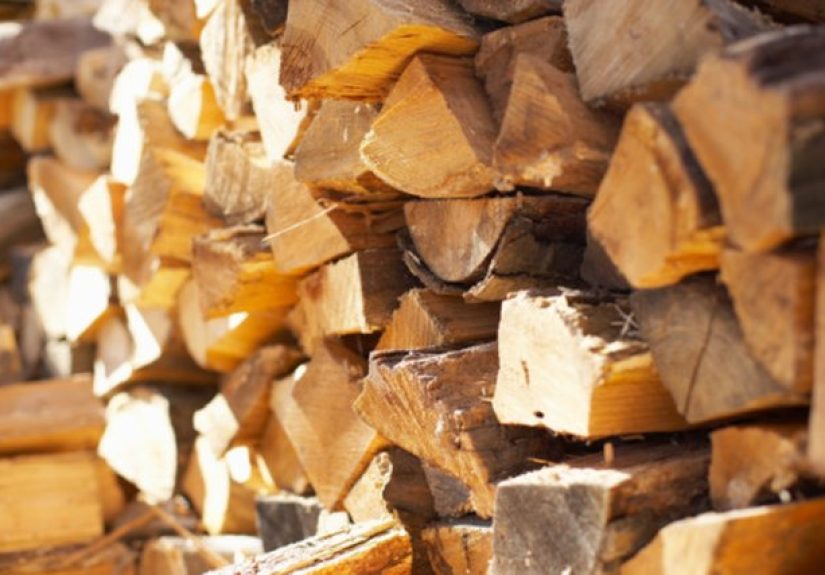
Air circulation is the secret sauce of firewood storage. Stack logs in rows with small gaps rather than packing them into a dense, airless brick wall. A single row often dries faster than a deep pile because more wood surfaces are exposed to moving air. Cross-stacked ends can help keep the pile stable while still allowing ventilation.
5. Cover Only the Top
This is the part many people get wrong. Firewood should be protected from rain and snow, but the sides of the stack should stay open. A roof, lean-to, firewood shed, or top cover works well. A tarp wrapped tightly around the entire pile does not. That traps moisture and turns the stack into a humid little greenhouse for mildew. Cover the top, leave the sides open, and let the wood breathe.
6. Keep It Away From the House
Do not stack firewood directly against your home, garage, or shed. It can attract insects, reduce airflow, and create moisture problems. In wildfire-prone areas, extra distance matters even more. In general, a separate, well-ventilated wood storage area is the safer and smarter choice.
How Long Should Firewood Be Stored Before Burning?
That depends on the species, the climate, and how well the wood is stored. Softwoods may season faster, while dense hardwoods can take much longer. In many cases, firewood needs at least six months of drying time, and some hardwoods can take a year or even longer. Oak, for example, is famous for being worth the wait but taking its sweet time.
A good rule is to buy or cut wood well ahead of the heating season. Do not wait until the first cold snap and expect green wood to suddenly become well-mannered. Firewood storage rewards people who plan ahead. That is annoying advice, yes, but also true.
The best way to check readiness is with a moisture meter. Firewood should generally be below 20% moisture content before burning. You can also look for clues: lighter weight, cracks at the ends, grayer color, and a more hollow sound when two pieces knock together. Still, a moisture meter is more reliable than playing detective with a log.
Should Firewood Be Stored Indoors or Outdoors?
Outdoors is best for the main supply. Firewood should be seasoned and stored outside where sunlight and airflow can do their work. Keeping a full season’s worth of wood indoors is usually a bad idea because it creates opportunities for insects to emerge inside the house and can make a mess.
That does not mean you can never bring wood inside. It just means you should bring in only a small amount at a time, usually enough for a day or two. A decorative indoor log holder is fine for short-term use. A mountain of logs by the fireplace for weeks on end is less charming once beetles decide to make a dramatic entrance during movie night.
The Best Firewood Storage Setups
Open Firewood Rack
A metal or wooden rack with an open design is one of the easiest and best firewood storage options. It lifts wood off the ground, keeps the pile neat, and allows airflow from multiple sides. Add a top cover or position it under an overhang, and you have a very effective setup.
Woodshed or Lean-To
A simple woodshed with a roof and open sides is ideal. It protects the pile from rain and snow while still allowing ventilation. The best woodsheds are practical rather than fancy. Think “functional workhorse,” not “tiny house for logs.”
Pallet-Based Stack
If you want an inexpensive DIY solution, use pallets as a raised base. Stack the wood neatly on top and secure the ends if needed. This works especially well for homeowners who store multiple rows and want to keep wood dry without spending a fortune on specialty storage.
Common Firewood Storage Mistakes to Avoid
Wrapping the Entire Stack in a Tarp
This is probably the most common mistake. It feels protective, but it often traps moisture and slows drying. A top cover is useful. A full plastic cocoon is not.
Stacking Directly on the Ground
Ground contact encourages moisture absorption, decay, and pest problems. Even the best firewood will struggle if the bottom row lives in permanent contact with damp earth.
Building the Pile in Deep Shade
Firewood seasons better in sun and wind. Deep shade keeps the stack cooler and damper for longer, which is exactly what you do not want.
Placing the Stack Against the House
Convenient? Sure. Smart? Usually not. Woodpiles near the home can invite pests and create safety concerns. Keep the main pile separate.
Bringing in Too Much Wood at Once
Indoor storage should be temporary. A small supply is practical. A giant indoor reserve is a bug-themed gamble.
Ignoring Stock Rotation
Use older, drier wood first. Add newer wood to a separate section or behind the seasoned supply. Otherwise, you end up burning the newest logs while the older ones sit there wondering why they got ready for nothing.
Seasonal Tips for Storing Firewood
Spring and Summer
This is prime seasoning time. Split the wood, stack it in the sun, and maximize airflow. If the weather is dry, the top may not even need much cover at first, depending on your setup.
Fall
As rain and cooler weather roll in, make sure the top of the stack is protected. Check for leaning piles, replace damaged covers, and move your driest wood to the most accessible area.
Winter
By winter, your main goal is keeping seasoned wood reasonably dry and easy to access. Snow on the top can be managed with a roof or top cover, but you still want side ventilation. Avoid sealing everything up so tightly that moisture becomes trapped.
How to Store Firewood Without Attracting Pests
No firewood stack will ever be a zero-bug zone, because wood outdoors is still wood outdoors. But you can reduce the issue. Keep the pile off the ground, away from the house, and in a dry, sunny location. Trim weeds or vegetation around the stack so insects and rodents have fewer hiding spots. Source your firewood locally whenever possible, because moving wood long distances can spread invasive pests and plant diseases.
Also, do not spray firewood with pesticides and then burn it. That is not a clever shortcut. It is a bad idea. If bugs show up, the better move is proper storage, shorter indoor holding time, and a little realism. A few nuisance insects are annoying, but they are far less annoying than filling your house with chemical fumes.
Experience and Real-World Lessons From Storing Firewood
In real life, the best firewood storage method is often the one you will actually keep up with. Plenty of homeowners start with grand plans: a perfectly aligned stack, a custom woodshed, maybe a Pinterest-worthy backdrop where every log looks hand-selected by a lumber stylist. Then weather happens. Work gets busy. The tarp disappears in a windstorm. The bottom row starts sinking into the mud. Suddenly the dream woodpile looks like it lost a fight with gravity.
One of the most useful lessons people learn is that convenience matters, but not more than airflow. It is tempting to stack wood right next to the back door so winter trips outside are short and dramatic only in a literary sense. But a slightly longer walk to a better storage area usually pays off with drier wood, fewer bugs, and less worry about moisture near the house. In practice, many people find the sweet spot is a main outdoor stack set safely away from the home, plus a small covered rack closer to the door for short-term use.
Another common experience is learning that “covered” and “sealed up” are not the same thing. A lot of people discover this after wrapping a pile tightly in a tarp and then opening it weeks later to find damp, funky-smelling logs that somehow seem wetter than before. That moment teaches the airflow lesson faster than any how-to guide can. Firewood does not want to be waterproofed like patio furniture. It wants a hat, not a winter coat. Protect the top and let the sides breathe.
There is also the humbling experience of stacking. Everyone thinks stacking wood is easy until the pile starts leaning. Stable firewood stacks are built, not wished into existence. Neater rows, solid end supports, and reasonable height make a huge difference. The prettiest stacks are usually the ones that are boringly stable. That is a compliment. Nobody wants a glamorous pile of firewood if it collapses when you pull one log from the middle like a dangerous game of backyard Jenga.
People who burn wood year after year also learn the value of planning ahead. The first season is often full of impatience. The second season is smarter. By the third season, experienced wood burners often aim to stay a year ahead, because nothing beats having dry wood ready before the weather turns cold. Once you have burned properly seasoned wood, it is hard to go back. The fire starts more easily, throws more heat, and produces less smoke. It is one of those upgrades that sounds small but feels big.
And then there is the indoor lesson. Almost everyone brings in too much wood at least once. It looks cozy for about twelve hours. Then bark starts flaking off, the floor gets messy, and one surprise insect decides to make a public appearance at exactly the wrong moment. After that, the “small indoor supply” rule starts to sound less like advice and more like wisdom handed down from the heavens.
So yes, the best way to store firewood is built on simple rules. But what really makes it work is repetition, observation, and adjusting your setup to your climate and routine. A good woodpile is not just stacked. It is managed. And once you get it right, winter fires become easier, cleaner, and a whole lot more satisfying.
Conclusion
The best way to store firewood is not complicated, but it does require discipline. Split the wood, stack it off the ground, place it where sun and wind can reach it, protect only the top from rain and snow, and keep the main pile outdoors and away from the house. That combination helps wood season properly, stay drier, burn more efficiently, and attract fewer pests.
If you remember only one thing, make it this: firewood needs airflow more than it needs a plastic wrapping job. Give it space, time, and a little weather protection, and it will reward you with hotter fires, less smoke, and fewer ugly surprises. In other words, store your firewood like you want it to behave later. Because when winter arrives, nobody wants a log with trust issues.