Table of Contents >> Show >> Hide
Fall has a talent for being dramatic. It starts the morning at “grab a warm layer or regret everything,” shifts by lunch to “why am I sweating in a jacket,” and ends the evening with “actually, I do need that layer again.” That is exactly why a good vest earns its place in a smart cold-weather wardrobe. It keeps your core warm, leaves your arms free, and gives you the flexibility to adapt when the temperature does its daily little mood swing.
The best vests for fall are not just sleeveless jackets. They are problem-solvers. A fleece vest can make a simple tee-and-jeans outfit feel seasonally appropriate. A lightweight synthetic vest can handle drizzly commutes and apple-orchard-level enthusiasm. A down vest can bring serious warmth without making you feel like a walking sleeping bag. The trick is choosing the right type, fit, and fabric for the way you actually live, not the way a catalog imagines you spend every weekend climbing misty cliffs at sunrise.
In this guide, we will break down how to choose the best fall vest, the main types worth considering, who each style works best for, and how to wear one without looking like you wandered out of a corporate golf scramble by accident. By the end, you should know exactly how to stay warm without overheating, which is really the whole fall fashion dream.
Why a Vest Is the MVP of Fall Layering
A vest works so well in fall because it fits the season’s biggest challenge: changing conditions. Your core loses heat faster than you might think, so keeping your chest and back insulated can make a huge difference in comfort. At the same time, leaving your arms free improves airflow, mobility, and temperature control. That balance is what makes a vest so useful when the forecast cannot commit.
Compared with a full jacket, a vest is easier to layer over flannels, hoodies, henleys, sweaters, and lightweight pullovers. It is also easier to take off and stash in a tote, backpack, or car when the afternoon warms up. In practical terms, a good fall vest lets you avoid two classic seasonal mistakes: shivering because you wore too little, and sweating because you got too ambitious with insulation.
Style-wise, vests also pull off something rare: they can look sporty, rugged, polished, or casual depending on the material. A quilted vest reads a little refined. A fleece vest is cozy and low-key. A puffer vest says, “I am prepared for weather, but I still want coffee.” A waxed work vest looks like you definitely know how to stack firewood, even if your real skill is ordering takeout with confidence.
How to Choose the Best Vest for Fall
1. Start With the Insulation Type
The first question is simple: what kind of warmth do you need? Not all vests heat the body the same way, and choosing the right insulation matters more than the color or brand name.
Fleece vests are breathable, soft, and ideal for mild-to-cool weather. They are great if you run warm, spend time indoors and outdoors, or want something that can layer easily without adding much bulk. Fleece is also a strong choice when breathability matters more than max warmth.
Down vests offer impressive warmth for their weight. They are typically lighter and more compressible than heavier alternatives, which makes them a favorite for travelers and people who like packable layers. The tradeoff is that down performs best in dry conditions and may not be the smartest pick for damp, drizzly fall days unless the vest has helpful weather-resistant features.
Synthetic insulated vests are the practical all-rounders. They are often better than down in wet or variable conditions and are a great fit for active days, commuting, and casual everyday wear. If your fall forecast includes mist, drizzle, surprise wind, and a coffee run that becomes a two-mile walk, synthetic insulation is a very smart bet.
Wool or sweater-knit vests sit on the style-forward side of the spectrum. They can look dressier than fleece or puffer styles and work nicely for office layering, dinner plans, or polished casual outfits. They are not always the best technical option, but they can absolutely be the best lifestyle option.
2. Think About Breathability, Not Just Warmth
This is where many people go wrong. They shop for the warmest vest available, then wonder why they feel overheated after ten minutes of walking, climbing stairs, or existing near a heated building. Fall dressing is about temperature management, not maximum insulation at all times.
If you tend to run hot, look for lighter fills, breathable fleece, or technical fabrics designed for active use. If you only need a vest for short outdoor errands and cold mornings, you can get away with a puffier option. The goal is to match the vest to your activity level. A vest that feels perfect on a leaf-peeping stroll may feel ridiculous on a crowded subway platform.
3. Pay Attention to Weather Resistance
Fall weather can be charming in photos and mildly rude in real life. A little wind resistance goes a long way, especially if you wear your vest as an outer layer. Some options also include durable water-repellent finishes, which can help in light drizzle or damp air. That does not turn a vest into rain gear, but it does make it more useful on real-world fall days.
If your area gets frequent wet weather, prioritize synthetic insulation, quick-drying fabrics, and a shell material that can handle light moisture. If your fall is mostly crisp and dry, you have more freedom to lean into down, wool, or lighter quilted styles.
4. Get the Fit Right
A vest should feel close enough to trap warmth but roomy enough to layer over a shirt or light sweater. If it is too tight, it will bunch, ride up, and make you feel like a stuffed burrito. If it is too loose, it can leak warmth and look sloppy. Armholes matter too. Too narrow, and movement feels restricted. Too wide, and cold air sneaks in every time you lift your arms.
For layering, think in realistic combinations. Will you wear it over a T-shirt, a flannel, or a hoodie? Are you planning to slide it under a shell jacket? Try to buy for your real wardrobe, not an imaginary lifestyle version of yourself who apparently spends October fly-fishing and chopping wood before breakfast.
The Best Vests for Fall by Type
Lightweight Fleece Vest
This is the easiest everyday pick for mild fall weather. A fleece vest adds warmth without trapping too much heat, and it works beautifully over long-sleeve tees, henleys, chambray shirts, and casual button-downs. It is especially useful if your typical day includes going from cool outdoor air to heated indoor spaces. Fleece also tends to feel less technical and more naturally casual, so it fits right into weekend wear.
Best for: mild climates, indoor-outdoor days, layering over basics, people who hate feeling bulky.
Synthetic Puffer Vest
If you want one vest that can handle a wide range of fall conditions, this is probably it. A synthetic puffer vest offers core warmth, decent weather tolerance, and everyday versatility. It works over a sweatshirt for errands, over a sweater for casual office days, and under a rain shell when the weather turns grumpy. This is the “I need one good vest and I do not want to overthink it” option.
Best for: commuting, travel, drizzly weather, active days, all-around use.
Down Vest
A down vest is a favorite for dry, cool-to-cold fall weather when you want more warmth without the full commitment of a puffer jacket. It tends to be lighter and more compressible than bulkier layers, so it is easy to pack and easy to keep in the car “just in case.” It also layers especially well under overcoats and roomier jackets. If your fall is crisp, dry, and breezy rather than damp and rainy, a down vest can be a near-perfect solution.
Best for: dry climates, travel, low-bulk layering, chilly mornings and evenings.
Quilted Vest
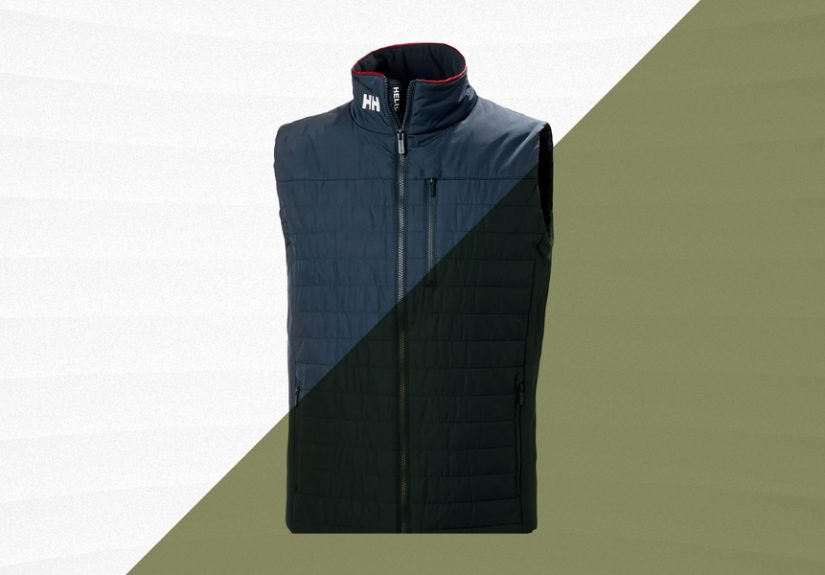
Quilted vests hit a sweet spot between style and practicality. They often look cleaner and more polished than athletic puffers, which makes them popular for smart-casual outfits. Wear one over an oxford shirt, merino crewneck, or lightweight turtleneck and you suddenly look like a person who remembers dinner reservations on time. They are usually better for town than trail, but that is perfectly fine. Not every vest needs to summit something.
Best for: office casual, dinner plans, polished weekend outfits, layering with knitwear.
Workwear Vest
These are the rugged styles made from canvas, waxed cotton, or durable utility fabrics, sometimes with insulation and sometimes without. A workwear vest usually brings pockets, toughness, and a bit of heritage style to the table. It is ideal for yard work, outdoor projects, casual weekends, and anyone who likes a little grit in their wardrobe. Some are quite warm, while others act more like an outer shell that needs layers underneath.
Best for: chores, outdoor work, casual rugged style, fans of utility clothing.
Soft-Shell or Hybrid Vest
For walkers, hikers, runners, and generally fidgety humans who generate heat fast, a hybrid vest can be brilliant. These often combine insulated front panels with stretchier, more breathable side or back panels. The result is better airflow and mobility than a standard puffer. This kind of vest is made for movement, and it shines when you want warmth without that trapped-in-a-toaster feeling.
Best for: hiking, brisk walks, travel days, active layering, high-output wear.
Sweater or Knit Vest
Yes, the sweater vest still deserves a seat at the table. It is not the same category as technical outerwear, but it is a terrific fall layering piece if your world is more coffee shops and offices than trailheads and cabins. Worn over a crisp shirt or under a blazer, it provides a little warmth and a lot of texture. It is also a sneaky way to participate in fall fashion without turning into a full pumpkin-spice costume.
Best for: business casual, preppy style, light warmth, polished layering.
How to Wear a Vest Without Overheating
The easiest rule is this: if the vest is warm, the layer underneath should breathe. A puffier vest works best over a simple cotton-blend tee, a performance long-sleeve, or a lighter sweater. A fleece vest can handle a heavier flannel underneath because the vest itself breathes more. The more insulated the vest, the more careful you need to be about what you put under it.
Another smart trick is to think in terms of removal points. Can you unzip it quickly? Can you stash it easily? Can you wear it open without the outfit looking strange? A fall vest earns its keep when it makes adaptation easy. That is why full-zip designs are so popular. They let you vent heat quickly instead of committing to all-or-nothing warmth.
Color also matters more than people think. If you want the most versatility, go with navy, black, olive, gray, tan, or a deep brown. These shades pair well with denim, chinos, joggers, and seasonal knits. If you already own a lot of neutrals, a rust, mustard, forest green, or burgundy vest can add some fall personality without going full scarecrow chic.
What to Avoid When Buying a Fall Vest
First, avoid buying a vest that is too warm for your actual climate. Not everyone needs expedition-level insulation to walk the dog in October. Second, avoid overly shiny, stiff fabrics if you want something versatile enough for everyday style. Third, skip a vest that only works with one outfit type. The best fall vest should play nicely with most of your wardrobe.
It is also wise to avoid focusing only on trendiness. Trendy vests can be fun, but a great vest should still work next year, and ideally several years after that. Fall dressing already asks a lot from us. Your vest should not become emotionally complicated after one season.
The Best Fall Vest for You, in Plain English
If you want easy everyday wear, get a lightweight fleece vest. If your weather is mixed and unpredictable, go with a synthetic insulated vest. If your fall is dry and cool and you value packability, choose a down vest. If you want something polished, pick a quilted or sweater-style vest. If your weekends involve movement, choose a hybrid or soft-shell vest. And if you just want something tough and practical, a workwear vest is your friend.
In other words, the best vest for fall is not one magical universal product. It is the one that matches your temperature, your activity level, and the way you actually dress. The sweet spot is warmth at the core, freedom in the arms, and enough breathability that you do not feel like you are slow-cooking under nylon by noon.
Fall Vest Experiences: What People Actually Learn After Wearing Them
One of the most common real-life discoveries with fall vests is that people wear them far more often than expected. A jacket feels like a commitment. A vest feels like an option. That difference matters when the day starts cold, warms up fast, and cools off again before dinner. Many people buy a vest thinking it will be a backup layer, then end up reaching for it several times a week because it solves more wardrobe problems than bulkier outerwear.
Commuters often realize a vest is perfect for that awkward stretch between front door and office door. It is warm enough for a brisk walk to the train or parking lot, but not so warm that the elevator ride turns into a regrettable sauna. Office workers also like that a vest can come off quickly and drape over a chair without taking up half the room. Unlike a heavy coat, it does not feel like a major production.
Parents, dog walkers, and errand-runners tend to appreciate vests for a different reason: range of motion. You can buckle a car seat, carry groceries, hold a leash, or wrestle a pumpkin into the trunk without feeling restricted at the shoulders. That sounds minor until you spend a busy Saturday doing six small tasks in a row and realize your vest never once got in your way.
Travelers also become loyal to vests because they are easy to pack and easy to use across multiple settings. A synthetic or down vest can handle chilly flights, windy mornings, casual sightseeing, and cool evening dinners with very little drama. It is the kind of item that earns suitcase space because it does not insist on being the star. It just quietly does the work.
Then there are the people who thought vests were “not really their thing” until they found the right one. Usually, the turning point is fit. A vest that is too puffy can feel costume-like. A vest that is too trim can feel weirdly formal. But once someone finds a version that sits cleanly over a long-sleeve shirt or sweater, the piece suddenly makes sense. It becomes less about trend and more about comfort, ease, and repeat wear.
Another common lesson is that fabric changes everything. Someone who hates the swishy feel of a puffer may love a sweater-fleece vest. Someone who finds fleece too casual may live in a quilted vest all season. Someone who overheats in heavy insulation may discover that a breathable hybrid vest is the answer they did not know existed. Fall dressing gets better fast when people stop chasing the “warmest” option and start choosing the most balanced one.
And finally, there is the style surprise. A good vest often makes outfits feel more finished. Jeans and a tee become a real look. A button-down and chinos become more seasonal. A sweatshirt and joggers suddenly seem intentional instead of accidental. That is the quiet genius of a vest in fall: it adds warmth, flexibility, and a little visual structure all at once. No fireworks, no fuss, just a smarter layer that keeps up with real life.