Table of Contents >> Show >> Hide
- Why Removing Stains Without Washing Actually Works
- The Pro Rules for No-Wash Stain Removal
- Your No-Wash Stain Rescue Kit
- The Best Step-by-Step Method for Most Fresh Stains
- How to Remove Common Stains Without Washing
- Mistakes That Make Stains Worse
- When You Should Stop and Call a Pro
- How to Prevent Future Stain Emergencies
- Real-Life Stain Experiences That Prove This Works
- Final Takeaway
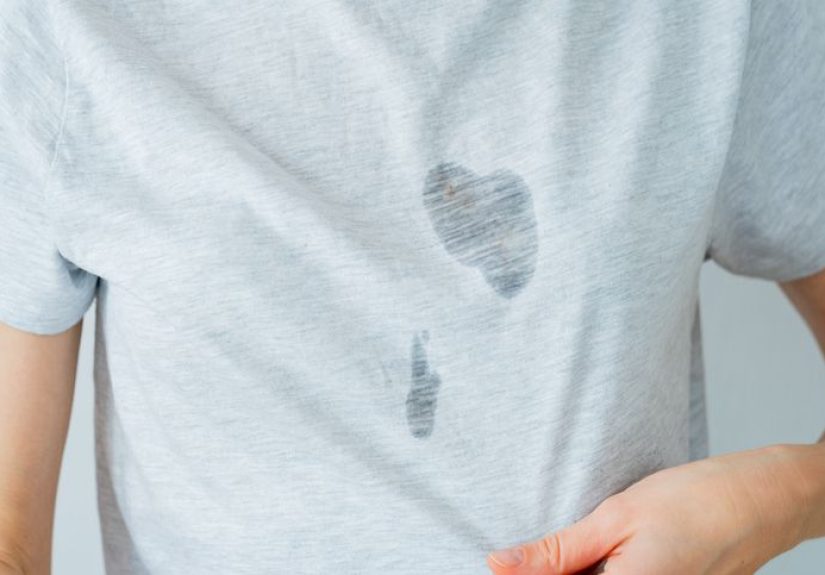
Some stains arrive with dramatic timing. A splash of coffee on your shirt five minutes before a meeting. A forkful of pasta that misses your mouth and lands directly on your favorite top. A mysterious grease mark that appears on your pants like it pays rent there. The good news? Not every stain emergency requires a full wash cycle, a laundry room, or a complete emotional breakdown.
If you know how to remove stains without washing, you can save a garment long enough to finish your day, make the stain less visible, or sometimes get rid of it almost completely on the spot. That is where spot cleaning clothes like a pro comes in. The trick is not magic. It is method. And yes, method is less glamorous than magic, but it is much better for silk blouses and white shirts.
Laundry pros tend to agree on a few basics: act quickly, blot instead of rub, use the gentlest effective treatment, and always respect the fabric. In other words, do not attack a fresh stain like you are scrubbing a frying pan. Your shirt did nothing wrong.
This guide breaks down the smartest ways to handle no-wash stain removal, what tools to keep nearby, which fixes work best for common stain types, and when to stop playing hero and hand the garment to a dry cleaner.
Why Removing Stains Without Washing Actually Works
Fresh stains are easier to treat because they have not fully bonded with the fabric fibers yet. When you move fast, you can often lift away a lot of the mess before it settles in. That is why emergency stain treatment is less about “deep cleaning” and more about damage control. You are trying to absorb, dilute, loosen, and lift.
Think of it this way: if a stain is a party crasher, your first job is not to redecorate the whole house. It is to get the uninvited guest to the door before they become impossible to remove.
Spot treatment is especially useful when you are at work, traveling, out to dinner, in a waiting room, on a plane, or dealing with a “dry clean only” item that cannot just be tossed in the washer. It is also handy when the stain is tiny and the rest of the garment is perfectly clean. Washing an entire sweater for one dot of sauce can feel a little dramatic, and not in the fun reality-TV way.
The Pro Rules for No-Wash Stain Removal
1. Move fast
The sooner you treat a stain, the better your odds. Fresh coffee, wine, ketchup, and grease are all easier to handle before they dry. If you cannot fully remove the stain right away, even a quick first-aid treatment can prevent it from becoming permanent.
2. Blot, do not rub
This is the golden rule. Rubbing can spread the stain, grind it deeper into the fibers, and rough up the fabric surface. Instead, press gently with a clean white cloth, paper towel, or napkin. Keep moving to a clean area so you are not redepositing the stain back onto the fabric.
3. Lift solids before adding liquid
If the stain involves anything chunky, creamy, or sticky, lift off the excess first with a spoon, dull knife, credit card edge, or even a sturdy napkin. Do not smear it around like you are frosting a cake. Remove the top layer, then treat what remains.
4. Work from the outside in
When applying any stain remover, dab from the outer edge toward the center. That helps keep the mark from spreading into a bigger halo. Bigger is rarely better when it comes to stains.
5. Use cold water first
Cold water is generally the safest first move, especially for fresh stains and anything protein-based, like dairy, blood, or sweat. Hot water can set certain stains and make them harder to lift. Warm air from a hand dryer is fine for drying a damp spot after treatment, but do not reach for heat before the stain is under control.
6. Test before you treat
Before using soap, stain solution, rubbing alcohol, or any stronger spot cleaner, test it on an inside seam or another hidden area. Colorfast fabrics are your friend. Surprise fading is not.
7. Read the care label
If the label says dry clean only, slow down. You may be able to blot away moisture and reduce the visibility of the stain, but aggressive at-home treatment can make things worse. On delicate fabrics like silk, wool, suede, velvet, or structured garments, less is often more.
8. Do not let products dry on the fabric
If you use a detergent, stain pen, or treatment solution, do not leave it sitting forever. Blot, rinse or dilute if needed, and air-dry. Dried residue can leave its own mark, which is a very rude plot twist.
Your No-Wash Stain Rescue Kit
If you are serious about how to get stains out of clothes without washing, build a tiny emergency kit. It does not need to look like a chemistry lab. Keep it simple:
- White paper towels, napkins, or a white microfiber cloth
- A stain-removal pen or wipe
- A few cotton swabs
- A travel-size bottle of gentle dish soap
- A mini spray bottle with plain water
- A small packet of cornstarch or baking soda for oily stains
- A zip bag for used wipes or stained cloths
That tiny kit can solve a surprising number of clothing disasters. It also makes you look mysteriously competent, which is a nice bonus.
The Best Step-by-Step Method for Most Fresh Stains
- Lift away solids with a spoon or dull edge if needed.
- Blot the stain with a dry white cloth or napkin to absorb as much as possible.
- Place a clean layer underneath the stained area so liquid does not transfer to the other side of the garment.
- Dab with cold water, club soda, or a stain wipe to dilute what remains.
- Apply the right quick treatment based on the stain type.
- Blot again until the stain lightens.
- Air-dry and check the spot in good light.
That is the foundation. Now let’s talk stain-specific strategy, because red wine and mascara do not respond to the same pep talk.
How to Remove Common Stains Without Washing
Coffee and Tea Stains
Coffee looks harmless until it lands on a white shirt and suddenly becomes the villain of your day. For fresh spills, blot immediately. Then dab with cold water or club soda. If the mark remains, use a tiny drop of hand soap or dish soap on a damp cloth and blot gently. Do not soak the fabric. Too much liquid can leave a ring.
If you are out in public, this is where a wet wipe or stain pen shines. Blot, dab, and repeat. Most coffee stains lighten dramatically with fast treatment.
Red Wine
Red wine stains are dramatic, but they are not unbeatable. First, blot with a dry white napkin. Then dilute the spot with cold water or club soda and blot again. Keep fresh towels under and over the fabric as you work. If you have a disposable wipe, use it gently after the initial blotting.
Do not scrub the stain like you are trying to erase your own choices. Wine spreads fast. Slow, patient blotting is the better move.
Grease, Butter, and Salad Dressing
Oil-based stains are trickier because water alone is not enough. First, blot with a dry paper towel. Then sprinkle cornstarch or baking soda over the spot to absorb the oil. Let it sit for 15 to 30 minutes if you can. Brush or shake it off gently.
Next, apply a tiny amount of diluted dish soap and dab from the back or underside of the fabric when possible. This can help push grease out instead of deeper in. Blot with cool water and let the area air-dry. Grease may not disappear completely on the first try, but this method often makes it much less visible until you can wash it properly later.
Tomato Sauce, Ketchup, and Chocolate
These stains often have a fun little mix of color, sugar, fat, and regret. Lift off the excess first. Blot with a dry cloth, then use cold water to dilute the remaining stain. A dab of gentle soap on a damp towel can help break down the residue. Avoid hot water, which can encourage some stains to set.
For chocolate, get rid of the solid part before adding moisture. Otherwise, you are basically making chocolate soup on your shirt, and nobody needs that.
Makeup Stains
Foundation, lipstick, and mascara all require a softer touch than people usually give them. Blot away any excess product. For oily foundation or lipstick, try a tiny bit of dish soap on a cotton swab or cloth. For pigment-heavy marks, a stain wipe or makeup remover wipe can help in a pinch, but test first on delicate or dark fabrics.
Use a light hand. The goal is to lift the makeup, not smear it into a wider abstract painting.
Ink Stains
Ink is one of the most annoying stains because it loves commitment. If the stain is fresh, place a paper towel behind the fabric so the ink has somewhere to transfer. Then dab carefully with rubbing alcohol using a cotton swab or small cloth. Blot, switch to a clean section, and repeat. Do not flood the fabric. And definitely do not use this method on delicate fabrics without testing first.
For a tiny pen mark on a sturdier fabric, this method can be a lifesaver. For a giant permanent-marker event on silk, it may be time to call in a professional and maybe rethink where you store your pens.
Sweat and Deodorant Marks
Fresh underarm residue can sometimes be lightened with a damp cloth and a little gentle soap. White deodorant marks often respond well to dry rubbing with a clean cloth, nylon stocking, or even the inside of the shirt itself. Yellowed set-in stains are a different story and usually need a fuller treatment later.
Dry-Clean-Only Fabrics
If the care label says dry clean only, do not panic. First, remove any solids gently. Then blot the stain with a dry white cloth or napkin. If needed, use a tiny amount of cold water to dilute the spot, but avoid soaking it. Stop there if the fabric is silk, wool, lined, tailored, or textured. Take it to a professional cleaner as soon as possible and tell them exactly what caused the stain.
Sometimes the smartest stain-removal skill is knowing when not to get ambitious.
Mistakes That Make Stains Worse
- Rubbing aggressively: This spreads the stain and can damage fibers.
- Using hot water too soon: It can set protein and dye-based stains.
- Overloading the spot with product: More cleaner does not always mean better results.
- Skipping the color test: A hidden seam can save you from visible fading.
- Using colored towels: Dye transfer is not a fun bonus problem.
- Mixing random chemicals: Keep it simple and safe. Never improvise with harsh combinations.
- Using heat before the stain is gone: Dryers, irons, and high heat can lock the stain in place.
When You Should Stop and Call a Pro
Professional cleaners earn their reputation for a reason. You should hand off the job if:
- The garment is labeled dry clean only
- The stain is old, set in, or unknown
- The fabric is silk, wool, velvet, suede, or leather
- The stain is oil-based and large
- You are dealing with structured tailoring or special occasion wear
- You have already tried one method and the spot is getting worse
There is no award for ruining a blazer in the name of confidence.
How to Prevent Future Stain Emergencies
Yes, life is chaotic and sandwiches are unpredictable. But a little planning helps. Keep a stain pen in your bag, desk drawer, glove compartment, or carry-on. Wear an apron when cooking if you are prone to sauce splatter. Pretreat vulnerable shirt fronts with common sense. And maybe do not balance a full taco over a cream sweater unless you are feeling unusually lucky.
Also, get in the habit of checking garments before heat-drying them after a normal wash. A stain that survives the washer often becomes much harder to remove once the dryer gets involved. Heat is wonderful for cookies. For stains, not so much.
Real-Life Stain Experiences That Prove This Works
One of the most relatable stain scenarios is the coffee commute disaster. You are dressed, running late, and one bump in the road sends coffee right onto the front of your shirt. The instinct is to wipe frantically with whatever is nearby, usually a brown napkin from the café that is somehow both flimsy and suspiciously fuzzy. A better move is to blot with a white napkin, add a little cold water, then blot again. Even if the stain does not vanish completely, it usually fades enough that nobody notices unless they are standing six inches away and acting like a fabric detective.
Then there is the lunch-meeting oil stain, which always seems to hit right when you are trying to look like a person who has it together. A dot of salad dressing or pizza grease can look permanent at first, but this is where absorbent powder earns its paycheck. A little cornstarch or baking soda can pull a surprising amount of oil out of the fabric. Is it glamorous to stand in a restroom brushing powder off your blouse? No. Is it better than wearing a shiny grease moon on your chest for the rest of the day? Absolutely.
Travel creates its own stain Olympics. On planes, trains, and rideshares, you usually do not have your full laundry setup, so quick thinking matters. Wet wipes, plain napkins, and a tiny bit of hand soap become your emergency team. A lot of travelers have saved shirts from wine, juice, and sauce by simply blotting first, keeping something absorbent behind the stain, and working patiently instead of panic-scrubbing. The lesson is simple: the calm person with two napkins often wins.
Another common experience is discovering that the tiniest stain feels ten times bigger when it lands on a light-colored garment. A dot of lipstick on white, a touch of foundation on cream, a speck of chocolate on pale blue, and suddenly your entire outfit feels ruined. But small stains are often the easiest to rescue without washing because they are concentrated in one area. A cotton swab, a drop of gentle soap, and a careful blotting motion can do a lot. Precision matters more than force.
And then there is the classic end-of-day discovery: you get home, look in the mirror, and realize you have been wearing a mystery stain for hours. Annoying? Yes. Hopeless? Not always. Even when a stain has had time to sit, a smart spot treatment can still loosen it, lighten it, and improve your chances before a full wash. That is really the big takeaway here. No-wash stain removal is not about perfection every single time. It is about acting fast, using the right method, and giving your clothes a fighting chance.
Final Takeaway
If you want to remove stains without washing like a pro, remember this: speed beats panic, blotting beats rubbing, and simple tools beat wild internet hacks. For most fresh stains, your best first response is to lift the mess, blot it gently, dilute with cold water, and use a targeted treatment that fits the stain type and fabric. Oil needs absorption. Ink needs controlled solvent use. Delicates need restraint. Dry-clean-only pieces need humility.
In other words, stain removal is not about being aggressive. It is about being strategic. Your clothes will thank you, your laundry basket will get a small break, and your public dignity may remain pleasantly intact.