Table of Contents >> Show >> Hide
- How We Ranked the Best 2000s Drama TV Shows
- The Best 2000s Drama TV Shows, Ranked
- 1. The Sopranos (1999–2007)
- 2. Breaking Bad (2008–2013)
- 3. The Wire (2002–2008)
- 4. Mad Men (2007–2015)
- 5. Lost (2004–2010)
- 6. The West Wing (1999–2006)
- 7. Six Feet Under (2001–2005)
- 8. Battlestar Galactica (2004–2009)
- 9. Friday Night Lights (2006–2011)
- 10. 24 (2001–2010)
- 11. Grey’s Anatomy (2005– )
- 12. House (2004–2012)
- 13. The Shield (2002–2008)
- 14. Dexter (2006–2013)
- 15. Gilmore Girls (2000–2007)
- Honorable Mentions
- Why 2000s TV Dramas Still Matter
- Experiences: What It’s Like to Rewatch 2000s Drama TV Shows Today
The 2000s were a golden age for drama TV. Prestige cable exploded, network TV tried to keep up,
and suddenly your “just one episode” nights turned into watching the sun come up while the
“Next Episode” timer mocked you. From mob bosses in therapy to chemistry teachers gone rogue,
the best 2000s drama TV shows didn’t just entertain usthey changed how we watch television.
This ranked list of the best 2000s drama series looks at critical acclaim, awards, fan votes,
and long-term influence. Some of these shows started in the late ’90s or ran into the 2010s,
but they all defined the drama landscape of the 2000s and still hold up for a binge-watch
today.
How We Ranked the Best 2000s Drama TV Shows
Narrowing down the best 2000s TV dramas is tougher than explaining the final season of
Lost, but this ranking follows a few clear criteria:
- Critical acclaim: Reviews, critics’ polls, and “best of all time” lists.
- Awards and nominations: Especially Emmys for Outstanding Drama Series, acting, and writing.
- Cultural impact: Did the show shape the conversation, spawn memes, or influence later TV?
- Fan reception: Audience ratings and fan-driven rankings of 2000s drama series.
- Rewatchability: Does it still hook new viewers and reward rewatches today?
With that in mind, here are the best 2000s drama TV shows, ranked.
The Best 2000s Drama TV Shows, Ranked
1. The Sopranos (1999–2007)
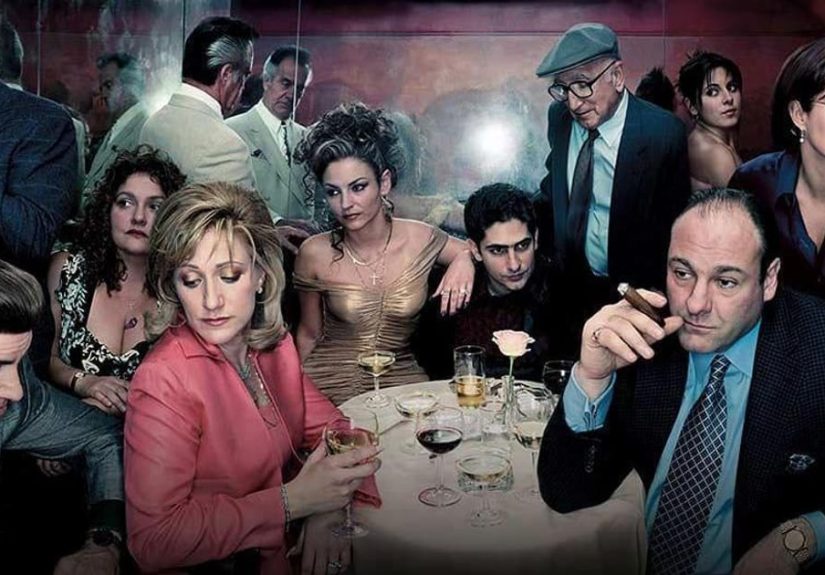
You can’t talk about the best 2000s drama TV shows without starting with The Sopranos.
Set in New Jersey’s mob world, the show follows Tony Soprano as he tries to juggle family life,
crime, and panic attacks. It paved the way for the modern TV antihero and helped transform HBO
into a prestige-drama powerhouse. From its brutal violence to its dark humor and famously
debated cut-to-black ending, The Sopranos still sits at or near the top of many
“greatest TV shows ever” lists.
What makes it timeless is the writing: the series is less about mob hits and more about
depression, masculinity, power, and the slow unraveling of a man who can control everyone
except himself.
2. Breaking Bad (2008–2013)
Breaking Bad barely squeezes into the 2000s, debuting in 2008, but its impact is too big
to ignore. High school chemistry teacher Walter White gets a terminal cancer diagnosis and
decides to cook meth to secure his family’s future. It starts as a desperate plan and slowly
mutates into a character study in greed, ego, and moral collapse.
Tight plotting, jaw-dropping cliffhangers, and iconic performances from Bryan Cranston and Aaron
Paul helped push serialized storytelling to new heights. If you love tense, morally messy drama
with meticulous payoffs, this one’s a no-brainer for the top of any 2000s drama ranking.
3. The Wire (2002–2008)
The Wire is the show everyone insists you “just have to stick with for a few episodes.”
Once you do, it’s obvious why critics repeatedly rank it among the greatest TV dramas in
history. Set in Baltimore, each season examines a different institutiondrug trade, docks,
city hall, public schools, the pressand shows how systems fail ordinary people.
The pacing is slow, the cast is sprawling, and there are no neat resolutionsjust a rich,
novel-like tapestry of corruption, hope, and heartbreak. It’s not a casual background show; it’s
a commitment, but one that rewards you with some of the smartest, most humane storytelling
television has ever produced.
4. Mad Men (2007–2015)
Mad Men may be set in the 1960s, but its rise in the late 2000s helped define that decade’s
prestige TV wave. Following Don Draper and the ad executives of Madison Avenue, it’s less about
slogans and more about identity, reinvention, and quiet desperation behind perfect mid-century
aesthetics.
Critics praised its detailed period accuracy, layered writing, and complex character arcs. The
show won multiple Emmys for Outstanding Drama Series and frequently appears in rankings of the
best-written and most influential series of all time. It’s stylish, slow-burning, and packed
with moments that sneak up on you emotionally.
5. Lost (2004–2010)
Before binge-watching and live-tweeting were everyday habits, Lost turned weekly TV into
a global event. A plane crashes on a mysterious island, and viewers spent six seasons puzzling
over hatches, smoke monsters, time travel, and cryptic numbers.
The show blended character-driven drama with science fiction and mythology, experimenting with
flashbacks, flash-forwards, and alternate timelines. Even if you were not thrilled with the
ending, it’s hard to deny how much Lost changed fan culture, online theories, and the
idea that TV could be one big mystery box.
6. The West Wing (1999–2006)
Technically a late-’90s debut, The West Wing owned the early 2000s. Aaron Sorkin’s
rapid-fire dialogue and walk-and-talk scenes inside the Bartlet administration made politics feel
idealistic, energetic, and strangely comforting.
The series dominated the Emmys for Outstanding Drama Series in the early 2000s, helped define
what intelligent political drama could look like, and still has a passionate fan base who rewatch
for both the banter and the big speeches. If you like smart, hopeful TV with a side of policy
nerdery, this is peak 2000s drama.
7. Six Feet Under (2001–2005)
Six Feet Under is a family drama that begins with a funeral director’s sudden death and never
really lets you look away from mortality again. Each episode opens with a death, then explores
how the Fisher family and their funeral home clients confront grief, regret, and the messy
business of being alive.
It’s darkly funny, often heartbreaking, and widely praised for having one of the most satisfying
series finales ever. This is the 2000s drama you watch when you want your feelings wrecked in a
strangely cathartic way.
8. Battlestar Galactica (2004–2009)
If you think space shows are all lasers and rubber suits, Battlestar Galactica will surprise
you. The rebooted series follows the last survivors of humanity fleeing genocidal robots, but it
’s really about politics, faith, terrorism, identity, and what it means to deserve survival.
Serialized storytelling, morally ambiguous leaders, and grounded production design turned this
into one of the most respected sci-fi dramas of the decade. It’s as much a political and ethical
drama as it is a space opera, and that combination aged remarkably well.
9. Friday Night Lights (2006–2011)
Clear eyes, full hearts, can’t lose. Friday Night Lights starts as a show about high school
football in a small Texas town and gradually becomes one of the most heartfelt portraits of
American community life on TV.
The drama tackles class, race, injury, dreams, and disappointment with a grounded, almost
documentary-like style. Kyle Chandler and Connie Britton anchor the show as Coach and Tami
Taylor, one of the best married couples ever written for television. Even if you do not care
about sports, you’ll probably care deeply about these characters.
10. 24 (2001–2010)
For pure adrenaline, 24 ruled the 2000s. Each season unfolds in “real time,” following Jack Bauer
through one chaotic 24-hour day as he tries to stop terrorist attacks and conspiracies.
The ticking-clock format, split-screen editing, and relentless pacing helped make serialized
thrillers a staple of network TV. While some storylines feel very post-9/11 in their politics,
the show remains influential in how it used tension and structure to keep viewers glued to the
screen.
11. Grey’s Anatomy (2005– )
Grey’s Anatomy debuted in 2005 and has been breaking hearts and hospital rules ever since. In
the 2000s, its early seasons captured viewers with a mix of medical emergencies, romance, and
pop-music-backed emotional montages.
The show helped launch Shonda Rhimes as a TV powerhouse, made its ensemble cast into household
names, and gave us more tragic mid-season finales than we ever asked for. As a blend of soap,
drama, and workplace chaos, it’s one of the most iconic TV dramas of the decade.
12. House (2004–2012)
House gave us a new kind of TV doctor: brilliant, grumpy, and extremely bad at small talk. Dr.
Gregory House solves impossible medical puzzles while dodging authority, pain management, and his
own emotional issues.
The show’s procedural structuremystery, misdiagnosis, surprise twistmade it addictive, but its
real strength lies in its character study. House’s skepticism and blunt honesty challenged
patients, colleagues, and viewers to confront uncomfortable truths.
13. The Shield (2002–2008)
Before antiheroes became standard, The Shield showed just how far a corrupt cop could go. Focusing
on Vic Mackey and his strike team, the series dives into police brutality, cover-ups, and the
moral cost of “results at any price.”
Gritty, intense, and often difficult to watch, it helped pave the way for later morally complex
dramas. Its influence can be felt in everything from crime shows to prestige thrillers that
refuse easy answers.
14. Dexter (2006–2013)
Dexter flips the usual crime-drama formula by putting us inside the mind of a serial killer who
only murders other killers. Working as a blood-spatter analyst by day and vigilante by night,
Dexter Morgan invites viewers to question why they find themselves rooting for him.
The show became a pop-culture phenomenon in the late 2000s and early 2010s. While later seasons
got mixed reactions, its early years remain a sharp, suspenseful exploration of identity,
secrecy, and the thin line between justice and obsession.
15. Gilmore Girls (2000–2007)
You could argue Gilmore Girls is more dramedy than straight drama, but its emotional stakes and
character work earn it a spot. Set in the quirky town of Stars Hollow, the series follows
fast-talking single mom Lorelai and her daughter Rory as they navigate family, school, love, and
big life decisions.
The rapid-fire dialogue and pop culture references are fun, but the real magic is in the
relationshipsbetween mothers and daughters, friends, and an entire community that feels oddly
real. It’s a softer, cozier entry on this list, but one that still tackles serious themes with
heart.
Honorable Mentions
There were far too many standout 2000s drama series to fit in one ranked list. A few more worth
adding to your watchlist:
- ER – A ’90s icon that remained powerful well into the 2000s.
- Homeland – Late-2000s/early-2010s espionage drama that grabbed awards and headlines.
- Supernatural – Horror-fantasy meets family drama with an extremely dedicated fan base.
- Veronica Mars – Teen noir with sharp writing and a lasting cult following.
- NCIS and CSI – Procedural giants that quietly ruled weekly ratings.
Why 2000s TV Dramas Still Matter
The best 2000s drama TV shows did more than give us something to watch after work. They reshaped
the entire medium. Premium cable and ambitious network dramas proved that long-form TV could be
as complex and artistically ambitious as film. Writers experimented with serialized plots,
season-long story arcs, and morally ambiguous leads in ways that felt fresh and risky at the
time.
Today’s streaming erawith its binge drops, cinematic visuals, and endless “peak TV” discourse
owes a lot to shows like The Sopranos, The Wire, Mad Men, and
Breaking Bad. When you queue up a new limited series or dark character study, you are
seeing the 2000s drama DNA at work.
Whether you are discovering these series for the first time or revisiting them with fresh eyes,
they still deliver rich characters, bold storytelling choices, and plenty of “we need to talk
about that episode” moments.
Experiences: What It’s Like to Rewatch 2000s Drama TV Shows Today
Rewatching 2000s TV dramas in the streaming era is a strangely nostalgic experience. Back when
many of these shows aired, you had to plan your week around a time slot, hope the power did not
go out, and maybe set a DVR or record on a blank DVD. Now you can watch an entire season of
Lost in a weekend, then immediately jump into another decade-defining drama without even
leaving your couch.
One of the first things you notice on a rewatch is pacing. Early-2000s dramas like
The West Wing and ER were built for network TV, with commercial breaks and 22-episode
seasons. That means more “case of the week” stories and more space for side plots and minor
characters. It can feel slower compared with modern eight-episode streaming seasons, but in a
good waythere’s room to breathe, to live with the characters, and to enjoy throwaway moments
that quietly become your favorites.
Cable dramas from the decade hit differently. Shows like The Sopranos,
Six Feet Under, and Mad Men were already experimenting with limited seasons and
serialized arcs, so they actually feel surprisingly modern. If you binge them now, the emotional
build-up from episode to episode becomes even more intense. You notice subtle foreshadowing,
background details, and character shifts that are easy to miss when you watch week-to-week.
There’s also the culture shock. It’s not just the flip phones and chunky laptops; it’s the way
characters talk, joke, and move through a world before social media, smartphones, and constant
online outrage. Some jokes or storylines show their age, and it’s worth acknowledging that. At
the same time, that snapshot of the 2000s gives these shows a unique time-capsule appeal. You
can literally see the decade’s anxieties, hopes, and habits playing out on-screen.
For many viewers, these series are tied to specific memories: huddling around a dorm-room TV to
watch the new episode of 24, arguing about Lost theories in an early message board,
or borrowing a friend’s The Wire DVDs because not everyone had premium cable. Revisiting them
now can feel like catching up with old friendsonly this time, you are older, you notice
different details, and you might sympathize with characters you previously wrote off.
If you are introducing someone else to these showsa younger sibling, a partner, or a friend who
somehow missed themit adds another layer. You get to see which moments still land, which twists
still shock, and which episodes start instant “How is this show THIS good?” conversations. It’s
a reminder that great storytelling holds up, even as styles and technology change.
The best way to experience 2000s drama TV now is to mix nostalgia with curiosity. Let yourself
enjoy the big speeches in The West Wing, the carefully composed shots in
Mad Men, the slow-burn investigation of The Wire, and the outrageous cliffhangers in
Breaking Bad. Start with one or two series from this ranking, build a watchlist, and let these
shows remind you why the 2000s are still considered a turning point for TV drama.