Table of Contents >> Show >> Hide
- Tattoo Removal 101: What Actually Works (and What’s Just Wishful Thinking)
- How to Remove a Tattoo Safely: A Step-by-Step Game Plan
- How Many Sessions Does Tattoo Removal Take?
- Tattoo Removal Costs in the U.S.: What You’ll Pay (and Why)
- Before and After Pictures: What to Look For (So You’re Not Fooled by Lighting)
- Risks, Side Effects, and Who Should Hit Pause
- Aftercare Cheat Sheet (Save This for Later)
- Not Sure You Want Full Removal? Options That Don’t Require Going Ghost-Level
- FAQ: Quick Answers to Common Tattoo Removal Questions
- Real-World Experiences: What the Tattoo Removal Journey Feels Like (500+ Words)
- Conclusion
At some point, many of us have looked at an old tattoo and thought: “Huh. Past-Me was really going through it.” Maybe it’s a name. Maybe it’s a trendy symbol that now feels… aggressively 2014. Maybe it’s a perfectly nice design that just doesn’t fit your life anymore. Whatever your reason, tattoo removal is a real, common, and very doable processif you approach it with the right expectations (and the right professional).
This guide walks you through what works, what costs what in the U.S., what before-and-after photos can realistically show, and how to keep your skin happy while your ink fades into legend.
Tattoo Removal 101: What Actually Works (and What’s Just Wishful Thinking)
Laser tattoo removal (the main event)
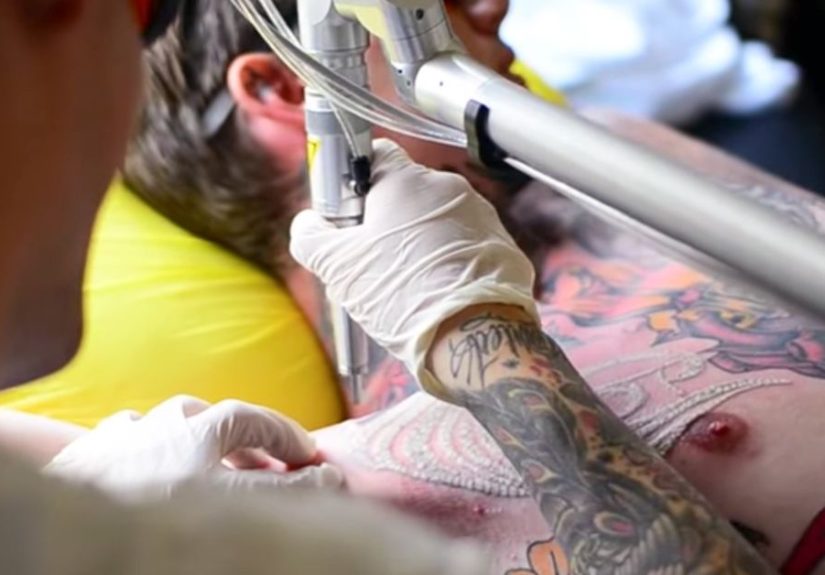
Laser tattoo removal is the most widely used option because it targets ink beneath the skin without “removing” the skin itself. The laser energy breaks tattoo pigment into tiny particles. Then your immune system does what it always does with stuff it doesn’t want around: it gradually carries those particles away over time.
Translation: the laser isn’t “vacuuming” ink out of you. It’s more like it’s smashing a big boulder into pebbles, and your body does the hauling. That’s one reason results take multiple sessionsand why your general health can influence progress.
Modern clinics may use different lasers (often with different wavelengths) to target different ink colors. In general, black and dark inks tend to respond best because they absorb light more predictably, while certain bright colors (and some mixed pigments) can be trickier and may require specialized settings or multiple laser types.
Surgical excision (fast, but not subtle)
Surgical excision means cutting out the tattooed skin and stitching the remaining skin together. It’s typically best for small tattoos and can remove the tattoo in one gobut it also trades ink for a surgical scar. If you’re thinking, “So I’ll still have a mark there,” yes. Just a different kind.
Dermabrasion and chemical peels (less common, more variable)
Dermabrasion “sands” the skin down, while chemical peels use acids to remove layers of skin. These methods can be less predictable than laser and can carry a higher risk of scarring or pigment changes, especially if you’re prone to keloids or hyperpigmentation. They’re not the everyday first choice for most people, but they may be discussed in specific cases.
Tattoo removal creams and DIY kits (please don’t)
The internet loves a shortcut. Your skin does not. Over-the-counter tattoo removal creams and DIY kits claim to fade tattoos, but the ink sits in the dermis (deeper skin layer), and creams typically can’t reach it effectively. Worse, these products may contain strong irritants that can cause burns, rashes, or scarring.
If you’re tempted, remember this: you can have an unwanted tattoo… or you can have an unwanted tattoo plus a chemical burn. Choose your fighter wisely.
How to Remove a Tattoo Safely: A Step-by-Step Game Plan
Step 1: Choose the right professional (this matters more than the laser model)
Look for a board-certified dermatologist or a medical practice with specific tattoo-removal experience. Tattoo removal isn’t just “point laser, press button.” Settings should be chosen based on ink colors, depth, location, your skin tone, and your medical history.
At your consultation, ask to see before-and-after photos of that provider’s actual patientsideally with similar skin tone and similar tattoo style. That’s the closest thing to a crystal ball you’ll get.
Step 2: Get a realistic treatment plan
Your clinician may estimate the number of sessions you’ll need based on factors like tattoo size, colors, whether it was professionally done, and where it sits on your body. They may photograph the tattoo to track progress, because when fading happens slowly, your eyes can play tricks on you (“Is it lighter… or is my bathroom lighting just dramatic?”).
Step 3: Prep your skin (aka: don’t show up sunburned)
- Avoid tanning and heavy sun exposure before sessions. Sun-stressed skin is more likely to pigment unevenly.
- Share your medical history honestly (keloid tendency, immune issues, medications, cold sores, etc.).
- If your provider recommends it, shave the area and arrive with clean skinno lotions, perfumes, or self-tanner.
Step 4: What a laser session feels like
Most people describe laser tattoo removal as a quick series of snapslike a rubber band flicking the skin repeatedly. Many clinics offer topical numbing cream, local anesthetic, cooling devices, or other pain-control options. Sessions for small tattoos can be fairly quick; larger pieces take longer.
Step 5: Aftercare is not optional (it’s part of the treatment)
After a session, it’s common to have redness, swelling, and sometimes blistering. Your provider will give you specific instructions, but typical aftercare often includes gentle washing, keeping the area protected, and using prescribed ointments if recommended.
How Many Sessions Does Tattoo Removal Take?
The honest answer: it depends. The helpful answer: many people need multiple sessions, often in the range of 6–12 visits, sometimes more. Your tattoo was applied in layers; lasers generally can’t (and shouldn’t) try to break down every layer in one session. Your skin needs time to heal, and your body needs time to clear ink particles between treatments.
Why some tattoos fade faster than others
- Ink color: Black and dark inks often respond well; some colors are more stubborn.
- Professional vs. amateur: Professional tattoos may have denser, deeper, more consistent ink.
- Location on the body: Areas with better circulation may clear ink more efficiently.
- Age of tattoo: Older tattoos may already be naturally faded and can respond differently.
- Skin tone and skin behavior: The goal is fading without pigment changes or scarring.
- Overall health and habits: Your immune system does the “clean-up.” Smoking can slow healing.
Expect gradual fading: after each session, the tattoo typically looks a little lighter once the skin calms down and your body has had time to do its clearing work.
Tattoo Removal Costs in the U.S.: What You’ll Pay (and Why)
Tattoo removal pricing can feel like ordering coffee in America: you think you’re getting “one laser removal,” and suddenly there are sizes, add-ons, and mysterious math. The good news is that cost patterns are pretty predictable. The not-as-fun news is that removing ink usually costs more than getting it.
Typical price ranges
Many U.S. clinics price laser tattoo removal per session. Depending on your provider, region, and tattoo size, you’ll commonly see per-session costs from a couple hundred dollars to several hundred dollarsand sometimes higher for very large or complex pieces. Some organizations report average costs per laser treatment session in the mid-hundreds, but averages hide huge variation.
What drives the price up or down
- Size: A tiny ankle symbol is not the same job as a half-sleeve masterpiece.
- Colors: Multi-color tattoos may require more specialized laser settings or more sessions.
- Ink depth and density: Heavier saturation can take longer to break down.
- Location: Some body areas are more sensitive or heal differently.
- Skin tone: Safer settings may be more conservative, affecting pace and total sessions.
- Clinic model: Pay-per-session vs. packages vs. “complete removal plans.”
Concrete cost examples (realistic scenarios)
- Small, black linework (1–2 square inches): You might pay a lower per-session fee; total cost could still add up over multiple sessions.
- Medium, multi-color design (palm-sized): Typically higher per-session cost and often more sessions, especially if bright pigments are involved.
- Large tattoo (half sleeve/back piece): The per-session number can climb, and total cost can move into the thousands over time.
Will insurance cover tattoo removal?
Usually, nobecause tattoo removal is often considered cosmetic. However, if removal is tied to a medical issue (for example, complications like allergic reactions or certain infections), it may be worth asking your insurer what documentation they require. Don’t assume either way; verify.
Before and After Pictures: What to Look For (So You’re Not Fooled by Lighting)
Before-and-after photos can be incredibly usefulif you know what you’re looking at. A good provider should be comfortable showing examples and explaining the context: how many sessions, what laser approach was used, and what kind of tattoo and skin type the patient had.
What “real” before-and-after photos include
- Same lighting and angle (no “before” under fluorescent doom lighting and “after” in golden hour).
- Session count (e.g., “after 3 sessions,” not “after… vibes”).
- Timeframe (weeks to months between photos matters).
- Healed skin (photos taken after swelling/scabbing resolves are more honest).
What you should expect to see
Many tattoos lighten progressively. Some can fade dramatically; others may leave a “ghost” outline or residual pigment, especially with certain colors or very deep ink. Some patients temporarily see light or dark spots around the treated area that fade over months. Your provider should discuss these possibilities upfront.
Three “photo narratives” (typical patterns)
- Black wrist script: Often shows steady fading session-to-session. By mid-course, letters look softer; later, ink can become faint enough that casual observers miss it.
- Colorful design with blues/greens: Early sessions may lighten black outlines first; color pigments may fade unevenly and take longer to clear.
- Cosmetic tattoo/permanent makeup: Often requires extra caution and specialized experience; fading can be strong, but pigment shifts and skin sensitivity make expert care especially important.
Risks, Side Effects, and Who Should Hit Pause
Most people can have laser tattoo removal safely, but “safe” doesn’t mean “zero side effects.” Normal short-term effects can include redness, swelling, tenderness, and sometimes blistering. The key is that these effects should be monitored, managed with aftercare, and guided by a medical professional.
Potential side effects to know
- Temporary pigment changes: Light or dark spots can occur and may fade over months.
- Blistering and scabbing: Can happen; picking increases scarring risk.
- Scarring: Rare with skilled laser use, more common with aggressive settings or poor aftercare.
- Infection: Possible if bacteria enter the healing skinaftercare and hygiene matter.
Situations where you should get medical guidance first
- Pregnancy or breastfeeding: Many dermatology guidelines advise waiting.
- Immune system issues: Your body helps clear ink; discuss candidacy and expectations.
- History of keloids or poor wound healing: Your risk profile may be different.
- Very dark skin tones: You can still be a candidate, but experience and proper laser selection are crucial.
Aftercare Cheat Sheet (Save This for Later)
- Keep it clean: Gently wash as directed; avoid harsh scrubbing.
- Protect it: Use bandaging if advised, especially in the first days.
- Don’t pick: Scabs and blisters are not “free exfoliation.” Let them heal.
- Moisturize appropriately: Use only what your provider recommends.
- Sun protection is huge: Cover the area and follow guidance about sun avoidance for weeks to months.
- Skip soaking early on: Avoid pools, hot tubs, and long baths if your provider says so.
- Call your provider if: You see spreading redness, pus, fever, or worsening pain.
Not Sure You Want Full Removal? Options That Don’t Require Going Ghost-Level
Sometimes you don’t want your tattoo goneyou just want it less loud. Two common strategies:
- Fading for a cover-up: A few laser sessions can lighten old ink so a cover-up tattoo looks cleaner and needs less heavy, dark shading to hide what’s underneath.
- Partial removal: Removing a specific part (like a name) while keeping the rest can be an option depending on design and placement.
FAQ: Quick Answers to Common Tattoo Removal Questions
Does tattoo removal hurt more than getting a tattoo?
Many people say it’s comparable or more uncomfortable, but it’s quickand pain control options (numbing cream, cooling, local anesthetic) can help a lot.
How long does healing take after each laser session?
Superficial irritation can calm within days, but full settling can take longer. Your provider will tell you when it’s safe to work out, swim, or resume normal routines.
Can you remove a tattoo completely?
Sometimes yes, sometimes “almost.” Many tattoos fade dramatically; some leave faint traces depending on pigment, depth, and skin response.
Is there a “best” laser for tattoo removal?
The “best” setup depends on your tattoo colors and skin type. Clinics often use different lasers or settings to target different pigments.
Can I do tattoo removal at home?
It’s strongly discouraged. DIY methods can lead to burns, infection, scarring, and disappointing results.
How do I pick a clinic?
Prioritize medical oversight, experience with your skin tone, transparent pricing, good before/after examples, and a consultation that feels thoroughnot rushed.
Real-World Experiences: What the Tattoo Removal Journey Feels Like (500+ Words)
Let’s talk about the part that doesn’t show up in glossy marketing photos: the lived experience of tattoo removal. Not the dramatic “poof, it’s gone!” fantasymore like a slow-burn series where each episode ends with you saying, “Okay… I think I see progress?” and your friends squinting politely.
Experience #1: The tiny tattoo that refuses to be tiny.
People often assume a small tattoo means a small process. Sometimes it does! But a tiny, heavily saturated tattoo can be stubborn because dense ink can take longer to break down, and spacing between sessions means you’re playing the long game. The upside is that appointments are fast. The downside is that you’ll become deeply familiar with the phrase “Let’s see how you heal and reassess.”
Experience #2: The “why is it darker?” panic moment.
After a session, it’s common to have redness and swelling. Some people also notice the tattoo looks temporarily weird slightly darker, slightly blurrier, or “frosted” right after treatment. This can be normal immediate skin response. The key is not to judge results the same day (or even the same week). Many patients report that the most satisfying progress appears gradually over the following weeks as the skin calms and the body clears pigment fragments.
Experience #3: The aftercare learning curve.
The first session often comes with a “wait, I can’t just… ignore it?” realization. Tattoo removal aftercare can feel like babysitting a temperamental houseplant: keep it clean, don’t overdo it, don’t roast it in the sun, and please, for the love of your future skin, don’t pick at it. People who follow aftercare instructions tend to report smoother healing and fewer “why did I do that?” complications. People who don’t… tend to learn the hard way that scabs are not optional décor.
Experience #4: The multicolor tattoo plot twist.
Multi-color tattoos often fade unevenly. Black outlines might lighten sooner while certain colors lag behind, which can look odd mid-process. Patients often describe a phase where the tattoo looks like it’s been through a breakupparts of it are moving on, other parts are clinging to the past. A good provider will warn you about this and set expectations for how different pigments behave.
Experience #5: The emotional side (yes, it’s a thing).
Removing a tattoo can feel surprisingly meaningful. For some, it’s purely aestheticno deeper message, just a preference update. For others, it’s about closing a chapter: a reminder of an old relationship, an era that no longer fits, or a choice made under pressure. Many people report that the process feels empowering precisely because it’s gradual: each session is a small, tangible step toward a look that matches who they are now.
Experience #6: The “I’m not removing itI’m upgrading it” crowd.
A lot of people don’t aim for full removal. They fade the tattoo first, then get a cover-up that’s cleaner and more detailed because the old ink isn’t fighting for attention underneath. This group often reports higher satisfaction because their goal isn’t perfectionit’s improvement. And improvement is very achievable.
Bottom line: tattoo removal is rarely instant, often a little uncomfortable, and surprisingly manageable when you have a skilled provider and a solid plan. If you’re patient (and sunscreen-loyal), progress usually shows up. Slowly. Then suddenly. Like your immune system was quietly doing chores while you weren’t looking.