Table of Contents >> Show >> Hide
- What Is Tai Chi (and Why Does It Work So Well for Older Adults)?
- Tai Chi for Stress Reduction: Calm Your Body Without “Just Relaxing”
- Tai Chi and Weight Loss: Realistic Help, Not a Miracle Plot Twist
- Older Adults: The Big 5 Tai Chi Benefits Beyond Stress and Weight
- How to Start Tai Chi Safely as an Older Adult
- Common Mistakes (That Are Easy to Fix)
- FAQ: Quick Answers for Curious Beginners
- Conclusion: Slow, Steady, and Surprisingly Powerful
- Real-World Experiences: What Older Adults Often Notice After Starting Tai Chi (About )
Tai chi looks like slow-motion dancing, feels like a moving meditation, and somehow manages to be both “gentle”
and “wow, my legs are working” at the same time. If you’re an older adult looking for a low-impact way to calm
your nervous system, support healthy weight goals, and stay steady on your feet, tai chi is one of those rare
wellness trends that’s been around for centuries and still gets a thumbs-up from modern research.
In this guide, we’ll break down the real-world benefits of tai chi for older adultsespecially for stress reduction,
weight management, and everyday functionwithout the hype, without the guilt, and without pretending a 10-minute
practice will turn you into a superhero by Tuesday. (Though you may stand up from a chair with more confidence,
which is basically a superpower after 60.)
What Is Tai Chi (and Why Does It Work So Well for Older Adults)?
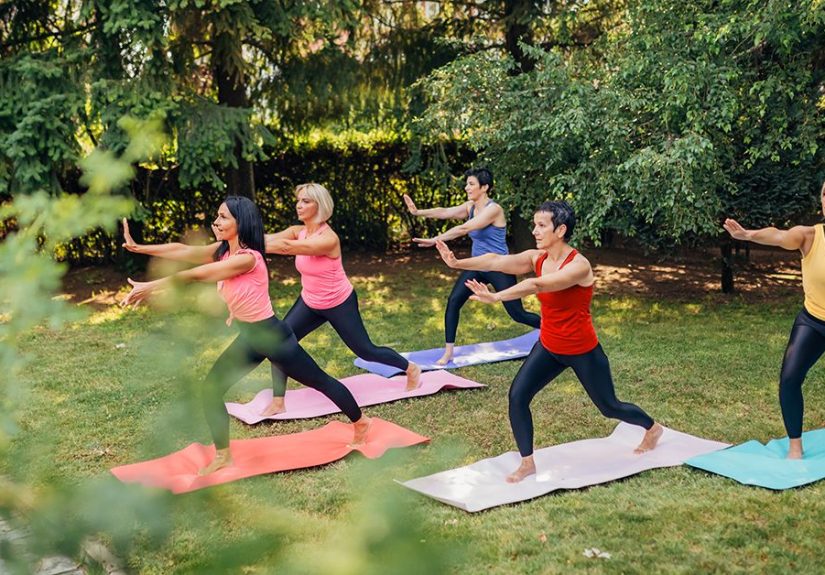
Tai chi (also spelled “tai chi chuan” or “taiji”) is a mind-body practice that combines slow, controlled movements,
gentle shifting of weight, coordinated breathing, and focused attention. It’s often taught as a sequence of flowing
“forms” that train balance, coordination, and body awareness.
For older adults, the magic is in the combination: tai chi is low-impact (no pounding joints), adaptable (standing
or seated options exist), and skill-based (you improve through practice, not punishment). It also nudges you into a
calm-but-alert statephysically moving while mentally settlingso you’re training both your muscles and your stress
response.
Tai Chi for Stress Reduction: Calm Your Body Without “Just Relaxing”
Stress isn’t only “in your head.” It shows up in tight shoulders, shallow breathing, poor sleep, elevated blood pressure,
cravings, and that uneasy feeling where everything feels louder than it should. Tai chi helps by working from the
outside in: you move slowly, breathe more deliberately, and pay attention to what your body is doing right now.
1) It trains your breathing to stop acting like a startled squirrel
Many tai chi styles emphasize smooth inhales and long exhales. That matters because breathing patterns and the nervous
system are closely linked. When you practice slower breathing and relaxed movement, your body often shifts away from
“fight-or-flight” and toward “rest-and-digest.” Over time, that can translate into lower perceived stress and better
emotional regulation in everyday lifelike when you’re stuck on hold with customer service.
2) It gives your brain a “single-tab” moment
Stress thrives on mental multitasking: replaying yesterday, worrying about tomorrow, and doom-scrolling in between.
Tai chi pulls attention back to the presentfeet, posture, weight shift, arm position, breath. This focused attention
functions a lot like mindfulness practice, but with movement (which can be easier than sitting still with your thoughts
like you’re in a staring contest with anxiety).
3) Mood support is a common bonus
While tai chi isn’t a substitute for professional treatment when needed, studies and clinical reviews often report
improvements in mood, anxiety symptoms, and overall quality of lifeespecially when practiced consistently over weeks.
That consistency is key: the benefits build like a savings account, not a lottery ticket.
Tai Chi and Weight Loss: Realistic Help, Not a Miracle Plot Twist
Let’s be honest: tai chi isn’t a boot-camp workout, and it doesn’t need to be. Weight loss (or healthier weight
maintenance) for older adults is less about extreme intensity and more about sustainable habitsmovement you’ll
actually keep doing, improved mobility so you can stay active, and better stress management so food doesn’t become
the default coping strategy.
How tai chi supports healthier weight goals
- More daily movement: Tai chi can increase overall activity without joint flare-ups, making it easier to stay consistent.
- Better balance and strength: When you feel steadier, walking, errands, and other activity become less tiring and less risky.
- Stress reduction: Lower stress can help reduce stress-eating and improve sleepboth of which influence weight regulation.
- Better body awareness: Paying attention to sensations (breath, tension, posture) can spill over into more mindful eating and pacing.
In terms of calories, tai chi is typically considered light-to-moderate intensity depending on style, depth of stances,
and duration. That means it can contribute meaningfully to your weekly activityespecially if you practice 20–60 minutes
several days per weekwhile being kinder to knees, hips, and backs than higher-impact options.
A practical “tai chi + real life” plan for older adults
If weight loss is a goal, tai chi pairs well with simple add-ons:
- 3–5 days/week: 20–40 minutes of tai chi (class or video-guided practice).
- 2–4 days/week: A comfortable walk (even 10–20 minutes counts).
- 2 days/week: Light strength moves (chair stands, wall push-ups, or resistance bands).
This combination supports muscle preservation (important for metabolism and function), balance, and cardiovascular healthwithout requiring you to “go hard.”
And if you’re thinking, “That sounds like a lot,” start with 10 minutes. Consistency beats ambition.
Older Adults: The Big 5 Tai Chi Benefits Beyond Stress and Weight
1) Better balance and fewer falls
Falls are one of the biggest threats to independence as we age. Tai chi directly trains balance through controlled
weight shifting, single-leg stance moments, trunk rotation, and improved proprioception (your sense of where your body
is in space). Community fall-prevention programs based on tai chi exist for a reason: the movement patterns closely
match the skills you need to catch yourself and recover from a misstep.
2) Stronger legs, steadier posture
Slow doesn’t mean easy. Tai chi often strengthens the lower body through semi-bent knees and sustained weight
transferespecially if you’re encouraged to “sink” gently into your stance. That builds functional strength for
everyday tasks like climbing stairs, getting out of a chair, and carrying groceries without feeling like you just
completed an Olympic event.
3) Joint-friendly movement (especially helpful with arthritis)
Because tai chi is low-impact and emphasizes smooth, pain-aware range of motion, it’s often used by people managing
osteoarthritis. In fact, major rheumatology guidelines have recommended tai chi as part of osteoarthritis management,
reflecting a meaningful evidence base for pain and function improvements when practiced regularly.
4) Brain health and cognitive engagement
Tai chi is surprisingly brainy. Remembering sequences, coordinating limbs, tracking posture, and timing breath with
movement creates a “dual-task” challenge (physical + mental). Some research in older adults suggests tai chi can
support aspects of cognition, and enhanced forms that add mental challenges have shown promise for people with memory
concerns. At minimum, it’s a structured way to keep your brain engaged while you movelike a crossword puzzle that
improves your balance.
5) Sleep and overall quality of life
Better sleep often follows better stress regulation and regular physical activity. Many older adults report that tai chi
helps them wind down, loosen tension, and feel more comfortable in their bodies at bedtime. Sleep is complicated, of course,
but a gentle evening tai chi routine can be a helpful “transition ritual” that tells your nervous system: we’re safe, we’re done,
we can rest now.
How to Start Tai Chi Safely as an Older Adult
Choose the right format
- In-person classes: Great for feedback, social connection, and motivation.
- Online videos: Convenient, but choose reputable instructors and keep moves small at first.
- Seated tai chi: An excellent option for limited mobility, balance issues, or recovery phases.
Keep it safe (and still effective)
- Start with small ranges: You don’t need deep knee bends or big steps to get benefits.
- Use a chair or wall for support: Especially while learning weight shifts.
- Wear stable shoes: Think flat, supportive, non-slip.
- Aim for smooth, pain-aware movement: Mild effort is fine; sharp pain is a “nope.”
- Ask your clinician if you have concerns: Especially with severe osteoporosis, recent surgery, dizziness, or neurological conditions.
How often should you practice?
Many programs use 2–3 sessions per week, but even short daily practice can be beneficial. A smart starter goal is
10–15 minutes, 3–5 days per week. After a few weeks, you can build toward 20–60 minutes depending on
your schedule and stamina. The best dose is the one you’ll do.
Common Mistakes (That Are Easy to Fix)
- Going too big too soon: Smaller movements done consistently beat heroic stances done twice.
- Holding your breath: If you notice it, simply return to a comfortable, steady inhale-exhale rhythm.
- Locking joints: Keep knees and elbows softly bent.
- Practicing on unsafe surfaces: Skip slippery floors; choose a clear space.
- Expecting instant results: Think “weeks,” not “minutes.”
FAQ: Quick Answers for Curious Beginners
Is tai chi good for beginners who haven’t exercised in years?
Yesmany people start tai chi with little recent exercise experience. It’s designed to be progressive and adaptable.
Start slow, use support when needed, and treat it as skill-building.
Can tai chi replace walking?
It can be a powerful complement, and for some people it may temporarily substitute when joints or balance make walking
difficult. Ideally, combine both if you can: tai chi for balance and control, walking for straightforward aerobic activity.
How soon will I notice benefits?
Many people feel calmer after a single session. For measurable improvements in balance, strength, and function, plan on
several weeks of consistent practice. The bigger the goal (like fall-risk reduction), the more consistency matters.
Conclusion: Slow, Steady, and Surprisingly Powerful
Tai chi is one of the most older-adult-friendly forms of exercise because it meets you where you are and helps you build
from there. It supports stress reduction through mindful movement and breath. It can help with weight goals by making
activity more sustainable, improving sleep, and reducing stress-driven habits. And it strengthens the very things that
protect independencebalance, leg strength, posture, and confidence.
If you’re looking for a routine that’s gentle on joints but meaningful for daily life, tai chi isn’t just “nice.”
It’s practical. And the best part? You don’t have to be flexible, athletic, or mystical. You just have to start.
Real-World Experiences: What Older Adults Often Notice After Starting Tai Chi (About )
Because tai chi feels calm, many people assume the benefits must be subtle. In real life, older adults often describe
changes that are surprisingly specificless “I did a workout” and more “my day feels easier.” Here are common experiences
reported in community classes and wellness programs, along with a few realistic examples that show how tai chi can fit
into everyday routines.
Stress feels less sticky. One of the first things people notice is that their baseline tension drops.
Not that life becomes stress-free (taxes still exist), but the body doesn’t cling to stress as long. For example, a
68-year-old caregiver might start tai chi because sleep is getting choppy and the mind won’t shut off at night.
After a couple of weeks of practicing 15 minutes in the late afternoon, they may notice fewer “wired-tired” evenings.
The routine becomes a reset button between the responsibilities of the day and the transition into rest.
Balance improvements show up in boring momentswhich is the best place to improve. People often report
feeling steadier while doing ordinary tasks: stepping into the shower, turning to grab something in the kitchen,
walking on uneven pavement, or carrying laundry. One older adult might realize they’re no longer reaching for the wall
when putting on pants, because the weight-shift training in tai chi quietly strengthened their ability to stand on one
leg (even briefly) without feeling wobbly.
Movement becomes more comfortable. For those with stiff joints, tai chi can feel like “oil for the hinges.”
A common story: someone with knee osteoarthritis avoids activity because flare-ups are discouraging. Tai chi lets them
move through gentle ranges without impact, and over time they feel more confident increasing daily steps. The biggest
win isn’t doing deeper stancesit’s noticing that errands no longer cause the same ache-and-crash effect afterward.
Weight loss may be slow, but momentum increases. Many older adults who want to lose weight don’t need
an extreme programthey need something they can do consistently. Tai chi often helps people “stay in the game.”
When stress decreases and mobility improves, walking becomes easier, cravings can feel less intense, and the day includes
more natural movement. A realistic example: someone starts tai chi three mornings per week, then adds a 10-minute walk
afterward because their hips feel looser. That small pairingdone consistentlycan matter more than a short burst of
intense workouts that trigger pain and get abandoned.
The social piece is sneakily powerful. In-person tai chi classes often become a weekly anchor: friendly faces,
shared progress, and the comforting experience of learning something new together. For older adults who feel isolated,
tai chi can be both exercise and communitytwo protective factors for health that don’t come in a bottle.
The overall theme is simple: tai chi doesn’t usually arrive as a dramatic transformation. It arrives as a chain of small
winssteadier steps, calmer evenings, easier movement, better routinesand those small wins add up to a more confident,
more capable daily life.