Table of Contents >> Show >> Hide
- What Is Supination (and When Is It a Problem)?
- Why Excessive Supination Matters
- Common Causes of Foot Supination
- Signs and Symptoms: How Supination Usually Shows Up
- How to Tell If You Supinate
- Treatment for Supination of the Foot
- 1) Footwear: The Easiest Win for Many People
- 2) Orthotics and Insoles: Support + Pressure Redistribution
- 3) Physical Therapy: Strength, Balance, and Mobility (Where the Magic Happens)
- 4) Activity Tweaks: Train Smarter, Not Harder
- 5) Managing Pain Flare-Ups and Sprains
- 6) When Surgery Is Considered (Usually for Significant Cavus Foot Problems)
- When to See a Healthcare Professional
- Prevention Tips (Especially If You Run or Play Sports)
- Frequently Asked Questions
- Real-Life Experiences With Foot Supination (And What Actually Helped)
- Conclusion
If your shoes always wear down on the outside edgelike your feet are trying to escape the planet’s gravitythere’s a good chance you’re dealing with
foot supination. Supination (often called underpronation) is a common gait pattern where your weight rolls more toward the outer part of the foot when you walk or run.
A little supination is normal (your foot actually needs it), but too much can reduce shock absorption and increase the odds of soreness, overuse injuries, and the classic “oops” ankle roll.
This article breaks down what excessive supination looks like, why it happens, how it can affect your feet (and the rest of you), and what evidence-based treatments usually helpespecially shoes, orthotics,
strength and mobility work, and when to see a clinician.
What Is Supination (and When Is It a Problem)?
Supination describes the outward “rolling” tendency of the foot/ankle. In a normal stride, your foot typically lands slightly on the outside of the heel,
then rolls inward a bit (pronation) to help absorb impact, and finally shifts outward again as you push off (that outward shift is a normal part of propulsion).
The issue is excessive supination, also called underpronation, where your foot doesn’t roll inward enough during the loading phase.
Less inward roll often means less shock absorptionso more stress travels up through the foot, ankle, shin, knee, hip, and low back (your joints did not sign up for that group project).
Supination vs. High Arches
Supination is a movement pattern. High arches (often called pes cavus) describe foot structure. Many people with high arches tend to supinate,
but you can supinate without dramatic arches, and you can have arches that look high without painful problems. The important part is whether your mechanics are causing symptoms or recurring injuries.
Why Excessive Supination Matters
When your weight stays on the outside of the foot, pressure concentrates on the lateral (outer) heel, the outside of the midfoot, and sometimes the forefoot.
Over time, that can contribute to issues like:
- Repeated ankle sprains or ankle instability (the “sidewalk surprise”)
- Outer foot pain, especially after long walks or runs
- Plantar fasciitis or heel pain in some people (often due to load distribution and calf/foot stiffness)
- Shin splints or lower-leg overuse discomfort
- Forefoot pain (metatarsalgia) and calluses/corns from pressure points
- Stress-related soreness in the foot or ankle if training ramps up too fast
Common Causes of Foot Supination
Supination usually isn’t caused by just one thing. It’s often a mix of foot structure, muscle balance, mobility, footwear, and how you move.
1) Foot Structure: High Arches (Pes Cavus) and Cavovarus Tendency
People with high arches often have a stiffer foot that doesn’t spread load evenly. A higher, more rigid arch can keep weight on the outer edge,
sometimes paired with a heel that tips slightly inward (often described clinically as a cavovarus alignment). This combo can increase lateral loading and ankle-rolling risk.
2) Limited Ankle Mobility (Especially Dorsiflexion)
If your ankle has trouble bending forward (limited dorsiflexion), your body may compensate by shifting foot mechanicssometimes encouraging a more lateral loading pattern.
Tight calves, stiff ankles, or prior ankle injuries can all contribute.
3) Muscle Imbalances or Weakness
Supination can show up when muscles that help control foot position and shock absorption aren’t doing their fair share. Common patterns include:
- Weaker ankle evertors (often the peroneal muscles), which help resist excessive rolling outward
- Foot intrinsic weakness (small stabilizers in the foot), which can reduce stability and endurance
- Hip and glute weakness, which can affect leg alignment and how the foot meets the ground
4) Old Injuries and Chronic Instability
A history of ankle sprains can alter proprioception (your joint’s “where am I in space?” sense). Without targeted rehab (especially balance and strength work),
the ankle may remain less stablemaking that lateral roll more likely.
5) Neurological or Medical Conditions (Less Common, But Important)
In some cases, high arches and cavus foot patterns can be linked to underlying neurological or neuromuscular conditions. This is not the most common reason someone supinates,
but it’s one reason clinicians take a careful historyespecially if arches are very high, getting worse, or paired with symptoms like weakness, numbness, frequent tripping, or foot drop.
Signs and Symptoms: How Supination Usually Shows Up
Some people supinate and feel fine. Others get a clear pattern of discomfort. Common clues include:
- Shoe wear mainly on the outer heel and outer forefoot
- Recurring ankle sprains, or feeling “wobbly” on uneven ground
- Outer ankle or outer foot pain after activity
- Calluses along the outer edge or under the ball of the foot
- Achilles or calf tightness and stiffness when you start moving
- Lower-leg aches with running or jumping sports
How to Tell If You Supinate
You don’t need a lab with lasers (though that would be cool) to get a useful first read.
Quick At-Home Checks
- Shoe inspection: Look at your most-worn pair. Heavy wear on the outer heel/edge suggests lateral loading.
- Wet footprint test: Step out of a shower onto a paper bag or dark tile. A very narrow midfoot imprint often suggests a higher arch.
(This isn’t a diagnosisjust a clue.) - Phone video: Record from behind while you walk or jog. Do your ankles look like they drift outward? Do you “roll” to the outside?
Professional Assessment (Most Useful If You Have Pain)
A clinician (podiatrist, physical therapist, sports medicine provider, or orthopedist) can evaluate:
your arch structure, ankle mobility, muscle strength, balance, and your gait. If needed, they may recommend imaging
(for suspected stress injuries, arthritis, or structural deformity) or consider whether a high-arch foot is flexible vs. rigidbecause that affects treatment choices.
Treatment for Supination of the Foot
Treatment depends on two big questions:
(1) Are you having pain or repeated injuries? and (2) Is your foot flexible or structurally rigid/high-arched?
Most people improve with conservative (non-surgical) care.
1) Footwear: The Easiest Win for Many People
For underpronation, footwear usually aims to improve cushioning and reduce outer-edge stress.
Practical shoe features that often help:
- Cushioning that feels protective (especially in the heel and midfoot)
- A stable platform (not necessarily “motion control,” but not super tippy)
- A comfortable toe box so the foot can spread naturally
- Good traction to reduce slips and surprise ankle rolls
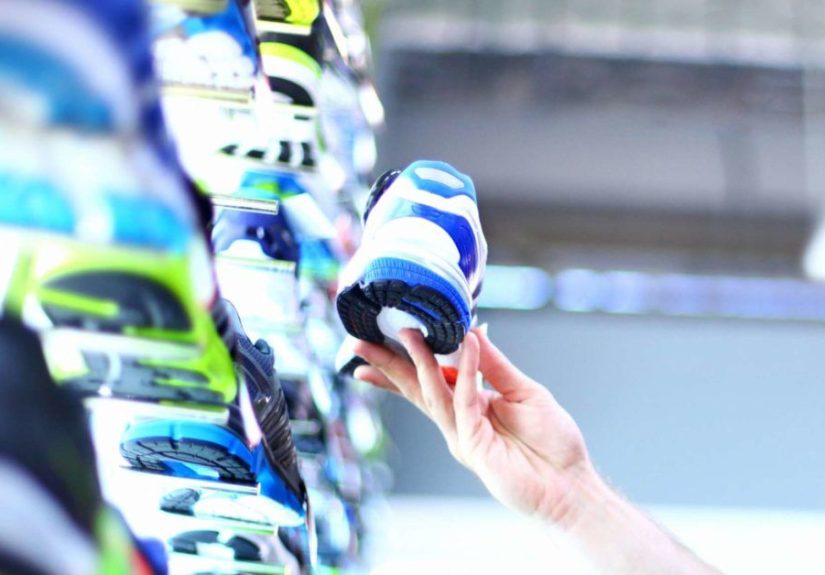
Many people who supinate do well with neutral or cushioned running shoes. Shoes designed primarily to control overpronation may not be the best match for a supination pattern.
If you’re unsure, a running specialty store gait check can help you narrow choices (and save you from owning seven “almost right” shoes).
2) Orthotics and Insoles: Support + Pressure Redistribution
Orthotics (custom or over-the-counter) can help by redistributing pressure, improving comfort, and supporting a high-arched foot.
For some people with painful high arches (pes cavus), custom foot orthoses have shown meaningful improvements in pain and function compared with minimal inserts.
What usually matters most is the right match for your foot and symptoms:
- Arch support that contacts your arch (supportive, not pokey)
- Shock-absorbing materials to reduce impact stress
- Proper fit inside your shoe (no sliding, no crumpling)
If you have significant instability, a clinician may also suggest an ankle brace for certain activitiesespecially during return to sport after sprains.
3) Physical Therapy: Strength, Balance, and Mobility (Where the Magic Happens)
Physical therapy can be a game-changer for excessive supinationespecially if you have recurring ankle sprains, peroneal tendon irritation, or stiffness.
A typical program focuses on three pillars:
Pillar A: Improve Ankle and Calf Mobility
- Calf stretch (knee straight): Targets gastrocnemius. Hold 30–45 seconds, 2–4 rounds.
- Soleus stretch (knee bent): Targets deeper calf. Hold 30–45 seconds, 2–4 rounds.
- Wall ankle rocks: Gentle forward knee-over-toes movement (pain-free range) to build dorsiflexion.
Pillar B: Strengthen the “Anti-Roll” System
- Banded ankle eversion: Loop a resistance band around the forefoot and press outward (away from the midline).
Aim for controlled reps (2–3 sets of 10–15). - Calf raises: Start double-leg; progress to single-leg. Control the lowering phase.
- Tibialis raises: Lean against a wall and lift toes toward shins to strengthen the front of the lower leg.
Pillar C: Balance and Proprioception
- Single-leg balance: 20–45 seconds per side. Progress by turning your head, closing eyes, or standing on a folded towel.
- Star reach (light version): From single-leg stance, tap the other foot in different directionsslow and controlled.
A good program is gradual and specific to your sport and daily life. If pain increases sharply, or you can’t bear weight, that’s a sign to stop and get assessed.
4) Activity Tweaks: Train Smarter, Not Harder
Overuse injuries love sudden changes. If your supination becomes symptomatic, consider:
- Reducing volume temporarily (shorter runs, fewer high-impact sessions)
- Increasing gradually (a conservative weekly progression is often better than “I felt great so I doubled it”)
- Adding low-impact cross-training (cycling, swimming, elliptical) while you rebuild tolerance
- Prioritizing recovery (sleep, nutrition, and rest daysyes, rest days count as training)
5) Managing Pain Flare-Ups and Sprains
If you roll your ankle or flare pain after activity, early care often includes rest and swelling control. A clinician might recommend approaches like
rest/ice/compression/elevation for short-term symptom relief, followed by progressive movement, strengthening, and balance rehab as tolerated.
If you’re a teen, talk with a trusted adult and a healthcare professional before using medications like NSAIDs, and always follow label directions.
6) When Surgery Is Considered (Usually for Significant Cavus Foot Problems)
Surgery isn’t the default for supination. But in cases where high arches are severe, rigid, worsening, or causing major pain and instabilityand conservative care
hasn’t helpedspecialists may consider procedures to improve alignment and function (for example, osteotomies, tendon procedures, or fusions depending on the deformity).
The exact approach depends heavily on the foot’s flexibility, overall alignment, arthritis changes, and the presence of underlying conditions.
When to See a Healthcare Professional
Get checked out if you have any of the following:
- Foot or ankle pain that lasts more than 1–2 weeks despite rest and supportive shoes
- Repeated ankle sprains or a feeling your ankle “gives way”
- Swelling, bruising, or inability to bear weight after an injury
- Numbness, tingling, weakness, frequent tripping, or a rapidly changing arch shape
- Point tenderness in the foot that worsens with impact (possible stress injury)
Prevention Tips (Especially If You Run or Play Sports)
- Rotate shoes so foam can rebound and stress patterns vary.
- Warm up ankles and calves before hard sessions (gentle mobility first, then strength).
- Do balance work 2–4 times per weekshort sessions add up.
- Progress training gradually, especially when adding hills, speed, or jumping drills.
- Don’t ignore “small” ankle sprainsproper rehab reduces repeat sprains.
Frequently Asked Questions
Is supination always bad?
No. Supination is a normal part of walking and runningespecially during push-off. It becomes a problem when it’s excessive during the loading phase,
causing pain, instability, or recurring injuries.
Can I fix supination permanently?
Many people can significantly reduce symptoms and injury risk with the right combination of shoes, orthotics (if needed), strength/balance training, and mobility work.
Foot structure may not “change,” but function and comfort often improve a lot.
Do I need custom orthotics?
Not always. Some people do well with quality over-the-counter inserts and better shoes. Custom orthotics are more useful when pain is persistent,
arches are very high, pressure points are specific, or you’ve tried simpler options without success.
Real-Life Experiences With Foot Supination (And What Actually Helped)
To make this feel less like a textbook and more like real life, here are some common “supinator stories” you’ll hear from runners, gym-goers, weekend walkers,
and people who swear they’re “not athletic” but still manage to rack up 10,000 steps a day.
The “Outer-Heel Mystery”
One of the most classic experiences is noticing your sneakers wear out in a weirdly specific way: the outside heel gets shaved down like it’s been sanding hardwood floors.
At first, it’s kind of funnyuntil your ankle starts feeling unstable, your outer foot aches after long walks, or your knees start sending you strongly worded emails.
What often helps in this scenario is surprisingly basic: switching into a cushioned, neutral shoe with a stable base and adding an insole that actually matches your arch.
The goal isn’t to “force” your foot to do something dramaticit’s to give it enough comfort and support that it stops treating the outside edge like its full-time job.
The “Sidewalk Ankle Roll” Episode
People who supinate a lot often describe the same moment of betrayal: stepping off a curb, walking on uneven ground, or doing a casual pivotand suddenly the ankle rolls.
It’s not always a major sprain, but it’s enough to make you suspicious of all sidewalks forever. The most useful fix is usually not a magical brace you wear once.
It’s consistent rehab: balance drills (yes, the boring single-leg stand), banded ankle eversion, and calf/ankle mobility work. After a few weeks, many people report
feeling more “planted” and less like their ankle is auditioning for slapstick comedy.
The Runner Who Adds Mileage and Finds Out
Another common pattern: training is going greatthen mileage increases, hills get added, or speed work appears, and the outer foot or lower leg starts complaining.
Supination plus a rapid training jump can reduce shock absorption and concentrate stress where you least want it. In real life, what helps is a short reset:
dial down volume for a week or two, add a low-impact day (bike or swim), upgrade footwear if it’s past its prime, and build back with a simple strength circuit
2–3 times per week. People often expect one dramatic fix, but the win usually comes from small, consistent changes.
The “My Feet Are Stiff in the Morning” Crew
Some supinators don’t feel unstablethey feel stiff. The first steps out of bed can feel tight through the calves, Achilles, or the bottom of the foot.
That stiffness can encourage a more rigid gait and more outer-edge loading. The most helpful real-world approach tends to be gentle mobility first:
a minute of ankle rocks, a calf stretch with the knee straight and bent, then a few slow heel raises. It’s like telling your feet, “Good morning, we’re doing walking today.”
The “I Bought Super Minimal Shoes and Regret Everything” Lesson
Minimal shoes can be great for some people, but if you’re a strong supinator with high arches and limited shock absorption, switching too fast can feel like
your feet are taking every step personally. Many people do better reintroducing minimal footwear slowly (if at all), while keeping cushioned, supportive options
for long days. The goal is not to win a shoe philosophy debateit’s to stay active without pain.
Across these experiences, the most consistent success stories usually share the same ingredients: the right shoe for your mechanics, an insert or orthotic when needed,
strength and balance work that targets ankle control, and enough patience to let tissues adapt. It’s not glamorousbut it works, and it beats being enemies with curbs.
Conclusion
Foot supination (underpronation) is commonespecially in people with high archesand it doesn’t automatically mean something is “wrong.”
But when supination is excessive, it can reduce shock absorption and increase the risk of ankle sprains, outer foot pain, and overuse injuries.
The best treatment plan usually starts with supportive, cushioned footwear, then adds targeted strength, balance, and mobility work. Orthotics can help when pain persists
or high arches create pressure problems, and a clinician evaluation is smart if symptoms are ongoing, injuries repeat, or neurological signs appear.