Table of Contents >> Show >> Hide
- Quick Snapshot: What You’re Getting
- What Is “Storm Valley Chronicles” and Why Does This Chapter Matter?
- Meet the City: Storm Valley as a Character
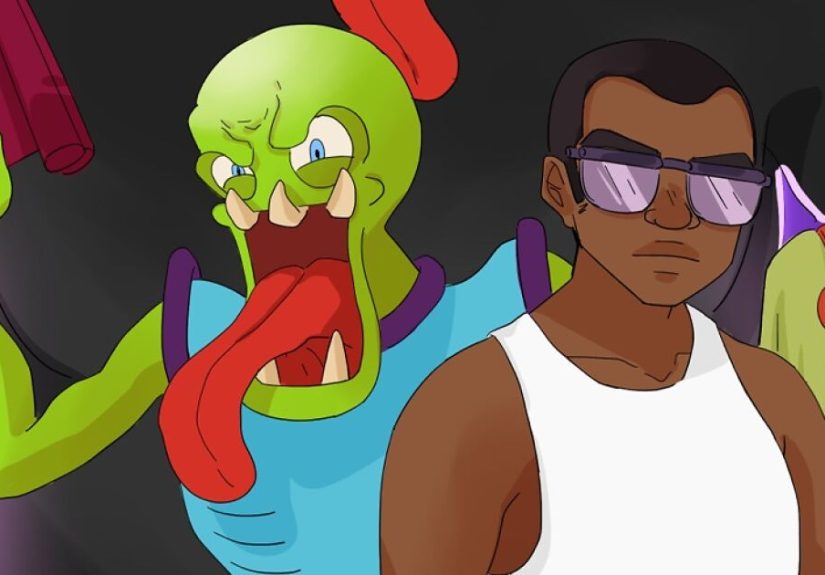
- The Big Three: Professor Faultly, The Imp, and The Symboite
- How the Plot Engine Works: Chaos Meets Consequence
- Why This Story Feels “Comic-Accurate” (In the Best Way)
- Motion Comic Energy: Why the Format Fits Storm Valley
- Where to Start (Without Overthinking It)
- Why Fans of Superhero, Urban Fantasy, and Indie Webcomics Click With This
- Common Questions
- Conclusion: Storm Valley’s Secret Weapon Is Its Contradiction
- Experiences: How It Feels to Dive Into “The Imp And The Symboite” (and the Storm Valley Universe)
Some cities get a mascot. Storm Valley gets a crime problem, a vigilante with a day job, and two mystical troublemakers who sound like they wandered in from a spellbook and a science lab at the same time. Storm Valley Chronicles “The Imp And The Symboite” sits in that sweet spot where indie comics thrive: big ideas, bold names, and a world that’s clearly having funeven when the streets are not.
If you’re here because the title made you squint and go, “Wait… what’s a Symboite?”same. That curiosity is part of the hook. This installment (and the broader Storm Valley Universe around it) leans into superhero-vigilante energy, urban chaos, and creature-driven disruption, then delivers it in modern indie-comics form: motion-comic shorts, webcomic panels, and a creator-led universe that’s building its lore in public.
Quick Snapshot: What You’re Getting
- Genre vibe: urban superhero / vigilante drama with fantastical creature chaos
- Core tension: a “hero or teacher” identity conflict (and Storm Valley doesn’t make it easy)
- Flavor: gritty city stakes, but told with the wink of indie comic worldbuilding
- Signature hook: the arrival of The Imp and The Symboite as catalysts for bigger trouble
What Is “Storm Valley Chronicles” and Why Does This Chapter Matter?
Storm Valley Chronicles is part of a creator-driven indie comic universe associated with Area 613 Comics and the broader Storm Valley setting. In the motion-comic framing, Storm Valley is introduced as a city where crime is normalized enough to make heroism feel like swimming upstream in steel-toed boots. The “Chronicles” approach is smart: it implies an ongoing recordepisodes and arcs that build the city’s mythology over time, not just a single one-and-done plot.
“The Imp And The Symboite” matters because it does what a strong early arc should do: it introduces an outside force that changes the city’s equilibrium. Storm Valley already has criminals, vigilantes, and civic events that could go sideways. Add two mystical entities to the mix and suddenly the whole place feels like a tinderbox with a comedy match hovering nearby.
Meet the City: Storm Valley as a Character
Great superhero stories don’t just have settingsthey have ecosystems. Storm Valley reads like a city built for moral pressure-testing: public good vs. personal safety, civic projects vs. criminal opportunism, and a daily rhythm where “normal” includes the possibility of a fundraising event turning into a super-powered mess.
Crime as Culture (and Why That’s Scarier Than a Single Villain)
A lone villain can be punched. A culture problem can’t. The series frames Storm Valley as the kind of place where crime doesn’t just happenit’s a path people choose, which makes vigilantism feel less like a hobby and more like a second job with terrible benefits. That backdrop gives even smaller episodes weight because every “little” incident reinforces the city’s bigger sickness.
Civic Life Still Exists (Somehow)
One of the more grounded (and oddly endearing) angles in this universe is that the city still tries to function. There are community plans, civic leadership, and initiatives like building a food bankreal-life, human-scale problems that don’t vanish just because a vigilante is doing rooftop cardio at night.
That contrast is the secret sauce: when a story places monster-level conflict beside community-level stakes, the hero’s choices stop being abstract. You’re not just saving “the city.” You’re saving the fundraiser, the neighborhood, the fragile belief that Storm Valley can be improved without becoming a war zone.
The Big Three: Professor Faultly, The Imp, and The Symboite
Professor Faultly: Vigilante With a Resume
Professor Faultly is the kind of protagonist indie universes love: capable, conflicted, and not conveniently detached from regular life. He isn’t simply “The Hero.” He’s also a teachersomeone expected to model stability and ethics during the day. That makes his vigilante identity more than a costume; it’s a contradiction he has to live inside.
Stories about vigilantes often ask: Who gave you the right? Storm Valley goes a step further and asks: What does this cost you? When your day job is educating people and your night job is punching chaos, the line between justice and obsession gets thin fast.
The Imp: Mischief With Teeth
“Imp” is one of those words that carries centuries of baggage: small demon, mischief-maker, trouble in compact form. In superhero storytelling, that’s gold. An imp doesn’t need to be the biggest creature on the page to be the biggest problem. Imps thrive on nudging situations over the edgeturning tension into disaster with a grin.
In this arc’s title logic, The Imp functions like a narrative accelerant: the spark that makes other conflicts burn hotter.
The Symboite: A Name That Suggests Bonding, Corruption, or Both
The spelling “Symboite” is part of the charm because it reads like a creature brand-namesomething specific to this universe. Still, it inevitably echoes “symbiote,” a concept many comic fans associate with bonding, power boosts, and identity erosion. In plain English: it suggests a being that can attachto a person, a goal, a city’s problemsand amplify whatever it touches.
That’s why pairing an Imp with a Symboite is clever. One causes chaos externally; the other hints at chaos that can become internal. One breaks the room. The other might make you wonder whether the room was already broken and you just didn’t notice.
How the Plot Engine Works: Chaos Meets Consequence
The motion-comic framing teases a city where crime is rising and a vigilante questions his path. That’s a classic superhero setupbut it’s effective because it’s honest. When the bad days outnumber the good days, even a committed hero can start asking whether the “hero” part is helping or just feeding the cycle.
Then come the episode-style complications that make this universe feel lived-in: rumors of heists, criminal crews with recognizable names (like the Pachino brothers), and an event that should be wholesomefundraisingbecoming a magnet for disaster. The appearance of a rock monster in the middle of a robbery is exactly the kind of tonal mash-up indie superhero universes do best: grounded problem → organized crime → sudden supernatural escalation.
Specific Example: The Fundraiser Spiral
A fundraiser for a community project is a perfect narrative trap. It’s public, emotional, and full of symbolic value. If criminals hit it, they’re not just stealing money; they’re stealing hope. That forces Professor Faultly to act not just as a fighter, but as a protector of morale. Add the Imp/Symboite factor and you have a pressure cooker where any small disruption can become a citywide panic.
Why This Story Feels “Comic-Accurate” (In the Best Way)
1) The Names Are Loud on Purpose
“Storm Valley.” “Professor Faultly.” “The Imp.” “The Symboite.” These names don’t whisper. They announce themselves like neon signs in the rain. That’s not a flaw; it’s a comic-book traditioncharacters and locations that feel like they belong on a cover.
2) The Conflict Is Both Big and Small
One moment you’re talking about city crime rates and community resources. The next moment: monsters. That scale-switching is a hallmark of superhero storytelling, and it’s especially effective in indie worlds because it keeps the universe elastic. You can tell a grounded story in one episode and swing into supernatural spectacle in the next without breaking the tone.
3) The Hero Has an Actual Life
When a vigilante has a day identity that matters (teacher, professor, mentor), the story gets richer. The hero can’t just disappear into endless action scenes. They have students, responsibilities, and a reputation to protectmeaning every night-time decision has a daylight echo.
Motion Comic Energy: Why the Format Fits Storm Valley
Motion comics live between traditional panels and full animation. That “in-between” status matches Storm Valley’s own identity: between civic reality and comic-book escalation. In practical storytelling terms, motion-comic shorts are great for:
- Fast momentum: episodes can jump directly to the conflict without long setup
- Stylized intensity: small animations, sound, and pacing can heighten noir mood
- Serial structure: recurring problems (crime, vigilantes, new creatures) build naturally over time
If you’re used to reading webcomics, the experience is different: you’re not just “reading,” you’re being guided through a sequence. The best motion comics keep the comic-book DNApanels, framing, emphasiswhile borrowing just enough from animation to control timing and tension.
Where to Start (Without Overthinking It)
If you’re approaching this like a casual viewer, start with the motion-comic shorts that introduce Storm Valley’s vibe and key players. If you’re approaching it like a lore goblin (affectionate), look for the webcomic entries featuring Professor Faultly’s day-to-day, because those tend to clarify his motivations and the city’s baseline before the supernatural stuff spikes the graph.
A Simple “Good Enough” Viewing/Reading Order
- Storm Valley setup: get the city mood and Professor Faultly’s core conflict
- Creature catalyst: “The Imp And The Symboite” as the escalation trigger
- Follow the fallout: stories featuring recurring criminals, civic events, and vigilante teamwork
Why Fans of Superhero, Urban Fantasy, and Indie Webcomics Click With This
This arc is a good fit if you like:
- Street-level heroes who feel the city’s problems instead of floating above them
- Weird creature energy that complicates morality instead of just adding CGI noise
- Indie universes where the creator’s personality shows through the pacing and tone
- Serial storytelling that grows in public (shorts, panels, posts, and community touchpoints)
And if you’re a “one more episode” type, the format is practically designed to bait your attention span in the nicest possible way. (It’s okay. We’ve all been there. You blink and suddenly it’s 2 a.m. and you’re emotionally invested in a city food bank storyline.)
Common Questions
Is “The Symboite” basically a symbiote like in major superhero comics?
The title invites that comparison, but it’s best read as a universe-specific creature concept. Think “in the same conversation” rather than “the same thing.” The fun is in seeing how this world uses the ideabonding, influence, corruption, powerthrough its own characters and stakes.
Is this more comedy or more gritty?
The tone leans gritty in setting (crime, vigilantism, pressure), but the naming, premise, and creature pairing keep it playful. It’s a serious city with a mischievous glitch in the systemand that mix is the point.
Conclusion: Storm Valley’s Secret Weapon Is Its Contradiction
Storm Valley Chronicles “The Imp And The Symboite” works because it embraces contradiction: a teacher who becomes a vigilante, civic optimism in a crime-heavy city, and mystical entities that turn everyday conflicts into “this is absolutely not in the event budget” emergencies. It’s indie superhero storytelling with a clear love for serial chaosand a world that feels expandable.
If you want a universe you can jump into quickly, laugh at the audacity of the names, and then stay for the surprisingly grounded stakes, Storm Valley is worth your time. Just don’t be shocked if you start rooting for the city itself. In a place like this, survival is basically a community sport.
Experiences: How It Feels to Dive Into “The Imp And The Symboite” (and the Storm Valley Universe)
Reading or watching indie comic universes like Storm Valley is a different experience from bingeing a polished studio franchise, and honestly, that’s part of the appeal. You’re not just consuming a finished “product”you’re stepping into an ongoing creative ecosystem where the story and the audience often grow side by side. With “The Imp And The Symboite,” that feeling shows up immediately: the title alone sets expectations that you’re going to get something a little off-kilter, a little bold, and a little unafraid to be weird. That “weird confidence” is a very specific kind of fun.
One common experience is the fast shift from “I’m just checking this out” to “Wait, I actually care what happens to this city.” Storm Valley’s hook isn’t only the monstersit’s the civic detail. When a story includes things like community projects and fundraising alongside vigilantism, you start paying attention differently. You’re not only watching action; you’re watching whether hope survives. That creates an oddly personal reaction: you catch yourself thinking about Storm Valley the way you think about real placeslike, “Come on, city, get it together.” It’s fictional, but the frustration feels familiar.
Another big experience is the way the Imp/Symboite pairing reshapes your expectations. Viewers often bring their own “imp” and “symbiote” baggage into the storymischief, possession, power, corruption, bonding, and all the identity drama that comes with it. Even if Storm Valley’s Symboite is its own thing, the vibe triggers a very human kind of suspense: you start scanning scenes for who might be influenced, who might be tempted, and what “bonding” could mean in this universe. It turns passive viewing into a little detective game. You aren’t just watching events unfold; you’re watching relationships and motives shift.
The motion-comic style also creates a distinct “pace experience.” Instead of controlling the rhythm like you do while reading static panels, you get guided timingbeats land when the episode wants them to land. That can feel more intense, especially in a city-noir setting. Sound, transitions, and controlled reveals can make a simple stare-down feel like a cliffhanger. The flip side is that it can make you appreciate the craft choices: what gets emphasized, when the story pauses, and how much mood can be squeezed from a limited animation approach. It’s a different kind of immersionless “I’m reading” and more “I’m inside the episode.”
If you like engaging with creators and communities, indie universes are a treat because your participation feels closer to the creative pulse. Comment sections, social posts, and platform updates can turn into part of the experiencealmost like a bonus layer of worldbuilding. You may find yourself doing “mini rituals”: checking for new shorts, revisiting earlier episodes to catch details you missed, or comparing how characters feel across formats (shorts vs. webcomic panels). It’s the kind of fandom behavior that sneaks up on you: first you’re sampling, then you’re rewatching, then you’re explaining Professor Faultly’s day/night tension to a friend who didn’t ask (but will thank you later).
And finally, there’s the “creative itch” experience. Storm Valley’s setupvigilantes, criminals, civic stakes, strange creaturesinvites imagination. People who follow indie superhero stories often end up sketching fan art, imagining side stories, or mapping out “what if” scenarios: What if the Imp targets a public event? What if the Symboite bonds with someone unexpected? What if the city’s best hope isn’t a stronger punch, but better community infrastructure? That’s the best compliment a comic universe can earn: it makes you want to play in it. “The Imp And The Symboite” is especially good at that because the concept is open-ended. It doesn’t feel like a sealed box. It feels like a door into a city that can keep getting strangerand more interestingthe longer you stay.