Table of Contents >> Show >> Hide
- Typical Spider Vein Removal Cost in the U.S.
- Why the Price Varies So Much
- Cost Breakdown by Treatment Type
- What’s Included in the Quote (and What Might Be Extra)
- Does Insurance Cover Spider Vein Removal?
- How to Reduce Out-of-Pocket Costs Without Cutting Corners
- What the Procedure Feels Like (So You Can Plan Your Week)
- Frequently Asked Questions About Spider Vein Treatment Costs
- Real-World Experiences: What People Notice About Cost (and What They Wish They’d Known)
- Experience #1: “I thought it was one appointment. It was… not one appointment.”
- Experience #2: “The consultation felt like shopping for a phone plan.”
- Experience #3: “Insurance covered my ultrasound… but not the spider veins.”
- Experience #4: “Compression stockings weren’t expensive… until I needed the good ones.”
- Experience #5: “I was happiest when I treated what bothered me mostnot everything.”
- Conclusion: Budget Smart, Treat Safely, and Don’t Let Pricing Confuse You
Spider veins are like that one group chat you muted months ago: usually harmless, often annoying, and somehow always visible when you least want them to be. If you’re here, you’re probably asking the same questions most people do:
- How much does spider vein removal cost, really?
- Why does one clinic quote $300 and another quote $900 like they’re pricing a luxury handbag?
- Will insurance pay… or will it laugh politely and walk away?
This guide breaks down the average cost of spider vein removal, what’s included, what drives the price up, when insurance might cover related vein treatment, and how to budget without turning your savings account into a sad story.
Typical Spider Vein Removal Cost in the U.S.
In the U.S., most people pay hundreds of dollars per sessionnot thousandswhen treating uncomplicated spider veins. Real-world pricing varies by location and provider, but these ranges show up again and again:
Average cost per session
- Sclerotherapy (injections): often quoted around $300–$400 per session, though many practices land anywhere from the low hundreds to several hundred depending on how much area is treated.
- Laser treatment: often priced similarly or slightly higher per session, especially for specialized lasers or smaller targeted areas.
Reality check: “Per session” pricing matters because spider veins commonly need multiple sessions. Many people see improvement after one visit, but it’s common to need 2–4 sclerotherapy sessions or multiple laser sessions depending on severity and how your veins respond.
What people actually spend (common totals)
Here are example “ballpark totals” you may see in the U.S., assuming no insurance coverage for cosmetic spider vein treatment:
- Mild, small clusters: 1–2 sessions → roughly $300–$1,000
- Moderate coverage (both legs, scattered areas): 2–4 sessions → roughly $800–$2,500
- Extensive or mixed vein issues: 4+ sessions (or combo treatments) → $2,000+ depending on complexity
These aren’t promisesjust a budgeting framework. Your quote depends on the details below.
Why the Price Varies So Much
If spider vein removal had one price tag, this article would be about 11 words long and you wouldn’t need me. But cost varies because vein treatment is more like “custom tailoring” than “one-size-fits-all.”
1) Where you live (and where the clinic pays rent)
Major metros and high-cost areas tend to charge more. A clinic in Manhattan doesn’t have the same overhead as a clinic in a smaller city. Same procedure, different zip code math.
2) How many veins (and how big the treatment area is)
Treating a small patch near the ankle is different from treating both legs with multiple networks. Some clinics price by:
- Session
- Time block (e.g., 30 minutes)
- Area (one leg vs both legs)
- Number of injections or amount of solution used
3) Treatment type and technology
Sclerotherapy is often considered the go-to for many leg spider veins. Lasers can be great for certain patterns, skin tones, and tiny vessels, but devices and settings can influence cost.
4) Provider training and specialty
Dermatologists, vascular specialists, and vein clinics may price differently. In general, expertise can be worth paying forespecially when technique affects results and reduces unwanted side effects like staining or “matting” (those tiny new vessels that can show up after treatment).
5) Medical evaluation needs (especially if symptoms exist)
If you have symptoms beyond appearancelike aching, swelling, heaviness, skin changes, or a history suggesting venous diseaseyour provider may recommend a duplex ultrasound or a deeper vein evaluation. That can add cost up front, but it can also prevent you from paying for cosmetic fixes that don’t last because the underlying issue wasn’t addressed.
Cost Breakdown by Treatment Type
Sclerotherapy (the injection approach)
Sclerotherapy uses a tiny needle to inject a solution into the vein, irritating the lining so it collapses and fades over time. It’s commonly used for spider veins and small varicose veins and is typically done in-office.
Cost drivers: number of injections, size of area, number of sessions, and whether a more complex technique is used. Many people need multiple sessions spaced out over weeks.
Laser therapy (light-based treatment)
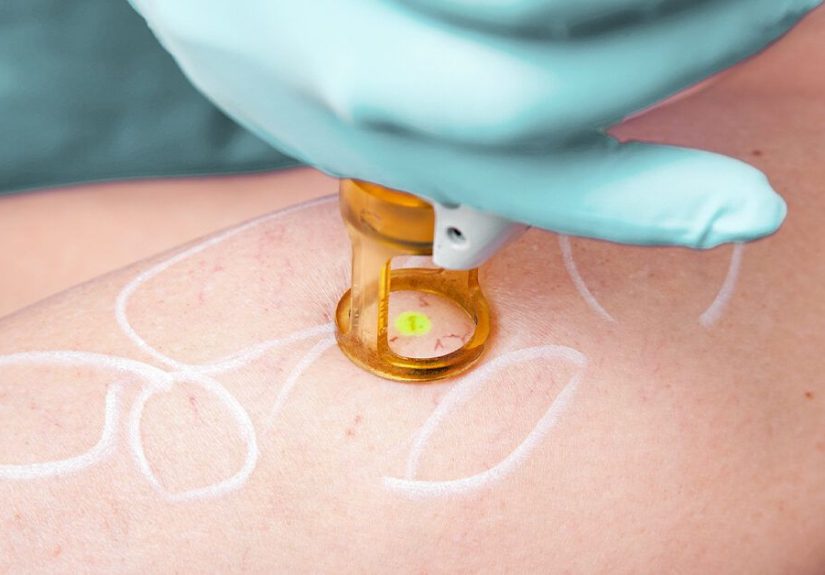
Laser treatment targets the vein with focused light. Dermatologists commonly use lasers for spider veins and small varicose veins, and it can be especially useful for tiny vessels or for people who aren’t ideal candidates for injections in certain spots.
Cost drivers: type of laser, size of the area, number of sessions, and clinic pricing structure.
Combination treatment (common in real life)
Some people do best with a mixsclerotherapy for the “bigger webbing” and laser for stubborn tiny lines. Combination plans can raise total cost, but may improve results when used strategically.
What’s Included in the Quote (and What Might Be Extra)
A quote is only useful if you know what it includes. When comparing clinics, ask for a clear breakdown. Common line items include:
Often included
- Provider time and treatment supplies (injections or laser use)
- Basic aftercare instructions
- Standard follow-up scheduling
Sometimes extra
- Consultation fee: Some clinics apply it to treatment if you proceed; others keep it separate.
- Ultrasound testing: More common when symptoms suggest deeper venous disease.
- Compression stockings: Often recommended after sclerotherapy; you may need to buy them separately.
- Touch-up sessions: Some packages include them, some don’t.
- Medications or topical products: Usually minor, but can add up.
Tip: If a clinic advertises a very low per-session number, ask, “Is that for one small area, or does it cover both legs?” Low prices can be legitjust make sure you’re comparing the same “unit of treatment.”
Does Insurance Cover Spider Vein Removal?
Here’s the short, honest answer: insurance usually does not cover spider vein treatment when it’s cosmetic. Spider veins (telangiectasias) are commonly treated for appearance, and cosmetic procedures are typically out-of-pocket.
When insurance may cover vein care
Insurance is more likely to help pay when treatment is medically necessary, such as when you have:
- Evidence of chronic venous insufficiency (poor vein valve function)
- Symptomatic varicose veins (pain, heaviness, swelling, skin changes, ulcers)
- Documented reflux on ultrasound
- Complications like skin breakdown or recurrent inflammation
Important nuance: even if insurance covers medically necessary treatment for underlying vein disease, it may still not cover cosmetic cleanup of remaining spider veins afterward.
Medicare coverage (the big headline)
Medicare coverage rules depend on medical necessity and local coverage policies. In Medicare guidance for lower-extremity varicose vein treatment, treatment of telangiectasias (spider veins) is not covered. Coverage focuses on symptomatic disease and specific medical criteria.
What insurers typically require (before saying “yes”)
Policies vary, but many plans want documentation like:
- A medical evaluation showing symptoms and impact on daily life
- Duplex ultrasound results (if indicated)
- A trial of conservative measures (often compression stockings for a set period)
- Photos and clinical notes supporting medical necessity
- Prior authorization before procedures
Practical takeaway: If your primary goal is cosmetic improvement only, plan for self-pay. If you have symptoms, it may be worth getting evaluated for underlying venous diseasebecause that’s the category insurance is built to address.
How to Reduce Out-of-Pocket Costs Without Cutting Corners
Saving money is great. Saving money by picking the sketchiest option is… less great. Here are budget-friendly moves that still respect your legs.
1) Get 2–3 consultations (and compare the plan, not just the price)
Ask each provider:
- How many sessions do you expect for my case?
- What method do you recommend and why?
- What’s included in the fee?
- What side effects are most common in your patients?
2) Ask about packages or treatment bundles
Some clinics offer multi-session packages (e.g., pay for 3 sessions, get a reduced rate). This can lower your per-session costespecially if you already know you’ll need multiple visits.
3) Use HSA/FSA funds if eligible
Whether you can use an HSA/FSA depends on whether the expense is considered medical vs cosmetic. If you have symptoms and medical documentation, you may have more flexibility. Always confirm with your plan administrator.
4) Consider timing and maintenance strategy
Spider veins can recur or new ones can appear over time. Some people choose a “maintenance mindset”: treat the most noticeable areas first, then do periodic touch-ups rather than trying to erase every line in one sprint.
5) Ask about financingbut read the terms
Many practices offer payment plans or third-party financing. Useful? Yes. Free money? No. Make sure you understand interest rates and the payoff timeline.
What the Procedure Feels Like (So You Can Plan Your Week)
Most spider vein treatments are outpatient and don’t require general anesthesia. People often describe sclerotherapy as quick pinches and mild stinging, while laser can feel like little snaps of heat on the skin.
Downtime and aftercare
- You may be advised to walk soon after treatment to keep circulation moving.
- Compression stockings are commonly recommended after sclerotherapy.
- Bruising, redness, and temporary discoloration can happen and often fade over weeks to months.
Safety note: While these treatments are generally considered safe when performed by trained clinicians, like any procedure they carry risks. Make sure your provider reviews your history, medications, and any clotting risk factors before treatment.
Frequently Asked Questions About Spider Vein Treatment Costs
How many sessions will I need?
It depends on the amount of spider veins, how your body responds, and whether you have underlying venous disease. Many people need multiple sessions, and providers often schedule them weeks apart.
Is the cheapest option a bad idea?
Not automatically. Some reputable clinics price competitively. The red flag is “cheap plus vague.” If a clinic won’t explain what’s included, expected sessions, or who performs the procedure, keep shopping.
Do results last?
Treated veins can fade and not return, but new spider veins can appear over time (genetics, hormones, prolonged standing, pregnancy history, and vein valve issues can all play roles). Some people choose occasional maintenance treatments.
Can I get insurance coverage if my legs ache?
Possiblybut aching alone doesn’t guarantee coverage. Insurers usually look for documented venous disease and medical necessity criteria. A vein evaluation can clarify whether your symptoms are vein-related or due to another cause.
Real-World Experiences: What People Notice About Cost (and What They Wish They’d Known)
Let’s talk about the part that doesn’t show up on price sheets: the “human experience” of paying for spider vein removal. People’s stories tend to fall into a few familiar patternslike sitcom episodes, but with more compression stockings.
Experience #1: “I thought it was one appointment. It was… not one appointment.”
A common surprise is that the first quote you hear is rarely the full story unless it includes a plan. Many people go in expecting one session and leave realizing their provider is thinking in phases: treat the most noticeable clusters first, then reassess, then do a second (or third) pass. The cost isn’t necessarily higher than expected per sessionit’s the number of sessions that changes the total.
What helps: asking upfront, “If your best friend had my legs, how many sessions would you budget for?” It’s not a legally binding estimate, but it forces a realistic conversation.
Experience #2: “The consultation felt like shopping for a phone plan.”
Some clinics price by time, some by area, some by session, and some by “levels” (small/medium/large treatment). Patients often report that the most confusing part isn’t the treatmentit’s comparing quotes that aren’t using the same measuring stick. One person might get a $350 quote for a small area, while another clinic quotes $650 for both legs, and suddenly it feels like everyone is making up numbers.
What helps: asking each clinic to write the quote in the same format: area treated + expected sessions + what’s included. Once you standardize the comparison, the “mystery pricing” gets a lot less mysterious.
Experience #3: “Insurance covered my ultrasound… but not the spider veins.”
This is a big one. People with leg heaviness, swelling, or aching sometimes discover an underlying vein issue during evaluation. In those cases, insurance may help cover diagnostic testing or medically necessary treatment for varicose veins or venous refluxbut the cosmetic spider vein cleanup can still be self-pay. Patients often describe this as half good news (help with medical care) and half “oh no” (still paying out-of-pocket for appearance).
What helps: thinking of it as two separate goals. One is health and symptoms (insurance-friendly if criteria are met). The other is cosmetic refinement (often self-pay). When you separate them mentally, budgeting gets clearer and less frustrating.
Experience #4: “Compression stockings weren’t expensive… until I needed the good ones.”
Aftercare costs are usually smaller than treatment fees, but they can still surprise people. Some try inexpensive compression socks and then upgrade for comfort, fit, and durabilityespecially if they’re wearing them for long days on their feet. Others realize they want a second pair so laundry doesn’t become a daily sport. It’s not the main cost driver, but it’s a real-life detail people mention often.
Experience #5: “I was happiest when I treated what bothered me mostnot everything.”
One of the most consistent “satisfaction patterns” is that people feel best when they focus on the veins that truly bother themlike the cluster they notice every time they sit by the pool or the patch that shows up in every photorather than chasing perfection across both legs in one round. That approach spreads out costs, reduces the feeling of sticker shock, and often leads to better decision-making about whether touch-ups are worth it later.
Bottom line from real-life experiences: the best cost outcomes usually come from clear expectations (sessions + inclusions), honest evaluation of medical vs cosmetic goals, and a plan that fits your budget instead of pressuring you into an all-at-once makeover.
Conclusion: Budget Smart, Treat Safely, and Don’t Let Pricing Confuse You
Spider vein removal cost is typically a per-session expense that can add up depending on how many sessions you need, what treatment method is used, and whether there’s an underlying vein condition. In most cases, cosmetic spider vein treatment is out-of-pocket, while insurance is more likely to cover treatment tied to medical necessity (symptoms and documented venous disease).
If you do three things, you’ll be ahead of the game: (1) get a quote that includes an estimated number of sessions, (2) confirm what’s included and what’s extra, and (3) choose a qualified provider who treats veins all daynot as a side quest.