Table of Contents >> Show >> Hide
- What Is Spicy Sichuan Eggplant?
- Why Chinese Eggplant Works Best
- The Flavor Profile: Why This Dish Hits So Hard
- Ingredients for a Home-Friendly Version
- How to Make Spicy Sichuan Eggplant
- Tips for Better Texture and Bigger Flavor
- Common Mistakes to Avoid
- Easy Variations
- What to Serve with Spicy Sichuan Eggplant
- Why This Dish Is Worth Making Again and Again
- Cooking and Eating Spicy Sichuan Eggplant: The Experience
- Conclusion
If you have ever ordered eggplant at a Sichuan restaurant and wondered how a vegetable with the reputation of a damp sponge turned into something silky, glossy, spicy, and wildly snackable, welcome to the club. Spicy Sichuan eggplant is the kind of dish that makes people point at the plate and say, “Wait, this is eggplant?” with the same stunned tone usually reserved for surprise bonus checks and dogs that can skateboard.
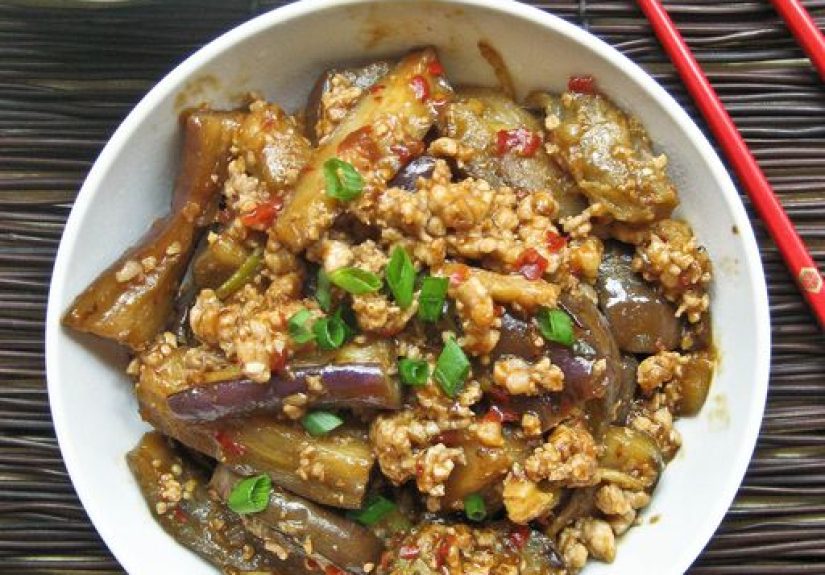
At its best, this dish is soft without being mushy, bold without being chaotic, and spicy in a way that keeps calling you back for one more bite. The flavor usually lands in a beautiful little storm of garlic, ginger, soy sauce, vinegar, sugar, scallions, and chile heat. Some versions use doubanjiang, the savory fermented chile-bean paste that gives the sauce depth and attitude. Some lean sweeter. Some add pork. Some go fully vegetarian. The common thread is this: tender eggplant plus a shiny, spicy sauce equals dinner heroics.
This guide breaks down what spicy Sichuan eggplant is, why it tastes so good, how to make it at home without turning your stove into an oil slick, and how to avoid the usual eggplant disasters. Then, because the topic deserves a little extra love, you will also get a longer reflection at the end about the experience of cooking and eating it.
What Is Spicy Sichuan Eggplant?
Spicy Sichuan eggplant is a Chinese-style eggplant dish inspired by Sichuan cooking, known for layered flavors that are savory, hot, aromatic, and often slightly sweet and tangy. Depending on the recipe, it may resemble yu xiang qiezi, often called “fish-fragrant eggplant,” which contains no fish at all. The name points to a classic Sichuan flavor profile traditionally used in fish dishes: garlic, ginger, pickled chiles or chile paste, vinegar, and a little sweetness.
In home kitchens across America, the dish often shows up as eggplant in garlic sauce, Sichuan eggplant, Szechuan eggplant stir-fry, or spicy braised eggplant. The labels may change, but the spirit stays the same: eggplant cooked until buttery and then coated in a punchy sauce that is excellent over rice and extremely dangerous around people who say they are “just having a few bites.” They are lying. They will finish the bowl.
Why Chinese Eggplant Works Best
For this dish, Chinese eggplant is the VIP. It is longer, slimmer, and usually lighter purple than the big globe eggplants found in many supermarkets. It also tends to have thinner skin, fewer seeds, and a sweeter, milder flavor. That means it cooks faster and turns tender without developing the bitter, bulky personality that can make some eggplant dishes feel like a chore.
If you cannot find Chinese eggplant, Japanese eggplant is the next best choice. It is similarly slender and cooks beautifully in a stir-fry or braise. Standard globe eggplant can work in a pinch, but it is thicker, seedier, and more likely to drink oil like it is on vacation. If you use globe eggplant, cut it into smaller pieces and keep an eye on texture.
The Flavor Profile: Why This Dish Hits So Hard
The magic of spicy Sichuan eggplant is balance. The sauce is not just hot. It is savory from soy sauce and often chile-bean paste, aromatic from garlic and ginger, bright from vinegar, and rounded out with a bit of sugar. That sweet-salty-sour-spicy combination gives the eggplant structure, so every bite tastes complex instead of flat.
Many versions also include scallions for freshness and cornstarch for that glossy, clingy finish that makes restaurant-style sauces so irresistible. Some cooks add sesame oil at the end for nuttiness. Others add ground pork for richness. If you want the full Sichuan wink, a pinch of toasted, ground Sichuan peppercorn can add the signature citrusy tingle known as málà, the famous hot-and-numbing sensation. It is optional, but it is also a very fun flex.
Ingredients for a Home-Friendly Version
For the eggplant
- 1 1/2 pounds Chinese or Japanese eggplant
- 2 to 3 tablespoons neutral oil
- 2 scallions, sliced
- 1 tablespoon minced ginger
- 4 cloves garlic, minced
For the sauce
- 2 tablespoons soy sauce
- 1 tablespoon dark soy sauce or extra soy sauce
- 1 to 1 1/2 tablespoons Chinkiang black vinegar or rice vinegar
- 1 to 2 teaspoons sugar
- 1 tablespoon doubanjiang or chile-garlic sauce
- 1/2 cup water or low-sodium broth
- 1 teaspoon cornstarch mixed with 1 tablespoon water
- 1/4 teaspoon toasted ground Sichuan peppercorn, optional
- 1 teaspoon sesame oil, optional
This ingredient list keeps the dish accessible without draining the soul out of it. If you can find doubanjiang, use it. It brings savory depth that plain hot sauce cannot quite fake. If not, chile-garlic sauce will still give you a tasty result. Nobody from the Eggplant Police is kicking down your front door.
How to Make Spicy Sichuan Eggplant
1. Cut the eggplant properly
Slice the eggplant into thick batons, long wedges, or chunky diagonal pieces. The goal is enough surface area to brown well while keeping the interior creamy. Tiny cubes tend to collapse. Huge chunks take forever. Think bite-size, not brick-size.
2. Mix the sauce before you start cooking
Stir together the soy sauce, vinegar, sugar, doubanjiang, water or broth, and cornstarch slurry separately. Stir-frying moves fast. This is not the moment to realize the vinegar is still in the pantry while your garlic is trying to become charcoal.
3. Pre-cook the eggplant with high heat
Heat a wok or large skillet until hot, then add oil and the eggplant. Cook until the pieces are tender and browned in spots. You want the flesh silky and the edges a little scorched. This is where the dish builds its flavor. Some recipes fry the eggplant more deeply, but a good pan-sear works beautifully at home and uses less oil.
4. Add aromatics
Once the eggplant is nearly tender, add the ginger, most of the garlic, and the white parts of the scallions. Stir for about 30 seconds, just until fragrant. Do not wander off. Garlic burns fast, and bitter garlic is the culinary equivalent of stepping on a Lego.
5. Pour in the sauce and braise briefly
Add the sauce mixture and toss well. Let it simmer for a minute or two until it thickens and coats the eggplant. Add a splash more water if it looks too thick. Add the remaining garlic and the green scallion parts near the end for a fresher finish.
6. Finish and serve
Turn off the heat and drizzle with sesame oil if using. Add ground Sichuan peppercorn if you want extra lift. Serve immediately over steamed white rice, jasmine rice, or brown rice. A side of cucumber salad or simple greens helps balance the richness.
Tips for Better Texture and Bigger Flavor
Do not drown the pan in oil
Eggplant is famous for soaking up oil fast. That does not mean you need half a bottle. Start with a moderate amount, let the pan stay hot, and add only a little more if the pieces are clearly dry and stubborn. A hard sear plus a brief braise can get you silky eggplant without the heavy finish.
Do not overcook it into pudding
Tender is the goal. Collapse is not. The best spicy Sichuan eggplant still has shape, even though the inside is creamy. If you stir it endlessly after it is done, it will give up and become purple mush with a sauce problem.
Use vinegar wisely
Black vinegar adds depth and a malty edge. Rice vinegar tastes lighter and sharper. Either can work, but black vinegar gives the dish more of that dark, takeout-style complexity. Add enough for brightness, not enough to make everyone at the table blink like confused housecats.
Build heat in layers
Doubanjiang brings more than heat. It also adds savoriness and funk. Fresh chiles add brightness. Sichuan peppercorn adds aroma and tingle. Red pepper flakes add straightforward fire. You do not need all of them, but using at least two creates a more interesting heat profile.
Common Mistakes to Avoid
- Using a crowded pan: The eggplant steams instead of browns.
- Skipping the sauce prep: Stir-fry timing is too fast for improvisation theater.
- Adding all the garlic at once: Some should go in earlier, some later for better flavor.
- Making the sauce too sweet: Sugar should support the sauce, not hijack it.
- Serving it without rice or another base: The sauce deserves a landing pad.
Easy Variations
With ground pork
Brown a few ounces of ground pork before cooking the eggplant. It adds richness and a savory backbone that works especially well with chile-bean paste.
Vegetarian or vegan
Skip the pork and use broth or water. The dish is still deeply satisfying, especially if you use doubanjiang, soy sauce, and black vinegar. Tofu also makes a great add-in.
Extra spicy
Add sliced fresh red chile, a little chili oil, or more doubanjiang. Just remember that eggplant is a sponge for flavor. A little extra heat can go a long way.
Less spicy
Use less doubanjiang, skip extra chiles, and let garlic, ginger, soy, and vinegar carry the dish. You will still get the Sichuan-inspired profile without setting off a five-alarm mouth fire.
What to Serve with Spicy Sichuan Eggplant
This dish loves plain rice, because plain rice has the good manners to stay out of the way. It also pairs well with noodles, steamed bok choy, garlicky green beans, smashed cucumbers, or pan-fried tofu. If you are making it part of a larger meal, combine it with milder dishes so the eggplant can be the loud, spicy star it was clearly born to be.
Why This Dish Is Worth Making Again and Again
Spicy Sichuan eggplant earns a permanent place in the dinner rotation because it feels special without being difficult. It is quick enough for a weeknight, dramatic enough for guests, and flexible enough for different diets. It also solves a very specific problem: what to make when you want vegetables, but you want them to feel thrilling rather than virtuous.
That is really the charm of the dish. It does not ask you to admire eggplant in an abstract, healthy-lifestyle way. It asks you to enjoy it in a sauce that is garlicky, spicy, glossy, and deeply comforting. And honestly, that is the kind of emotional support vegetable more dinners need.
Cooking and Eating Spicy Sichuan Eggplant: The Experience
There is something oddly dramatic about making spicy Sichuan eggplant for the first time. You start with a vegetable that feels suspiciously light, almost too innocent, and within minutes your kitchen smells like you know exactly what you are doing. Garlic hits the hot pan. Ginger follows. The sauce loosens and goes glossy. Suddenly, the whole room smells like the kind of place where people order extra rice on purpose.
The first surprise is the texture. A lot of people think eggplant is either mushy or forgettable, which is unfair but understandable. When cooked this way, though, it becomes silky and almost luxurious. The edges turn tender and browned, the inside goes soft and buttery, and the sauce clings to every crevice like it paid rent to live there. You bite into it expecting “vegetable,” and instead you get something rich, savory, and deeply satisfying.
The second surprise is how social the dish feels. Even if you are cooking alone, spicy Sichuan eggplant has dinner-party energy. It is colorful, shiny, and dramatic on the plate. People notice it. They ask what is in it. They pretend to be polite and take a modest spoonful, then immediately circle back for more. It is one of those dishes that makes everyone look smarter for having chosen it.
There is also the fun of adjusting the heat. Some nights you want a gentle glow, the kind of spice that warms your cheeks and makes plain rice taste fantastic. Other nights you want the full Sichuan adventure: chiles, peppercorn, depth, brightness, and that little electric tingle that makes your lips go, “Oh, we are doing this.” The dish can handle both moods, which makes it feel personal in a way many recipes do not.
And then there is the comfort factor. Spicy Sichuan eggplant is bold, yes, but it is also cozy. Served over hot rice, it hits the same emotional zone as many favorite comfort foods. It is saucy, warm, filling, and deeply aromatic. It feels like takeout in the best sense, but fresher and more alive. You get that restaurant-style satisfaction without the extra wait, extra cost, or mystery container of sauce lurking in the back of the fridge three days later.
What really stays with you, though, is how it changes your relationship with eggplant. After a good plate of spicy Sichuan eggplant, eggplant stops being that vegetable you buy with vague ambition and then ignore until it wrinkles. It becomes something you crave. Something you plan around. Something that makes you think, “Maybe dinner does not need meat tonight. Maybe dinner just needs garlic, chiles, and a very cooperative bowl of rice.”
That is why this dish tends to become a repeat favorite. It is not just delicious. It is memorable. It turns a humble ingredient into something lush and exciting, and it makes the cook feel a little more confident, a little more adventurous, and a lot more likely to start saying things like, “I can make that at home.” Which, after one successful skillet of spicy Sichuan eggplant, is not bragging. It is simply the truth.
Conclusion
Spicy Sichuan eggplant is proof that one well-cooked vegetable can absolutely steal the show. With the right eggplant, a hot pan, and a sauce that balances spicy, savory, tangy, and lightly sweet flavors, you get a dish that tastes far bigger than its ingredient list. Whether you make it as a quick side, a vegetarian main, or a restaurant-style dinner centerpiece, it delivers comfort, excitement, and serious flavor in every glossy bite.