Table of Contents >> Show >> Hide
- What Sour Cream Is (and Why It’s So Useful)
- Buying, Storing, and Food-Safety Smarts
- Sour Cream Science: How to Cook With It Without Curdling
- Sour Cream Recipes: Easy Wins for Any Day of the Week
- 1) Five-Minute Creamy Herb Dip (aka “The Disappearing Bowl”)
- 2) Taco-Lime Crema (Restaurant Vibes, Zero Drama)
- 3) Loaded Baked Potato Dip (All the Toppings, None of the Waiting)
- 4) Creamy Paprika Skillet Chicken (Weeknight “Fancy”)
- 5) Sour Cream Coffee Cake Shortcut (Brunch Hero Energy)
- 6) No-Bake Tangy Berry Spoon-Over (Dessert Without a Declaration)
- Smart Substitutions (When You’re Out of Sour Cream)
- Tips and Hints That Save the Day
- Quick FAQ
- Conclusion: Treat Sour Cream Like the MVP It Is
- Extra: Real-Kitchen Experiences With Sour Cream (The Relatable Stuff)
Sour cream is that humble tub in the fridge that somehow ends up doing the most. It’s a sauce, a
dip, a baking secret, a “save-my-soup” sidekick, and (on taco night) basically a condiment with
emotional-support credentials. If you’ve ever bought sour cream for one recipe and then spent two
weeks playing “What else can I put this on?”good news: you’re about to win that game.
This guide pulls together the most practical, real-kitchen advice: how sour cream behaves, how to
store it safely, how to stop it from curdling, and a bunch of easy, high-impact ways to use it so
you’re not left scraping the bottom of a forgotten container like a dairy archaeologist.
What Sour Cream Is (and Why It’s So Useful)
Cultured dairy, explained like a normal person
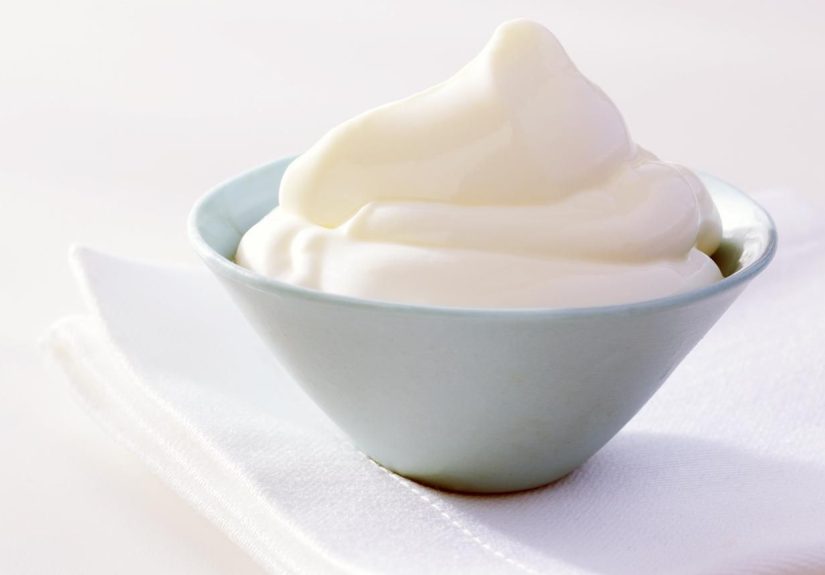
Sour cream is cream that’s been “cultured” with friendly lactic-acid bacteria. Those cultures
gently acidify and thicken the cream, giving sour cream its tang and body. That acidity is the
magic trick: it brightens rich foods, balances spicy dishes, and helps baked goods taste fuller
instead of flat.
One quick heads-up: not all sour cream is identical. Some brands include stabilizers so it stays
thicker and smoother (especially the reduced-fat ones). That can be helpful for dips, but it also
means different brands may behave slightly differently in hot dishes.
Sour cream vs. Greek yogurt vs. crème fraîche
Sour cream is tangier than crème fraîche and usually less heat-stable. Crème fraîche has a higher
fat content and tends to handle simmering without breaking, while sour cream can curdle if it gets
too hot too fast. Greek yogurt is often thicker and higher in protein; it can also split in heat
unless treated gently. Translation: sour cream is amazing, but it prefers a soft lifelower heat,
no boiling, and a graceful entrance at the end.
Buying, Storing, and Food-Safety Smarts
How long does sour cream last?
When continuously refrigerated at 40°F or below, sour cream is commonly considered
usable for up to about three weeks (even opened), though the best indicator is still
how it looks, smells, and tastes. Store it on a fridge shelf toward the back where temperatures are
steadiernot in the door where warm air hits it every time someone goes in for “just one snack.”
Signs your sour cream has clocked out
- Mold (even a little): don’t scoop around ittoss it.
- Pink, orange, or gray discoloration: that’s a no.
- Off odor: sour is fine; funky, yeasty, or rancid is not.
- Texture shift: a little liquid (whey) on top can be normal; thick clumps + watery puddles + weird smell is a sign to stop.
Can you freeze sour cream?
Freezing can keep it safe, but it usually comes back with a changed personality: grainy texture and
watery separation are common. If you freeze it, plan to use the thawed sour cream in
baking or blended dishes where texture is less noticeable (think: muffins, cakes, or
a creamy casserole), not as a pretty dollop on chili.
Power outage rule of thumb
If the power goes out, keep the fridge door closed. A refrigerator typically keeps food safe for
about 4 hours without power. After that, perishable itemsincluding dairycan become
risky, especially if they warm above safe temperatures.
Sour Cream Science: How to Cook With It Without Curdling
Why sour cream curdles in hot dishes
Sour cream is acidic and contains milk proteins. High heat can cause those proteins to tighten and
separate from the liquid, giving you that dreaded grainy, broken texture. This is why sour cream is
happiest when it’s added at the end, off heat, or gently warmednot boiled like it owes you money.
Three anti-curdling moves that actually work
- Temper it: whisk a few spoonfuls of hot broth or sauce into the sour cream in a
bowl, then stir that mixture back into the pot. - Lower the heat: simmer gently and avoid boiling once sour cream is in the mix.
- Use a stabilizing base: sauces thickened with a roux (fat + flour) are more forgiving.
Why bakers love sour cream
In baking, sour cream adds moisture and richness without thinning batter the way milk might. Its
acidity can also play nicely with baking soda, helping lift and tenderize cakes, muffins, and quick
breads. The result is often a soft, plush crumb with a subtle tang that makes sweet flavors taste
more “awake.”
Sour Cream Recipes: Easy Wins for Any Day of the Week
Below are practical recipes that don’t require a culinary degreejust a spoon, a bowl, and the
willingness to taste as you go (the most enjoyable “quality control” job on earth).
1) Five-Minute Creamy Herb Dip (aka “The Disappearing Bowl”)
Best for: chips, veggies, wings, fries, and “I’m just having a few bites” situations.
- 1 cup sour cream
- 1–2 teaspoons lemon juice (or a splash of pickle brine for chaos-good tang)
- 1 small garlic clove, grated (or 1/2 tsp garlic powder)
- 1–2 tablespoons chopped herbs (dill, chives, parsleywhatever’s alive in your fridge)
- Salt + black pepper
Stir everything together. Let it sit 10 minutes if you can (flavor blooms), or eat it immediately
if you can’t (also valid). If it’s too thick, add a teaspoon of water or milk at a time.
2) Taco-Lime Crema (Restaurant Vibes, Zero Drama)
Best for: tacos, burrito bowls, roasted sweet potatoes, grilled corn.
- 1/2 cup sour cream
- 1–2 tablespoons lime juice
- Pinch of salt
- Optional: chipotle powder, cumin, or hot sauce
- Water to thin (start with 1 teaspoon, go slowly)
Whisk until smooth and drizzle-able. This is the sauce that makes “leftovers” feel like “a plan.”
3) Loaded Baked Potato Dip (All the Toppings, None of the Waiting)
Best for: parties, game night, or when you want comfort food to bring you comfort.
- 1 cup sour cream
- 1/2 cup shredded cheddar
- 2 tablespoons chopped green onions or chives
- 2–4 tablespoons cooked, crumbled bacon (optional, but persuasive)
- Salt + pepper
Mix and chill for 15 minutes if possible. Serve with chips, celery, or wedges of baked potato if
you’re leaning into the theme like a professional.
4) Creamy Paprika Skillet Chicken (Weeknight “Fancy”)
Best for: pasta, rice, egg noodles, mashed potatoes.
- 1–1.5 pounds chicken thighs or breasts
- 1 tablespoon oil + 1 tablespoon butter
- 1 onion, sliced
- 2–3 teaspoons sweet paprika (smoked paprika also works)
- 1 cup chicken broth
- 3/4 cup sour cream
- Salt + pepper
- Season chicken with salt and pepper. Brown in oil/butter; set aside.
- Sauté onion until soft. Stir in paprika for 30 seconds (wake up the spice).
- Add broth and scrape up browned bits. Simmer gently.
- Temper the sour cream with a bit of hot liquid, then stir it back in off heat.
Return chicken, warm through gently, and serve.
The sour cream turns the sauce silky and tangylike it went to finishing school but still knows
how to have fun.
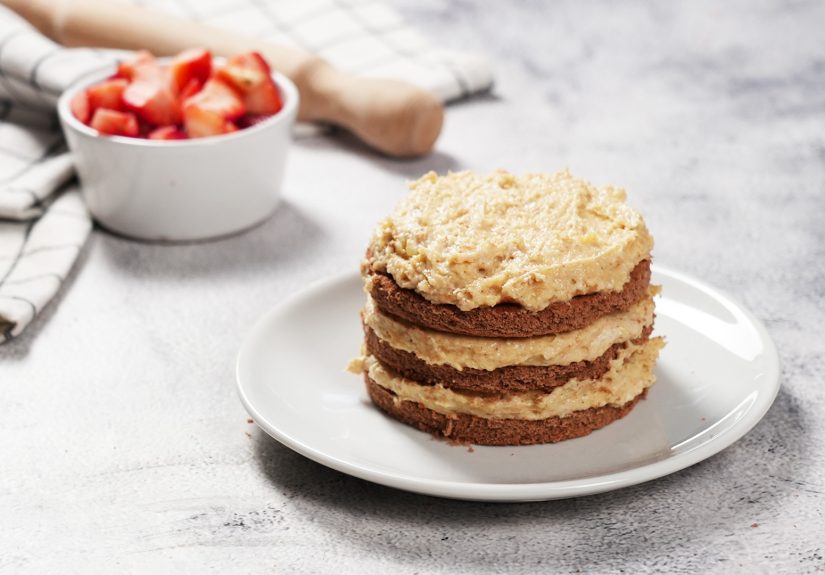
5) Sour Cream Coffee Cake Shortcut (Brunch Hero Energy)
Sour cream is a classic move in coffee cake because it keeps the crumb tender and moist. If you
already have a favorite crumb cake recipe, sour cream often fits right in where yogurt or
buttermilk would go, adding richness and a gentle tang.
Quick hint: If your cake uses baking soda, sour cream’s acidity helps it rise.
If it uses baking powder only, sour cream still improves texture and flavor.
6) No-Bake Tangy Berry Spoon-Over (Dessert Without a Declaration)
Best for: fruit, pound cake, waffles, brownies, “I’ll just have a little.”
- 1 cup sour cream
- 1–2 tablespoons maple syrup or honey
- 1/2 teaspoon vanilla
- Pinch of salt
- Optional: lemon zest
Stir together and spoon over berries or sliced fruit. It’s like whipped cream’s tangy cousin who
reads poetry and also shows up on time.
Smart Substitutions (When You’re Out of Sour Cream)
Substitutions work best when you match fat, thickness, and acidity. Here are
reliable swaps that keep your recipe on track:
Best 1:1 swaps
- Crème fraîche: richer and typically more heat-stable; great for sauces and soups.
- Full-fat Greek yogurt: tangy and thick; excellent in dips and baking (use gentle heat in hot dishes).
- Mexican crema: thinner and milder; perfect for drizzling (great on tacos).
When your recipe needs “sour cream vibes,” not exact sour cream
- Buttermilk: thinner and more acidicgreat for pancakes and cakes, but not a dip.
If your batter can handle extra liquid, it’s a win. - Cream cheese (softened) + a splash of milk: closer texture for dips or frostings.
- Dairy-free option: unsweetened plant yogurt or cashew cream + lemon juice for tang.
Hot-dish rule
If the substitute is protein-heavy (like yogurt), treat it like sour cream: temper it, keep heat
low, and avoid boiling. For the smoothest hot sauces, crème fraîche is often the easiest swap.
Tips and Hints That Save the Day
1) Fix a runny dip before it becomes soup
- Drain watery add-ins (cucumbers, tomatoes, salsa) before mixing.
- Use full-fat sour cream for thicker body.
- Add a spoonful of cream cheese if you need extra structure.
2) Make sour cream taste “restaurant good”
- Add a pinch of salt. (Yes, even if it’s going on salty food.)
- Brighten with lemon or lime juice.
- Use fresh herbs or a small hit of garlic/onion powder for depth.
3) Stir in the whey instead of dumping it
A little liquid on top is normal separation. Stir it back in for a smoother texture. If you want
extra thick sour cream, pour off the whey or strain briefly through cheesecloth.
4) Add sour cream at the right time
For soups, stews, and pan sauces: add it off heat or at the very end. For casseroles: mix it into
the base before baking. For tacos: add as generously as your heart (and tortilla integrity) allows.
Quick FAQ
“The date says sell-by. Is it automatically bad after that?”
Not automatically. Many date labels are about quality, not an instant safety switch. Storage and
sensory checks (smell, mold, discoloration, taste) matter a lot. When in doubt, toss itpeace is
worth more than a half cup of dairy.
“Can I use low-fat sour cream the same way?”
Often yes, especially for cold dips and baked dishes. But reduced-fat products may be more likely
to break in hot sauces and can taste sharper. For the smoothest results in heat, full-fat is the
safer bet.
“Why does sour cream taste extra sour sometimes?”
Different brands, cultures, and fat levels can change tanginess. You can soften sharpness with a
tiny pinch of sugar or honey and a pinch of salt, or balance it with herbs and garlic.
Conclusion: Treat Sour Cream Like the MVP It Is
Sour cream brings tang, creaminess, and structure to all kinds of foods. Keep it cold, keep it
clean (use a fresh spoon), and keep it away from high heat unless you’re tempering it. Once you
start thinking of sour cream as a toolnot just a toppingyou’ll find yourself using it in dips,
marinades, baked goods, and sauces like it’s second nature.
And if anyone asks why you’re so confident with dairy lately, just nod thoughtfully and say,
“Cultures.” Then walk away like a mysterious kitchen wizard.
Extra: Real-Kitchen Experiences With Sour Cream (The Relatable Stuff)
You know the moment: you open the fridge, spot a sour cream container, and realize you bought it
for one very specific plantaco night, baked potatoes, maybe a cakeand the rest of the tub has
been quietly waiting for its encore. This is the start of many sour-cream success stories, because
sour cream is the rare ingredient that can pivot from savory to sweet without needing a costume
change.
One common “experience” is the Dip Spiral. It begins innocently: you mix sour cream
with ranch seasoning or herbs. You taste it. It’s good. You taste it again to “confirm.” Suddenly,
a bag of chips appears like it teleported. The lesson is simple: sour cream rewards small upgrades
(acid + salt + herbs) so quickly that your snack plans may become… ambitious. The hint here is to
make a double batch on purpose and park some in a sealed container. Future-you will feel like you
left yourself a gift.
Another classic is the Soup Curdle Panic. You stir sour cream into a hot pot like
you’re blessing it with creaminessand it replies by breaking into tiny curds. It feels personal,
but it’s just chemistry. The “experienced cook” move is to scoop a little hot broth into a bowl,
whisk in the sour cream until smooth, then add that mixture back gently. It’s basically introducing
the sour cream to the soup before forcing them to share a home. And once you learn that trick,
creamy soups and stews get a lot less stressful.
Then there’s the Baking Surprise: you use sour cream in a cake or coffee cake and
wonder why the crumb feels softer and richer than usual. That’s sour cream doing what it does best
in baked goodsadding moisture and tenderness without making the batter thin. If you’ve ever eaten
a slice of cake that stayed tender the next day, sour cream (or a similar cultured dairy) was
probably involved. The practical hint is to bring sour cream closer to room temp before baking so
it blends smoothly and you don’t overmix trying to chase lumps.
Finally, there’s the Leftover Rescue Mission. Sour cream is incredible at turning
“meh” leftovers into “actually, yes.” A spoonful in mashed potatoes makes them creamier. A quick
lime crema makes leftover chicken feel taco-ready. A little sour cream stirred into rice with salt
and herbs becomes a side dish with personality. Even dessert leftovers can level up: mix sour cream
with honey and vanilla and suddenly fruit tastes like it’s at a fancy brunch.
The big takeaway from all these real-life moments is that sour cream isn’t just an ingredientit’s
a finisher. It’s the thing you add when food needs tang, body, and a “wow, this tastes
complete” moment. Use it gently in hot dishes, boldly in dips, and shamelessly as a topping. Your
fridge will be less cluttered, your food will be more satisfying, and your tacos will remain the
main character they were born to be.