Table of Contents >> Show >> Hide
- Why “Small Details” Hit Harder in Fantasy Horror
- 12 Tiny Details That Turn a Fantasy Horror Into a Rewatch Magnet
- 1) Color Coding That Quietly Spoils the Movie (Politely)
- 2) Set Dressing That Tells Backstory Without a Single Speech
- 3) Handwritten Notes, Old Books, and Typography That Make the World Feel Real
- 4) “Rule Objects” That Teach You the Logic of the Fantasy
- 5) Monster Design Details That Carry Theme, Not Just Teeth
- 6) Sound Cues You Don’t Notice Until Your Second Watch (Because You Were Busy Screaming)
- 7) Natural Light (or “Honest” Lighting) That Makes Everything Feel Uncomfortably Real
- 8) Folklore “Easter Eggs” That Are Actually Plot Support Beams
- 9) Background Behavior: Extras Acting Like Something Is Wrong Before You Know It
- 10) Architecture That Mirrors Character Psychology
- 11) Practical Effects You Can Study Like Craftsmanship (Because They Are)
- 12) “Mirror Moments” That Reframe the Ending
- A Quick Rewatch Checklist for Fantasy Horror Fans
- Fantasy Horror Movies That Reward Repeat Viewing
- Rewatch Experiences: The Fun (and Slightly Unhinged) Ways These Movies Live in Your Head
- Conclusion
Fantasy horror has a special superpower: it makes you believe in impossible things… and then punishes you for looking too closely. (In a good way. Like a haunted escape room with better lighting.) These movies aren’t just about jump scares or big monster reveals. They’re about the tiny choicesthe background props, the color cues, the sound that barely registers, the “wait, was that there before?” momentsthat turn a first watch into a second (and third) viewing mission.
And that’s the magic trick: fantasy horror worlds are built, not merely filmed. The sets feel lived-in. The mythology feels ancient. The dread feels… curated. You finish the movie, go to bed, and your brain goes, “Cool cool cool, but what about that weird symbol on the doorframe?” Next thing you know, you’re rewatching at 1:00 a.m. with subtitles on like a responsible adult.
Why “Small Details” Hit Harder in Fantasy Horror
In straight horror, a detail might be a clue. In fantasy horror, a detail is often the language of the movie. Directors and designers use tiny visual and audio breadcrumbs to:
- Build rules (What’s allowed in this world? What isn’t?)
- Foreshadow danger (Without yelling “LOOK OUT!” like an overexcited camp counselor)
- Show character psychology (Through objects, colors, and patterns that reflect fear or desire)
- Reward repeat viewing (Because the first watch is survival; the second is detective work)
These films also love symbols: keys, clocks, chalk, mirrors, insects, decaying walls, forbidden books. The plot moves forward, but the details whisper sideways. Rewatching is how you finally hear them.
12 Tiny Details That Turn a Fantasy Horror Into a Rewatch Magnet
1) Color Coding That Quietly Spoils the Movie (Politely)
Some fantasy horror movies use color like a secret map. Once you notice it, you realize you’ve been emotionally manipulated by… tasteful production design.
Example: In Crimson Peak, red isn’t just pretty. It becomes a recurring signalromance tangled with danger, beauty fused with rot. Even reviewers fixate on the ever-present red clay as a visual threat that keeps “bleeding” into the story’s spaces and choices.
2) Set Dressing That Tells Backstory Without a Single Speech
Great fantasy horror doesn’t always explain history out loud. It shows it in cracked wallpaper, worn stair treads, family portraits, and furniture placement that screams, “Something bad happened here… and we redecorated around it.”
Example: Crimson Peak is famous for its haunted-house-as-character approach. Behind-the-scenes coverage highlights how the mansion’s design layers “generations” into the set itself, so the building quietly tells you who lived there, what they valued, and what they tried to hide.
3) Handwritten Notes, Old Books, and Typography That Make the World Feel Real
Fantasy horror loves artifacts: journals, spells, letters, diagrams, and signage. The best versions aren’t modern fonts pretending to be old. They’re built from researchauthentic shapes, ink textures, and period quirks that convince your brain this world existed before the camera arrived.
Example: The Witch leans hard into historical specificitydown to visual choices like period-inspired lettering and design decisions that echo early texts. That kind of precision helps the movie feel less like a “story” and more like a recovered nightmare.
4) “Rule Objects” That Teach You the Logic of the Fantasy
One of the most rewatchable fantasy horror moves is the object that creates rules. A chalk stick that makes doors. A ring that isn’t just jewelry. A key that doesn’t just unlock roomsit unlocks consequences.
Example: Pan’s Labyrinth uses fairy-tale toolslike the chalk and other task-related objectsto guide what’s possible. On rewatch, you notice how often these items appear just before the story forces a choice between obedience and survival.
5) Monster Design Details That Carry Theme, Not Just Teeth
In fantasy horror, monsters aren’t only threats. They’re often metaphors with excellent posture. The most rewatchable creatures have design features that reveal meaning: eyes where they shouldn’t be, textures that suggest decay, movement that feels too human.
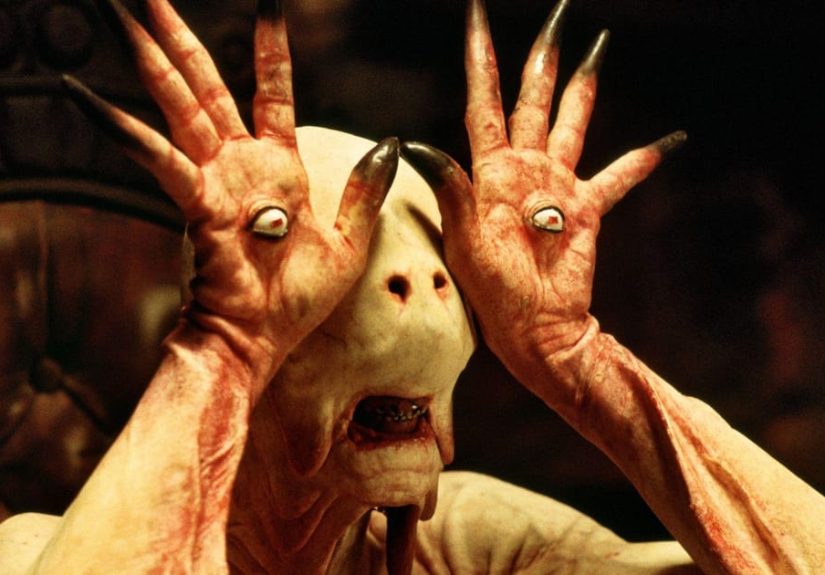
Example: The Pale Man in Pan’s Labyrinth isn’t terrifying only because of what he does. He’s terrifying because of what he representsand del Toro has explicitly discussed the creature as a symbol connected to institutional evil. Rewatching becomes a theme hunt: “What is the movie saying every time this monster shows up?”
6) Sound Cues You Don’t Notice Until Your Second Watch (Because You Were Busy Screaming)
Sound design in fantasy horror is sneaky. The first watch, you’re focused on plot and fear. The second watch, you catch the little audio tells: a soft crackle before an apparition, a barely-audible hum that signals the boundary between worlds, silence used like a weapon.
Try this: Rewatch with good headphones and subtitles. When the movie goes quiet, don’t relax. That’s usually when the filmmakers are doing the most.
7) Natural Light (or “Honest” Lighting) That Makes Everything Feel Uncomfortably Real
Fantasy horror can be visually lush, but some of the most haunting films choose a restrained, almost documentary look. It’s a cruel strategy: the more real the world feels, the more your brain accepts the supernatural as possible.
Example: The Witch has been widely discussed for its natural-light approach and commitment to an authentic atmosphere. That realism makes every small shadow and candlelit corner feel like a doorway for something awful.
8) Folklore “Easter Eggs” That Are Actually Plot Support Beams
Fantasy horror often borrows from folk stories, religious imagery, and myth. The details aren’t randommany are cultural signals that deepen the dread. Rewatching becomes a scavenger hunt for “Oh, that symbol means that.”
Example: The Witch frames its fear through early-modern beliefs and folklore, using period-appropriate details to make the witch archetype feel like a lived reality rather than a modern costume.
9) Background Behavior: Extras Acting Like Something Is Wrong Before You Know It
Watch the villagers. Watch the household staff. Watch the way people stand in doorways. In fantasy horror, background behavior often signals that the world’s rules are already broken, even if the main character hasn’t caught up.
On rewatch, you’ll realize half the cast has been quietly terrified for 40 minutes. They just didn’t want to be rude about it.
10) Architecture That Mirrors Character Psychology
The best fantasy horror settings reflect inner states: collapsing houses for collapsing minds, labyrinths for moral confusion, forests that feel both protective and predatory.
Example: In coverage of Crimson Peak, the mansion is repeatedly described as an “embodiment” of family historymeaning the space doesn’t just host the story; it expresses it.
11) Practical Effects You Can Study Like Craftsmanship (Because They Are)
CG can look great, but practical effects invite rewatching because your brain enjoys the tactile puzzle: “How did they build that?” Fantasy horror fans love creature seams, makeup textures, mechanical movement, and the little imperfections that make the unreal feel physical.
Example: Doug Jones performances across del Toro’s work are a master class in physical creature actingwhere tiny movement choices (hands, shoulders, head tilts) sell the character long before the story explains anything.
12) “Mirror Moments” That Reframe the Ending
Rewatchable fantasy horror often has visual echoes: early scenes that mirror late scenes, repeated gestures, recurring objects in different contexts. The first time, you miss the pattern. The second time, you see the movie setting up its emotional punch with surgical precision.
Tip: If you notice a composition repeatsame doorway framing, same camera angle, same object placementpause and compare. Directors rarely repeat on accident in this genre.
A Quick Rewatch Checklist for Fantasy Horror Fans
- Turn on subtitles (you’ll catch whispered lines and audio cues)
- Watch the color palette (what color follows danger? what color follows desire?)
- Scan the walls (paintings, scratches, religious icons, kids’ drawings)
- Listen for repeated sounds (music motifs, knocks, insects, wind patterns)
- Track “rule objects” (keys, chalk, rings, bookswho touches them and when?)
- Observe thresholds (doors, mirrors, stairs, woods: where does the world “change”?)
Fantasy Horror Movies That Reward Repeat Viewing
Here are a few films (and film-adjacent gothic fantasies) that tend to deliver extra layers when you revisit them:
- Pan’s Labyrinth Symbol-rich creatures, fairy-tale tools, and visual allegory that deepens with context.
- Crimson Peak A house built like a biography, with color and architecture doing heavy emotional lifting.
- The Witch Period detail, naturalistic dread, and folklore logic that becomes clearer (and scarier) on rewatch.
- Sleepy Hollow Stylized gothic sets, theatrical atmosphere, and visual influence that pops when you’re not busy following the mystery.
- The Shape of Water More romantic than horror, but filled with monster-design nuance and symbolic production choices.
- Hellboy II: The Golden Army Creature-forward dark fantasy where background designs feel like a bestiary you could study.
Rewatch Experiences: The Fun (and Slightly Unhinged) Ways These Movies Live in Your Head
Rewatching fantasy horror isn’t like rewatching a standard thriller. It’s more like returning to a place you survivedexcept this time you’re bringing snacks, a pause button, and the confidence of someone who knows where the scary parts are. The first viewing is emotional triage. The rewatch is archaeology.
One common “experience upgrade” is realizing how much the movie coached your feelings with details you didn’t consciously register. On a second watch, you might notice how the camera lingers on a hallway a beat too long, or how the sound drops out right before a character makes a terrible decision. It’s not that the film is cheatingit’s that it’s playing fair with tools you weren’t watching for. Once you see the pattern, you start anticipating the movie’s language: “Okay, this is the kind of shot they use when the world is about to tilt.”
Another classic rewatch moment: the sudden urge to become a background detective. Fantasy horror sets are often loaded with micro-storiesfamily portraits that imply a tragedy, shelves full of objects that signal a character’s obsession, scratches in wood that suggest old violence. You start pausing like you’re analyzing a crime board. The best part is that the film usually rewards you: those objects aren’t random clutter. They’re mood, theme, and foreshadowing disguised as decor. It’s like the set designer left you a secret note that says, “Thanks for paying attention.”
Rewatching with friends adds a whole extra layer of fun because everyone notices different things. One person catches the color symbolism. Another hears the repeating musical motif. Someone else spots that a character avoids standing in front of mirrors (and then you all get quiet because… yeah, that seems important). You don’t just rewatch the movieyou rewatch your own reactions. Scenes that were “gross and scary” the first time become “craft and meaning” the second time. Suddenly you’re admiring the lighting, the blocking, the costume choices, and how the monster design communicates emotion before it communicates threat.
And then there’s the most satisfying experience of all: the “click.” That moment when a detail finally connects to the whole. Maybe it’s an object that shows up early and returns at the end with new meaning. Maybe it’s a creature design element that mirrors a human character’s flaw. Maybe it’s a line of dialogue that sounded poetic the first time and sounds like a warning the second time. That click is why fantasy horror is so rewatchable: these movies aren’t just telling you a story. They’re building a system of symbols and sensationsand inviting you back to decode it when you’re ready.
So yes, rewatching fantasy horror can feel a little unhinged. But it’s a joyful unhinged. You’re not just chasing fearyou’re chasing understanding. You’re revisiting the nightmare for the craft, the clues, and the strange comfort of a world that’s terrifying… yet meticulously designed to be explored again.
Conclusion
Fantasy horror movies don’t beg for rewatches with flashy twists alone. They earn rewatches with craft: color language, set storytelling, folklore logic, monster symbolism, and sound cues that burrow into your brain. The first watch is for the plot and the chills. The second watch is where the movie reveals its hidden architecturelike a secret door you can only see once you know it’s there.
If you want to fall in love with these films all over again, rewatch like a detective: follow the colors, study the props, listen for repeated sounds, and treat every doorway like a question mark. The monster is still scary. But now you’ll also notice the tiny details that made it inevitable.