Table of Contents >> Show >> Hide
- What Is the Sintrax Coffee Machine?
- The Bauhaus Connection: Why Design Fans Love It
- How the Sintrax Coffee Machine Works
- What Makes the Sintrax Different From a Typical Coffee Maker?
- Materials, Form, and Why They Matter
- Is the Sintrax Coffee Machine Practical Today?
- Tips for Using or Collecting a Sintrax Coffee Machine
- Why the Sintrax Still Matters in the Age of Smart Coffee Makers
- Final Thoughts
- Extended Experience: Living With the Idea of a Sintrax Coffee Machine
If most coffee makers are practical shoes, the Sintrax Coffee Machine is a perfectly tailored pair of Italian loafers: elegant, slightly dramatic, and somehow capable of making the rest of the kitchen look underdressed. The Sintrax is not just a device for brewing coffee. It is a design object, a Bauhaus-era conversation starter, and a reminder that even your morning caffeine habit can wear a tuxedo. Long before today’s smart brewers started beeping, blooming, and texting your phone, the Sintrax was already turning coffee into theater.
This article takes a deep look at what makes the Sintrax Coffee Machine so fascinating. We will cover its origins, how it works, why collectors and coffee enthusiasts still talk about it, what makes its design special, and whether it still matters in a world crowded with pod systems, touchscreen espresso makers, and drip brewers that promise the moon before your first cup. Spoiler alert: yes, it still matters. Great design has a rude habit of refusing to age.
What Is the Sintrax Coffee Machine?
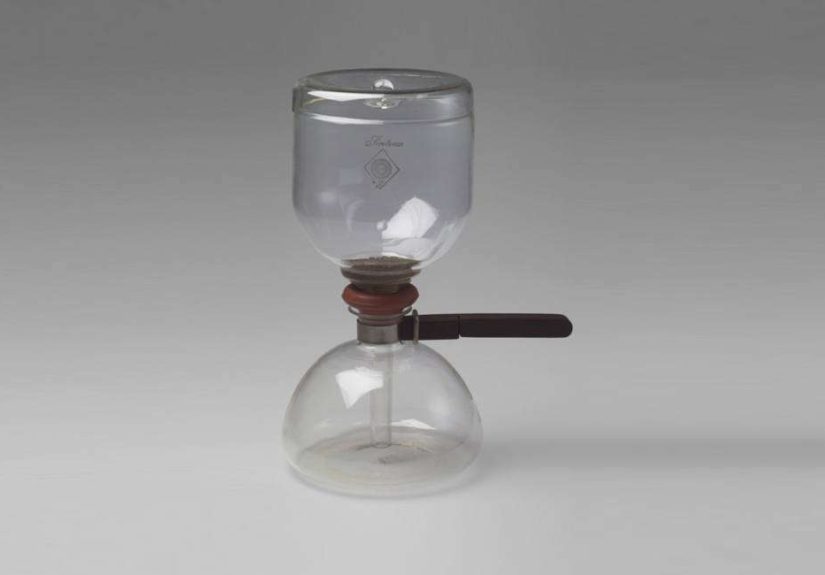
The Sintrax Coffee Machine is best understood as a classic vacuum or siphon coffee maker with serious design pedigree. It is associated with early modernist design and the Bauhaus movement, where form and function were expected to get along like civilized adults. Instead of brewing coffee in a single chamber like an ordinary drip machine, the Sintrax uses a two-part vessel system. Heat pushes water upward, coffee brews in the top section, and then the finished liquid returns to the lower chamber as the system cools. It is science, ritual, and coffee all in one neat package.
That sounds fancy because it is. But it is not fancy in the wasteful, gadget-for-gadget’s-sake way. It is fancy in the “somebody actually thought about materials, proportions, brewing mechanics, and the user experience” way. The Sintrax became notable not only because it made coffee, but because it demonstrated how a household object could also be modern art. You can almost hear it saying, “Yes, I brew coffee, but let’s not make that my whole personality.”
The Bauhaus Connection: Why Design Fans Love It
The Sintrax Coffee Machine occupies a unique place in 20th-century design history because it sits at the intersection of modernism, industrial production, and daily life. It emerged from a period when designers and manufacturers were rethinking how everyday objects should look and work. Instead of decorating products with unnecessary flourishes, modernist designers emphasized clarity, usefulness, and material honesty. In plain English: stop adding fake fancy bits and make the thing work beautifully.
That approach is visible all over the Sintrax. Its heat-resistant glass body is the star, not something hidden behind metal or plastic. The form follows the brewing method. The machine’s transparency is practical, because it lets the user see what is happening, but it is also visually captivating. Watching coffee move through a siphon brewer is half chemistry lesson, half stage performance. With the Sintrax, transparency is not only a design choice. It is the whole point.
Design historians and collectors admire the machine because it reflects the Bauhaus ideal that household tools deserve thoughtful design. The Sintrax was never just about making a drink. It was about elevating the daily ritual of coffee into something cleaner, smarter, and more visually refined. In other words, this machine did not stumble into icon status. It earned it the old-fashioned way by being both useful and stunning.
How the Sintrax Coffee Machine Works
The Basic Vacuum Brewing Principle
The Sintrax uses vacuum brewing, also known as siphon brewing. In this method, water begins in the lower chamber. As heat is applied, vapor pressure forces the hot water upward into the upper chamber, where it mixes with coffee grounds. Once the heat source is removed or reduced, the lower chamber cools, pressure drops, and the brewed coffee is drawn back down through a filter. The grounds stay above, the finished coffee collects below, and everyone involved gets to feel a little smarter than usual.
Why Coffee People Still Respect This Method
Vacuum brewing has long appealed to coffee enthusiasts because it can produce a cup with notable clarity, brightness, and aromatic complexity. The brewing process encourages even saturation and controlled contact between water and grounds. When handled properly, it can highlight subtle notes in the coffee rather than smothering them. That is one reason siphon brewing has remained popular among specialty coffee devotees even after more convenient brewing methods took over the average countertop.
Modern coffee experts still emphasize the same fundamentals that make a siphon brewer shine: proper water temperature, balanced brew time, an appropriate coffee-to-water ratio, and even extraction. The Sintrax may be a vintage object, but the brewing science behind it remains surprisingly current. Good coffee is still good coffee, even when it arrives dressed like a museum piece.
What Makes the Sintrax Different From a Typical Coffee Maker?
Most coffee makers are designed around convenience first. Push a button, walk away, come back caffeinated. The Sintrax demands a bit more attention. It invites the user into the process. You do not simply start the machine; you participate in a brewing ritual. For some people, that sounds like extra work. For others, that sounds like the whole point of making coffee at home.
There are several clear differences between the Sintrax and a standard drip coffee maker:
1. Brewing Experience
A drip machine is mostly invisible once the cycle begins. A Sintrax is wonderfully visible. You watch water rise, grounds bloom, liquid circulate, and brewed coffee return. It turns an ordinary kitchen task into a small event.
2. Design Value
A modern budget coffee maker is an appliance. The Sintrax is an appliance and a design artifact. It carries cultural value beyond its utility, which is why collectors often display it even when they do not brew with it daily.
3. Flavor Profile
Because vacuum brewing can deliver clean extraction and aromatic lift, the coffee often feels more expressive than coffee made in low-end machines with poor temperature control or uneven water distribution. That does not mean every cup is automatically better. It means the brewer has more potential when used well.
4. Learning Curve
Let us be honest: the Sintrax is not the kind of machine you buy if your relationship with coffee begins and ends with “must happen before 7:15 a.m.” It rewards patience and curiosity. Some mornings, that is charming. Other mornings, that sounds like a betrayal. Know yourself.
Materials, Form, and Why They Matter
One of the most compelling aspects of the Sintrax Coffee Machine is its use of heat-resistant glass. In coffee equipment, materials are never a trivial detail. They affect durability, heat retention, visibility, and even the emotional feel of the brewing process. Glass offers a level of purity and transparency that fits perfectly with siphon brewing. It also allows the user to monitor extraction in real time, which is useful and strangely satisfying.
The Sintrax’s restrained silhouette also matters. Its proportions feel deliberate. Nothing appears bulky or accidental. That clean geometry is part of why the machine still looks contemporary despite being rooted in early 20th-century design. Good design often outlives fashion because it is anchored in proportion, logic, and purpose instead of trend. The Sintrax proves that your grandmother’s coffee maker can still outclass a lot of new “premium” appliances that look like they were designed by an anxious spaceship.
Is the Sintrax Coffee Machine Practical Today?
That depends on what you mean by practical. If practical means fast, cheap, and forgiving, then a modern automatic brewer is usually the better answer. If practical means capable of making excellent coffee while also enriching the experience of brewing, then the Sintrax still has a strong case.
Collectors, design lovers, and manual brewing fans often appreciate the Sintrax for several reasons. First, it turns coffee into a ritual instead of a background task. Second, it offers visual drama that most machines cannot match. Third, it connects the user to a piece of design history. And fourth, when it is in good condition and used properly, it can still produce a deeply enjoyable cup.
That said, vintage coffee equipment usually asks for common sense. Older glass parts may be fragile. Seals, filters, and fittings may not behave like brand-new components. Anyone buying a Sintrax for actual use should pay close attention to condition, completeness, and maintenance needs. Buying vintage brewing gear without checking the parts is a little like buying a classic car because it looks cool and then acting surprised when it wants attention.
Tips for Using or Collecting a Sintrax Coffee Machine
Inspect the Condition Carefully
If you are purchasing a vintage Sintrax, inspect the glass for chips, cracks, clouding, or stress marks. Confirm that the filter system and seals are present and usable. Originality can matter to collectors, but usability matters if you plan to brew with it.
Use Good Coffee Beans
No coffee maker, not even a legendary one, can rescue stale beans. Freshly roasted coffee, ground appropriately for siphon brewing, will help the machine perform at its best. Great equipment cannot compensate for sad coffee.
Watch Water Temperature and Brew Timing
The broader coffee world has become increasingly precise about brew variables for a reason. Temperature, contact time, and even saturation all shape extraction. The Sintrax rewards attention to these details. Think of it less as a lazy appliance and more as a collaborative partner.
Clean It Gently and Regularly
Coffee oils and mineral buildup can compromise flavor and performance. Gentle cleaning after use, plus routine descaling when appropriate, helps preserve both the taste of the coffee and the condition of the brewer. With glass equipment, harsh treatment is an excellent way to invent new regrets.
Why the Sintrax Still Matters in the Age of Smart Coffee Makers
The modern coffee market is full of machines promising precision, speed, programmability, and café-style results. Many are excellent. Some are genuinely impressive. But the Sintrax still matters because it represents something many modern products miss: a beautiful alignment between engineering, ritual, and visual delight.
Today’s best coffee makers are judged by temperature stability, saturation, extraction, and ease of maintenance. The Sintrax reminds us that emotional experience matters too. The act of making coffee can be calming, engaging, and memorable. It can slow you down in the best possible way. It can make a weekday morning feel less like a sprint and more like a choice.
There is also something deeply refreshing about a machine that does not rely on an app, software updates, or a notification system. The Sintrax does not ask for Wi-Fi. It asks for attention. In return, it offers flavor, form, and a small daily performance that never really goes out of style.
Final Thoughts
The Sintrax Coffee Machine is more than a coffee brewer. It is a design classic that captures a rare combination of utility, beauty, and historical importance. It stands out not because it is loud, but because it is so carefully resolved. Its vacuum brewing method gives it functional credibility. Its Bauhaus lineage gives it cultural depth. Its glass form gives it enduring visual power. Together, those qualities make it one of the most memorable coffee machines ever made.
For collectors, it is a jewel of modern design. For coffee lovers, it is a fascinating brewing instrument. For anyone tired of lifeless kitchen appliances, it is a reminder that everyday tools can still be elegant. The Sintrax may not be the fastest route to caffeine, but it might be one of the most satisfying. And honestly, in a world of rushed mornings and disposable gadgets, a little satisfaction goes a long way.
Extended Experience: Living With the Idea of a Sintrax Coffee Machine
There is a particular kind of person who falls in love with the Sintrax Coffee Machine, and it is not usually the person sprinting out the door with one shoe untied and toast in their mouth. The Sintrax tends to attract people who enjoy process. People who like objects with a story. People who think the phrase “designed in 1925” is not a warning label but an invitation.
Imagine the experience of bringing a Sintrax into your kitchen. Even before it brews anything, it changes the room. It has presence. It does not lurk in the corner like an anonymous black plastic box. It announces itself quietly, with confidence. Guests notice it. Coffee people ask questions. Design people start smiling in a way that suggests they are about to say the word “Bauhaus” at least three times.
Using it can feel surprisingly intimate. You measure water more carefully. You pay attention to the grind. You watch the heat. You notice the moment the water rises into the upper chamber. You stir or swirl with intention. Then you wait for the brewed coffee to return downward, transformed. That small cycle creates a sense of anticipation that automatic machines rarely deliver. The process becomes part of the pleasure, not an annoying delay before the pleasure starts.
There is also a psychological shift that happens with a brewer like this. Coffee stops being purely transactional. It becomes sensory. You hear the soft sounds of heating and movement. You see the liquid change color. You smell the bloom. You become aware that coffee is not just a product but an extraction, a chain of physical events shaped by heat, pressure, time, and material. The Sintrax makes those invisible details visible. It teaches without lecturing. It performs without showing off too much.
Of course, experience with the Sintrax is not all romance and perfect lighting. Vintage equipment can be fussy. Parts may be delicate. You may need patience, and perhaps a backup brewing method for chaotic mornings. Some people will adore that ritual. Others will decide they respect it deeply from a safe distance while continuing to use their programmable drip machine. That is fair. Not every beautiful object needs to become your weekday workhorse.
Still, there is a reason machines like the Sintrax continue to hold attention. They slow time a little. They make routine feel crafted. They encourage care in a culture that often rewards speed above all else. Even if you only brew with one occasionally, it can reshape how you think about coffee. You start asking better questions. How hot is the water? How fresh are the beans? Is extraction even? Why does this cup taste brighter than yesterday’s? Suddenly, you are not just drinking coffee. You are noticing it.
That may be the Sintrax’s greatest achievement. It does not merely produce a beverage. It creates awareness. It turns a kitchen task into an experience with texture, rhythm, and memory. A good cup of coffee wakes you up. A brewer like the Sintrax can wake up your attention too. And that, for many enthusiasts, is worth every extra minute.