Table of Contents >> Show >> Hide
- Why Dish Soap Can Help Unclog a Toilet
- Before You Start: A Few Fast Safety Rules
- How to Unclog a Toilet with Dish Soap: 8 Simple Steps
- What to Do If the Dish Soap Method Does Not Work
- Mistakes to Avoid When Unclogging a Toilet
- When to Call a Plumber
- How to Prevent Future Toilet Clogs
- Frequently Asked Questions
- Real-Life Lessons and Experiences With the Dish Soap Toilet Trick
- Conclusion
Few household moments feel quite as dramatic as flushing a toilet and watching the water rise like it has personal goals. The good news is that a minor clog does not always require a plumber, a panic attack, or a full family meeting. In many cases, a simple combination of dish soap and hot water can help loosen a soft blockage and get things moving again.
If you are wondering how to unclog a toilet with dish soap, this guide walks you through the process step by step. It also covers what this method can realistically fix, the mistakes that make things worse, and the signs that tell you it is time to stop playing bathroom hero and call a professional.
Why Dish Soap Can Help Unclog a Toilet
Dish soap is slippery by design. That is exactly why it can help with a toilet clog. When added to the bowl, the soap can coat the blockage and reduce friction inside the trap and drain path. Paired with hot water, it may help soften and ease along a minor organic clog made of waste and excess toilet paper.
Now, a reality check: dish soap is not magic. It will not teleport a toy dinosaur into another dimension. It is most useful for soft clogs, especially when the toilet is blocked by too much paper or material that can break apart with a little time, lubrication, and heat. If the problem is a hard object, a deep blockage, or a main line issue, this trick is more “nice try” than “problem solved.”
Before You Start: A Few Fast Safety Rules
Before you do anything else, stop flushing. This is the toilet equivalent of stepping on the gas when your car is already in a ditch. Repeated flushing can quickly turn a simple clog into an overflowing mess.
- Put old towels around the base of the toilet.
- Wear rubber gloves.
- Keep a bucket nearby in case the bowl is too full.
- Use hot water, not boiling water, to avoid damaging porcelain.
- Do not pour harsh chemical drain cleaner into the toilet.
How to Unclog a Toilet with Dish Soap: 8 Simple Steps
Step 1: Stop the Water From Rising
If the bowl is already very full, do not flush again just to “see what happens.” What happens is usually bad. Remove the tank lid and make sure no more water is feeding into the bowl. If needed, turn off the shut-off valve behind the toilet. This buys you time and saves your bathroom floor from becoming an accidental indoor water feature.
Step 2: Make Room in the Bowl
If the water level is close to the rim, carefully remove some of the water with a small container or bucket. You do not need to empty the bowl completely, but you do want enough space to add soap and hot water without creating a flood. Think of it as making room for the main act.
Step 3: Add the Dish Soap
Pour about 1/4 to 1/2 cup of liquid dish soap into the toilet bowl. Aim near the drain opening so the soap sinks toward the clog instead of just floating around like a tourist. Any standard liquid dish soap works. You do not need a luxury brand with a cucumber-lime scent and a marketing budget the size of a moon landing.
Step 4: Let the Soap Sit
Give the dish soap 10 to 20 minutes to work its way down. In some cases, people wait up to 30 minutes for a stubborn but still minor clog. During this time, the soap can start lubricating the obstruction and the curved trap inside the toilet. This is not the exciting part, but it is the useful part.
Step 5: Heat Water the Right Way
Fill a bucket with hot water. The water should be very warm, but not boiling. If it is steaming like a train in an old movie, let it cool for a minute. Boiling water can crack porcelain or stress older plumbing parts, and nobody needs a clogged toilet turning into a broken toilet.
Step 6: Pour the Hot Water Carefully
Slowly pour the hot water into the bowl from about waist height. That extra height can add a bit of force, but go gently enough that the bowl does not splash or overflow. The hot water helps soften the clog while the soap helps it slide through. It is a teamwork moment, and honestly, the dish soap is doing a lot of emotional labor here.
Step 7: Wait and Watch
Let the hot, soapy water sit for another 10 to 20 minutes. Watch the water level. If it starts to recede on its own, that is a very good sign. It usually means the blockage is loosening. If nothing changes at all, do not panic yet. Some clogs need a second round, especially when too much toilet paper is involved.
Step 8: Test With One Controlled Flush
When the water level looks stable, try one careful flush. Just one. If the bowl drains normally, congratulations: you have won a strangely satisfying battle. If it drains slowly, repeat the dish soap and hot water method once more or move on to a flange plunger. If the water rises again quickly, stop and switch strategies.
What to Do If the Dish Soap Method Does Not Work
Sometimes the clog laughs in the face of soap. That does not mean all hope is lost. It just means the blockage is likely too stubborn for the gentle approach.
Try a Toilet Plunger
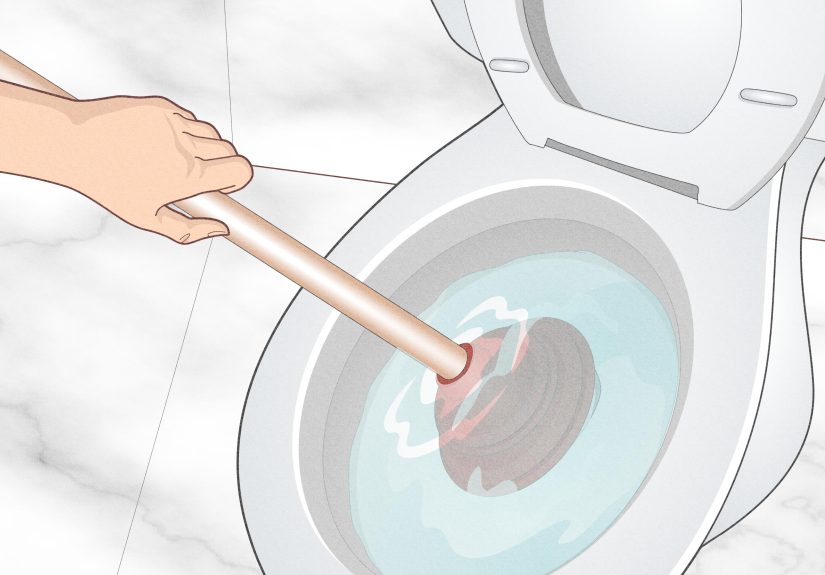
A flange plunger is still the gold standard for many toilet clogs. Make sure there is enough water in the bowl to cover the rubber cup, then plunge with steady pressure. A good seal matters more than wild enthusiasm. You are trying to move the clog, not audition for a drumming competition.
Use a Toilet Auger
If plunging does not work, a toilet auger can reach deeper into the trap and break up or hook a blockage. This is especially helpful when the clog is beyond the point where hot water and soap can do much. Use it gently to avoid scratching the porcelain.
Try Baking Soda and Vinegar for a Minor Organic Clog
Some homeowners also try baking soda and vinegar after the dish soap method fails. This can help with certain soft, organic clogs, though results vary. It is not a replacement for a plunger or auger, but it is a reasonable next step before calling for backup.
Mistakes to Avoid When Unclogging a Toilet
A clogged toilet is annoying. A damaged toilet plus a clogged toilet is a full-scale lifestyle problem. Avoid these common mistakes:
- Do not use boiling water. Hot is good. Boiling is a risky personality trait.
- Do not keep flushing. Repeated flushing can cause overflow fast.
- Do not use chemical drain cleaners. They often do not reach toilet clogs effectively and can damage the bowl or plumbing.
- Do not force random tools into the drain. A wire hanger or hard object can scratch porcelain or push the clog deeper.
- Do not ignore repeated clogs. A toilet that clogs often may be warning you about a bigger plumbing issue.
When to Call a Plumber
There is a fine line between confident DIY and spending your afternoon making things dramatically worse. Call a plumber if any of the following apply:
- The toilet still will not drain after dish soap, hot water, and plunging.
- You suspect a foreign object is stuck in the trap.
- Water backs up into other fixtures, such as the tub or shower.
- Multiple drains in the home are slow or clogged at the same time.
- You notice sewage smell, gurgling, or recurring backups.
- The toilet overflows repeatedly or leaks around the base.
Those symptoms can point to a deeper drain issue or even a main sewer line blockage. At that point, dish soap is outmatched. It had a good run.
How to Prevent Future Toilet Clogs
Once the crisis is over, it is worth making a few small changes so you do not have to become an expert in DIY toilet unclogging every other month.
- Flush only human waste and toilet paper.
- Avoid “flushable” wipes, paper towels, tissues, and cotton products.
- Use toilet paper in reasonable amounts, especially with low-flow toilets.
- Teach kids that the toilet is not a toy portal.
- Address slow flushing early before it becomes a full blockage.
Frequently Asked Questions
Can dish soap really unclog a toilet?
Yes, sometimes. It can help with minor, soft clogs by lubricating the blockage and helping hot water soften it. It is less effective for hard objects or severe obstructions.
How much dish soap should I use?
Most methods recommend about 1/4 to 1/2 cup. You do not need to empty the whole bottle like you are seasoning a cast-iron skillet.
How long should I let dish soap sit in the toilet?
Usually 10 to 20 minutes, though some people wait closer to 30 minutes for tougher clogs.
Can I use boiling water?
No. Use hot water, but not boiling water. Extreme heat can damage porcelain and other toilet components.
What is the best next step if dish soap fails?
Use a flange plunger first. If that does not work, try a toilet auger or call a plumber.
Real-Life Lessons and Experiences With the Dish Soap Toilet Trick
Ask enough homeowners about simple ways to unclog a toilet with dish soap, and you will hear the same theme over and over: this trick works best when people stay calm and stop making the situation worse. The folks who succeed are usually the ones who do three things right away. First, they stop flushing. Second, they give the soap time to work. Third, they resist the urge to turn the bathroom into a chemistry lab.
One common experience goes like this: someone uses a little too much toilet paper, flushes, sees the water rise, and immediately flushes again out of pure denial. Now the bowl is nearly full, the floor is in danger, and the family dog has arrived to supervise. Once the panic settles, they add dish soap and hot water, wait about 20 minutes, and the clog often softens enough to clear with one controlled flush. The lesson is simple: patience is part of the repair.
Another very relatable scenario happens in homes with children. A parent assumes the clog is just too much toilet paper, tries the dish soap trick, and gets nowhere. Later, a plumber discovers a toy car, a toothbrush cap, or something equally confusing in the trap. That is a good reminder that dish soap helps with soft clogs, but it cannot negotiate with plastic dinosaurs. When there is any chance a solid object went down, skip the optimism and move faster toward a plunger, auger, or professional help.
Renters also tend to love this method because it uses things already sitting in the kitchen. No special tools, no midnight hardware store run, and no harsh chemicals. It is especially handy in apartments where storage space is limited and a plunger somehow never made the cut. Still, experienced renters learn pretty quickly that the trick is not to pour in scorching water or half a bottle of soap. More is not always better. Too much soap can create extra suds, and water that is too hot can risk damaging the fixture.
Many people say the most surprising part is how often the clog starts loosening before they even flush. The water level slowly drops, the bowl stops looking angry, and the whole situation becomes much less dramatic. That slow drop is often the clue that the blockage is softening. On the other hand, if the water stays high and refuses to budge, experienced DIYers know not to force the issue. That is when they switch tools instead of doubling down on bathroom wishful thinking.
Perhaps the biggest real-world takeaway is that this method works best as an early response, not a last-ditch miracle. For a fresh, minor clog, dish soap and hot water can be a quick, cheap, and surprisingly effective fix. For repeat clogs, strange noises, sewage odors, or backups in multiple fixtures, it is better to treat those signs seriously. Homeowners who ignore them often end up dealing with a much bigger plumbing bill later. In other words, dish soap is a handy first move, but knowing when to stop is what really makes you look like a pro.
Conclusion
If you need a low-cost, low-drama way to tackle a minor blockage, unclogging a toilet with dish soap is one of the simplest tricks worth trying. The method is easy: add soap, use hot water, wait, and test carefully. It is not fancy, but neither is a clogged toilet, and that has never stopped one from ruining a perfectly normal day.
For soft clogs caused by excess toilet paper or waste, this approach can work surprisingly well. For deeper problems, hard obstructions, or repeated backups, move on quickly to a plunger, auger, or plumber. The real goal is not just getting the water down. It is getting your bathroom back to normal without creating a second emergency in the process.