Table of Contents >> Show >> Hide
- What Is “Silent Walking,” Exactly?
- Can Silent Walking Boost Your Mood?
- Can Silent Walking Improve Fitness?
- Is Silent Walking Better Than Walking With Music?
- A Big Bonus: Safety and Attention
- How to Try Silent Walking Without Hating It
- Common Questions About Silent Walking
- The Bottom Line
- Experiences People Commonly Report With Silent Walking (500+ Words)
- 1) The “My Brain Is Loud” Moment (and what happens next)
- 2) The “I Didn’t Realize I Was That Tense” Discovery
- 3) The Creativity Pop
- 4) The “I’m Not As Hooked to My Phone As I Thought… Wait, Yes I Am” Realization
- 5) The Fitness Confidence Boost
- 6) The “This Is Not My Thing” Outcome (which is still useful)
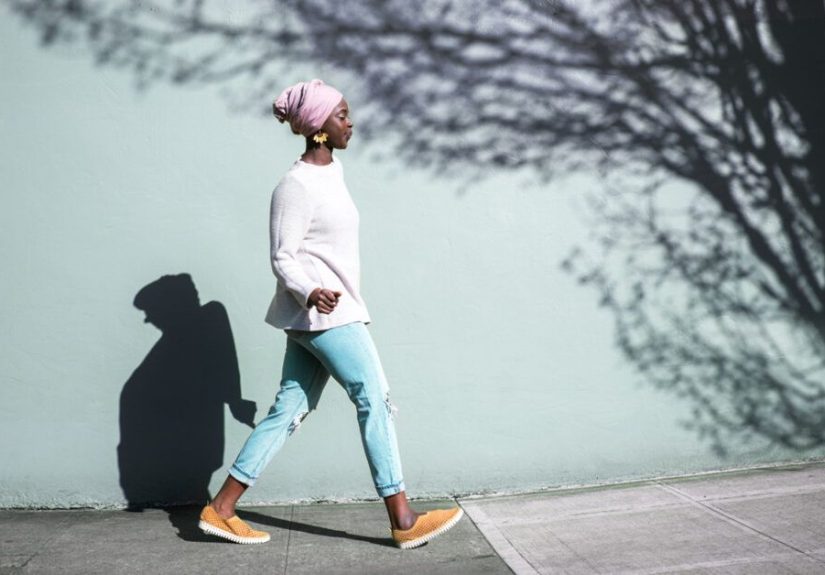
Silent walking is the latest wellness “trend” that’s basically just walking… but with one bold twist: you don’t plug into anything. No music. No podcasts. No doom-scrolling. Just you, your feet, and the thrilling sound of your jacket zipper doing its thing.
But does walking in silence actually do anything special for your mood or fitnessor is TikTok simply rebranding a basic human activity (again)? Let’s break down what silent walking is, what science says about walking for mental and physical health, and how to try it without turning your stroll into a misery march.
What Is “Silent Walking,” Exactly?
Silent walking is typically defined as a walk done without audio distractions (and often without phone use), with the goal of being more present. The rules vary depending on who you ask, but most versions include:
- No headphones (no music, podcasts, audiobooks)
- No active phone use (especially no scrolling)
- Optional: walking solo, choosing a calmer route, and paying attention to your surroundings
In other words, it’s walking meets “mini digital detox,” with a side of mindfulness. And unlike some viral fitness crazes, silent walking doesn’t require equipment, supplements, or pretending celery juice is a personality.
Can Silent Walking Boost Your Mood?
Here’s the honest answer: walking can absolutely support mood. The “silent” part may enhance certain benefits (like mindfulness and reduced mental clutter), but most of the heavy lifting comes from moving your body in the first place.
Why walking helps mental health in general
Research and clinical guidance consistently link regular physical activity with improvements in stress, anxiety symptoms, and mild-to-moderate depression symptoms. Walking is especially appealing because it’s low-impact, accessible, and easy to repeatthree things your brain loves when you’re trying to build a habit.
One of the most practical takeaways from recent research: you don’t need a “perfect” step count to see potential benefits. Large studies have found associations between higher daily step counts and lower depression risk, with meaningful improvements showing up well below the mythical 10,000-step mark.
So what does “silence” add?
Silence can change the experience of the walk, which can change what your brain gets out of it. Without constant input, you may notice:
- Less rumination (or at least fewer “noise layers” added on top of it)
- More sensory grounding (sounds of birds, traffic, wind, your own footsteps)
- More emotional awareness (sometimes comforting, sometimes uncomfortable)
- More creativity (your brain finally has space to connect dots)
This lines up with what we know about mindfulness: paying attention to the present momentwithout judging itcan reduce stress and improve emotional regulation for many people. “Silent walking” is basically mindfulness training wearing sneakers.
Mindful walking has evidence behind it
Silent walking overlaps with mindful walking (sometimes called walking meditation), which has been studied more directly. In mindful walking interventions, participants are guided to focus on sensationsbreathing, movement, sounds, sightsand gently return attention when the mind wanders. Studies have found improvements in stress and anxiety measures after mindful walking sessions or programs.
Important nuance: silence is not automatically calming for everyone. If you’re going through a high-anxiety period, silence may temporarily make thoughts feel louder. That doesn’t mean it’s “bad”but it does mean you might want to start small or use a gentler version of the trend (more on that soon).
Can Silent Walking Improve Fitness?
Silent walking can support fitnessbut not because silence has magical cardio properties. Your heart does not care whether you’re listening to a podcast about celebrity feuds. It cares about how often you walk, how long you walk, and how hard you walk.
Walking counts as real exercise
Walking can contribute to weekly aerobic activity goals recommended by U.S. public health guidance. Brisk walking is generally considered moderate-intensity exercise, which is the sweet spot for building cardiovascular health, supporting metabolic health, and improving overall stamina over time.
How to make a silent walk “fitness-forward”
If your goal is better fitness (not just a mood reset), focus on intensity and consistency:
- Use the talk test: You can talk, but you can’t sing. If you can belt out a chorus, pick up the pace.
- Add gentle intervals: Walk briskly for 1–2 minutes, then easy for 1–2 minutes. Repeat.
- Find a hill or incline: It’s like nature’s treadmill button.
- Improve posture: Tall spine, relaxed shoulders, arms swinging naturally.
- Progress gradually: Add 5 minutes or an extra day per week before you add intensity.
Silent walking can actually make fitness walking easier for some people because you’re more tuned into breathing, stride, and body signalsuseful for pacing and injury prevention. But for others, music is motivating and helps them stick with exercise. The best workout is the one you’ll repeat.
Is Silent Walking Better Than Walking With Music?
Not universallyjust different. Think of it like this:
- Walking with music/podcasts can improve enjoyment, distract from discomfort, and help you walk longer or faster.
- Silent walking can strengthen mindfulness, reduce digital dependence, and help you decompress mentally.
You don’t have to pick one forever. Many people do best with a mixsilent walks for mental reset, and “soundtrack walks” for motivation and workouts.
A Big Bonus: Safety and Attention
Silent walking often encourages you to put your phone away and keep your head upgreat for safety. Research on pedestrian distraction shows that device use can interfere with attention and safe street-crossing behavior. Silence (or at least fewer tech distractions) may help you stay more aware of traffic, bikes, and other hazards.
Basic safety reminders for any walk:
- Choose well-lit routes and stay aware of surroundings.
- Cross at intersections, obey signals, and avoid looking at screens while crossing.
- If walking at dawn/dusk, wear bright or reflective clothing.
- Tell someone your route if you’re walking in isolated areas.
How to Try Silent Walking Without Hating It
If you’re used to constant audio, the first silent walk can feel weirdlike your brain is reaching for a remote that isn’t there. That’s normal. Start with a version that feels doable.
The 10-minute “starter” silent walk
- Pick a short route you already know (less mental load).
- Put your phone on Do Not Disturb and keep it in a pocket or bag.
- Walk at an easy pace for 2 minutes to settle in.
- Do a quick sensory scan: name 3 things you see, 2 things you hear, 1 thing you feel.
- Let thoughts come and goand gently return focus to footsteps or breathing.
A simple 7-day progression
- Days 1–2: 10 minutes silent + optional music after
- Days 3–4: 15 minutes silent, add a few brisk minutes
- Days 5–6: 20 minutes silent, focus on posture and breathing
- Day 7: 20–30 minutes silent, choose a route with nature if possible
And yes, you’re allowed to “fail” and put music on halfway through. This is a health habit, not a wilderness survival show.
Common Questions About Silent Walking
Do I have to walk alone?
No. Some people walk alone to reduce stimulation; others do a quiet walk with a friend where conversation is minimal. If safety is a concern, walking with someone you trust can be a smart option.
How long should a silent walk be?
Even 10 minutes can help you shift gears mentally. For fitness benefits, longer and/or brisker walks done consistently are more impactfulbut short walks still count.
What if silence makes me more anxious?
That can happen. Try a “semi-silent” approach: leave the phone put away, but allow calm music for the first few walks. Or do silence only in the last 5 minutes. If anxiety feels intense or persistent, consider talking with a mental health professional.
Is silent walking basically meditation?
It can be. If you intentionally focus attention (breath, steps, senses) and gently return when distracted, you’re very close to walking meditation. If you’re simply walking without headphones while thinking about groceries, that’s still fineyour brain is allowed to be a brain.
Will silent walking make me fitter than regular walking?
Not automatically. Fitness improves with frequency, duration, and intensity. Silence may help you stay consistent or tune into effortboth helpfulbut it’s not a shortcut.
The Bottom Line
Yes, silent walking can boost mood and support fitnessmostly because walking is good for your brain and body. The “silent” part can add extra benefits for stress relief, mindfulness, and reducing tech overload, but it’s not required for walking to “work.”
If you want a low-pressure way to feel calmer and move more, silent walking is a surprisingly solid trend. And if you decide you’d rather listen to music while walking? Congratulations: you’re still walking, and your heart does not care about TikTok labels.
Experiences People Commonly Report With Silent Walking (500+ Words)
Note: The experiences below are common patterns people describe (and “composite” examples), not promises. Your mileageliteral and emotionalmay vary.
1) The “My Brain Is Loud” Moment (and what happens next)
A lot of first-time silent walkers report the same thing: the first few minutes feel uncomfortable. Without audio, the mind starts running a highlight reel of unfinished tasks, awkward conversations from 2017, and questions like “Why do humans have toenails?”
But many people also notice a shift after 5–10 minutes. The internal chatter doesn’t necessarily disappearit just becomes less sticky. When you start paying attention to your steps, breathing, and surroundings, thoughts often pass more quickly. It can feel like switching from a crowded group chat to a single conversation.
2) The “I Didn’t Realize I Was That Tense” Discovery
One common surprise is how much tension people carry without noticingjaw clenched, shoulders up, hands tight. Silent walking gives you space to notice those signals. Some walkers describe doing an informal “body check” at a stoplight: drop the shoulders, relax the face, unclench the hands. It’s simple, but it can feel like letting air out of an overinflated balloon (the kind that squeaks in a way that annoys everyone at parties).
3) The Creativity Pop
People who write, design, study, or problem-solve for work often say silent walking is when ideas finally show upusually right when they’re not forcing them. Without a podcast filling every gap, your brain starts connecting dots in the background. A common story: someone spends all morning stuck on an email or a project, takes a 20-minute silent walk, and comes back with a cleaner sentence, a better plan, or at least the emotional stability to stop rewriting the first line 47 times.
4) The “I’m Not As Hooked to My Phone As I Thought… Wait, Yes I Am” Realization
Silent walking is also a sneaky way to reveal habit loops. Many people notice how often they reflexively reach for their phoneat the start of the walk, at every pause, at the slightest hint of boredom. Silent walking doesn’t shame that impulse; it simply makes it visible. Over time, some walkers report that the urge becomes less intense, and they can leave the phone alone more easilyespecially during short daily walks.
5) The Fitness Confidence Boost
From a fitness angle, people sometimes report that silent walking helps them better understand their pace and effort. Instead of zoning out, they notice breathing changes on hills, how posture affects comfort, or how “easy pace” feels different from “brisk pace.” That awareness can lead to smarter choices: slowing down when needed, pushing gently when safe, and building consistency without burning out.
6) The “This Is Not My Thing” Outcome (which is still useful)
Not everyone falls in love with silence. Some people find silent walking boring, or it makes them feel more anxious. That’s not failurethat’s feedback. A common compromise is the “hybrid walk”: first 10 minutes silent to decompress, last 10 minutes with music for enjoyment. Others reserve silent walks for nature trails and keep city walks as music-friendly. The best routine is the one that supports your life, not the one that wins a trend trophy.
If you’re curious, try silent walking as an experimentnot a rule. You might find it becomes a small daily reset button. Or you might confirm you’re a proud member of the “I love walking, but also love Beyoncé” community. Either way: you’re moving your body, and that’s a win.